
Belle Yang
Author of Forget Sorrow: An Ancestral Tale
About the Author
Image credit: Belle Yang
Works by Belle Yang
A Nest in Springtime: A Mandarin Chinese-English bilingual book of numbers (2012) 38 copies, 4 reviews
Associated Works
Becoming American: Personal Essays By First Generation Immigrant Women (2000) — Contributor — 29 copies
Tagged
Common Knowledge
- Canonical name
- Yang, Belle
- Birthdate
- 1960-03-08
- Gender
- female
- Education
- Stirling University (Scotland)
University of California, Santa Cruz (BS, Biology)
Pasadena Art Center College of Design (Art)
Beijing Institute of Traditional Chinese Painting (Art) - Occupations
- writer
painter - Nationality
- USA
- Birthplace
- Taiwan
- Places of residence
- Taiwan (birth)
Japan
USA
Members
Reviews

I feel honored to have been given an advanced copy of Forget Sorrow, as it will surely be placed among the greats of the graphic memoir subgenre. Like Maus, Persepolis, Fun Home, and Epileptic, it uses sequential art as a perfect medium for presenting an autobiographical narrative. Bell Yang's background in calligraphy is evident in her elegant line art, evoking both Classic Chinese drawings and traditional cartooning.
The book is about the expectations and assumptions that parents have for show more their children and those that kids have for their parents. Belle Yang (here referred to by her Chinese name Xuan) moves back with her parents after cutting ties with her abusive boyfriend, chillingly portrayed as a mouthless giant. As she receives both criticism and compassion from her father, he tells her the story of his youth and their ancestral home back in China. His grandfather was a landowner before the Communists took over, a patriarch to four sons and their families. He would eventually lose his land and position of authority and see both betrayal and boundless devotion from his sons.
The memoir also tells of Xuan and her father and how they meet half-way in their differences. Their compromises show the importance of coming to terms with the mistakes you have made that have hurt yourself and others, and being willing to forgive others and yourself. The book also perfectly demonstrates the powers of familial love and finding your own self-worth. show less
The book is about the expectations and assumptions that parents have for show more their children and those that kids have for their parents. Belle Yang (here referred to by her Chinese name Xuan) moves back with her parents after cutting ties with her abusive boyfriend, chillingly portrayed as a mouthless giant. As she receives both criticism and compassion from her father, he tells her the story of his youth and their ancestral home back in China. His grandfather was a landowner before the Communists took over, a patriarch to four sons and their families. He would eventually lose his land and position of authority and see both betrayal and boundless devotion from his sons.
The memoir also tells of Xuan and her father and how they meet half-way in their differences. Their compromises show the importance of coming to terms with the mistakes you have made that have hurt yourself and others, and being willing to forgive others and yourself. The book also perfectly demonstrates the powers of familial love and finding your own self-worth. show less
 This review was written for LibraryThing Early Reviewers.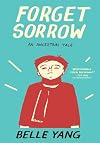
With a lilting voice and a strongly etched fairy tale hand, writer/artist Yang weaves a riveting true-life tale of ancestral jealousies and familial woes from her father's recollections of growing up in China. Her book begins with Yang in her 20s, recently graduated from college but unable to get herself out into the world, wounded by self-doubt and bad memories of an ex-boyfriend turned stalker. Back living with her immigrant parents in Carmel, Calif., Yang listens to her father's stories show more about his grandfather, a man of wealth and stature whose many feuding sons left the family dismally ill-prepared for the winds of change that WWII and Mao's revolution sent violently whipping through the land. Betrayal and infighting pockmark these stories of woe, though they're buttressed with an appreciation of an uncle's Buddhist disavowal of material possessions or desires. Yang's story, which balances her own struggles with those of her ancestors without clumsily trying to equate them, echoes both with the tragic darkness of King Lear and the clean austerity of classical Chinese poetry. show less
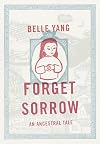
Belle Yang flees an abusive boyfriend turned violent stalker and returns to the home of her traditional Chinese parents. There she begins to heal herself and find her own voice by recording her father's ancestral tales, which involve sibling conflicts and the rise of communism.
I am fond of the graphic novel/memoir genre, and Yang works will with the form. I was a little slow getting into this, but as the two intertwined stories progress, I became deeply engrossed. The characters come show more through the simple artwork full of life and vigor. I found myself fascinated by the subtle way Yang evoked culture and shared the intersecting family dynamics that can create conflict. No one is vilified; no one is idolized. People are a complicated mix. Reading this memoir, I felt a sense of familiarity with the family as whole, and compassion for every single family member. This is subtly moving book that I would certainly recommend to others. show less
I am fond of the graphic novel/memoir genre, and Yang works will with the form. I was a little slow getting into this, but as the two intertwined stories progress, I became deeply engrossed. The characters come show more through the simple artwork full of life and vigor. I found myself fascinated by the subtle way Yang evoked culture and shared the intersecting family dynamics that can create conflict. No one is vilified; no one is idolized. People are a complicated mix. Reading this memoir, I felt a sense of familiarity with the family as whole, and compassion for every single family member. This is subtly moving book that I would certainly recommend to others. show less
This review was written for LibraryThing Early Reviewers.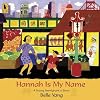
This is a cute, hope-filled story about seeking freedom and a better life. Na-Li and her family immigrated from Taiwan to the United States where they wait for their green cards. She has to navigate her way through a different culture, school, language, and even a new name: Hannah. After months of anxiously waiting they receive their green card, and Hannah finally feels that America is home.
Writing in Hannah’s point of view was a charming touch. By doing so I feel as though we aren’t show more just reading about her life, we are being taken on her journey. Children also tend to be more honest with their thoughts and emotions and I think Yang really portrayed that.
I like how the time period is left anonymous until she adds the detail of Martin Luther King’s death. It also makes it a more special and genuine story knowing it is based off of the author’s early years in America in the 1960s. Yang’s rich illustrations brought all of the words and emotions to life.
This was a sincere and authentic story of hope, family, and opportunity. show less
Writing in Hannah’s point of view was a charming touch. By doing so I feel as though we aren’t show more just reading about her life, we are being taken on her journey. Children also tend to be more honest with their thoughts and emotions and I think Yang really portrayed that.
I like how the time period is left anonymous until she adds the detail of Martin Luther King’s death. It also makes it a more special and genuine story knowing it is based off of the author’s early years in America in the 1960s. Yang’s rich illustrations brought all of the words and emotions to life.
This was a sincere and authentic story of hope, family, and opportunity. show less
Lists
Awards


You May Also Like


Associated Authors
Statistics
- Works
- 12
- Also by
- 1
- Members
- 638
- Popularity
- #39,509
- Rating
- 3.7
- Reviews
- 50
- ISBNs
- 32
- Languages
- 5

