
Chris Crowe
Author of Mississippi Trial, 1955
About the Author
Image credit: Brigham Young University
Works by Chris Crowe
Associated Works
Saints Well Seasoned: Musings on How Food Nourishes Us-- Body, Heart, and Soul (1998) — Contributor — 9 copies
Tagged
Common Knowledge
- Birthdate
- 20th Century
- Gender
- male
- Education
- Brigham Young University
Arizona State University - Occupations
- teacher
young adult writer
English professor - Organizations
- The Church of Jesus Christ of Latter-day Saints
Brigham Young University - Awards and honors
- Karl G. Maeser Distinguished Teacher Award (BYU, 2020)
- Agent
- Patricia J. Campbell
- Short biography
- Chris Crowe is a professor of English at Brigham Young University, and a specialist in young adult literature. The father of four children, Chris Crowe lives with his family in Utah. [adapted from Getting Away with Murder (2003)]
- Nationality
- USA
- Birthplace
- Danville, Illinois, USA
- Places of residence
- Provo, Utah, USA
- Associated Place (for map)
- USA
Members
Reviews
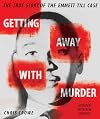
Chris Crowe’s take on the Emmett Till Case is as comprehensive and compelling a document that comes in at just over 120 pages. He wastes little time and space with hyperbole or sensationalism, gets to the heart of the matter, and sets the scenes with a global perspective – one gets the sense that you are reading a much larger, longer book. He is unsparing and hardly sentimental; true, it should not be hard to find one’s sympathies with Emmett and his mother, Mamie Till Bradley. But his show more honesty about the brutal, ugly face of racism in America is refreshing because it is free of preachy commentary: the facts are powerful enough. The truth is overwhelming enough, and yet, even faced with the truth, the good people of Mississippi valued their vaunted Southern chivalry, Christian lifestyle, and racist livelihoods more than returning a just verdict; at least they were true to the cause and sincere in their sentiments, and Crowe makes certain we feel disgust at their responses and reactions. His sparse and unsparing presentation is as stark and visceral as any photo, as though a documentary-maker's film continued running all throughout. His recreation of the courtroom scenes – accompanied by photographs from the trial itself – makes the reading feel as familiar to those of us already acquainted with these dastardly moments from American history. For mature students in the middle school grades or high school students. show less
This book strikes such a deep emotional chord that it is nearly as difficult to review as it was to read. With phrases such as “integration was a Communist/Socialist plot to destroy America” (p. 31) and a trial that played out like that of Trayvon Martin, I had to keep at the forefront of my mind that what I was reading did, in fact, happen more than 60 years ago. But it still happens today.
The author does a great job of focusing on the events of mid-century America and letting the show more reader draw his or her own connections to the modern day. He fully sets the stage for these events, including details such as the opening of McDonald’s, helping to transport readers into the past. The final chapter, “Aftershocks,” updates the events to the point of the fortieth anniversary of Emmett’s murder in 1995, but goes no further. A photograph of Mamie Till on that anniversary is the only non-contemporary photograph within the book. The many primary sources concretely place the reader in the 1950’s.
Throughout the book, “Black” is capitalized while “white” is not when referring to the color of a human’s skin. This gave me pause. After some research, I agreed with the author’s use of capitalization. An author’s note on his usage would have been important to include, especially to make this a better teaching tool and clarify his intentions to a young and impressionable audience. A time line, bibliography, and list of additional resources a great, but an index and glossary are noticeably missing and could have been helpful regarding this book being a teaching tool.
Despite being such a difficult book to digest, I highly recommend this book to anyone old enough to deal with the tragic subject matter and gruesome photograph of Emmett Till’s body. The description of the trial becomes tedious to read, but is entirely necessary to convey an understanding of how unfair were the proceedings. On page 60, the author describes his sources: trial transcripts and post-trial interviews. He points out that "where the sources don't agree, the trial testimony takes precedence over the...interviews." In other parts of the book, like on pages 54 and 55, he makes it clear that we do not and will never know exactly what words were said and what actions played out in that rural shop so many decades ago. He does not try to fill in unknown details for the sake of good story telling, but presents multiple viewpoints and accounts of the story, acknowledging contradictions and the fallacy of human memory. show less
The author does a great job of focusing on the events of mid-century America and letting the show more reader draw his or her own connections to the modern day. He fully sets the stage for these events, including details such as the opening of McDonald’s, helping to transport readers into the past. The final chapter, “Aftershocks,” updates the events to the point of the fortieth anniversary of Emmett’s murder in 1995, but goes no further. A photograph of Mamie Till on that anniversary is the only non-contemporary photograph within the book. The many primary sources concretely place the reader in the 1950’s.
Throughout the book, “Black” is capitalized while “white” is not when referring to the color of a human’s skin. This gave me pause. After some research, I agreed with the author’s use of capitalization. An author’s note on his usage would have been important to include, especially to make this a better teaching tool and clarify his intentions to a young and impressionable audience. A time line, bibliography, and list of additional resources a great, but an index and glossary are noticeably missing and could have been helpful regarding this book being a teaching tool.
Despite being such a difficult book to digest, I highly recommend this book to anyone old enough to deal with the tragic subject matter and gruesome photograph of Emmett Till’s body. The description of the trial becomes tedious to read, but is entirely necessary to convey an understanding of how unfair were the proceedings. On page 60, the author describes his sources: trial transcripts and post-trial interviews. He points out that "where the sources don't agree, the trial testimony takes precedence over the...interviews." In other parts of the book, like on pages 54 and 55, he makes it clear that we do not and will never know exactly what words were said and what actions played out in that rural shop so many decades ago. He does not try to fill in unknown details for the sake of good story telling, but presents multiple viewpoints and accounts of the story, acknowledging contradictions and the fallacy of human memory. show less
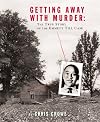
On a hot steamy August evening in the back woods of Money Mississippi, young fourteen year old boy Emmett Till and his cousins, despite the rules of Emmett's uncle, left church and drove a truck to a rural store. A checker game was happening on the front porch. Unlike Chicago, where Emmett lived with his mother and loving family, the south was very different. His mother had warned him of the southern ways and she was very reluctant to allow him to vacation there.
"Do not touch the hand of the show more white person who gives you change in a store." "Do not look a white person in the eyes." Be sure to say "yes mam and no sir." Even if you feel you are right, bow down to the whites!"
While Carolyn Bryant, wife of the owner of the Bryant Grocery & Meat Market, testified that this uppity negro boy entered the store, touched her hand and called her baby, as well as pulling her toward him, no one was in the store to see what she said occurred.
A fun loving young Emmett was not accustomed to the Jim Crow laws of the south. While the exact details of what Emmett said to the white, pretty, beauty-contest- winner wife of Roy Bryant, what he heard people tell him happened, was enough to enrage Roy and his step brother "Big J.W. Milam."
Roy Bryant was away in New Orleans delivering a load of shrimp. Thus, it took a few days until retribution was given to that uppity black boy from Chicago! When people near the shed where Emmett was killed, testified they heard screaming and beating, Bryant and Milman were placed in jail and accused of kidnapping.
A few days after the men took Emmett, his bloated, beaten-beyond recognition, body was found in the Tallahatchie river. At the trial, the defense lawyer would strongly state that since the body was so bloated, it was impossible to say it was Emmett Till. Even though, he wore a ring from his father, still the defense was adamant!
Bravely, strongly, Mamie Till, said, though Emmett's face had a bullet hole in it and was swollen, beaten beyond the ability to live, she knew the body of her boy! One brave strong journalist asked the judge during recession, if the body wasn't Emmett and it wasn't possible to identify if it was a black or white body, why then was it taken to the undertaker establishment of a black man!
During the trial, Mose Wright, uncle of Emmett Till , bravely took the stand and pointed to the men who came to his shack at 2 a.m. and demanded to take "the boy from Chicago." He let it be known that one of the men held a gun! In his bravery, he knew in the Jim Crow south, a black man could not point to a white man and testify against him while keeping his life afterward. After his testimony, he quickly left the state of Mississippi.
This book focuses on the travesty and lack of justice when Emmett's murderers were placed on trial. Admitting to kidnapping, both Roy and J.W. told the sheriff that they left Emmett go.
There were others in the shed who assisted in pistol whipping Emmett. Two of whom were hidden by the sheriff at the time of the trial. There was in fact no way a boy could live after breaking the strict rule of keeping black men away from white women. For "perhaps" swaggering into the store and calling Caroline Bryant "baby", the price Emmett paid was with his life.
Despite the fact that Roy and J.W. were not considered quality people by all who knew them, they were acquitted of murder.
Considered the event that ushered in the Civil Rights movement, Emmett's mother kept vigil at his casket as thousands marched past witnessing the horror of his badly beaten body. When she met the casket at the train station and the wooden box containing his body was opened, she bravely said "Let them see what they did to my son!" The sheriff of Money, Mississippi tried to get the body buried in the ground quickly. Emmitt's mother demanded that the body be returned to her and delivered by train to Chicago.
This beyond-brave mother stood witness to the murder of her son!
In the end, both Bryant and Milam were ostracized by people in the rural community, their popularity lessened. Blacks protested by not buying things at the Bryant store. Soon, both Bryant and Milam found it difficult to make ends meet. Even banks would not loan money to keep them afloat. Thus, when Look magazine promised $3,500 for the story of how they murdered Emmett, Bryant and Milam gladly, happily, gave up the details.
For all to read, these two near do wells, bragged about the murder. They said they had to uphold the rules that said NO black man can intermix with a white woman!
Known as the event that sparked the the Civil Rights movement, Rosa Parks said she had Emmett Till on her mind when she refused to give up her seat on the Montgomery, Alabama bus. As a result, a huge bus boycott occurred. These actions were major steps by blacks showing they were, as Rosa Parks said "tired!" and they had had enough.
Many reporters , attended the trial, most were disgusted beyond belief. Headlines in the New York Times and well-read magazines and newspapers nation, and world wide, wrote about the sad day that the state of Mississippi let the murderers of a black boy free to live their lives, while young Emmett Till's mother lost her only son to racist evil men. It was a sad day when white people were so threated and hell bent on keeping their Jim Crow ways of life, that they had to kill a young black boy.
As the author notes, In the foyer after the trial, a TV reporter asked Sheriff Strider if it was true that he had received threats and hate mail ever since Bryant and Milam had been arrested.
When reading this book, I discovered very black brave people who came forward to testify that they indeed heard the cries of a young man being savagely beaten. In addition, as this NPR article notes, this brave man told about seeing the body being loaded on the pick up truck...and the hosing down of the blood of Emmett Till from the truck used to transport his to the Tallachee river.
https://www.npr.org/sections/codeswitch/2013/07/25/205518505/Key-Witness-Against....
"I'm glad you asked me this." replied the sheriff. "I just want to tell all those people who've been sending me threatening letters that if they ever come down here, the same thing's gonna happen to them that happened to Emmett Till." Justice! Racist style.
While reading the book, I realized I previously read it. However, this time, as I read the tragedy, it sickened me more than ever! I cannot imagine the courage manifested by Mamie Till, and the horror of what she saw and felt. Her bravery sparked a movement that paved the way for future black people to say ENOUGH! show less
"Do not touch the hand of the show more white person who gives you change in a store." "Do not look a white person in the eyes." Be sure to say "yes mam and no sir." Even if you feel you are right, bow down to the whites!"
While Carolyn Bryant, wife of the owner of the Bryant Grocery & Meat Market, testified that this uppity negro boy entered the store, touched her hand and called her baby, as well as pulling her toward him, no one was in the store to see what she said occurred.
A fun loving young Emmett was not accustomed to the Jim Crow laws of the south. While the exact details of what Emmett said to the white, pretty, beauty-contest- winner wife of Roy Bryant, what he heard people tell him happened, was enough to enrage Roy and his step brother "Big J.W. Milam."
Roy Bryant was away in New Orleans delivering a load of shrimp. Thus, it took a few days until retribution was given to that uppity black boy from Chicago! When people near the shed where Emmett was killed, testified they heard screaming and beating, Bryant and Milman were placed in jail and accused of kidnapping.
A few days after the men took Emmett, his bloated, beaten-beyond recognition, body was found in the Tallahatchie river. At the trial, the defense lawyer would strongly state that since the body was so bloated, it was impossible to say it was Emmett Till. Even though, he wore a ring from his father, still the defense was adamant!
Bravely, strongly, Mamie Till, said, though Emmett's face had a bullet hole in it and was swollen, beaten beyond the ability to live, she knew the body of her boy! One brave strong journalist asked the judge during recession, if the body wasn't Emmett and it wasn't possible to identify if it was a black or white body, why then was it taken to the undertaker establishment of a black man!
During the trial, Mose Wright, uncle of Emmett Till , bravely took the stand and pointed to the men who came to his shack at 2 a.m. and demanded to take "the boy from Chicago." He let it be known that one of the men held a gun! In his bravery, he knew in the Jim Crow south, a black man could not point to a white man and testify against him while keeping his life afterward. After his testimony, he quickly left the state of Mississippi.
This book focuses on the travesty and lack of justice when Emmett's murderers were placed on trial. Admitting to kidnapping, both Roy and J.W. told the sheriff that they left Emmett go.
There were others in the shed who assisted in pistol whipping Emmett. Two of whom were hidden by the sheriff at the time of the trial. There was in fact no way a boy could live after breaking the strict rule of keeping black men away from white women. For "perhaps" swaggering into the store and calling Caroline Bryant "baby", the price Emmett paid was with his life.
Despite the fact that Roy and J.W. were not considered quality people by all who knew them, they were acquitted of murder.
Considered the event that ushered in the Civil Rights movement, Emmett's mother kept vigil at his casket as thousands marched past witnessing the horror of his badly beaten body. When she met the casket at the train station and the wooden box containing his body was opened, she bravely said "Let them see what they did to my son!" The sheriff of Money, Mississippi tried to get the body buried in the ground quickly. Emmitt's mother demanded that the body be returned to her and delivered by train to Chicago.
This beyond-brave mother stood witness to the murder of her son!
In the end, both Bryant and Milam were ostracized by people in the rural community, their popularity lessened. Blacks protested by not buying things at the Bryant store. Soon, both Bryant and Milam found it difficult to make ends meet. Even banks would not loan money to keep them afloat. Thus, when Look magazine promised $3,500 for the story of how they murdered Emmett, Bryant and Milam gladly, happily, gave up the details.
For all to read, these two near do wells, bragged about the murder. They said they had to uphold the rules that said NO black man can intermix with a white woman!
Known as the event that sparked the the Civil Rights movement, Rosa Parks said she had Emmett Till on her mind when she refused to give up her seat on the Montgomery, Alabama bus. As a result, a huge bus boycott occurred. These actions were major steps by blacks showing they were, as Rosa Parks said "tired!" and they had had enough.
Many reporters , attended the trial, most were disgusted beyond belief. Headlines in the New York Times and well-read magazines and newspapers nation, and world wide, wrote about the sad day that the state of Mississippi let the murderers of a black boy free to live their lives, while young Emmett Till's mother lost her only son to racist evil men. It was a sad day when white people were so threated and hell bent on keeping their Jim Crow ways of life, that they had to kill a young black boy.
As the author notes, In the foyer after the trial, a TV reporter asked Sheriff Strider if it was true that he had received threats and hate mail ever since Bryant and Milam had been arrested.
When reading this book, I discovered very black brave people who came forward to testify that they indeed heard the cries of a young man being savagely beaten. In addition, as this NPR article notes, this brave man told about seeing the body being loaded on the pick up truck...and the hosing down of the blood of Emmett Till from the truck used to transport his to the Tallachee river.
https://www.npr.org/sections/codeswitch/2013/07/25/205518505/Key-Witness-Against....
"I'm glad you asked me this." replied the sheriff. "I just want to tell all those people who've been sending me threatening letters that if they ever come down here, the same thing's gonna happen to them that happened to Emmett Till." Justice! Racist style.
While reading the book, I realized I previously read it. However, this time, as I read the tragedy, it sickened me more than ever! I cannot imagine the courage manifested by Mamie Till, and the horror of what she saw and felt. Her bravery sparked a movement that paved the way for future black people to say ENOUGH! show less
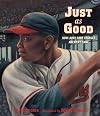
This book is set in the year 1947, when the world was making its way towards integration. Homer, an African American child, feels like his people are not represented in the baseball world. When Larry Doby shows up to play for the Indians, Homer is excited that someone of his skin color wins the World Series, and makes baseball history. This book kept me on the edge of my seat. The author hooked me in the moment a coach told Homer that black people don't play in the major leagues. I feel as show more if the author did that on purpose because throughout the rest of the story, I was rooting for Doby just so Homer could prove him wrong. I felt the excitement turning each page, as I intently read call by call for the World Series. The illustrator accurately depicted the emotion on the characters faces throughout the book. This book shares a bigger picture of inclusion, and the importance that no matter what color your skin is, you can succeed at anything.
The setting affected the story in a significant way because it was set in the time where segregation was still prominent. If the author would have set the time period up different, the reader wouldn't have had the same feelings about how amazing it was that an African American was able to play for the Indians show less
The setting affected the story in a significant way because it was set in the time where segregation was still prominent. If the author would have set the time period up different, the reader wouldn't have had the same feelings about how amazing it was that an African American was able to play for the Indians show less
Lists
Awards


You May Also Like


Associated Authors
Statistics
- Works
- 13
- Also by
- 5
- Members
- 1,100
- Popularity
- #23,361
- Rating
- 4.0
- Reviews
- 40
- ISBNs
- 43