

Helen Dickson
Author of Rogue's Widow, Gentleman's Wife
About the Author
Image credit: Helen Dickson
Series
Works by Helen Dickson
Regency: Innocents & Intrigues: Marrying Miss Monkton / Beauty in Breeches (2012) — Author — 5 copies
Doris of the Sunshine Ranch 1 copy
Harlequin Historical January 2019 - Box Set 2 of 2 — Author — 1 copy
The Countess He Can't Have 1 copy
Harlequin Historical January 2026 - Box Set 1 of 2 — Author — 1 copy
Associated Works
Tagged
Common Knowledge
- Gender
- female
Members
Reviews
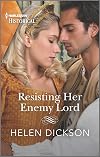
Good book. I enjoyed the unusual setting, as the English Civil War is rarely used in this genre. This book takes place in 1648, shortly after King Charles and the Royalists' defeat by the Parliamentarians.
Catherine was married off to her husband at the age of sixteen, and he left shortly after that to join the king and fight for the Royalists. For six years, Catherine protected the castle and its people from both sides. She quickly learned to take charge, depend on herself, and never show show more weakness. Then word came that her husband died, and his cousin John, a Parliamentarian, inherited the castle.
John Stratton didn't know what to expect, but it wasn't the beautiful, self-possessed woman dressed in breeches who met him. Unlike any woman he knows, Catherine fascinates him with the hint of vulnerability under her independent persona.
The sparks between John and Catherine fly from the beginning. Catherine doesn't know what to make of the feelings John stirs in her. Thomas's cruelty and neglect left her with a poor opinion of men and no intention of getting involved with another one. She finds John's open admiration and flirtatious ways suspect, but she isn't entirely immune to them. John makes no secret of his interest or attraction, but doing anything about it would be unwise. Besides bringing her husband's body home, he has been tasked with escorting her to her father's home.
I liked watching the relationship develop between Catherine and John. Catherine is quite outspoken in her independence and makes no secret of her intention to live life her way. Her relationship with her father is strained at best, and she resists John's plans to take her to him until she learns he is dying. I liked that John doesn't try to force her but understands her well enough to appeal to her reason instead. They get to know each other a little better during their journey, and the attraction continues to grow. After their arrival, John stays at her father's home in between his duties at nearby Windsor. His position with the army keeps him busy, but Catherine remains on his mind.
Catherine's stay at her father's home is tension-filled. Her father remains as distant and unemotional as ever, her stepmother blows hot and cold, and Catherine senses there are secrets around every corner. The time she spends with John almost feels carefree in comparison, except for the simmering awareness between them. When they give in to the attraction, their feelings overwhelm them, and they decide it would be wrong to pursue them. Unfortunately, neither can forget. John realizes that he loves Catherine and wants more from her, but Catherine isn't ready. Then her father reveals some things about Catherine's husband, and knowing that John was aware of them hurts and infuriates her. Catherine's confrontation with John created hurt and anger on both sides. I liked that John knew her well enough to wait before clearing the air, but it took longer than expected for him to visit her. An unexpected twist left her uncertain about what to do. John's subsequent arrival and revealing of the whole story went a long way toward repairing their rift, though Catherine's news created a small bump in the process. I liked that they overcame it easily.
There were a few times I wanted to shake Catherine because of her stubbornness. Her attitude sometimes made things more difficult between herself and others, when a little more flexibility would have helped. John was also no angel, with his occasionally inappropriate flirting and his tendency to overprotectiveness.
The ending was terrific as they finally gave in to their love for each other. I liked seeing Catherine settle into his home and family, and the epilogue was a nice wrap-up. show less
Catherine was married off to her husband at the age of sixteen, and he left shortly after that to join the king and fight for the Royalists. For six years, Catherine protected the castle and its people from both sides. She quickly learned to take charge, depend on herself, and never show show more weakness. Then word came that her husband died, and his cousin John, a Parliamentarian, inherited the castle.
John Stratton didn't know what to expect, but it wasn't the beautiful, self-possessed woman dressed in breeches who met him. Unlike any woman he knows, Catherine fascinates him with the hint of vulnerability under her independent persona.
The sparks between John and Catherine fly from the beginning. Catherine doesn't know what to make of the feelings John stirs in her. Thomas's cruelty and neglect left her with a poor opinion of men and no intention of getting involved with another one. She finds John's open admiration and flirtatious ways suspect, but she isn't entirely immune to them. John makes no secret of his interest or attraction, but doing anything about it would be unwise. Besides bringing her husband's body home, he has been tasked with escorting her to her father's home.
I liked watching the relationship develop between Catherine and John. Catherine is quite outspoken in her independence and makes no secret of her intention to live life her way. Her relationship with her father is strained at best, and she resists John's plans to take her to him until she learns he is dying. I liked that John doesn't try to force her but understands her well enough to appeal to her reason instead. They get to know each other a little better during their journey, and the attraction continues to grow. After their arrival, John stays at her father's home in between his duties at nearby Windsor. His position with the army keeps him busy, but Catherine remains on his mind.
Catherine's stay at her father's home is tension-filled. Her father remains as distant and unemotional as ever, her stepmother blows hot and cold, and Catherine senses there are secrets around every corner. The time she spends with John almost feels carefree in comparison, except for the simmering awareness between them. When they give in to the attraction, their feelings overwhelm them, and they decide it would be wrong to pursue them. Unfortunately, neither can forget. John realizes that he loves Catherine and wants more from her, but Catherine isn't ready. Then her father reveals some things about Catherine's husband, and knowing that John was aware of them hurts and infuriates her. Catherine's confrontation with John created hurt and anger on both sides. I liked that John knew her well enough to wait before clearing the air, but it took longer than expected for him to visit her. An unexpected twist left her uncertain about what to do. John's subsequent arrival and revealing of the whole story went a long way toward repairing their rift, though Catherine's news created a small bump in the process. I liked that they overcame it easily.
There were a few times I wanted to shake Catherine because of her stubbornness. Her attitude sometimes made things more difficult between herself and others, when a little more flexibility would have helped. John was also no angel, with his occasionally inappropriate flirting and his tendency to overprotectiveness.
The ending was terrific as they finally gave in to their love for each other. I liked seeing Catherine settle into his home and family, and the epilogue was a nice wrap-up. show less

Lord Ashurst grew up in India and this is where his heart lies. Now he has to take on the role of Lord of the manor and keep himself and the heir of an Indian throne alive. His estate is crumbling and he needs a wife, preferably a wealthy wife. When Rosa Ingram asks him to spare her sister, who has a man who loves her, and take her on. He's put out by her directness and he refuses, his ego is getting so far in the way he can't see the logic of the situation or get over his asshattery to see show more that he's attracted to her and she to him and that maybe, just maybe they could make a reasonable go of it.
And then he gets his own money and he gets even more patronising about it and the relationship and honestly I kinda wanted her to kick him where it would hurt and tell him to feck off, or even to negotiate a better situation for herself, but no, she folds like a cheap suit and it all becomes cliched.
I almost want an alternative story where she tells him where to go and finds a man who appreciates her more. show less
And then he gets his own money and he gets even more patronising about it and the relationship and honestly I kinda wanted her to kick him where it would hurt and tell him to feck off, or even to negotiate a better situation for herself, but no, she folds like a cheap suit and it all becomes cliched.
I almost want an alternative story where she tells him where to go and finds a man who appreciates her more. show less
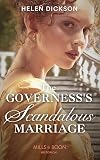
I do have some issues with men not being able to control themselves and guilting women into sex is a little off in stories. But then again having women not think about consequences of sex is also a common trope in these. I may need to take a break from the Historical Romances for a while, soon.
Linnet Osborne takes a job as a governess in order to make ends meet but is shocked when she discovers that her new employer is Christian, Lord Blakley with whom she had a passionate embrace that show more almost had her in a situation where she would have to marry him but she's determined to marry for love not for any other reason but he seems determined that love is an illusion. At the same time she thinks that the child she's teaching is his while actually it's his father's, which causes a mountain of misunderstanding which a solid conversation could have avoided.
Overall it's not a bad read, though some of the events feel a little forced. show less
Linnet Osborne takes a job as a governess in order to make ends meet but is shocked when she discovers that her new employer is Christian, Lord Blakley with whom she had a passionate embrace that show more almost had her in a situation where she would have to marry him but she's determined to marry for love not for any other reason but he seems determined that love is an illusion. At the same time she thinks that the child she's teaching is his while actually it's his father's, which causes a mountain of misunderstanding which a solid conversation could have avoided.
Overall it's not a bad read, though some of the events feel a little forced. show less

Now this is listed as a regency period novel, the regency period ended in 1820 and the first public railways were in 1830, and there are a few rail trips in this, this feels more Victorian than Regency to me and several other reviewers have commented on this. This book belongs to a nebulous 19th Century period that's a bit vague but you can see a certain amount of social changes happening. Also the more organised Archaeological expeditions that are alluded to are more from the late 19th than show more the early 19th Century.
Lord Lansbury doesn't trust romance, when he was younger a romance broke his heart and now he doesn't believe in love, but he's attracted to Jane Mortimer, who is acting as companion to his sister.
Jane is trying to work out her place in the world after spending her youth following her father on his Archaeological expeditions, she knows that he left her money but while it's being sorted she feels that she has to be doing something and when the role of companion to Lord Lansbury's sister came up she thought it offered her both something to do and time to work on her father's papers. She didn't expect to become attracted to the Lord, but she wants romance and he's soured on love.
Not to bad but not really a regency novel, if it had been presented as a historical I would have been happier. show less
Lord Lansbury doesn't trust romance, when he was younger a romance broke his heart and now he doesn't believe in love, but he's attracted to Jane Mortimer, who is acting as companion to his sister.
Jane is trying to work out her place in the world after spending her youth following her father on his Archaeological expeditions, she knows that he left her money but while it's being sorted she feels that she has to be doing something and when the role of companion to Lord Lansbury's sister came up she thought it offered her both something to do and time to work on her father's papers. She didn't expect to become attracted to the Lord, but she wants romance and he's soured on love.
Not to bad but not really a regency novel, if it had been presented as a historical I would have been happier. show less
You May Also Like


Associated Authors
Statistics
- Works
- 88
- Also by
- 1
- Members
- 559
- Popularity
- #44,692
- Rating
- 2.8
- Reviews
- 18
- ISBNs
- 325
- Languages
- 6