
Elizabeth Reis
Author of Damned Women: Sinners and Witches in Puritan New England
About the Author
Elizabeth Reis is an associate professor in the Women's and Gender Studies Department and the History Department at the University of Oregon and author of Damned Women: Sinners and Witches in Puritan New England.
Works by Elizabeth Reis
Pesquisa de mercados 1 copy
Associated Works
New perspectives on witchcraft, magic and demonology. Volume 1, Demonology, religion, and witchcraft (2001) — Contributor — 4 copies
Tagged
Common Knowledge
- Gender
- female
- Occupations
- history professor
- Organizations
- University of Oregon
- Nationality
- USA
- Associated Place (for map)
- USA
Members
Reviews
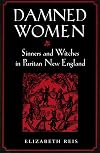
Reis explores the witch trials in light of specific religious beliefs--in particular, the Puritan idea of the soul being feminine in nature. This sets the stage for the soul to be the weak point in a person's religious convictions. By exploring this angle of the religious landscape of the time, Reis argues that the belief was so embedded that it led to women being accused more often of being witches even by other women. While men also carried a feminine soul, men had the advantage (in this show more view) of physical strength to help ward off the influence of the devil. All of this provides some additional context to why women were more often accused and convicted of being witches. Reis also argues that it is simplistic to discount this aspect of the society when considering possible motivations in the witch trials.
Further Reis provides a discussion of the nature of the devil. During the period that spawned the witch trials, the devil was very much a living breathing thing in the midst of the community. As the fervor of the witch trials wains and the first Great Awakening approaches, the devil is very much confined to hell and becomes less solid. Temptation becomes more the focus than the direct influence of the devil.
This book taken along with American Jezebel provides an interesting insight into the religious conversations that were fueling much of the narrative at the time. show less
Further Reis provides a discussion of the nature of the devil. During the period that spawned the witch trials, the devil was very much a living breathing thing in the midst of the community. As the fervor of the witch trials wains and the first Great Awakening approaches, the devil is very much confined to hell and becomes less solid. Temptation becomes more the focus than the direct influence of the devil.
This book taken along with American Jezebel provides an interesting insight into the religious conversations that were fueling much of the narrative at the time. show less
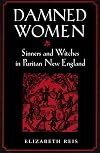
Damned Women: Sinners and Witches in Puritan New England would more effectively address the economic, religious, and social lives of New England Puritan women with respect to work, worship and social presence had Elizabeth Reiss not attempted to provide an understanding of both the issue of “how Puritanism functioned as lived religion and how gender was constructed socially.” (xiv, xv, 3) If Reiss excluded the chapters “Popular and Ministerial Visions of Satan” and “Satan show more Dispossessed,” Damned Women would deliver more succinctly the message implied by its title. Only in the chapter titled, “Women’s Sinful Natures and Men’s Natural Sins” does Reiss meld both topics into one cohesive delineation of Puritanism as a lived religion for women. While Reiss thoroughly supports her positions on the social constructs of gender, her attempt to provide a comprehensive view of Puritan theology she includes extraneous details that detract from the damned if they did and damned if they denied quandary Puritan women accused of sins or witchcraft faced.
Reiss does an excellent job of segregating the feminine characteristics of the soul from characteristics of feminine sensuality. Three points Reiss makes that highlight this separation are: Thomas Shepherd’s sin of pride and sensuality for which his wife was punished with an arduous labor; Jacob Moline and his wife’s court proceedings for premarital fornication; and Ann Lake’s execution for aborting an illegitimate pregnancy. (41, 129, 122) These sexual sins represent the inherent evil in the female form. This is important as sexual references are linked to Satan and witchcraft. As some believe Satan gained carnal knowledge of Eve before God expulsion from the Garden of Eden in the Genesis story, those who searched for physical signs of possession on the accused in witch trials looked for teats and evidence of sexual suckling. “The soul left unguarded would fall victim to Satan’s invasion; his potent intrusion was best described in sexual terms, as a rape.” (106)
While Reiss, supports her arguments well, Damned Women would best deliver on its title if chapters two and five were excluded. While the contemporary theological explanation is helpful in understanding why women may have been motivated or coerced into witchcraft confessions, Reiss could better serve her reader by intertwining some of these facts throughout other areas of the text. For example, it is imperative for the reader to know that witchcraft trials blended folk culture and theology. (82) Given that the description of witches and Satan varied by case, Reiss needed to introduce the “issue of whether the devil could assume shapes merged with the related concern of whether that metamorphosis implied consent.” (77) Reiss more effectively could include this question in “The Devil, the Body, and the Feminine Soul,” where she notes that “The Puritan’s early perception of women’s bodies and souls corresponded to their otherworldly believe in Satan’s powers” and “the supernatural behavior and power that they believed the devil conferred on his female and male witches.” (95)
The chapter, “Satan Dispossessed” read like independent text. Reiss attempts to write an eighteenth-century reflection on seventeenth-century gender and theological views during the twentieth-century. While it is interesting to know that while post-Salem Puritans still believed in Satan and “his ubiquitous intrusion was no longer credible,” they offer no insight into the damned woman about whom the book is written. (170) The lack of relevance is highlighted by the fact that early in the chapter, Reiss writes that both men and women “pushed the devil aside, but women’s sense of their natures remained more pessimistic right through the Great Awakening.” (165) show less
Reiss does an excellent job of segregating the feminine characteristics of the soul from characteristics of feminine sensuality. Three points Reiss makes that highlight this separation are: Thomas Shepherd’s sin of pride and sensuality for which his wife was punished with an arduous labor; Jacob Moline and his wife’s court proceedings for premarital fornication; and Ann Lake’s execution for aborting an illegitimate pregnancy. (41, 129, 122) These sexual sins represent the inherent evil in the female form. This is important as sexual references are linked to Satan and witchcraft. As some believe Satan gained carnal knowledge of Eve before God expulsion from the Garden of Eden in the Genesis story, those who searched for physical signs of possession on the accused in witch trials looked for teats and evidence of sexual suckling. “The soul left unguarded would fall victim to Satan’s invasion; his potent intrusion was best described in sexual terms, as a rape.” (106)
While Reiss, supports her arguments well, Damned Women would best deliver on its title if chapters two and five were excluded. While the contemporary theological explanation is helpful in understanding why women may have been motivated or coerced into witchcraft confessions, Reiss could better serve her reader by intertwining some of these facts throughout other areas of the text. For example, it is imperative for the reader to know that witchcraft trials blended folk culture and theology. (82) Given that the description of witches and Satan varied by case, Reiss needed to introduce the “issue of whether the devil could assume shapes merged with the related concern of whether that metamorphosis implied consent.” (77) Reiss more effectively could include this question in “The Devil, the Body, and the Feminine Soul,” where she notes that “The Puritan’s early perception of women’s bodies and souls corresponded to their otherworldly believe in Satan’s powers” and “the supernatural behavior and power that they believed the devil conferred on his female and male witches.” (95)
The chapter, “Satan Dispossessed” read like independent text. Reiss attempts to write an eighteenth-century reflection on seventeenth-century gender and theological views during the twentieth-century. While it is interesting to know that while post-Salem Puritans still believed in Satan and “his ubiquitous intrusion was no longer credible,” they offer no insight into the damned woman about whom the book is written. (170) The lack of relevance is highlighted by the fact that early in the chapter, Reiss writes that both men and women “pushed the devil aside, but women’s sense of their natures remained more pessimistic right through the Great Awakening.” (165) show less
Lists
You May Also Like


Associated Authors
Statistics
- Works
- 15
- Also by
- 3
- Members
- 339
- Popularity
- #70,284
- Rating
- 3.6
- Reviews
- 2
- ISBNs
- 23
- Languages
- 1