

Erwin W. Lutzer
Author of One Minute after You Die: A Preview of Your Final Destination
About the Author
Erwin W. Lutzer is pastor emeritus of The Moody Church in Chicago, where he served for over 35 years. A renowned theologian, Dr. Lutzer earned his BTh from Winnipeg Bible College, a ThM from Dallas Theological Seminary, an MA in philosophy from Loyola University, and an honorary LLD from the Simon show more Greenleaf, School of Law. He is an award-winning author and the featured speaker on three radio programs that can be heard on more than 700 radio stations in the United States and around the world. Dr. Lutzer and his wife, Rebecca, live in the Chicago area and have three grown children and eight grandchildren. show less
Works by Erwin W. Lutzer
We Will Not Be Silenced: Responding Courageously to Our Culture's Assault on Christianity (2020) — Author — 536 copies, 6 reviews
The Doctrines that Divide: A Fresh Look at the Historic Doctrines that Separate Christians (1998) 531 copies, 3 reviews
Hitler's Cross: The Revealing Story of How the Cross of Christ Was Used As a Symbol of the Nazi Agenda (1995) 457 copies, 8 reviews
The Truth About Same Sex Marriage: 6 Things You Need to Know About What's Really at Stake (2004) 398 copies, 3 reviews
The Cross in the Shadow of the Crescent: An Informed Response to Islam’s War with Christianity (2013) 291 copies, 4 reviews
The Serpent of Paradise: The Incredible Story of How Satan's Rebellion Serves God's Purposes (1996) 220 copies, 1 review
Seven Convincing Miracles: Understanding the Claims of Christ in Today's Culture (1999) 138 copies, 1 review
Is God on America's Side?: The Surprising Answer and How It Affects Our Future (2008) 130 copies, 1 review
God's Devil: The Incredible Story of How Satan's Rebellion Serves God's Purposes (2015) 85 copies, 1 review
The Necessity of Ethical Absolutes (Christian Free University Curriculum) (1981) 60 copies, 1 review
Why the Cross Can Do What Political Can't: When They See You Do They See Jesus? (1999) 58 copies, 1 review
The Eclipse of God: Our Nation's Disastrous Search for a More Inclusive Deity (and What We Must Do About It) (2024) 53 copies, 1 review
Making the Best of a Bad Decision: How to Put Your Regrets behind You, Embrace Grace, and Move toward a Better Future (2000) 43 copies
The morality gap;: An evangelical response to situation ethics, (Moody evangelical focus) (1972) 37 copies, 1 review
Heaven and the Afterlife: The Truth about Tomorrow and What it Means for Today (2016) 18 copies, 2 reviews
Will America Be Given Another Chance? a Message of Challenge and Hope for Today's Spiritual Crisis (1993) 14 copies
The last temptation of Christ: Its deception and what you should do about it (1988) 14 copies, 1 review
God's Devil Study Guide: The Incredible Story of How Satan's Rebellion Serves God's Purposes (2015) 11 copies
We Will Not Be Silenced Workbook: Responding Courageously to Our Culture's Assault on Christianity (2021) 10 copies
Prepare Your Heart For An Uncertain Future: Final Words Of Warning And Comfort From Jesus To His Followers (2022) 8 copies
Christians Politics and the Cross: An urgent plea for the church to return to its mission (2020) 7 copies
Prayer that makes a difference 5 copies
Issues of Eternity Boxed Set- Lutzer: One Minute, How to be Sure, Your Eternal Reward (1998) 4 copies
Spend Eternity with God 3 copies
God, Why me? 3 copies
New Age 2 copies
Disciplines that Grow Godliness 2 copies
De Pastor Para Pastor 2 copies
Cine ești tu, ca să judeci? 2 copies
the master of death 2 copies
Foundations of the faith 2 copies
The Inheritance Of The Redeemed: Claiming The Spiritual Treasures That Are Yours In Christ (2023) 2 copies
The Church in Babylon - 10 Sermons 2 copies
The Flurry of Wings 2 copies
OVERCOMMING GRASSHOPPER COMPLEX 2 copies
THESERPENT OF PARADISE 2 copies
What We Believe - 10 Sermons 1 copy
Cum sa Ajungi sa Spui NU 1 copy
Guard Your Heart 3-disc set 1 copy
Restoring the Soul: Positive Healing in an Age of Brokenness (Moody Church Masterpiece Series - DVD) (2000) 1 copy
Rasplatirea ta Eterna 1 copy
God and the Nations 1 copy
Over leven na dit leven 1 copy
Cómo Controlar Sus Emociones 1 copy
Werde Herr deiner Gefühle! 1 copy
Rescued! - 12 Sermons 1 copy
The Drama Of Redemption - 1 copy
Brokenness - 4 Sermons 1 copy
Guard Your Heart - 6 Sermons 1 copy
What Is God Up To? 8 Sermons 1 copy
Strength For The Journey - 1 copy
Are We Making Sin Too Easy? 1 copy
Matters of Life and Death 1 copy
Queen of the Reformation 1 copy
a good man falls, When 1 copy
The Minute After You Die 1 copy
You Can Trust the Bible 1 copy
Siete Trampas del Enemigo: Liberese de las Garras del Demonio = Seven Snares of the Enemy (2003) 1 copy
Christus der Einzige 1 copy
Tagged
Common Knowledge
- Other names
- 呂德夏
- Birthdate
- 1941-10-03
- Gender
- male
- Organizations
- Moody Church
- Nationality
- Canada
- Places of residence
- Chicago, Illinois, USA
- Associated Place (for map)
- Chicago, Illinois, USA
Members
Reviews
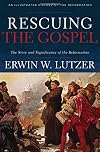
Rescuing the Gospel: The Story and Significance of the Reformation is a gift to the modern church. With the 500 year anniversary of the reformation just around the corner, the market seems to be flooded with books on the Reformers and the ideas that drove them. What makes this book special is that Erwin Lutzer makes history come alive to the reader. Using plain English, Rescuing the Gospel, will appeal to clergy and interested laity alike.
I love the fact that Lutzer dares to deal with both show more the triumphs and the failures of Martin Luther. Unlike many biographers, Lutzer deals squarely with Luther's role in the Peasant Revolt and his anti-Semite comments. These foibles aside, most of the book addresses the courage and resolve of Luther to confront abuses within the Church. The Lord used Luther to bring reform and correction into the body of Christ. His contributions are monumental. Rescuing the Gospel makes his story relevant to a brand new generation of (woefully ignorant in the field of church history) readers.
If there is a flaw in Rescuing the Gospel, it is the way it treats Zwingi, Calvin, and the Anabaptists. They are barely an afterthought in this otherwise fine book. I understand that including their stories would have vastly expanded this work, but I would have loved to read what Lutzer would say about them.
Finally, Lutzer asks, "Is the Reformation over?" I find his conclusions, while blunt, to be honest and compelling. Those who think through ecumenical lenses won't appreciate his positions; they are far to emphatic. Lutzer does a tremendous job of demonstrating that the doctrinal issues that once fueled the Reformers are still alive and well today. In that sense, the Reformation is still unresolved. show less
I love the fact that Lutzer dares to deal with both show more the triumphs and the failures of Martin Luther. Unlike many biographers, Lutzer deals squarely with Luther's role in the Peasant Revolt and his anti-Semite comments. These foibles aside, most of the book addresses the courage and resolve of Luther to confront abuses within the Church. The Lord used Luther to bring reform and correction into the body of Christ. His contributions are monumental. Rescuing the Gospel makes his story relevant to a brand new generation of (woefully ignorant in the field of church history) readers.
If there is a flaw in Rescuing the Gospel, it is the way it treats Zwingi, Calvin, and the Anabaptists. They are barely an afterthought in this otherwise fine book. I understand that including their stories would have vastly expanded this work, but I would have loved to read what Lutzer would say about them.
Finally, Lutzer asks, "Is the Reformation over?" I find his conclusions, while blunt, to be honest and compelling. Those who think through ecumenical lenses won't appreciate his positions; they are far to emphatic. Lutzer does a tremendous job of demonstrating that the doctrinal issues that once fueled the Reformers are still alive and well today. In that sense, the Reformation is still unresolved. show less
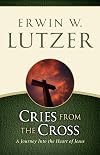
First sentence: Were you there when they crucified my Lord? As a child I wondered what those words could possibly mean. Obviously, the author of the hymn intended that we answer yes to the question. And yet, what could be clearer than the fact that I was not there when they crucified my Lord?
Cries from the Cross is a wonderful book--whether you are reading it for the first time or treating yourself to a reread. In this one, Lutzer is examining Jesus' words spoken from the cross. There show more is a chapter for each of Jesus' seven statements or 'cries.' There's also a preface, introduction, and epilogue that help set the book into context.
Do you know what Jesus' seven cries from the cross were? Have you considered how they can speak into your life--how they relate to you personally? If you haven't--or even if you have--it's worth pondering (again). I know that 'pondering' or 'meditating' or 'reflecting' takes time and that the average person prioritizes just about everything else over silence or quiet--but at what costs to our souls?
Here they are in the order in which he writes about them:
A Cry for Pardon: "Father, forgive them, for they do not know what they are doing." (Luke 23:34)
A Cry of Assurance: "Today you will be with me in paradise." (Luke 23:43)
A Cry of Compassion: "Dear woman, here is your son...Here is your mother." (John 19:26-27)
A Cry of Anguish: "My God, my God, why have you forsaken me?" (Matthew 27:46)
A Cry of Suffering: "I am thirsty." (John 19:28)
A Cry of Victory: "It is finished." (John 19:30)
A Cry of Submission: "Father, into your hands I commit my spirit." (Luke 23:46)
Lutzer clearly and passionately shares the gospel message--that old, old story--that gospel message that when empowered by the Spirit--through the Spirit--can transform lives and take people out of darkness and into the light.
I love, love, love, love, LOVE this one. It is a thrilling read. This was my second or perhaps third time to read it.
Quotes:
To stand at the foot fo the cross is to witness the purpose for which God created the world. Here we see the attributes of God on display; and if we look carefully, we will see ourselves, with all of our needs, sins, and self-deceptions. Thankfully, it is at the cross that God chose to remove His wrath from those who would humbly trust Christ as their sin-bearer. (11)
The cross properly understood exalts no one whom it first does not humble; it gives life only to those whom it first "puts to death." The cross exposes the futility of our self-righteousness; it reminds us that we are sinners, incapable of bringing about our own reconciliation with God. Before the cross we can only stand with bowed heads and a broken spirit. (16)
Unless we see ourselves as deserving of the verdict that Pilate gave to Jesus, unless we see ourselves as worthy of hell, we will never understand the Cross. Someone has said that it is difficult for us to embrace the cross in a day when personal enjoyment is king. Contrary to popular belief, the central message of Christianity is not the Sermon on the Mount or Jesus' parables about love toward one's neighbor. The message that changed the first-century world was that human beings are guilty, helplessly guilty of sins for which they cannot atone. The cross shatters all pride and undercuts the ultimate value of self-effort. The cross stands as proof of God's great love but also reveals our own ugliness. (17)
The church can only live and breathe at the cross; without it, there is no life and no reason to exist. Properly proclaimed, it is "the power of God unto salvation." (19)
Jesus' suffering was terrible for the simple reason that our sin is terrible. (20)
No one can experience the eternal favor of God if they bypass the cross. (25)
Christ was forsaken that we might not be; He experienced hell that we might experience heaven. (28)
Forgiveness sounds like a marvelous idea until you are the one who has to do it. (33)
Words of forgiveness came from His lips when the nails were being driven into His body, when the pain was fiercest, when the jolts of anguish were the sharpest; He prayed as the cross was lowered into the hole with a thud. It was then, when His nerves were yet the most tender, when the pain was the most unfathomable, He who was the victim of history's greatest crime prayed for the criminals. He could forgive because He was about His Father's business. (36-7)
God never lowers His standard of justice to the level of our ignorance. Sins committed in ignorance are still sins. The guilt of those who crucified Jesus was real and objective regardless of how much they understood or did not understand. (41)
We have no idea of the greatness of our sin because we do not understand the greatness of our God. But we have fewer excuses today than ever; we have no reason to turn away from the savior who left us powerful witnesses to His authenticity. (42)
The prayer was not for those who did not want to be forgiven, but for those who would seek it. (45)
Are some sins "unpardonable"? The answer is no, for if the murder of the Son of God was "forgivable" for those who sought forgiveness, then all sins can be forgiven. (46)
There is no unpardonable sin for those who come to Christ for forgiveness. For those who refuse Him, all sins are unpardonable. (46)
He who needed no forgiveness died for those of us who are condemned without it. (47)
Although God forgives us because of Christ, it is neither His job nor His obligation to do so. He forgives us because of undeserved mercy toward us whose just punishment is hell. The cross is the bridge of redeeming love; on it, we walk across the chasm to God, who graciously provided forgiveness for those who believe. If we do not understand this, we do not understand the gospel. (47)
At His birth He was surrounded by beasts, and, now in His death, with criminals. Let no one say God has stayed aloof from the brokenness of our fallen world. He descended that we might ascend with Him to newness of life. (54)
Helplessness is not a curse if it draws us to the only One who can help us. Indeed, if we are not helpless, we cannot be saved. (56)
Jesus was numbered with the transgressors so that you and I could be numbered with the redeemed. Though personally sinless, He was counted as a transgressor by both God and man. He got what He didn't deserve, namely, our sin; and we got what we didn't deserve, namely, His righteousness. (66)
Warren Wiersbe points out that this man was not saved at his last opportunity, but at his first opportunity. (68)
The thief's forgiveness reminds us that there is more grace in God's heart than sin in our past. (69)
If we had been there, how close would we have stood to the cross? Nearby or at a comfortable distance? Would we have been intimidated by the mob, or would we have gladly let the angry rabble-rousers know that we were followers of the Man hanging on the middle cross? Would we stand nearby even if the cross cost us as much as it cost Christ? (82)
Christ did not die to make the Father loving, for He loved us from the foundation of the world. (89)
The first purpose of the cross was not for us, but for God. Yes, Jesus shed His blood for us, but it is even more true to say that He shed His blood for the Father. When the blood was sprinkled on the doorposts of the houses in Egypt, it was put there for the benefit of the families, but it was also put there for God. Jehovah said, "When I see the blood, I will pass over you" (Exodus 12:13). (100)
Let us remember that He was forsaken by God that we might be accepted by Him... Jesus went through darkness that we might have light. He was cursed that we might be blessed. He was condemned that we might be able to say, "Therefore there is now no condemnation for those who are in Christ Jesus" (Romans 8:1). He suffered hell for us so that we can enjoy heaven with Him. (103)
Either Jesus bears our sin, or we do. If the Father turned His face away from His beloved Son when He was regarded as a sinner, we can be sure that the Father will turn away from every sinner who stands before the Judgement Bar on his own merits. We are either saved by His rejection, or we must bear our own rejection for all of eternity. If those who are in hell should cry, "Why have You forsaken me?" heaven shall remain silent, for they receive the just recompense for their deeds. (103-4)
As Matthew Henry put it, "The torments of hell are represented by a violent thirst, in the complaint of the rich man who begged for a drop of water to cool his tongue. To that everlasting thirst we had all been condemned, if Christ had not suffered on the cross." Hell is heightened desires with decreased satisfaction. Hell is the inflamed desires of the body, with no possibility of a drink. Hell is remembering the Living Water we could have enjoyed on earth that would have taken us to heaven. Hell is a lake of fire, a place of endless, unquenchable thirst. Thankfully, Jesus suffered parched lips that we might be able to drink from the wells of salvation. He endured the thirst of hell, so that its fires might be quenched for us. Of those in heaven we read, "Never again will they hunger; never again will they thirst. The sun will not beat upon them, nor any scorching heat. For the Lamb at the center of the throne will be their Shepherd; he will lead them to springs of living water. And God will wipe away every tear from their eyes" (Revelation 7:16-17). (115)
Jesus drank from the cup of death that we might be able to drink from the cup of life. (116)
If your spirit does not go into the hands of God for sakekeeping, it will go into the hands of God for judgment. (146) show less
Cries from the Cross is a wonderful book--whether you are reading it for the first time or treating yourself to a reread. In this one, Lutzer is examining Jesus' words spoken from the cross. There show more is a chapter for each of Jesus' seven statements or 'cries.' There's also a preface, introduction, and epilogue that help set the book into context.
Do you know what Jesus' seven cries from the cross were? Have you considered how they can speak into your life--how they relate to you personally? If you haven't--or even if you have--it's worth pondering (again). I know that 'pondering' or 'meditating' or 'reflecting' takes time and that the average person prioritizes just about everything else over silence or quiet--but at what costs to our souls?
Here they are in the order in which he writes about them:
A Cry for Pardon: "Father, forgive them, for they do not know what they are doing." (Luke 23:34)
A Cry of Assurance: "Today you will be with me in paradise." (Luke 23:43)
A Cry of Compassion: "Dear woman, here is your son...Here is your mother." (John 19:26-27)
A Cry of Anguish: "My God, my God, why have you forsaken me?" (Matthew 27:46)
A Cry of Suffering: "I am thirsty." (John 19:28)
A Cry of Victory: "It is finished." (John 19:30)
A Cry of Submission: "Father, into your hands I commit my spirit." (Luke 23:46)
Lutzer clearly and passionately shares the gospel message--that old, old story--that gospel message that when empowered by the Spirit--through the Spirit--can transform lives and take people out of darkness and into the light.
I love, love, love, love, LOVE this one. It is a thrilling read. This was my second or perhaps third time to read it.
Quotes:
To stand at the foot fo the cross is to witness the purpose for which God created the world. Here we see the attributes of God on display; and if we look carefully, we will see ourselves, with all of our needs, sins, and self-deceptions. Thankfully, it is at the cross that God chose to remove His wrath from those who would humbly trust Christ as their sin-bearer. (11)
The cross properly understood exalts no one whom it first does not humble; it gives life only to those whom it first "puts to death." The cross exposes the futility of our self-righteousness; it reminds us that we are sinners, incapable of bringing about our own reconciliation with God. Before the cross we can only stand with bowed heads and a broken spirit. (16)
Unless we see ourselves as deserving of the verdict that Pilate gave to Jesus, unless we see ourselves as worthy of hell, we will never understand the Cross. Someone has said that it is difficult for us to embrace the cross in a day when personal enjoyment is king. Contrary to popular belief, the central message of Christianity is not the Sermon on the Mount or Jesus' parables about love toward one's neighbor. The message that changed the first-century world was that human beings are guilty, helplessly guilty of sins for which they cannot atone. The cross shatters all pride and undercuts the ultimate value of self-effort. The cross stands as proof of God's great love but also reveals our own ugliness. (17)
The church can only live and breathe at the cross; without it, there is no life and no reason to exist. Properly proclaimed, it is "the power of God unto salvation." (19)
Jesus' suffering was terrible for the simple reason that our sin is terrible. (20)
No one can experience the eternal favor of God if they bypass the cross. (25)
Christ was forsaken that we might not be; He experienced hell that we might experience heaven. (28)
Forgiveness sounds like a marvelous idea until you are the one who has to do it. (33)
Words of forgiveness came from His lips when the nails were being driven into His body, when the pain was fiercest, when the jolts of anguish were the sharpest; He prayed as the cross was lowered into the hole with a thud. It was then, when His nerves were yet the most tender, when the pain was the most unfathomable, He who was the victim of history's greatest crime prayed for the criminals. He could forgive because He was about His Father's business. (36-7)
God never lowers His standard of justice to the level of our ignorance. Sins committed in ignorance are still sins. The guilt of those who crucified Jesus was real and objective regardless of how much they understood or did not understand. (41)
We have no idea of the greatness of our sin because we do not understand the greatness of our God. But we have fewer excuses today than ever; we have no reason to turn away from the savior who left us powerful witnesses to His authenticity. (42)
The prayer was not for those who did not want to be forgiven, but for those who would seek it. (45)
Are some sins "unpardonable"? The answer is no, for if the murder of the Son of God was "forgivable" for those who sought forgiveness, then all sins can be forgiven. (46)
There is no unpardonable sin for those who come to Christ for forgiveness. For those who refuse Him, all sins are unpardonable. (46)
He who needed no forgiveness died for those of us who are condemned without it. (47)
Although God forgives us because of Christ, it is neither His job nor His obligation to do so. He forgives us because of undeserved mercy toward us whose just punishment is hell. The cross is the bridge of redeeming love; on it, we walk across the chasm to God, who graciously provided forgiveness for those who believe. If we do not understand this, we do not understand the gospel. (47)
At His birth He was surrounded by beasts, and, now in His death, with criminals. Let no one say God has stayed aloof from the brokenness of our fallen world. He descended that we might ascend with Him to newness of life. (54)
Helplessness is not a curse if it draws us to the only One who can help us. Indeed, if we are not helpless, we cannot be saved. (56)
Jesus was numbered with the transgressors so that you and I could be numbered with the redeemed. Though personally sinless, He was counted as a transgressor by both God and man. He got what He didn't deserve, namely, our sin; and we got what we didn't deserve, namely, His righteousness. (66)
Warren Wiersbe points out that this man was not saved at his last opportunity, but at his first opportunity. (68)
The thief's forgiveness reminds us that there is more grace in God's heart than sin in our past. (69)
If we had been there, how close would we have stood to the cross? Nearby or at a comfortable distance? Would we have been intimidated by the mob, or would we have gladly let the angry rabble-rousers know that we were followers of the Man hanging on the middle cross? Would we stand nearby even if the cross cost us as much as it cost Christ? (82)
Christ did not die to make the Father loving, for He loved us from the foundation of the world. (89)
The first purpose of the cross was not for us, but for God. Yes, Jesus shed His blood for us, but it is even more true to say that He shed His blood for the Father. When the blood was sprinkled on the doorposts of the houses in Egypt, it was put there for the benefit of the families, but it was also put there for God. Jehovah said, "When I see the blood, I will pass over you" (Exodus 12:13). (100)
Let us remember that He was forsaken by God that we might be accepted by Him... Jesus went through darkness that we might have light. He was cursed that we might be blessed. He was condemned that we might be able to say, "Therefore there is now no condemnation for those who are in Christ Jesus" (Romans 8:1). He suffered hell for us so that we can enjoy heaven with Him. (103)
Either Jesus bears our sin, or we do. If the Father turned His face away from His beloved Son when He was regarded as a sinner, we can be sure that the Father will turn away from every sinner who stands before the Judgement Bar on his own merits. We are either saved by His rejection, or we must bear our own rejection for all of eternity. If those who are in hell should cry, "Why have You forsaken me?" heaven shall remain silent, for they receive the just recompense for their deeds. (103-4)
As Matthew Henry put it, "The torments of hell are represented by a violent thirst, in the complaint of the rich man who begged for a drop of water to cool his tongue. To that everlasting thirst we had all been condemned, if Christ had not suffered on the cross." Hell is heightened desires with decreased satisfaction. Hell is the inflamed desires of the body, with no possibility of a drink. Hell is remembering the Living Water we could have enjoyed on earth that would have taken us to heaven. Hell is a lake of fire, a place of endless, unquenchable thirst. Thankfully, Jesus suffered parched lips that we might be able to drink from the wells of salvation. He endured the thirst of hell, so that its fires might be quenched for us. Of those in heaven we read, "Never again will they hunger; never again will they thirst. The sun will not beat upon them, nor any scorching heat. For the Lamb at the center of the throne will be their Shepherd; he will lead them to springs of living water. And God will wipe away every tear from their eyes" (Revelation 7:16-17). (115)
Jesus drank from the cup of death that we might be able to drink from the cup of life. (116)
If your spirit does not go into the hands of God for sakekeeping, it will go into the hands of God for judgment. (146) show less
The Eclipse of God: Our Nation's Disastrous Search for a More Inclusive Deity (and What We Must Do About It) by Erwin W. Lutzer
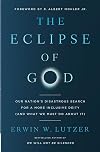
First sentence from the foreword: Any Christian living in this present age knows we are facing an epic crisis. That crisis is moral, but not merely moral. It is cultural but not merely cultural. It is ideological, but not merely ideological. At its heart, our crisis is theological.
First sentence from chapter one: C.S. Lewis wrote, "I believe in Christianity as I believe that the Sun has risen, not only because I see it, but because by it I see everything else." But what happens when there show more is an eclipse of the sun? The moon comes between the earth and the sun, blocking the sunlight from reaching the Earth. As for the sun, it shines as brightly as ever, but its light is obscured.
The Eclipse of God is one of the best books I read in 2024. I highly recommend EVERYONE read this one. Will everyone who professes the name of Christ love it? Maybe. Maybe not. I could see how it might step on some toes here and there because it's very straight-forward, no nonsense.
It addresses the past, the present, and the future. How did we end up in this "epic crisis"? The book does a deep dive as to WHY we are in this huge mess. It explains everything so clearly, so succinctly that things start to make a LOT of sense. Plenty of books try to tackle the present problems facing society and culture without really taking the time to explain the evolution of ideas, of ideology, of all the isms.
The book doesn't dwell on the past to the exclusion of the present and future. It isn't so focused on society (and culture) that it isn't properly theology.
I underlined SO many passages. There were chapters that were so good I kept going back to reread them. show less
First sentence from chapter one: C.S. Lewis wrote, "I believe in Christianity as I believe that the Sun has risen, not only because I see it, but because by it I see everything else." But what happens when there show more is an eclipse of the sun? The moon comes between the earth and the sun, blocking the sunlight from reaching the Earth. As for the sun, it shines as brightly as ever, but its light is obscured.
The Eclipse of God is one of the best books I read in 2024. I highly recommend EVERYONE read this one. Will everyone who professes the name of Christ love it? Maybe. Maybe not. I could see how it might step on some toes here and there because it's very straight-forward, no nonsense.
It addresses the past, the present, and the future. How did we end up in this "epic crisis"? The book does a deep dive as to WHY we are in this huge mess. It explains everything so clearly, so succinctly that things start to make a LOT of sense. Plenty of books try to tackle the present problems facing society and culture without really taking the time to explain the evolution of ideas, of ideology, of all the isms.
The book doesn't dwell on the past to the exclusion of the present and future. It isn't so focused on society (and culture) that it isn't properly theology.
I underlined SO many passages. There were chapters that were so good I kept going back to reread them. show less

My Twitter feed just happens to be a place where ministry updates and book lover thoughts collide, and when I saw several people raving about this book, I decided to review it next. I was pretty sure I would love Lutzer's style of writing, and I wasn't disappointed. Like Rescuing the Gospel, Lutzer writes with clarity and detail, yet in a conversational style.
This year I have been drawn to the history during World War 2 and have already read several historical novels of the time period. show more While much of the history is tragic, I enjoy the life reminders and accounts of people who were willing to stand up for what they believed despite the cost.
Hitler's Cross is a little deeper though. Many people believe the Holocaust never happened. Others shake their heads and wonder what kind of man Hitler must have been to carry out such an awful role. But despite some obviously glaring differences, Hitler was an average man. He believed himself a Christian, he was very "spiritual", and he was deeply involved with the public, even before his rise to power. He knew people and he knew politics, and he used these both (if somewhat unfairly) to place himself on the "throne" when the people needed him most. The conflict of church and state, the Treaty of Versailles, and general instability of the nation, gave Hitler the abililty to comfort the people and demonstrate his leadership. I appreciated understanding how Hitler used religion and spirituality in his life. I do not doubt that he was involved in Satanic and demonic activity, but hearing it from Lutzer clearly demonstrated that the terms "Christian" and "spirituality" mean many things to people.
Hitler didn't rely simply on his own mind and thoughts to bring a massive change to his country. There were psychologists, speakers, and authors that Hitler drew from or promoted (with or without knowing it). Men such as Karl Marx, Georg Hegel, Friedrich Nietzsche, and Fyodor Dostoyevsky profoundly shaped the thinking of Hitler.
I loved Lutzer's thread of Providence through this whole book. Despite the horrific deeds of Hitler, we see God (or as he believes "Fate") leading the events of history and being specifically involved in Hitler's life. Lutzer deals with the role of Fate and God in this book and clearly explains the terms and how each were demonstrated in history. Lutzer unpacks the anit-semitism of the time period, and tackles the topic of who was in charge: God or Hitler. This book is full of interesting history, along with the stories of Deitrich Bonhoeffer and Martin Niemoller (this man's testimony is so encouraging--never heard of him until this book), and quotes from various other men and women who decided to speak out for those who couldn't. I also appreciated learning about the German Christians. They were a group who sat on the fence regarding issues much of the time. Some kept preaching but did it secretly, while others decided to go along with Hitler's demands so they wouldn't be arrested. But some, not under the label of German Christians, decided to preach the Gospel and suffer if necessary, because God had called them to defend the poor and outcasts of society.
As Lutzer says, "Suffering gives the Cross its most enduring witness." Pick up this book if you get a chance, and thank God for the churches and invidividuals who decided to live fully while preparing to die.
*I received this book free from Moody Publishers. All opinions expressed are my own. show less
This year I have been drawn to the history during World War 2 and have already read several historical novels of the time period. show more While much of the history is tragic, I enjoy the life reminders and accounts of people who were willing to stand up for what they believed despite the cost.
Hitler's Cross is a little deeper though. Many people believe the Holocaust never happened. Others shake their heads and wonder what kind of man Hitler must have been to carry out such an awful role. But despite some obviously glaring differences, Hitler was an average man. He believed himself a Christian, he was very "spiritual", and he was deeply involved with the public, even before his rise to power. He knew people and he knew politics, and he used these both (if somewhat unfairly) to place himself on the "throne" when the people needed him most. The conflict of church and state, the Treaty of Versailles, and general instability of the nation, gave Hitler the abililty to comfort the people and demonstrate his leadership. I appreciated understanding how Hitler used religion and spirituality in his life. I do not doubt that he was involved in Satanic and demonic activity, but hearing it from Lutzer clearly demonstrated that the terms "Christian" and "spirituality" mean many things to people.
Hitler didn't rely simply on his own mind and thoughts to bring a massive change to his country. There were psychologists, speakers, and authors that Hitler drew from or promoted (with or without knowing it). Men such as Karl Marx, Georg Hegel, Friedrich Nietzsche, and Fyodor Dostoyevsky profoundly shaped the thinking of Hitler.
I loved Lutzer's thread of Providence through this whole book. Despite the horrific deeds of Hitler, we see God (or as he believes "Fate") leading the events of history and being specifically involved in Hitler's life. Lutzer deals with the role of Fate and God in this book and clearly explains the terms and how each were demonstrated in history. Lutzer unpacks the anit-semitism of the time period, and tackles the topic of who was in charge: God or Hitler. This book is full of interesting history, along with the stories of Deitrich Bonhoeffer and Martin Niemoller (this man's testimony is so encouraging--never heard of him until this book), and quotes from various other men and women who decided to speak out for those who couldn't. I also appreciated learning about the German Christians. They were a group who sat on the fence regarding issues much of the time. Some kept preaching but did it secretly, while others decided to go along with Hitler's demands so they wouldn't be arrested. But some, not under the label of German Christians, decided to preach the Gospel and suffer if necessary, because God had called them to defend the poor and outcasts of society.
As Lutzer says, "Suffering gives the Cross its most enduring witness." Pick up this book if you get a chance, and thank God for the churches and invidividuals who decided to live fully while preparing to die.
*I received this book free from Moody Publishers. All opinions expressed are my own. show less
You May Also Like


Associated Authors
Statistics
- Works
- 258
- Members
- 12,634
- Popularity
- #1,853
- Rating
- 3.9
- Reviews
- 138
- ISBNs
- 395
- Languages
- 12
- Favorited
- 4