

Robbin Gourley
Author of Bring Me Some Apples and I'll Make You a Pie: A Story About Edna Lewis
About the Author
Robbin Gourley is the author of Cakewalk, a collection of cake recipes. Her illustrations have appeared in the New York Times, Victoria magazine, and in numerous books. Born in North Carolina, where her grandmother taught her to bake, she lives with her husband and children in New York
Works by Robbin Gourley
Bring Me Some Apples and I'll Make You a Pie: A Story About Edna Lewis (2009) 191 copies, 14 reviews
Associated Works
Interaction Ritual - Essays on Face-to-Face Behavior (1967) — Cover designer, some editions — 463 copies, 1 review
Tagged
Common Knowledge
- Gender
- female
Members
Reviews

Growing up on her family's farm in Freetown, Virginia - a settlement of freed slaves co-founded by her grandfather - Edna Lewis learned that food tastes best when it's "sun-ripened and freshly picked," knowledge that would stand her in good stead in her future career as a chef. Bring Me Some Apples and I'll Make You a Pie is a fictionalized account of Lewis' childhood, of the seasonal crops - from spring strawberries and salad greens, to summer peaches and fall apples - she helped to gather, show more and the mouth-watering dishes made from them.
As my friend Lisa has already noted, Gourley's book is commendable, in that it makes fresh produce immensely appealing to young readers. I also liked that it ties the food on our tables to the crops on the land, emphasizes the natural growing seasons of the year, and highlights the achievements of an African-American woman who was a pioneer in many ways. The narrative incorporates folk sayings and rhymes from the American South, and is paired with vibrant, colorful watercolor illustrations, also done by Gourley. All in all, this is an appealing picture-book, both informative and entertaining! show less
As my friend Lisa has already noted, Gourley's book is commendable, in that it makes fresh produce immensely appealing to young readers. I also liked that it ties the food on our tables to the crops on the land, emphasizes the natural growing seasons of the year, and highlights the achievements of an African-American woman who was a pioneer in many ways. The narrative incorporates folk sayings and rhymes from the American South, and is paired with vibrant, colorful watercolor illustrations, also done by Gourley. All in all, this is an appealing picture-book, both informative and entertaining! show less
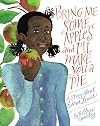
Edna Lewis was an African American chef and author best known for her books on traditional Southern cuisine and for her pioneering efforts in the natural foods movement. She won numerous awards for her cooking and her books, and was the first recipient of the James Beard Living Legend Award. This book tells about her childhood on a farm in Virginia, and harvesting and tasting the bounty of her family's farm. The text is mouth-watering and interspersed with folk sayings, songs, and rhymes. show more Delicate and enchanting watercolors capture the appeal of farm life, and there are even kid-friendly recipes included (Strawberry Shortcake, Corn Pudding, Apple Crisp, Pecan Drops, and Nut-butter Squares). If you don't finish this book craving a fresh peach pie with peach ice cream on top, you are a stronger person than I! show less
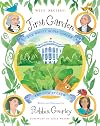
This lovely book provides a brief history of the White House and what has taken place throughout history on its lawns and in its gardens. For example, Jefferson grazed cattle on the South Lawn. Almost 200 years later, Amy Carter, daughter of Jimmy Carter, had slumber parties in her tree house on the South Lawn. In between, Woodrow Wilson grazed sheep on the lawn.
More than one first family has set up a garden on the White House grounds. This book focuses on the garden started by Michelle show more Obama in 2009. The author explains:
“As First Lady and as a mom, Mrs. Obama was concerned about the health of the American people. She believed we should think about what we eat and where our food comes from. And she wanted her family - all families - to become healthier by eating more vegetables and fruits and by eating meals together at the table.”
The author goes into detail about how Mrs. Obama set about putting in the garden with the help of fifth-grade students from a local elementary school. Some of the seeds came from plants first grown by Jefferson in his garden in Monticello. A beekeeper also installed a beehive nearby to provide a home for bees to pollinate the plants and make honey for the White House.
The author reports that it took only six weeks for the First Garden to start producing food ready to be harvested. Soon both salads and desserts were being made with fresh ingredients from the White House garden. Other produce from the garden went to Miriam’s Kitchen, a D.C. organization that helps to feed the homeless.
The author ends with a list of “Good Reasons to Garden” and a number of kid-friendly recipes that were distributed by the White House for dishes made from fresh fruits and vegetables. A list of further resources (including websites) is appended.
The author, who has written two cookbooks, is also the illustrator. She has created lovely watercolors that contrast the different green shades in the garden with the rich colors of vegetables.
Evaluation: Although a new presidential administration has replaced the Obamas in the White House, this book still has much to offer. It will educate young readers, who may be surprised that presidents and first ladies have grown their own food! As a latent benefit, it will teach children that bees are more than just insects to run away from. And it may also inspire them to start their own gardens. show less
More than one first family has set up a garden on the White House grounds. This book focuses on the garden started by Michelle show more Obama in 2009. The author explains:
“As First Lady and as a mom, Mrs. Obama was concerned about the health of the American people. She believed we should think about what we eat and where our food comes from. And she wanted her family - all families - to become healthier by eating more vegetables and fruits and by eating meals together at the table.”
The author goes into detail about how Mrs. Obama set about putting in the garden with the help of fifth-grade students from a local elementary school. Some of the seeds came from plants first grown by Jefferson in his garden in Monticello. A beekeeper also installed a beehive nearby to provide a home for bees to pollinate the plants and make honey for the White House.
The author reports that it took only six weeks for the First Garden to start producing food ready to be harvested. Soon both salads and desserts were being made with fresh ingredients from the White House garden. Other produce from the garden went to Miriam’s Kitchen, a D.C. organization that helps to feed the homeless.
The author ends with a list of “Good Reasons to Garden” and a number of kid-friendly recipes that were distributed by the White House for dishes made from fresh fruits and vegetables. A list of further resources (including websites) is appended.
The author, who has written two cookbooks, is also the illustrator. She has created lovely watercolors that contrast the different green shades in the garden with the rich colors of vegetables.
Evaluation: Although a new presidential administration has replaced the Obamas in the White House, this book still has much to offer. It will educate young readers, who may be surprised that presidents and first ladies have grown their own food! As a latent benefit, it will teach children that bees are more than just insects to run away from. And it may also inspire them to start their own gardens. show less
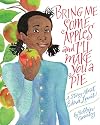
I really enjoyed this story and think that it is a heartwarming and educational book for elementary school students. This book is meant for children between the ages of 4 and 8, but I believe this book is too challenging for 4 and 5 year olds. The vocabulary is very advanced for young children. For example, children will not know the words “unfurl” and “ail”. There are also food and plant related words such as purslane, watercress, and sassafras that are not in an elementary school show more student’s vocabulary. Complex vocabulary words in stories create learning opportunities, but I believe that too many unknown words will detach the reader from the content of the book. Although an 8 year old child would not be familiar with all of these words, they have a better idea of how to use context clues than kindergarteners. There are cute songs and poems that the family recites in the field, such as “Sassafras heals what ails you. Sassafras makes you feel all right. Drink the tea in the morning and sleep all night.” These help provide context clues for certain vocabulary while including rhyming to make the story more interesting. My favorite part about this book was that it was based off of African American chef Edna Lewis’ childhood, which makes the characters very realistic and relatable. Lewis’s parents raised her to believe that loving the gardens and taking good care of them leads to happiness and longevity. This is the big idea of the story, which is a great message for any child. Even though most children are not working the fields or gardens, they can still apply this message about loving what you do to their hobbies and future careers. The recipes at the end of the story also help bring this relatable book to life. They give children the opportunity to apply this story about food and culture to the life skill of cooking. show less
Awards


You May Also Like


Associated Authors
Statistics
- Works
- 6
- Also by
- 5
- Members
- 466
- Popularity
- #52,774
- Rating
- 4.0
- Reviews
- 29
- ISBNs
- 20
- Languages
- 1