
Neil Sheehan (1936–2021)
Author of A Bright Shining Lie: John Paul Vann and America in Vietnam
About the Author
American journalist Cornelius Mahoney "Neil" Sheehan was born on October 27, 1936 in Holyoke, Massachusetts. In 1958 he received a B.A. from Harvard University. After serving in the U.S. Army from 1959 to 1962, Sheehan began working for the United Press International. Following a stint in the Tokyo show more bureau he worked as a bureau chief covering the Vietnam War for two years. Sheehan joined The New York Times in 1964 and reported from Indonesia and again Vietnam before becoming the Pentagon correspondent in 1966. He began reporting on the White House in 1968. In 1971 Sheehan published in The New York Times controversial details from the classified Pentagon Papers regarding the war in Vietnam. The government lost the resulting case, New York Times Co. v. United States, in which it had tried to halt these actions. Sheehan has written several bestselling books. He won a non-fiction Pulitzer Prize in 1989 for A Bright Shining Lie, considered to be one of the best books ever written about the Vietnam War. It also won the 1988 National Book Award for Nonfiction. He has also published The Arnheiter Affair, After the War Was Over, and A Fiery Peace in a Cold War. Neil Sheehan died in Washington, D. C. on January 7, 2021 at the age of 84. (Bowker Author Biography) show less
Works by Neil Sheehan
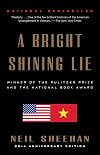
A Bright Shining Lie: John Paul Vann and America in Vietnam (1988) — Author — 2,453 copies, 35 reviews
The Pentagon Papers: As Published by the New York Times (1971) — Head of Editorial Committee; Commentaires — 727 copies, 1 review
A Fiery Peace in a Cold War: Bernard Schriever and the Ultimate Weapon (2009) 417 copies, 21 reviews
Associated Works
Booknotes: America's Finest Authors on Reading, Writing, and the Power of Ideas (1997) — Contributor — 459 copies, 5 reviews
Reporting Vietnam: American Journalism 1959-1969, Volume 1 (1998) — Contributor — 348 copies, 3 reviews
Shaking the Foundations: 200 Years of Investigative Journalism in America (Nation Books) (2003) — Contributor — 45 copies
Tagged
Common Knowledge
- Canonical name
- Sheehan, Neil
- Legal name
- Sheehan, Cornelius Mahoney
- Birthdate
- 1936-10-27
- Date of death
- 2021-01-07
- Gender
- male
- Education
- Harvard University (BA|1958)
Mount Hermon School - Occupations
- journalist
- Organizations
- United Press International
The New York Times
United States Army - Awards and honors
- Pulitzer Prize (1989)
National Book Award (1988) - Relationships
- Sheehan, Susan (1) (wife)
- Cause of death
- Parkinson's disease
- Nationality
- USA
- Birthplace
- Holyoke, Massachusetts, USA
- Places of residence
- Washington, D.C., USA
- Place of death
- Washington, D.C., USA
- Associated Place (for map)
- D.C., USA
Members
Reviews
Its certainly true that at times this book can be a bit of a slog. However, its also the best book I have ever read on the Vietnam War, and I have read a lot of them. Ostensibly a biography of John Paul Vann, an important figure in that war (and it does contain a biography of him), this book is so much more, using this one figure to examine every aspect of the conflict and the major players in it. It doesn't just explain what happened during the two decades of American involvement, but it show more goes a long way to explaining why things happened and why decisions were made. It is a fascinating piece of analysis of the people who shaped this conflict and what forces drove them to make decisions that, with the distance of time, seem so ridiculous to most of us now. If you have any interest in this conflict, I believe this is the one indispensable work that must be read. show less
Just like John Paul Vann was the "single essential American in Vietnam", A Bright Shining Lie is the single essential general history of the Vietnam War. Sheehan ably blends the overall history of the war, which we know all too well, with the career of one of it's strangest figures: the renegade Lt. Colonel, counter-insurgency expert, early war Cassandra and late war Dr. Pangloss, civilian General, good friend and depraved predator, who was John Paul Vann.
Lt. Col Vann went to Vietnam in show more 1962 as an adviser to an ARVN division in the Mekong Delta. An ambitious man and skilled soldier, he had some initial successes creating joint plans with his South Vietnamese counterpart, he was unable to force ARVN to fight to a conclusion with the Viet Cong, or mitigate the fundamentally corrupt nature of the Diem government. After the catastrophic battle of Ap Bac, which saw the Viet Cong stand and fight against helicopters and APCs for the first time, Vann began to oppose the relentless optimism of General Harkins and the Kennedy administration. Vann leaked his honest opinions about the incipient defeat to the Saigon press corps, including the author and David Halberstam (The Making of a Quagmire, The Best the the Brightest). Opposing the American strategy and the entire Pentagon bureaucracy, he argued for direct American control over the Vietnamese government to root out corruption, win over the rural peasantry, and contain the use of firepower in favor of an Americanized version of People's War. In after action reports and strategic leaks, Vann sacrificed his career to the truth, earning the admiration of the press corps as the most honest American officer of the war.
But this sacrifice was worthless, and a sop to his friends in the media. Behind the charismatic and energetic officer was a traumatized boy from the slums of Norfolk, the fatherless son of an alcoholic prostitute. Vann managed to make a career in the military, just missing WW2 and serving in Korea, but whether it was symbolic revenge on his mother or other issues, Vann's voracious sexual appetites destroyed first his marriage and then his career when a 15 year old babysitter accused him of raping her. Vann was acquitted, but the charge alone was enough to sink his chances of promotion to general. If he couldn't be on top in the Army, he wanted out.
The war was in Vann's blood like malaria, and after a dissatisfying year on civvie street he went back to Vietnam as a civilian with USAID. Believing himself more or less invulnerable to harm, Vann took insane risks driving rural roads beset with landmines and VC checkpoints (an aid was captured and spent 7 years in a VC prison camp), took up with two Vietnamese girlfriends, and fought a slow war in the bureaucracy that bore some fruit with the establishment of CORDS as a centralized arm for pacification, as opposed to scattered programs run through the State Department, the military, the CIA, Saigon, etc. Corruption in South Vietnam remained unsolved. Making alliances with McNamara's Office of Systems Analysis and Daniel Ellsberg (The Pentagon Papers) Vann survived bureaucratic infighting and the Tet Offensive to rise ever higher in the US government's efforts in South Vietnam, talking a new line that argued that with the Viet Cong decimated in the Tet offensive, victory was now possible. He thought NVA regulars were nearly as alien to the average South Vietnamese peasant as American soldiers, and that the political war could be won.
Vann's pacification campaign was little better than what had gone before, but he achieved his greatest success during the 1972 Easter Offensive. A fixture in Vietnam, and the senior American in II Corps, Vann took charge of the defenses, commanding two ARVN divisions, a paratrooper brigade, and all the attached American aviation assets, from light helicopters to strategic bombers. Vann was a demon in defense, omnipresent in his OH-58 Kiowa scout helicopter. He personally delivered supplies to besieged firebases, evacuated American advisers attacked by tanks, called in 'danger close' B-52 strikes and then flew over the crater fields taking potshots at stunned survivors with an M-16. Only Vann could have held the brittle ARVN command system together for the Battle of Kon Tum, which saved South Vietnam from being split in two by NVA tank columns. He had no time to celebrate his achievement, as his helicopter flew into a copse of trees returning from a victory celebration, killing everyone aboard in a fiery crash. Like a real world Colonel Kurtz, Vann went into Vietnam and became great and monstrous, too much so to ever return to America. The attendees at his funeral, the most senior men in the military, attested to Vann's success against all odds, but the fall of Saigon in 1975 rendered his efforts moot.
A Bright Shining Lie is the book that started me down this strange path. 45 or so Vietnam War books later, it still holds up as the best in its comprehensive sweep of the war from the 1930s to 1972, and its depiction of one of the wiser men who fought it. Yes, it's long. Yes, it's digressive on Vann's personal life, Vietnamese history, and the things Sheehan witnessed as a reporter. But it's the kind of true tribute that only a friend can make, with flaws and grand dreams treated with equal respect. This is a great book. show less
Lt. Col Vann went to Vietnam in show more 1962 as an adviser to an ARVN division in the Mekong Delta. An ambitious man and skilled soldier, he had some initial successes creating joint plans with his South Vietnamese counterpart, he was unable to force ARVN to fight to a conclusion with the Viet Cong, or mitigate the fundamentally corrupt nature of the Diem government. After the catastrophic battle of Ap Bac, which saw the Viet Cong stand and fight against helicopters and APCs for the first time, Vann began to oppose the relentless optimism of General Harkins and the Kennedy administration. Vann leaked his honest opinions about the incipient defeat to the Saigon press corps, including the author and David Halberstam (The Making of a Quagmire, The Best the the Brightest). Opposing the American strategy and the entire Pentagon bureaucracy, he argued for direct American control over the Vietnamese government to root out corruption, win over the rural peasantry, and contain the use of firepower in favor of an Americanized version of People's War. In after action reports and strategic leaks, Vann sacrificed his career to the truth, earning the admiration of the press corps as the most honest American officer of the war.
But this sacrifice was worthless, and a sop to his friends in the media. Behind the charismatic and energetic officer was a traumatized boy from the slums of Norfolk, the fatherless son of an alcoholic prostitute. Vann managed to make a career in the military, just missing WW2 and serving in Korea, but whether it was symbolic revenge on his mother or other issues, Vann's voracious sexual appetites destroyed first his marriage and then his career when a 15 year old babysitter accused him of raping her. Vann was acquitted, but the charge alone was enough to sink his chances of promotion to general. If he couldn't be on top in the Army, he wanted out.
The war was in Vann's blood like malaria, and after a dissatisfying year on civvie street he went back to Vietnam as a civilian with USAID. Believing himself more or less invulnerable to harm, Vann took insane risks driving rural roads beset with landmines and VC checkpoints (an aid was captured and spent 7 years in a VC prison camp), took up with two Vietnamese girlfriends, and fought a slow war in the bureaucracy that bore some fruit with the establishment of CORDS as a centralized arm for pacification, as opposed to scattered programs run through the State Department, the military, the CIA, Saigon, etc. Corruption in South Vietnam remained unsolved. Making alliances with McNamara's Office of Systems Analysis and Daniel Ellsberg (The Pentagon Papers) Vann survived bureaucratic infighting and the Tet Offensive to rise ever higher in the US government's efforts in South Vietnam, talking a new line that argued that with the Viet Cong decimated in the Tet offensive, victory was now possible. He thought NVA regulars were nearly as alien to the average South Vietnamese peasant as American soldiers, and that the political war could be won.
Vann's pacification campaign was little better than what had gone before, but he achieved his greatest success during the 1972 Easter Offensive. A fixture in Vietnam, and the senior American in II Corps, Vann took charge of the defenses, commanding two ARVN divisions, a paratrooper brigade, and all the attached American aviation assets, from light helicopters to strategic bombers. Vann was a demon in defense, omnipresent in his OH-58 Kiowa scout helicopter. He personally delivered supplies to besieged firebases, evacuated American advisers attacked by tanks, called in 'danger close' B-52 strikes and then flew over the crater fields taking potshots at stunned survivors with an M-16. Only Vann could have held the brittle ARVN command system together for the Battle of Kon Tum, which saved South Vietnam from being split in two by NVA tank columns. He had no time to celebrate his achievement, as his helicopter flew into a copse of trees returning from a victory celebration, killing everyone aboard in a fiery crash. Like a real world Colonel Kurtz, Vann went into Vietnam and became great and monstrous, too much so to ever return to America. The attendees at his funeral, the most senior men in the military, attested to Vann's success against all odds, but the fall of Saigon in 1975 rendered his efforts moot.
A Bright Shining Lie is the book that started me down this strange path. 45 or so Vietnam War books later, it still holds up as the best in its comprehensive sweep of the war from the 1930s to 1972, and its depiction of one of the wiser men who fought it. Yes, it's long. Yes, it's digressive on Vann's personal life, Vietnamese history, and the things Sheehan witnessed as a reporter. But it's the kind of true tribute that only a friend can make, with flaws and grand dreams treated with equal respect. This is a great book. show less

The closest thing to a god on Earth is the captain of a naval ship. He has destructive firepower at his fingertips, and immense authority over and responsibility for the lives of men in his command. But what if god is mad? This is the premise of Herman Wouk's great novel The Caine Mutiny. This is the non-fiction version.
Marcus Aurelius Arnheiter was a Lt. Commander in command of the destroyer escort USS Vance, stationed off the coast of South Vietnam in 1967. The Vance had a tedious mission show more as part of Operation Market Time, inspecting coastal traffic to block Viet Cong weapons smuggling. Over the course of 99 days in command, Arnheiter's eccentric and authoritarian leadership drove the ship to the brink of mutiny. He was summarily removed from command. But Arnheiter did not go quietly. He alleged a conspiracy against him by his officers and the senior admirals of the Navy. Powerful allies, including Congressman Jacob Javits and US Navy Captain Richard Alexander, pressed his case in the court of public opinion. In 1968, Arnheiter's story had everything. For the Right, he was a captain who had been removed from command for trying to fight the war properly, rather than by LBJ's book. For the Left, he was the little man crushed by an impersonal bureaucracy. Sheehan wrote a few stories on the affair, and requested time to do a deeper dive. As it turned out, the media had simply repeated Arnheiter's allegations without even the basic step of checking them against the crew's recollections, and behind the facade of the brave naval officer there was a deep well of madness and fabrications.
From his first moments in command, Arnheiter had trouble with his basic duties and boundaries. He appropriated something like $1000 of the crew's $1500 recreation fund to buy a speedboat, which he planned to use to go trawling for trouble while on patrol. He demanded the officers steal a silver coffee set from a hotel for him. Standards of mess and dress went past 'martinet' to ridiculous, as he demanded dress whites be on hand in case an admiral inspected the Vance, abused officers and sailors for minor infractions, and forbid tiny traditional pleasures. Engine room snipes finished their hot and exhausting four hour shifts with a cigarette smoked on the fantail, but the image of crew in oil-spotted dungarees drove Arnheiter mad. He banned enlisted men from smoking and drinking coffee on the bridge, and forced officers to use a cup and saucer instead of mug. Meals became marathon sessions of Arnheiter blathering on about naval traditions, interspersed with the officers being forced to give short, impromptu speeches on subjects such as the proper use of a finger bowl and proper etiquette in an opera box. Arnheiter used top priority channels to order himself a special white toilet seat. Sunday services were dropped for obligatory and very Protestant 'moral guidance lectures' by Arnheiter, alienating Catholics on board. With the crew on short water rations, he forced everyone to go through multiple uniforms a day to meet his grooming standards, while taking 20 minute showers. Military life often involves danger and suffering, and it a basic principle of command that the senior officer share in those hazards rather than using rank to insulate himself.
Personal peccadilloes aides, Arnheiter was also a reckless and irresponsible naval officer. The Vance ran on cranky diesel engines, which Arnheiter abused and took no interest in the condition of, causing mechanical casualties which he did not report. In a rush to get into combat, Arnheiter pulled his ship off station into a restricted zone to do his own shore bombardment, exaggerated blasting a few dunes into destruction of a bunker complex, and then sent transmissions to operations command with a false position. In these cases, if the Navy had relied on the Vance being in a certain place to conduct an urgent mission, to rescue the crew of a downed helicopter or intercept a high-value target, the Vance would not have been able to respond. Arnheiter became so lost in narrating one of these pointless free-fires on the Vietnamese coast he nearly wrecked the ship. In another incident, while towing the ship's whaleboat, Arnheiter increased speed to the point the whaleboat nearly swamped, which would have drowned the men aboard. Arnheiter would leave loaded guns lying about the bridge, where a bad roll could have caused a weapon to fall and discharge. Morale deteriorated towards the point where one sailor, drunk during an impromptu BBQ on an island, started shouting he would kill Arnheiter. Another sailor covering a boarding action of a Vietnamese junk, found himself pointing his shotgun at Arnheiter, thinking in his exhaustion he could end all their torment with a single round of buckshot.
In the end, Arnheiter's ambition was his undoing. He wrote his own commendation for a Silver Star and forced his officers to endorse it. They included a sealed letter, indicating that the citation was fraudulent. The squadron commander, recognizing Arnheiter's distinctive writing style, gave much more credence to a report by a roving Navy chaplain that morale on the Vance was dangerously poor, and Arnheiter was removed from command.
A great naval officer often has a touch of romance. The heroes of the early frigate days of the Navy were proud and prickly men, to the point of death. Arnheiter was obsessed with great commanders, Nelson and MacArthur. But he was also dangerously unmoored from reality, an imaginative man unable to distinguish his fantasies from the hard facts. One might ask how Arnheiter achieved command, and according to Sheehan's investigations the system worked, and the personnel board recommended against giving Arnheiter a ship. Only personal intervention by his friend Captain Alexander in 1964 moved Arnheiter to the ranks of 'recommended for command', and Alexander never revealed why he did that.
The Arnheiter Affair is a forgotten incident, overshadowed by the great drama of the war, but this is still a fast and fascinating book on command and how it collapses. show less
Marcus Aurelius Arnheiter was a Lt. Commander in command of the destroyer escort USS Vance, stationed off the coast of South Vietnam in 1967. The Vance had a tedious mission show more as part of Operation Market Time, inspecting coastal traffic to block Viet Cong weapons smuggling. Over the course of 99 days in command, Arnheiter's eccentric and authoritarian leadership drove the ship to the brink of mutiny. He was summarily removed from command. But Arnheiter did not go quietly. He alleged a conspiracy against him by his officers and the senior admirals of the Navy. Powerful allies, including Congressman Jacob Javits and US Navy Captain Richard Alexander, pressed his case in the court of public opinion. In 1968, Arnheiter's story had everything. For the Right, he was a captain who had been removed from command for trying to fight the war properly, rather than by LBJ's book. For the Left, he was the little man crushed by an impersonal bureaucracy. Sheehan wrote a few stories on the affair, and requested time to do a deeper dive. As it turned out, the media had simply repeated Arnheiter's allegations without even the basic step of checking them against the crew's recollections, and behind the facade of the brave naval officer there was a deep well of madness and fabrications.
From his first moments in command, Arnheiter had trouble with his basic duties and boundaries. He appropriated something like $1000 of the crew's $1500 recreation fund to buy a speedboat, which he planned to use to go trawling for trouble while on patrol. He demanded the officers steal a silver coffee set from a hotel for him. Standards of mess and dress went past 'martinet' to ridiculous, as he demanded dress whites be on hand in case an admiral inspected the Vance, abused officers and sailors for minor infractions, and forbid tiny traditional pleasures. Engine room snipes finished their hot and exhausting four hour shifts with a cigarette smoked on the fantail, but the image of crew in oil-spotted dungarees drove Arnheiter mad. He banned enlisted men from smoking and drinking coffee on the bridge, and forced officers to use a cup and saucer instead of mug. Meals became marathon sessions of Arnheiter blathering on about naval traditions, interspersed with the officers being forced to give short, impromptu speeches on subjects such as the proper use of a finger bowl and proper etiquette in an opera box. Arnheiter used top priority channels to order himself a special white toilet seat. Sunday services were dropped for obligatory and very Protestant 'moral guidance lectures' by Arnheiter, alienating Catholics on board. With the crew on short water rations, he forced everyone to go through multiple uniforms a day to meet his grooming standards, while taking 20 minute showers. Military life often involves danger and suffering, and it a basic principle of command that the senior officer share in those hazards rather than using rank to insulate himself.
Personal peccadilloes aides, Arnheiter was also a reckless and irresponsible naval officer. The Vance ran on cranky diesel engines, which Arnheiter abused and took no interest in the condition of, causing mechanical casualties which he did not report. In a rush to get into combat, Arnheiter pulled his ship off station into a restricted zone to do his own shore bombardment, exaggerated blasting a few dunes into destruction of a bunker complex, and then sent transmissions to operations command with a false position. In these cases, if the Navy had relied on the Vance being in a certain place to conduct an urgent mission, to rescue the crew of a downed helicopter or intercept a high-value target, the Vance would not have been able to respond. Arnheiter became so lost in narrating one of these pointless free-fires on the Vietnamese coast he nearly wrecked the ship. In another incident, while towing the ship's whaleboat, Arnheiter increased speed to the point the whaleboat nearly swamped, which would have drowned the men aboard. Arnheiter would leave loaded guns lying about the bridge, where a bad roll could have caused a weapon to fall and discharge. Morale deteriorated towards the point where one sailor, drunk during an impromptu BBQ on an island, started shouting he would kill Arnheiter. Another sailor covering a boarding action of a Vietnamese junk, found himself pointing his shotgun at Arnheiter, thinking in his exhaustion he could end all their torment with a single round of buckshot.
In the end, Arnheiter's ambition was his undoing. He wrote his own commendation for a Silver Star and forced his officers to endorse it. They included a sealed letter, indicating that the citation was fraudulent. The squadron commander, recognizing Arnheiter's distinctive writing style, gave much more credence to a report by a roving Navy chaplain that morale on the Vance was dangerously poor, and Arnheiter was removed from command.
A great naval officer often has a touch of romance. The heroes of the early frigate days of the Navy were proud and prickly men, to the point of death. Arnheiter was obsessed with great commanders, Nelson and MacArthur. But he was also dangerously unmoored from reality, an imaginative man unable to distinguish his fantasies from the hard facts. One might ask how Arnheiter achieved command, and according to Sheehan's investigations the system worked, and the personnel board recommended against giving Arnheiter a ship. Only personal intervention by his friend Captain Alexander in 1964 moved Arnheiter to the ranks of 'recommended for command', and Alexander never revealed why he did that.
The Arnheiter Affair is a forgotten incident, overshadowed by the great drama of the war, but this is still a fast and fascinating book on command and how it collapses. show less
In some ways, Sheehan's A Bright Shining Lie is the best of the Big Three works on the war from the American viewpoint, the other two being Stanley Karnow's history of Vietnam and David Halberstam's The Best and the Brightest. Like the other two, Sheehan was there. And as a result, his description of the corruption, incompetence, and egotistical vanity of the South Vietnamese and the Americans rings all too true. His detailed description of how the war moved from a a handful of American show more advisors to a cataclysm involving over half a million American servicemen is invaluable.
Sheehan's particular hook in this book was to center the history around the biography of maverick American Lt. Col. John Paul Vann, whose early criticisms of the conduct of the war influenced Sheehan, Halberstam, and Karnow. As a biography, the work does a good sell. Vann was a rapist, child abuser, serial adulterer, wife abuser, liar, and victim of an horrific childhood. Sheehan never moralizes or excuses, he simply describes. And whatever it was that made Vann who he was, it also made him uniquely suited to the war in Vietnam. As Sheehan makes clear, Vann couldn't imagine life outside the war.
A couple of problems, in my view. Sheehan is far to eager to picture the North Vietnamese and Viet Cong as completely clear headed and superior in their strategy and tactics. They were not. They were just as capable of fooling themselves and misreading the populace as were the Americans. Tet showed that. I think Sheehan gives North Vietnam and the NLF in the south unearned praise for their concept of honorable mission and purity of purpose. show less
Sheehan's particular hook in this book was to center the history around the biography of maverick American Lt. Col. John Paul Vann, whose early criticisms of the conduct of the war influenced Sheehan, Halberstam, and Karnow. As a biography, the work does a good sell. Vann was a rapist, child abuser, serial adulterer, wife abuser, liar, and victim of an horrific childhood. Sheehan never moralizes or excuses, he simply describes. And whatever it was that made Vann who he was, it also made him uniquely suited to the war in Vietnam. As Sheehan makes clear, Vann couldn't imagine life outside the war.
A couple of problems, in my view. Sheehan is far to eager to picture the North Vietnamese and Viet Cong as completely clear headed and superior in their strategy and tactics. They were not. They were just as capable of fooling themselves and misreading the populace as were the Americans. Tet showed that. I think Sheehan gives North Vietnam and the NLF in the south unearned praise for their concept of honorable mission and purity of purpose. show less
Lists
Awards


You May Also Like


Associated Authors
Statistics
- Works
- 11
- Also by
- 4
- Members
- 3,805
- Popularity
- #6,663
- Rating
- 4.2
- Reviews
- 61
- ISBNs
- 50
- Languages
- 3
- Favorited
- 2


