
John Katzenbach
Author of The Analyst
About the Author
Image credit:
www.vjbooks.com
Series
Works by John Katzenbach
First Born: The Death of Arnold Zeleznik, Age Nine : Murder, Madness, and What Came After (1984) 15 copies, 1 review
The Architect 5 copies
Jack's Boys 3 copies
O Psicanalista 1 copy
Η ιστορία ενός τρελού 1 copy
Ο λάθος άνθρωπος 1 copy
Στην κάψα του καλοκαιριού 1 copy
旅行者〈下〉 (ハヤカワ文庫NV) 1 copy
旅行者〈上〉 (ハヤカワ文庫NV) 1 copy
El club de los psicópatas 1 copy
Jack’s Boys 1 copy
Calatorul 1 copy
Associated Works
Reader's Digest Select Editions 2002 v03 #261: Safe Harbor / The Analyst / Fallen Angel / Open Season (2002) — Author — 34 copies
Reader's Digest Condensed Books: Hornet Flight • Year of Wonders • The Analyst • Unscathed (2003) — Contributor — 5 copies
Reader's Digest Mystery & Intrigue Vol 1: Make No Bones / Just Cause / The Cat Who Moved a Mountain / Hope Against Hope (1992) — Contributor — 2 copies
Tagged
Common Knowledge
- Birthdate
- 1950-06-23
- Gender
- male
- Education
- Bard College
- Occupations
- Gerichtsreporter
Criminal Court Reporter (Miami Herald & Miami News) - Relationships
- Katzenbach, Nicholas deB. (father)
- Short biography
- John Katzenbach ist der Sohn einer Psychoanalytikerin und des früheren US-Justizministers Nicholas deB. Er war ursprünglich selbstständiger Gerichtsreporter für den "Miami Herald" und die "Miami News" und hat bisher acht Spannungsromane veröffentlicht. Gleich mit seinem Debüt, "In the Heat of the Summer", wurde er für den Edgar Award nominiert, einige Zeit später noch einmal mit "The Shadow Man". Katzenbach ist mit der Journalistik-Professorin und Pulitzer-Preisträgerin Madeleine Blais verheiratet und hat zwei erwachsene Kinder: Nick und Justin. Er lebt mit seiner Familie im westlichen Massachusetts.
- Nationality
- USA
- Birthplace
- Princeton, New Jersey, USA
- Places of residence
- Amherst, Massachusetts, USA
- Associated Place (for map)
- USA
Members
Reviews
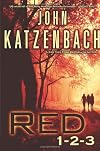
A 60-something novelist decides to commit a series of murders, then write a book ‘based’ on these murders. He chooses three women who have nothing in common but the colour of their hair. He calls them the Reds and he’s the Big Bad Wolf and, in his writing, the ending will match the original version of the fairy tale; there will be no axe-weilding lumberjack to show up at the last minute to save the day. But it’s not enough to kill them, he sets out on a campaign to terrorize them show more first. As a result, the three women are made aware of each other and begin to make plans of their own.
I really liked this premise. However, there were parts of the story which not only stretched my willing suspension of disbelief but grabbed it by the throat, threw it to the ground, and stomped on it. Some of the Reds’ actions seemed so obvious I would think three blind mice would have seen through them never mind anyone as high up the food chain as the Wolf. Which is to say, there were times the Big Bad seemed more cartoon- than fairy tale-evil, more Elmer Fudd than big bad wolf. And Mrs Big Bad seemed as oblivious as a little blonde girl in a cave full of talking bears.
And yet, despite these gigantic woods-sized holes in the story, I actually quite enjoyed it. And that’s down to the three Reds who make very sympathetic victims turned survivor/fighters: Karen, the middle-aged and overly-cautious doctor, Sarah, the grieving widow drowning herself in alcohol, and Jordan, bright but angry prep school student. It was really their story and in their ending, they don’t need some axeman to save them because they’re more than capable of doing it themselves. show less
I really liked this premise. However, there were parts of the story which not only stretched my willing suspension of disbelief but grabbed it by the throat, threw it to the ground, and stomped on it. Some of the Reds’ actions seemed so obvious I would think three blind mice would have seen through them never mind anyone as high up the food chain as the Wolf. Which is to say, there were times the Big Bad seemed more cartoon- than fairy tale-evil, more Elmer Fudd than big bad wolf. And Mrs Big Bad seemed as oblivious as a little blonde girl in a cave full of talking bears.
And yet, despite these gigantic woods-sized holes in the story, I actually quite enjoyed it. And that’s down to the three Reds who make very sympathetic victims turned survivor/fighters: Karen, the middle-aged and overly-cautious doctor, Sarah, the grieving widow drowning herself in alcohol, and Jordan, bright but angry prep school student. It was really their story and in their ending, they don’t need some axeman to save them because they’re more than capable of doing it themselves. show less
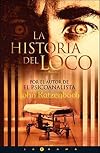
Una novela negra, completamente diferente a lo que he leído.
Claro hay un asesinato y también nos adentramos en la, digamos, investigación de dicho asesinato.
Pero, digo diferente, porque todo esto lo vemos a través de Francis, que es un hombre trastornado e internado en una clínica psiquiátrica.
Es, por decir lo menos, agobiante, adentrarte en la mente de un loco, vivir sus dudas, sus pensamientos erráticos, no puedo mas que darle un aplauso a Katzenbach por haber logrado que yo misma show more me trastornara un poco, porque si, la historia del asesinato, es ya de por si, inquietante, pero meterte en la mente de Francis lo es todavía mas. show less
Claro hay un asesinato y también nos adentramos en la, digamos, investigación de dicho asesinato.
Pero, digo diferente, porque todo esto lo vemos a través de Francis, que es un hombre trastornado e internado en una clínica psiquiátrica.
Es, por decir lo menos, agobiante, adentrarte en la mente de un loco, vivir sus dudas, sus pensamientos erráticos, no puedo mas que darle un aplauso a Katzenbach por haber logrado que yo misma show more me trastornara un poco, porque si, la historia del asesinato, es ya de por si, inquietante, pero meterte en la mente de Francis lo es todavía mas. show less
First Born: The Death of Arnold Zeleznik, Age Nine : Murder, Madness, and What Came After by John Katzenbach

On December 20, 1974, Arnold Zeleznik, age 9, was left momentarily in the hallway of a motel. Arnold's family had stopped there while on their way to a holiday in Central America. That brief instant was to cost Arnold his life, for in the room across from where he waited for his father was Vernal Walford, who was reading his Bible and receiving instructions from God that he should kill a child.
Arnold happened to be at the wrong place at the wrong time. Vernal slit Arnold's throat just as show more the father returned to retrieve the child. Vernal was apprehended almost immediately, but it was clear to everyone that he would be incapable of standing trial, for even though his actions were those of someone who knew he had committed a crime (he ran from the scene, hid the murder weapon, and tried to escape from the police), his behavior was bizarre and frightening even to his jailors. He would rant, bare his teeth, scream and act totally demented. In fact, one eminent psychiatrist, when asked about Vernal's condition, thought carefully, then replied that Vernal was "the craziest man he had ever seen."
The case became a cause celebre for defense lawyers. What could be more of a challenge than getting someone off who was clearly guilty? They brilliantly manipulated the system. Vernal was declared incompetent to stand trial and placed in a Florida mental hospital. (Originally a minimum security prison, but after protests from nearby residents, he was moved to a maximum security institution). Walford given numerous psychotropic drugs at extremely high dosages to eliminate the "voice of God," and to make him more manageable.
In the meantime, Arnold's father, Carter Zeleznik, discovered this was not Vernal's first commitment. He been previously committed to a Massachusetts mental hospital by a psychiatrist who had diagnosed him as psychotic and dangerous. The staff there had informed Walford of his legal rights who then got his status changed to "voluntary." Walford promptly asked to be released. During his stay he assaulted staff and was placed in seclusion. Despite recommendations of the hands-on staff that he be sent to a maximum security institution, he was released with a prescription for tranquilizers. Since he had been declared a voluntary patient, his request to be released could not be refused.
Carter was furious that the system could have liberated someone so obviously a danger to society, and he resolved to take on the system. In the meantime, Vernal's Florida judge had a problem. Vernal had been declared competent by the psychiatrists as long as he remained drugged, but they admitted that without the psychotropic drugs he would be incompetent. The drugs, however, were literally killing him. He was developing all the symptoms of tardive dyskinesia and organ failure common to patients on large doses of the psychotropic medicines. The judge ruled he could not allow a patient to be pharmacologically maintained sane so that he could stand trial for murder, especially when the drugs were causing such physical harm. He was taken off the drugs and he soon returned to his former uncontrollable and irrational condition.
John Katzenbach chronicles Carter's fight to make the system responsible. His narrative is a terrifying revelation of a bureaucracy "schooled in the ultimate cunning of non-responsibility. No one person is responsible or feels responsible -- "the buck stops nowhere," (to quote one reviewer).
Those misguided individuals who wish to ban certain books because of the perceived harm they might do should read this book because a direct link was established between Vernal's Bible reading and the murder. Had he not read the Bible he would not have killed that child. Evil will find encouragement no matter what the source. show less
Arnold happened to be at the wrong place at the wrong time. Vernal slit Arnold's throat just as show more the father returned to retrieve the child. Vernal was apprehended almost immediately, but it was clear to everyone that he would be incapable of standing trial, for even though his actions were those of someone who knew he had committed a crime (he ran from the scene, hid the murder weapon, and tried to escape from the police), his behavior was bizarre and frightening even to his jailors. He would rant, bare his teeth, scream and act totally demented. In fact, one eminent psychiatrist, when asked about Vernal's condition, thought carefully, then replied that Vernal was "the craziest man he had ever seen."
The case became a cause celebre for defense lawyers. What could be more of a challenge than getting someone off who was clearly guilty? They brilliantly manipulated the system. Vernal was declared incompetent to stand trial and placed in a Florida mental hospital. (Originally a minimum security prison, but after protests from nearby residents, he was moved to a maximum security institution). Walford given numerous psychotropic drugs at extremely high dosages to eliminate the "voice of God," and to make him more manageable.
In the meantime, Arnold's father, Carter Zeleznik, discovered this was not Vernal's first commitment. He been previously committed to a Massachusetts mental hospital by a psychiatrist who had diagnosed him as psychotic and dangerous. The staff there had informed Walford of his legal rights who then got his status changed to "voluntary." Walford promptly asked to be released. During his stay he assaulted staff and was placed in seclusion. Despite recommendations of the hands-on staff that he be sent to a maximum security institution, he was released with a prescription for tranquilizers. Since he had been declared a voluntary patient, his request to be released could not be refused.
Carter was furious that the system could have liberated someone so obviously a danger to society, and he resolved to take on the system. In the meantime, Vernal's Florida judge had a problem. Vernal had been declared competent by the psychiatrists as long as he remained drugged, but they admitted that without the psychotropic drugs he would be incompetent. The drugs, however, were literally killing him. He was developing all the symptoms of tardive dyskinesia and organ failure common to patients on large doses of the psychotropic medicines. The judge ruled he could not allow a patient to be pharmacologically maintained sane so that he could stand trial for murder, especially when the drugs were causing such physical harm. He was taken off the drugs and he soon returned to his former uncontrollable and irrational condition.
John Katzenbach chronicles Carter's fight to make the system responsible. His narrative is a terrifying revelation of a bureaucracy "schooled in the ultimate cunning of non-responsibility. No one person is responsible or feels responsible -- "the buck stops nowhere," (to quote one reviewer).
Those misguided individuals who wish to ban certain books because of the perceived harm they might do should read this book because a direct link was established between Vernal's Bible reading and the murder. Had he not read the Bible he would not have killed that child. Evil will find encouragement no matter what the source. show less
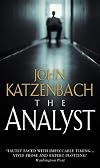
Me gusto bastante el libro, se lee muy rápido, aunque te atrapa lentamente. Tenía bastante tiempo que quería leerlo, creo que cualquiera que viva en México que no sepa de la existencia de esta historia pues o estuvo encerrado o es un niño porque tuvo muchísima publicidad por al menos los ultimos 10 años.
La historia es una de esas que ya esta muy vista, no sorprende por la originalidad de la premisa PERO la manera en que esta escrito lo hace destacar. El primer acto es preparativo, y show more se siente como tal, sin que se vuelva pesado, aunque tampoco sea especialmente interesante pero para el segundo acto OMG no podía soltar el libro, de verdad que casi queria golpear a alguien con tal de no ir a trabajar y quedarme leyendolo. Los personajes me gustaron, esa enfermedad, deseo de venganza, de supervivencia y de vivir es lo que hacia que yo desea seguir leyendo.
Posiblemente lo que más me gusto es el final, ese "antiholliwoodezco" climax sin que por ello pierda intensidad (aunque hubo un detalle que aun me molesta porque tiene muy poco sentido pero bueno decido dejarlo pasar) las últimas palabras del Doctor son épicas, me hacen desear que su historia siga, que el juego sea perpetuo. show less
La historia es una de esas que ya esta muy vista, no sorprende por la originalidad de la premisa PERO la manera en que esta escrito lo hace destacar. El primer acto es preparativo, y show more se siente como tal, sin que se vuelva pesado, aunque tampoco sea especialmente interesante pero para el segundo acto OMG no podía soltar el libro, de verdad que casi queria golpear a alguien con tal de no ir a trabajar y quedarme leyendolo. Los personajes me gustaron, esa enfermedad, deseo de venganza, de supervivencia y de vivir es lo que hacia que yo desea seguir leyendo.
Posiblemente lo que más me gusto es el final, ese "antiholliwoodezco" climax sin que por ello pierda intensidad (aunque hubo un detalle que aun me molesta porque tiene muy poco sentido pero bueno decido dejarlo pasar) las últimas palabras del Doctor son épicas, me hacen desear que su historia siga, que el juego sea perpetuo. show less
Lists
Awards


You May Also Like


Associated Authors
Statistics
- Works
- 48
- Also by
- 8
- Members
- 6,121
- Popularity
- #4,020
- Rating
- 3.7
- Reviews
- 128
- ISBNs
- 506
- Languages
- 21
- Favorited
- 11