
Robert Polidori
Author of Châteaux of the Loire Valley
About the Author
He was born in Montreal in 1951 & lives in New York City. He has exhibited photographs in Paris, Brasilia, New York, Los Angeles & Minneapolis. He has received numerous honors, including a World Press Award for his coverage of the Getty Museum & two Alfred Eisenstaedt Awards for his work in Havana show more & Brasilia. (Bowker Author Biography) show less
Works by Robert Polidori
Tagged
Common Knowledge
- Canonical name
- Polidori, Robert
- Birthdate
- 1951
- Gender
- male
- Occupations
- photographer
- Nationality
- USA
- Birthplace
- Canada
- Associated Place (for map)
- Canada
Members
Reviews
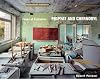
In the 11 days following the Chernobyl catastrophe on April 26, 1986, more than 116,000 people were permanently evacuated from the area surrounding the nuclear power plant. Declared unfit for human habitation, the Zones of Exclusion includes the towns of Pripyat (established in the 1970s to house workers) and Chernobyl. In May 2001, Robert Polidori photographed what was left behind in the this dead zone. His richly detailed images move from the burned-out control room of Reactor 4, where show more technicians staged the experiment that caused the disaster, to the unfinished apartment complexes, ransacked schools and abandoned nurseries that remain as evidence of those who once called Pripyat home. Nearby, trucks and tanks used in the cleanup efforts rest in an auto graveyard, some covered in lead shrouds and others robbed of parts. Houseboats and barges rust in the contaminated waters of the Pripyat River. Foliage grows over the sidewalks and hides the modest homes of Chernobyl. In his large-scale photographs, Polidori captures the faded colors and desolate atmosphere of these two towns, producing haunting documents that present the reader with a rare view of not just a disastrous event, but a place and the people who lived there. show less

In late September 2005, Robert Polidori traveled to New Orleans to record the destruction caused by Hurricane Katrina and by the city’s broken levees. He found the streets deserted, and, without electricity, eerily dark. The next day he began to photograph, house by house: "All the places I went in, the doors were just open. They had been opened by what I collectively call ‘the army,’ of maybe 20 National Guards from New Hampshire, 15 policemen from Minneapolis, 20 firefighters from show more New York... On maybe half of them or a third of them that I went in, I think that the occupants had been there prior. And some of them did leave certain funeral-like mementos before they left. Maybe right after the waters receded they had the chance to just--to go back to their place and just see, and realize there’s nothing worth saving." Amidst all this, Polidori has found something worth saving, has created mementos for those who could not return, documenting the paradoxically beautiful wreckage. In classical terms, he has found ruins. The abandoned houses he recorded were still waterlogged as he entered and as he learned (by trial and error, a process that including finding a dead body) the language of signs and codes in which rescue workers had spray-painted each house’s siding. He sees the resulting photographs as the work of a psychological witness, mapping the lives of the absent and deceased through what remains of their belongings and their homes. show less

At first glance this book promised so much. I'd just read a biography of Saint Augustine of Hippo and was rather interested in the cities and development of North Africa in the Roman period. The photo on the dust jacket was superb and just skipping through the pages I could see that there were some seriously great photos. But I came away a bit disappointed. The book seems to be more like an archeological report on a series of individual cities. There is a paucity of information about the show more linkages of these lost cities to the other centres in North Africa...many of which are not "lost". It kind of lacks context from my perspective. And I looked in vain for any links with the city of Hippo that I had been reading about. It's fine as far as it goes. Nice photos, descriptions of the various lost cities that have been excavated but overall, I was disappointed. show less
Overall, it is an excellent book. The photography is clear and vivid and there is very little text (an intro at the front and photo reference at the back). The book is large, which is typical of coffee table/photography books, and has a ton of full-page, full-color photographs of the chaos in the areas surrounding the former Chernobyl nuclear power station. These areas include the city of Pripyat (a bedroom community for the plant workers), some rural villages surrounding the plant, show more abandoned ships in the Pripyat river, huge scrap yards containing contaminated equipment and vehicles used during the cleanup, and a few shots of the plant itself (including the control room of the damaged reactor #4). The images are dramatic and sobering, but readers must remember that the majority of the damage displayed is due to the cleanup efforts of the liquidators and the natural ravages of time. On a personal note, I think that we have little to fear from nuclear power, but the images in this book should serve as a reminder that nuclear power generation is a serious endeavor, and if not handled properly, can have disastrous effects on the environment and on civilization at large. show less
Lists
Disaster Books (2)
Awards

You May Also Like


Associated Authors
Statistics
- Works
- 33
- Members
- 748
- Popularity
- #33,982
- Rating
- 4.1
- Reviews
- 9
- ISBNs
- 62
- Languages
- 7
- Favorited
- 1