
Tom Steel (1943–2007)
Author of The Life and Death of St. Kilda
About the Author
Works by Tom Steel
Life And Death Of St Kilda 1 copy
Tagged
Common Knowledge
- Legal name
- Steel, Thomas Chalmers
- Birthdate
- 1943-09-29
- Date of death
- 2007-07-21
- Gender
- male
- Education
- University of Cambridge (Emmanuel College)
- Occupations
- writer
researcher
filmmaker
producer
director - Nationality
- Scotland
UK - Birthplace
- Edinburgh, Scotland, UK
- Associated Place (for map)
- Scotland, UK
Members
Reviews

A compact and well written history of Scotland's most remote island that was evacuated in the 1930. This is a fairly faithful recounting of the traditional way of life on the island and the ways that modern civilization and technology conspired to remove these people from their homes.
Rather than using the advances made in other parts of the world to improve the lot of St. Kildans, the government came to view this small village as an inconvenience and a problem. Plagued throughout the early show more 1900s by spotty mail service, occasional food shortages and a persistent plague that effected their youngest citizens, little was done to alleviate their suffering.
After a particularly brutal winter, the villages asked to be removed to the mainland and thereafter met with a whole host of new struggles and privations. It was difficult for them to adapt to modern life and separated as they were from each other, they struggled with isolation from their community.
Unsurprisingly, many died from common diseases as they lacked a typical level of resistance to them. Robbed of their way of life and ill suited to take up a new one, the lonely inhabitants did not find the easy success their were promised by numerous parties interested in their removal.
This book is a lovely little read - very interesting and the prose is excellent and very easy to consume. The history of this island is so old and mysterious. There really is no other place like it. show less
Rather than using the advances made in other parts of the world to improve the lot of St. Kildans, the government came to view this small village as an inconvenience and a problem. Plagued throughout the early show more 1900s by spotty mail service, occasional food shortages and a persistent plague that effected their youngest citizens, little was done to alleviate their suffering.
After a particularly brutal winter, the villages asked to be removed to the mainland and thereafter met with a whole host of new struggles and privations. It was difficult for them to adapt to modern life and separated as they were from each other, they struggled with isolation from their community.
Unsurprisingly, many died from common diseases as they lacked a typical level of resistance to them. Robbed of their way of life and ill suited to take up a new one, the lonely inhabitants did not find the easy success their were promised by numerous parties interested in their removal.
This book is a lovely little read - very interesting and the prose is excellent and very easy to consume. The history of this island is so old and mysterious. There really is no other place like it. show less
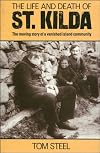
This book focuses on the causes and aftermath of the evacuation of the residents from the remote Scottish island of St Kilda in 1930. It looks at the reasons why the shrinking community became unviable from the middle of the 19th century when a third of the population emigrated to Australia, and the economy declined as there was less demand on the mainland for the seabird oil and textiles previously exported, and the spartan life of the inhabitants became ever harsher. Eventually, the last show more remaining 36 islanders more or less willingly requested evacuation - the young families were poised to leave anyway and had faced near starvation the previous winter. The latter part of the book recounted the later history of the island, in particular its use by the army as a radar base to support a missile station built in the 1950s in the Outer Hebrides, while the rest of the island has become a nature conservation area. There was a little too much detail about matters such as injuries suffered by members of the armed forces on the island, and when buildings were re-roofed, or aerials blown down in gale force winds, that was a bit tedious - I would have preferred a bit more about the history of the island, though much remains unknown before the first account of a visitor - that of Martin Martin in 1697. For the sake of the latter part, I would have to say I enjoyed this a bit less than Charles McLean's Island at the Edge of the World. 4/5 show less
Engrossing book about the history of this remote island. A human tragedy well told. I didn't realise how much evidence there was about Hirta and its people.The island lost its population not just because of people leaving the island for work and a better life (it was a very hard place to live) but also because of a worse than third world infant mortality probably due to contamination by tetanus of materials used by traditional birth attendants.
A fascinating history of the now abandonded Scottish island St. Kilda. Very readable. Everyone I lent it to agreed.
Awards

You May Also Like


Statistics
- Works
- 4
- Members
- 261
- Popularity
- #88,098
- Rating
- 3.7
- Reviews
- 5
- ISBNs
- 8