
Jandy Nelson
Author of I'll Give You the Sun
About the Author
Jandy Nelson is an American author, born in 1965. She received a BA from Cornell University and MFAs in Poetry and Children's Writing from Brown University and Vermont College of Fine Arts and has worked as a literary agent for many years. Her New York Times bestselling second novel, I'll Give You show more the Sun, received the 2015 Michael L. Printz Award for Excellence in Young Adult Literature and from Australia, the 2016 Silver Inky Award which is presented to an international book. Both Sun and her debut, The Sky Is Everywhere, have been YALSA Best Fiction for Young Adults picks and on multiple best of the year lists including the New York Times, Time Magazine, NPR, have earned many starred reviews. (Bowker Author Biography) show less
Image credit: By mettlemark@gmail.com - Jandy Nelson, CC BY-SA 4.0, https://commons.wikimedia.org/w/index.php?curid=40103166
Works by Jandy Nelson
The Fall Boys and Dizzy in Paradise 13 copies
Tagged
Common Knowledge
- Birthdate
- 1965-11-25
- Gender
- female
- Education
- Cornell University (BA)
Vermont College of Fine Arts (MFA)
Brown University (MFA|Poetry) - Occupations
- literary agent
writer - Organizations
- Manus & Associates Literary Agency
- Agent
- Holly McGhee
- Nationality
- USA
- Birthplace
- New York, New York, USA
- Places of residence
- San Francisco, California, USA
- Associated Place (for map)
- USA
Members
Reviews

When they were thirteen, twins Noah and Jude could hardly be more different: Noah was the quiet, sensitive, and artistic boy who dodged bullies and dreamed of attending the nearby arts high school, Jude was the confident and popular surfer girl. Despite their differences, the two were inseparable. But by age 16, things have changed: Jude is the one attending the arts high school, camouflaging herself in dark, baggy clothes, and creating sculptures representing her own brokenness, while Noah show more has become a jock at the normal public high school, who never draws or paints any more. The most striking difference, though, is that Noah and Jude hardly speak to each other any more. They've been split apart by a family tragedy. What will it take to mend their relationship?
I'm hardly doing justice to this book with that summary. This is one of the best books I've read this year -- touching and uplifting and thought-provoking and funny. It reminded me a bit of one of my favorite books from last year, Aristotle and Dante Discover the Secrets of the Universe, but I think I actually liked this one better. I can absolutely see why this book won the Printz Medal. Highly recommended! show less
I'm hardly doing justice to this book with that summary. This is one of the best books I've read this year -- touching and uplifting and thought-provoking and funny. It reminded me a bit of one of my favorite books from last year, Aristotle and Dante Discover the Secrets of the Universe, but I think I actually liked this one better. I can absolutely see why this book won the Printz Medal. Highly recommended! show less

17-year-old "Lennie" (short for Lennon, which I've decided I love as a first name) is still reeling from the recent unexpected death of her older sister, Bailey. As she struggles to come to terms with this, she finds that nothing is the same anymore: she's grown out of touch with her best friend, she's lost her ability & desire to play the clarinet, and she no longer wants to spend time with her grandmother or uncle, who she lives with. To complicate matters, there's a new guy at school, show more Joe, who everyone seems to be falling for, and Lennie is surprised to find that he is expressing interest in her. But hold on -- there's also Toby, Bailey's boyfriend, who is also mourning and is all of a sudden looking at Lennie in a different way. With all these different emotions fighting to break through, Lennie is understandably overwhelmed. Can she experience love while at the same time respectfully honor the memory of her sister?
This kind of sounds like a cliche'd young adult story, and maybe it is in some ways, but I really enjoyed it. I found that every time I put the book down, I wanted to pick it back up again. It's an emotional story, but also a quick & light read, with just enough quirkiness and humor to balance everything out. There were times I wanted to shake Lennie, but at other times I just wanted to give her a big hug. This was a great palette cleanser between some other heavier books I've read lately, and I was sad to see it end.
On a side note, a film adaptation was just released about a week ago on AppleTV. I watched that immediately after finishing the book and I wish I hadn't. It's hard to explain, but it ruined the magic of this book for me. It's as if they tried too hard to incorporate a certain amount of magical realism into the production, making the humor bits corny & unbelievable. It just didn't work for me. My advice is to stick with the book. show less
This kind of sounds like a cliche'd young adult story, and maybe it is in some ways, but I really enjoyed it. I found that every time I put the book down, I wanted to pick it back up again. It's an emotional story, but also a quick & light read, with just enough quirkiness and humor to balance everything out. There were times I wanted to shake Lennie, but at other times I just wanted to give her a big hug. This was a great palette cleanser between some other heavier books I've read lately, and I was sad to see it end.
On a side note, a film adaptation was just released about a week ago on AppleTV. I watched that immediately after finishing the book and I wish I hadn't. It's hard to explain, but it ruined the magic of this book for me. It's as if they tried too hard to incorporate a certain amount of magical realism into the production, making the humor bits corny & unbelievable. It just didn't work for me. My advice is to stick with the book. show less
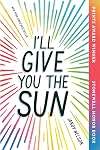
I read this book because I'm on a challenge committee for the book.
Noah and his twin Jude seem to create one person. Noah's mind works like an artist--his feelings are revealed by his "self-portraits." He creates constantly and his talent makes him a shoo-in for a prestigious art academy that happens to be in town. Jude feels that her art fails to live up to quality. She creates sand sculptures but doesn't want their mother to see the sculptures until she perfected her skills. Unknowing to show more Jude, Noah sees the sculptures and takes pictures--the only evidence they've existed. The sun they revolve around is their mother. She encourages their artistic skills. Dad's presence is peripheral. Everything is about mom. Jude feels that mom doesn't think Jude is as good of an artist as Noah. She's encouraged them both to apply to the art school, but Jude doesn't think she will be accepted.
The novel is told in two points of view. Noah tells what's going on right before and after their mother dies. He meets a boy who completes him, but Brian can't be openly gay. He denies his feelings and tells Noah that being with Noah would ruin his life because his goals would be ruined with the truth. Noah fails to control his emotions sometimes and says and does things that are very destructive. Jude tells what's going on three years later, after their mother has died. Their lives have completely changed. Jude's in art school; Noah isn't. Jude becomes the weird art person who's quiet and doesn't socialize, which is how Noah was three years ago. Noah refuses to create any art and becomes part of the "in" crowd, partying and getting drunk and taking dangerous risks, whereas Jude used to be the partier. Noah and Jude avoid each other, keeping secrets that harm their relationship. Jude attends the art school, but her art always ends up damaged. She decides to scuplt in stone, so she's directed to a local, famous scultor where she meets the boy she fell in love with (although she doesn't realize it for a while) when Noah showed her his drawing three years ago. The scultor lost his way and has refused to teach or really to live much for the last few years, but he agrees to help Jude. She doesn't fear him and begins to find herself by creating this art.
The novel shows how much harm we can do to one another by our words and our actions that destroy. Rebuilding after destruction is difficult. All of the secrets will have to come out, apologies made, and some serious forgiveness. These mistakes are seriously destructive and harmful--none of the reconciliation will be easy. We finally see more of their father as the two stories from different times fill in gaps and paint a portrait of their individual and family's disintegration and renewal.
I loved the novel. It's well-written and has great metaphors. The novel requires a reader who is ready for an analytical novel. There is a sex scene, but it isn't described at all. After teaching high school for as long as I did, it's very realistic to what happens in high school because girls think they are popular and only realize afterward that they were actually used and have to deal with the consequences of the event with little to no help. I hope girls will read books like this so that this horrible abuse doesn't happen to them. It's also a very artsy-book; artists will especially feel drawn to reading and, probably, see and experience the book at a deeper level. show less
Noah and his twin Jude seem to create one person. Noah's mind works like an artist--his feelings are revealed by his "self-portraits." He creates constantly and his talent makes him a shoo-in for a prestigious art academy that happens to be in town. Jude feels that her art fails to live up to quality. She creates sand sculptures but doesn't want their mother to see the sculptures until she perfected her skills. Unknowing to show more Jude, Noah sees the sculptures and takes pictures--the only evidence they've existed. The sun they revolve around is their mother. She encourages their artistic skills. Dad's presence is peripheral. Everything is about mom. Jude feels that mom doesn't think Jude is as good of an artist as Noah. She's encouraged them both to apply to the art school, but Jude doesn't think she will be accepted.
The novel is told in two points of view. Noah tells what's going on right before and after their mother dies. He meets a boy who completes him, but Brian can't be openly gay. He denies his feelings and tells Noah that being with Noah would ruin his life because his goals would be ruined with the truth. Noah fails to control his emotions sometimes and says and does things that are very destructive. Jude tells what's going on three years later, after their mother has died. Their lives have completely changed. Jude's in art school; Noah isn't. Jude becomes the weird art person who's quiet and doesn't socialize, which is how Noah was three years ago. Noah refuses to create any art and becomes part of the "in" crowd, partying and getting drunk and taking dangerous risks, whereas Jude used to be the partier. Noah and Jude avoid each other, keeping secrets that harm their relationship. Jude attends the art school, but her art always ends up damaged. She decides to scuplt in stone, so she's directed to a local, famous scultor where she meets the boy she fell in love with (although she doesn't realize it for a while) when Noah showed her his drawing three years ago. The scultor lost his way and has refused to teach or really to live much for the last few years, but he agrees to help Jude. She doesn't fear him and begins to find herself by creating this art.
The novel shows how much harm we can do to one another by our words and our actions that destroy. Rebuilding after destruction is difficult. All of the secrets will have to come out, apologies made, and some serious forgiveness. These mistakes are seriously destructive and harmful--none of the reconciliation will be easy. We finally see more of their father as the two stories from different times fill in gaps and paint a portrait of their individual and family's disintegration and renewal.
I loved the novel. It's well-written and has great metaphors. The novel requires a reader who is ready for an analytical novel. There is a sex scene, but it isn't described at all. After teaching high school for as long as I did, it's very realistic to what happens in high school because girls think they are popular and only realize afterward that they were actually used and have to deal with the consequences of the event with little to no help. I hope girls will read books like this so that this horrible abuse doesn't happen to them. It's also a very artsy-book; artists will especially feel drawn to reading and, probably, see and experience the book at a deeper level. show less
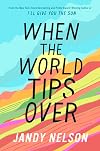
This is a multigenerational, multiperspective saga exploring family drama under the cloak of mystical realism. A couple of pages in, the influence of One Hundred Years of Solitude is unmistakable. I was finally rewarded when it was directly acknowledged near the end. The different perspectives are easy to keep straight, but every character shares the same tone, which I never quite found endearing. This book took me forever. I was just never in the mood to return to the Fall family, and every show more time I hoped their personalities would pull me in, it was more like the opposite. I didn't really like them, but I cared enough to find out how it would all unravel, which counts for something. It's long, the characters are many and interwoven, and the story is genuinely interesting, but it just never leveled up to be completely enchanting for me. show less
Lists
Awards


You May Also Like


Statistics
- Works
- 7
- Members
- 6,797
- Popularity
- #3,595
- Rating
- 4.2
- Reviews
- 344
- ISBNs
- 144
- Languages
- 15
- Favorited
- 6