
Emeril Lagasse
Author of Emeril's TV Dinners: Kickin' It Up A Notch With Recipes From Emeril Live And Essence Of Emeril
About the Author
Emeril John Lagasse was born October 15, 1959 in Fall River, Massachusetts. He worked in a Portuguese bakery as a teenager where he discovered his talent for cooking and subsequently enrolled in a culinary arts program at Diman Regional Vocational Technical High School. He went on to attend Johnson show more & Wales University in hopes of becoming a chef. He graduated from Johnson and Wales in 1978 and the school later awarded him an honorary doctorate. In 1982, Lagasse succeeded Paul Prudhomme as Commander's Palace's executive chef. Lagasse initially gained fame in the culinary world as executive chef of Commander's Palace. After leaving Commander's, he opened his first restaurant, Emeril's, in New Orleans, Louisiana, in 1990. It was designated Restaurant of the Year in Esquire magazine of that year. Lagasse is mainly known for his emphasis on Creole and Cajun cooking styles. After several appearances on several other FoodTV programs, Lagasse hosted his own show, The Essence of Emeril. Essence in the title refers to Emeril's Essence, the name of a spice blend of his own concoction that he frequently uses in his cooking. Some of his cookbooks include: Emeril at the Grill: A Grilling Book for all Seasons, Farm to Fork Cooking Local, Cooking Fresh, and Kicked-up Sandwiches: Stacked with Flavor. (Bowker Author Biography) show less
Image credit: (by Spc. Leah R. Burton)
Celebrity chef Emeril Lagasse signs his cookbooks and interacts with fans during a book signing at the Fort Lewis, Washington.
(www4.army.mil)
Series
Works by Emeril Lagasse
Emeril's TV Dinners: Kickin' It Up A Notch With Recipes From Emeril Live And Essence Of Emeril (1997) 436 copies, 4 reviews
Every Day's a Party: Louisiana Recipes For Celebrating With Family And Friends (1999) 300 copies, 3 reviews
Emeril's Cooking with Power: 100 Delicious Recipes Starring Your Slow Cooker, Multi Cooker, Pressure Cooker, and Deep Fryer (2013) 36 copies
Essential Emeril: Favorite Recipes and Hard-Won Wisdom From My Life in the Kitchen (2015) 32 copies, 1 review
Any by 1 copy
Associated Works
More diners, drive-ins and dives : a drop-top culinary cruise through America's finest and funkiest joints (2009) — Foreword — 236 copies, 4 reviews
Los Barrios Family Cookbook: Tex-Mex Recipes from the Heart of San Antonio (2002) — Foreword, some editions — 137 copies, 2 reviews
Tagged
Common Knowledge
- Birthdate
- 1959-10-15
- Gender
- male
- Education
- Johnson & Wales University (College of Culinary Arts,1978)
- Occupations
- chef
broadcaster - Organizations
- Food Network
FLN
Planet Green
Cooking Channel
Commander's Palace Restaurant (New Orleans) - Awards and honors
- James Beard Foundation Award
- Relationships
- Lagasse, Jilly (daughter)
Swanson, Jessie Lagasse (daughter) - Nationality
- USA
- Birthplace
- Fall River, Massachusetts, USA
- Places of residence
- Fall River, Massachusetts, USA (birth)
- Associated Place (for map)
- Fall River, Massachusetts, USA
Members
Reviews
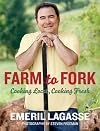
Be warned: this is not a vegetarian book. It's definitely a locovore book, if you are lucky to have fresh seafood and meats at your Market or at least to help you bridge the gap. I've mostly skipped over the meat and seafood recipes at this time, but I'm pretty sure there will be some that simple legume substitutions will work for.
The book is structures through the type of fruit, vegetable, or dairy product. Yes, there are standards such as roasted brussel show more sprouts/potatoes/choose-your-root-vege, but I found inspiration that may be due to my exploring new ways to cook (such as my pasta roller) winter vegetables such as a sweet potato ravioli.
I find this book most inspiring for the flavour/ingredient combinations Emeril uses. While I own The Flavor Bible by Karen Page and Andrew Dornenburg, I often get overwhelmed by all the possibilities. Emeril has provided a very good starting place from which to expand and better enjoy all the fresh local items I might pick up. show less
The book is structures through the type of fruit, vegetable, or dairy product. Yes, there are standards such as roasted brussel show more sprouts/potatoes/choose-your-root-vege, but I found inspiration that may be due to my exploring new ways to cook (such as my pasta roller) winter vegetables such as a sweet potato ravioli.
I find this book most inspiring for the flavour/ingredient combinations Emeril uses. While I own The Flavor Bible by Karen Page and Andrew Dornenburg, I often get overwhelmed by all the possibilities. Emeril has provided a very good starting place from which to expand and better enjoy all the fresh local items I might pick up. show less
I normally don’t read or even own too many cookbooks. Maybe if I did, I’d be a better cook. LOL However, when I had the opportunity to review this new cookbook I couldn’t resist. I not only like the concept of the cookbook, but I enjoy watching the author/chef as he prepares his dishes.
As we beginning enjoying the lazy days of summer, thoughts turn to family get-togethers, barbecues, and picnics with lots of wonderful food. Also with summer comes more fresh vegetables either from show more one’s own garden or the local market.
Renowned Chef Emeril Lagasse has a new cookbook that is devoted to using fresh, locally grown (and organic when possible) ingredients when preparing any type of dish.
FARM TO FORK: COOKING LOCAL, COOKING FRESH is a beautifully illustrated cookbook that not only includes the ingredients and directions to preparing a dish, but also give a little information about the dish.
In the introduction, author/chef Lagasse explains how he came to enjoy picking fresh vegetables as a child and then as an adult using fresh ingredients in his dishes. He also notes that he and several other chefs, along with a farmer, even started a farm co-op just so they could have fresh, locally grown ingredients. In addition, he explains the many benefits of using organically grown local vegetables.
An interesting point that he makes is when you get children involved in the growing process of vegetables, they are more likely to eat them when they’re prepared.
As we all strive to be more “green” for our environment, this cookbook provides delicious recipes for every season. The cookbook is divided into 15 sections. They covers such topics as: the herb garden; leafy greens; the three sisters: corn, beans, and squash; fresh from the docks; out on the range; and home economics: preserving the harvest to name just a few.
Here is just a taste of the recipes included in the book:
HOMEMADE HOT SAUCE
2 teaspoons vegetable oil
10 ounces fresh red Fresno chiles or jalapenos, stemmed and cut crosswise into ½-inch-thick slices (see Note)
6 cloves garlic, smashed
¾ cup thinly sliced onions
¾ cup chopped carrots
1 ¾ teaspoon salt
2 cups water
¼ cup chopped fresh cilantro leaves and stems
1 cup distilled white vinegar
1. Heat the oil in a small saucepan over high heat. Add the chiles, garlic, onions, and carrots. Add the salt. Cook the peppers in the pan for 5 minutes; it is okay if they blister or blacken, stirring as needed.
2. Add the water and cilantro, and reduce the heat to medium-high. Cook for 20 minutes, or until the peppers are soft and almost all of the liquid has evaporated. (Note: This should be done in a very well ventilated area!) Remove the pan from the heat and allow the peppers to cool to room temperature.
3. Transfer the mixture to a food processor or blender, and puree for 15 seconds. While the machine is still running, add the vinegar in a steady stream, continuing to puree on high speed until smooth, about 1 minute. Transfer the sauce to a sterilized pint jar, bottles, or other container. Cover and refrigerate for up to 6 months.
NOTE: If you are a fan of poblano peppers, substitute 6 ounces roasted poblanos (about 2 peppers) and 6 ounces jalepenos for the 10 ounces of chiles above. (See page 44 for roasting instructions.)
About 2 cups.
If you enjoy good food and fresh vegetables, FARM TO FORK is the perfect cookbook giving you a better understand of how the food chain works. In addition, it teaches how to make the most of using fresh ingredients found locally when cooking. With Father’s Day just around the corner, FARM TO FORK is a handy cookbook for that weekend chef or everyday cook. show less
As we beginning enjoying the lazy days of summer, thoughts turn to family get-togethers, barbecues, and picnics with lots of wonderful food. Also with summer comes more fresh vegetables either from show more one’s own garden or the local market.
Renowned Chef Emeril Lagasse has a new cookbook that is devoted to using fresh, locally grown (and organic when possible) ingredients when preparing any type of dish.
FARM TO FORK: COOKING LOCAL, COOKING FRESH is a beautifully illustrated cookbook that not only includes the ingredients and directions to preparing a dish, but also give a little information about the dish.
In the introduction, author/chef Lagasse explains how he came to enjoy picking fresh vegetables as a child and then as an adult using fresh ingredients in his dishes. He also notes that he and several other chefs, along with a farmer, even started a farm co-op just so they could have fresh, locally grown ingredients. In addition, he explains the many benefits of using organically grown local vegetables.
An interesting point that he makes is when you get children involved in the growing process of vegetables, they are more likely to eat them when they’re prepared.
As we all strive to be more “green” for our environment, this cookbook provides delicious recipes for every season. The cookbook is divided into 15 sections. They covers such topics as: the herb garden; leafy greens; the three sisters: corn, beans, and squash; fresh from the docks; out on the range; and home economics: preserving the harvest to name just a few.
Here is just a taste of the recipes included in the book:
HOMEMADE HOT SAUCE
2 teaspoons vegetable oil
10 ounces fresh red Fresno chiles or jalapenos, stemmed and cut crosswise into ½-inch-thick slices (see Note)
6 cloves garlic, smashed
¾ cup thinly sliced onions
¾ cup chopped carrots
1 ¾ teaspoon salt
2 cups water
¼ cup chopped fresh cilantro leaves and stems
1 cup distilled white vinegar
1. Heat the oil in a small saucepan over high heat. Add the chiles, garlic, onions, and carrots. Add the salt. Cook the peppers in the pan for 5 minutes; it is okay if they blister or blacken, stirring as needed.
2. Add the water and cilantro, and reduce the heat to medium-high. Cook for 20 minutes, or until the peppers are soft and almost all of the liquid has evaporated. (Note: This should be done in a very well ventilated area!) Remove the pan from the heat and allow the peppers to cool to room temperature.
3. Transfer the mixture to a food processor or blender, and puree for 15 seconds. While the machine is still running, add the vinegar in a steady stream, continuing to puree on high speed until smooth, about 1 minute. Transfer the sauce to a sterilized pint jar, bottles, or other container. Cover and refrigerate for up to 6 months.
NOTE: If you are a fan of poblano peppers, substitute 6 ounces roasted poblanos (about 2 peppers) and 6 ounces jalepenos for the 10 ounces of chiles above. (See page 44 for roasting instructions.)
About 2 cups.
If you enjoy good food and fresh vegetables, FARM TO FORK is the perfect cookbook giving you a better understand of how the food chain works. In addition, it teaches how to make the most of using fresh ingredients found locally when cooking. With Father’s Day just around the corner, FARM TO FORK is a handy cookbook for that weekend chef or everyday cook. show less
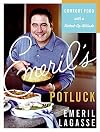
This cookbook has some great recipes in it that are tasty and easy to follow. At first, I was disappointed because I hadn't properly noticed the 'potluck: comfort food' part of the title. In other words, this is a very specific set of recipes, and if you're looking for something specific, you likely won't find it. On the other hand, I've come to realize that the recipes in this book are things I'm actually interested in making and eating -- foods that actually fit into your regular, daily show more life, like fried chicken, beer bread, and cornbread stuffing. There's also some intelligent and useful tips peppered throughout the book. I will complain that, true to Emeril style, many recipes have far more ingredients than I would like. I suppose that's the 'kicked-up' part. show less
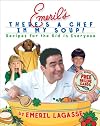
I would say the author is qualified to write about a cooking book, from guessing I would say he has tons of cooking books, cooking shows, cooking products, restaurants, etc... The text and illustrations are child friendly my only problem is all the images are drawn, it would have been nice to have actual photographs of the food. Only photograph is of Emeril Lagasse's face on every recipe. The book is obviously designed for kid chefs and for beginners in the art for cooking. The recipes, the show more language, instructions, images, and text are very appropriate for young children. The introduction of the book has an emphasis on being safe, asking permission, be prepared, being clean and having fun. Also, there is a section for adults who have concerns and questions for cooking with children. Other than kid friendly recipes there is also a section of kitchen tools that is helpful and a very thorough section on "good things to know" that includes how to peel, chopping, zesting, mixing, rolling dough, etc... I think that the consistency of the book is a strength, everything is geared for children, the images, the recipes, the language, the tools, the ingredients, etc...
Ages 5 - 13. show less
Ages 5 - 13. show less
Lists
PSU Books (1)
Awards

You May Also Like


Associated Authors
Statistics
- Works
- 22
- Also by
- 8
- Members
- 3,242
- Popularity
- #7,883
- Rating
- 3.6
- Reviews
- 31
- ISBNs
- 49
- Languages
- 1

