
Patrick Harding
Author of Collins Gem Mushrooms: The Quick Way to Identify Mushrooms and Toadstools
About the Author
Disambiguation Notice:
His website confirms that he writes about both mushrooms and Christmas lore.
Image credit: Patrick Harding
Works by Patrick Harding
Collins Gem Mushrooms: The Quick Way to Identify Mushrooms and Toadstools (1996) 85 copies, 2 reviews
Tagged
Common Knowledge
- Gender
- male
- Occupations
- mycologist
- Organizations
- University of Cambridge
- Disambiguation notice
- His website confirms that he writes about both mushrooms and Christmas lore.
Members
Reviews
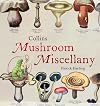
Fascinating.
Broadly split into three topics, the first covers basic biology of this the Fifth and some say largest and most diverse Kingdom of Life. What most people think of as a mushroom is in fact the fruiting body of a much more complex mycelium. And while the fruitbody barely lasts a fortnight the organism underneath continues to grow, the oldest recorded specimen is over 1500 yo - much older than an oak tree! and can weigh over 10 tonnes - more than a blue whale. Such titbits of show more trivia are woven around and through simplified descriptions of the lifecycles of different types of fungi. There are lots of Latin words and a brief overview of the arguments between scientists over the correct names. At the back of the book is a list of sources and further reading, with both taxological and more general suggestions. These however are not referenced from the text.
The next and longest section details the specifics of a few particular examples. Why the Jews Ear has nothing to do with religion, where you can find a Penny Bun. etc. Interleaving the short chapters are wonderful detailed photos of the various species being discussed.
Finally there's a cultural section. This segues neatly on from the 2nd by starting with the specifics and then more generalities of various moulds, rusts, rots and pests - all of which are fungi. It goes onto discuss culinary and recreational uses, and finally the portrayal of mushrooms in the media and literature. There is a surprising amount of chemistry here - mostly restricted to compound names, but of interest to anyone with a science background, however it may possibly be confusing for less experienced readers.
This is absolutely not a field guide. However it has been written by a mycologist with years of experience in collecting and eating mushrooms and Patrick Harding has also written definitive field guides. The text is very easy to understand and flows well. The full Latin names are given for every species wherever they are mentioned, but this isn't disrupting. There are a few attempts at puns to close chapters, and these are generally very weak. Don't give up your day job to become a comedian Patrick.
It's well worth reading for anyone who: loves mushrooms; completely identifies with the Hobbits in Lord of the Rings when Farmer Maggot feeds them; wonders why toadstools don't attract or repeal toads; or what the difference is; and why some cultures eat more and a greater range of mushrooms than others; and in fact anyone who is just vaguely curious about the world around them.
..................................................................................................................... show less
Broadly split into three topics, the first covers basic biology of this the Fifth and some say largest and most diverse Kingdom of Life. What most people think of as a mushroom is in fact the fruiting body of a much more complex mycelium. And while the fruitbody barely lasts a fortnight the organism underneath continues to grow, the oldest recorded specimen is over 1500 yo - much older than an oak tree! and can weigh over 10 tonnes - more than a blue whale. Such titbits of show more trivia are woven around and through simplified descriptions of the lifecycles of different types of fungi. There are lots of Latin words and a brief overview of the arguments between scientists over the correct names. At the back of the book is a list of sources and further reading, with both taxological and more general suggestions. These however are not referenced from the text.
The next and longest section details the specifics of a few particular examples. Why the Jews Ear has nothing to do with religion, where you can find a Penny Bun. etc. Interleaving the short chapters are wonderful detailed photos of the various species being discussed.
Finally there's a cultural section. This segues neatly on from the 2nd by starting with the specifics and then more generalities of various moulds, rusts, rots and pests - all of which are fungi. It goes onto discuss culinary and recreational uses, and finally the portrayal of mushrooms in the media and literature. There is a surprising amount of chemistry here - mostly restricted to compound names, but of interest to anyone with a science background, however it may possibly be confusing for less experienced readers.
This is absolutely not a field guide. However it has been written by a mycologist with years of experience in collecting and eating mushrooms and Patrick Harding has also written definitive field guides. The text is very easy to understand and flows well. The full Latin names are given for every species wherever they are mentioned, but this isn't disrupting. There are a few attempts at puns to close chapters, and these are generally very weak. Don't give up your day job to become a comedian Patrick.
It's well worth reading for anyone who: loves mushrooms; completely identifies with the Hobbits in Lord of the Rings when Farmer Maggot feeds them; wonders why toadstools don't attract or repeal toads; or what the difference is; and why some cultures eat more and a greater range of mushrooms than others; and in fact anyone who is just vaguely curious about the world around them.
..................................................................................................................... show less
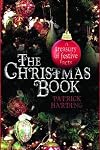
Fascinating book exploring the stories behind the Christmas rituals. From the first Christmas, back to earlier pre-Christian rituals, through to Santa, customs, food, and other quirks. Loved it
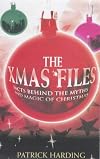
Incredible must read book for anybody that is serious about the origins of Christmas. Well written and researched
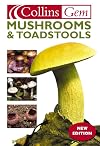
Useful, particularly because of its small size, but not a definitive guide. Make sure you use a full guide to properly identifyany mushrooms before eating those picked from the wild.
Lists
You May Also Like


Statistics
- Works
- 14
- Members
- 209
- Popularity
- #106,075
- Rating
- 3.8
- Reviews
- 5
- ISBNs
- 21
- Languages
- 1