
Gail Silver
Author of Anh's Anger
About the Author
Series
Works by Gail Silver
Tagged
Common Knowledge
There is no Common Knowledge data for this author yet. You can help.
Members
Reviews
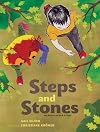
Silver and Krömer pair their considerable talents to create a successful second title in the Anh’s Anger series (Anh's Anger, 2009).
Here Anh faces a common childhood dilemma: He wants to do one thing (dig in the dirt at recess), while his friends are set on doing another (playing kickball). He tries to convince his friends to join him, but one boy retorts, “Digging is for babies.” This crushes Ahn; he “felt like he’d been punched in the stomach.” As Anh retreats to “the shade show more of the oak tree” with “a salty tear rounding the corner of his lip,” Anger explodes onto the scene in a wild collage of green, red and yellow textures with spiral, swirly eyes and a mouthful of sharp teeth. He reminds Anh that he “always show[s] up when things aren’t going your way.” This personification of Anger fills Anh’s head with negative thoughts, but Anh resists its goading and begins to walk slowly. With each step they breathe in and out and count. This walking meditation helps Anh get control of his feelings. As the counting increases, Anger’s vibrant colors begin to fade, and his size diminishes. Silver’s dialogue-driven text is likely to provoke meaningful discussions about dealing with disappointment and controlling tempers. Preschoolers and primary-grade students will appreciate Krömer’s visual feast of pencil, paint and tactile collage elements used to vividly illustrate Anh’s story.
Sure to fill a niche for those tackling potentially thorny social situations, this straightforward and enlightened approach will appeal to many. (Picture book. 4-7)
-Kirkus Review show less
Here Anh faces a common childhood dilemma: He wants to do one thing (dig in the dirt at recess), while his friends are set on doing another (playing kickball). He tries to convince his friends to join him, but one boy retorts, “Digging is for babies.” This crushes Ahn; he “felt like he’d been punched in the stomach.” As Anh retreats to “the shade show more of the oak tree” with “a salty tear rounding the corner of his lip,” Anger explodes onto the scene in a wild collage of green, red and yellow textures with spiral, swirly eyes and a mouthful of sharp teeth. He reminds Anh that he “always show[s] up when things aren’t going your way.” This personification of Anger fills Anh’s head with negative thoughts, but Anh resists its goading and begins to walk slowly. With each step they breathe in and out and count. This walking meditation helps Anh get control of his feelings. As the counting increases, Anger’s vibrant colors begin to fade, and his size diminishes. Silver’s dialogue-driven text is likely to provoke meaningful discussions about dealing with disappointment and controlling tempers. Preschoolers and primary-grade students will appreciate Krömer’s visual feast of pencil, paint and tactile collage elements used to vividly illustrate Anh’s story.
Sure to fill a niche for those tackling potentially thorny social situations, this straightforward and enlightened approach will appeal to many. (Picture book. 4-7)
-Kirkus Review show less

Published by Plum Blossom Books, the children's book imprint of Parallax Press (the publishing wing of the Unified Buddhist Church), and recommended on the back cover by Thich Nhat Hanh], Anh's Anger offers a Buddhist approach to dealing with a common childhood problem. When Anh's grandfather asks him to leave the block tower he is building, and come to dinner, the young boy becomes terribly angry, eventually destroying his own creation. Seeing that his grandson is overcome, Grandfather show more sends Anh to his room, to "sit with" his anger. And so begins an unexpected encounter, as Anh and his anger interact and come to an understanding...
I really liked the fact that being angry is not condemned in this story, but is seen as a natural (and inevitable) part of the human experience, something to be understood and accepted. Part of that understanding is the recognition that anger, when unleashed against others, is hurtful, and that withdrawing, when in such a state, to think things over and reach a calmer frame of mind, is a good strategy. I've often regretted speaking or acting in anger, but I've never regretted waiting to speak, until my anger had cooled, so although I am not a Buddhist myself, I really identified with the behavioral practice advocated here. I also greatly appreciated Christiane Kromer's vivid collage artwork, with its bright colors and dramatic shapes. Ahn's anger is actually pretty awesome!
All in all, this picture-book is an engaging look at an emotional state we have all experienced, at one point or another, and offers an intelligent, thoughtful course of action to take, in response to that state. Recommended to anyone looking for children's stories that address anger, mindfulness, or Buddhist practice. show less
I really liked the fact that being angry is not condemned in this story, but is seen as a natural (and inevitable) part of the human experience, something to be understood and accepted. Part of that understanding is the recognition that anger, when unleashed against others, is hurtful, and that withdrawing, when in such a state, to think things over and reach a calmer frame of mind, is a good strategy. I've often regretted speaking or acting in anger, but I've never regretted waiting to speak, until my anger had cooled, so although I am not a Buddhist myself, I really identified with the behavioral practice advocated here. I also greatly appreciated Christiane Kromer's vivid collage artwork, with its bright colors and dramatic shapes. Ahn's anger is actually pretty awesome!
All in all, this picture-book is an engaging look at an emotional state we have all experienced, at one point or another, and offers an intelligent, thoughtful course of action to take, in response to that state. Recommended to anyone looking for children's stories that address anger, mindfulness, or Buddhist practice. show less
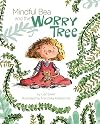
I read this book with my grade school child who also has worries and anxiety. We found this book to be relatable and easy to read. Bea's worry tree was an excellent way to show the heaviness people feel when they have worries they "carry around". It was a great way of showing what anxiety can feel like and also shared excellent breathing and coping techniques to help calm down when things feel like 'too much''. This was engaging and perfect for an elementary aged child to relate with and show more also learn from. Thank you to NetGalley and Magination Press for sharing a copy of this book with us, all opinions are our own. show less
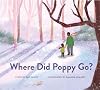
A story of loss, how who we lose is in everything around us, and eventually we won't miss them as much, but we will internalize their love for us.
Lists
Awards

You May Also Like


Associated Authors
Statistics
- Works
- 6
- Members
- 365
- Popularity
- #65,882
- Rating
- 4.1
- Reviews
- 8
- ISBNs
- 15