

Kathy Page
Author of Dear Evelyn
About the Author
Image credit: Copyright Shari Mcdonald
Works by Kathy Page
I Like To Look 1 copy
Vabaduse teine kevad 1 copy
Associated Works
Tagged
Common Knowledge
- Canonical name
- Page, Kathy
- Birthdate
- 1958-04-08
- Gender
- female
- Education
- York University (BA)
University of East Anglia (MA, creative writing) - Occupations
- writer
- Agent
- Lesley Thorne (Aitken Alexander Associates)
- Nationality
- UK (birth)
Canada - Birthplace
- London, England, UK
- Places of residence
- Salt Spring Island, British Columbia, Canada
- Associated Place (for map)
- London, England, UK
Members
Reviews

Seit acht Jahren ist der 29jährige Simon in Haft, verurteilt zu lebenslänglich wegen Mordes an seiner damaligen Freundin. Im Gefängnis lernt er Lesen und Schreiben, das er bis dahin nur bruchstückhaft beherrscht und holt den mittleren Schulabschluss nach. Er beginnt Brieffreundschaften mit Frauen, wobei er nicht weiß, dass eine davon erst 14 Jahre alt ist. Als deren Vater erfährt, dass seine minderjährige Tochter mit einem Mörder korrespondiert, wird ihm das Schreiben untersagt und show more den Brief, in dem er erstmalig seine Tat schildert, erhält seine neue Betreuerin Bernadette. Diese sieht Weiterentwicklungsmöglichkeiten bei dem jungen Mann und vermittelt ihm einen Platz in einem Therapie-Programm einer Sondereinrichtung für Gewaltstraftäter in Wentham.
Dort herrschen andere, bessere Bedingungen. Während im Gefängnis untereinander das Recht des Stärkeren dominiert und die Vollzugsbeamten unter widrigen Bedingungen und häufig voller Geringschätzigkeit für die Inhaftierten diese 'beaufsichtigen', gelten in Wentham Respekt und Wertschätzung für den einzelnen Menschen, egal welchen Verbrechens sie sich schuldig gemacht haben. Bei Simon machen sich Veränderungen bemerkbar, nicht nur in Form von aufkommendem Bildungshunger, sondern auch in puncto Selbstreflexion in Bezug auf seine Tat, die er bisher erfolgreich verdrängt hat.
Kathy Page hat diese Entwicklung Simons so überzeugend dargestellt, dass man seinen Gedankengängen, seinen Versuchen, seine Aggressionen in den Griff zu bekommen oder Vertrauen zu fassen, ohne Zweifel nachvollziehen kann. Auch ihre Darstellung des Gefängnisalltags macht ersichtlich, ohne dass sie dies ausdrücklich kommentiert, wie destruktiv sich Haftstrafen ohne Resozialisierungsmaßnahmen auf die Gefangenen auswirken. Auch wenn Simons Geschichte in den 1980ern Jahren spielt, ist das Thema aktuell, da immer wieder über die Sinnhaftigkeit solcher Maßnahmen diskutiert wird. Ebenfalls deutlich erkennbar werden die An- und Überforderungen an das Gefängnis- und Therapiepersonal. Insbesondere in den Gefängnissen ist ein Mangel an Allem zu verzeichnen; Gefangene werden ausschließlich verwaltet und das zu den möglichst niedrigsten Kosten. Schlechtes Essen, mangelhafte Unterbringung, unzureichende Versorgung mit allem Anderen führen zu einer ständig gespannten Atmosphäre, mit der die schlecht bezahlten Vollzugsangestellten tagtäglich zurecht kommen müssen. Während das Therapiepersonal über solche Defizite nicht klagen kann, obliegt ihnen jedoch die Verantwortung, eine Prognose abzugeben, ob ein Mensch künftig in die Freiheit entlassen werden kann, ohne eine Gefahr für Andere darzustellen.
Es ist ein sehr vielschichtiger Roman mit einem Einblick in eine Welt, von der die Meisten von uns nur in den Nachrichten hören, lesen oder sehen. Kathy Page hat uns diese Welt aufgrund ihrer einjährigen Erfahrung als Writer in Residence im Her Majesty's Prison Nottingham nahe gebracht. show less
Dort herrschen andere, bessere Bedingungen. Während im Gefängnis untereinander das Recht des Stärkeren dominiert und die Vollzugsbeamten unter widrigen Bedingungen und häufig voller Geringschätzigkeit für die Inhaftierten diese 'beaufsichtigen', gelten in Wentham Respekt und Wertschätzung für den einzelnen Menschen, egal welchen Verbrechens sie sich schuldig gemacht haben. Bei Simon machen sich Veränderungen bemerkbar, nicht nur in Form von aufkommendem Bildungshunger, sondern auch in puncto Selbstreflexion in Bezug auf seine Tat, die er bisher erfolgreich verdrängt hat.
Kathy Page hat diese Entwicklung Simons so überzeugend dargestellt, dass man seinen Gedankengängen, seinen Versuchen, seine Aggressionen in den Griff zu bekommen oder Vertrauen zu fassen, ohne Zweifel nachvollziehen kann. Auch ihre Darstellung des Gefängnisalltags macht ersichtlich, ohne dass sie dies ausdrücklich kommentiert, wie destruktiv sich Haftstrafen ohne Resozialisierungsmaßnahmen auf die Gefangenen auswirken. Auch wenn Simons Geschichte in den 1980ern Jahren spielt, ist das Thema aktuell, da immer wieder über die Sinnhaftigkeit solcher Maßnahmen diskutiert wird. Ebenfalls deutlich erkennbar werden die An- und Überforderungen an das Gefängnis- und Therapiepersonal. Insbesondere in den Gefängnissen ist ein Mangel an Allem zu verzeichnen; Gefangene werden ausschließlich verwaltet und das zu den möglichst niedrigsten Kosten. Schlechtes Essen, mangelhafte Unterbringung, unzureichende Versorgung mit allem Anderen führen zu einer ständig gespannten Atmosphäre, mit der die schlecht bezahlten Vollzugsangestellten tagtäglich zurecht kommen müssen. Während das Therapiepersonal über solche Defizite nicht klagen kann, obliegt ihnen jedoch die Verantwortung, eine Prognose abzugeben, ob ein Mensch künftig in die Freiheit entlassen werden kann, ohne eine Gefahr für Andere darzustellen.
Es ist ein sehr vielschichtiger Roman mit einem Einblick in eine Welt, von der die Meisten von uns nur in den Nachrichten hören, lesen oder sehen. Kathy Page hat uns diese Welt aufgrund ihrer einjährigen Erfahrung als Writer in Residence im Her Majesty's Prison Nottingham nahe gebracht. show less
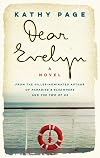
The British-Canadian author, Kathy Page, is new to me, so I did not know what to expect in DEAR EVELYN. Initially I was intrigued by the young protagonist Harry Miles' interest in poetry, and how it was stimulated by the efforts of a teacher who was a disfigured, damaged veteran of the Great War. The poetry of Edward Thomas plays a central role throughout the novel, which also interested me, because, although I'm not really familiar with Thomas's work, I had recently read a fascinating essay show more on Thomas and his place in the pantheon of war poets in Samuel Hynes' thoughtful collection, ON WAR AND WRITING. Page sprinkles pertinent lines of Thomas's poems throughout her narrative and makes it plain that Harry, a veteran of the North Africa campaign in the Second World War, a lover of nature, and a man who yearns for a more rewarding, literary life, is a great admirer of Thomas, and has studied the obscure poet's work and life in great detail.
So there's that - the literary element - which drew me in. And then there was Evelyn, the title character, a fiery, determined, ambitious woman who evolves in ways that make her, variously, both admirable and unlikable. Harry's love for her, however, remains constant and unshakable. And yet, and yet ...
DEAR EVELYN gets its title from the many letters Harry writes to her from the war. Page tells us, in her Acknowledgements, that these letters - indeed, the book itself - were inspired by her own father's letters to her mother during WWII. How "dear" Evelyn actually is will probably be a debatable point for many readers, due to her increasingly nit-picking, inflexible ways and total inability to curb her sharp tongue or to apologize - ever! And although Harry never really stops loving Evelyn, he also realized that "there was a line between strong-minded and outrageous that Evelyn now crossed with increasing frequency."
Because at the heart of this absolutely beautiful novel is a marriage that endures for over seventy years, giving you a front-row seat at how everyday life (Harry is a kind of corporate "bean counter," financially successful if unhappy in his work) , family pressures (there are three daughters, the last one a change-of-life 'surprise'), and the physical indignities of aging can change people and reverse roles in a relationship.
There is a particular passage which might explain the almost morbid fascination some readers will feel in reading this book. In it Harry is reading yet another biography of the poet Edward Thomas and finds that he identifies more closely with the poet's wife, Helen, "because she was forever fitting herself around someone driven and intransigent. And it was oddly gripping ... though also strange, to learn about the intricacies of another couple's married life." Gripping indeed, perhaps even voyeuristic.
But here's the thing. Harry and Evelyn became so real to me as I followed their long life's journey together that I wanted so badly for things to to turn out right for them, as a couple. I wanted that "happily ever after" thing for them, wanted them to be okay. Maybe it's because my wife and I are now fifty -plus years into our life together. Many of the things that Harry and Evelyn experience and manage to get through - well, us too.
I literally had trouble putting this book down. This couple - young, then middle-aged, and, finally, old - were so real, so utterly human, so important. I was weeping as I read the final pages. Big tears - my wife was asking me what was wrong? I loved this book. I cannot recommend it highly enough. Bravo, Ms Page. Bravo!
- Tim Bazzett, author of the memoir, BOOKLOVER show less
So there's that - the literary element - which drew me in. And then there was Evelyn, the title character, a fiery, determined, ambitious woman who evolves in ways that make her, variously, both admirable and unlikable. Harry's love for her, however, remains constant and unshakable. And yet, and yet ...
DEAR EVELYN gets its title from the many letters Harry writes to her from the war. Page tells us, in her Acknowledgements, that these letters - indeed, the book itself - were inspired by her own father's letters to her mother during WWII. How "dear" Evelyn actually is will probably be a debatable point for many readers, due to her increasingly nit-picking, inflexible ways and total inability to curb her sharp tongue or to apologize - ever! And although Harry never really stops loving Evelyn, he also realized that "there was a line between strong-minded and outrageous that Evelyn now crossed with increasing frequency."
Because at the heart of this absolutely beautiful novel is a marriage that endures for over seventy years, giving you a front-row seat at how everyday life (Harry is a kind of corporate "bean counter," financially successful if unhappy in his work) , family pressures (there are three daughters, the last one a change-of-life 'surprise'), and the physical indignities of aging can change people and reverse roles in a relationship.
There is a particular passage which might explain the almost morbid fascination some readers will feel in reading this book. In it Harry is reading yet another biography of the poet Edward Thomas and finds that he identifies more closely with the poet's wife, Helen, "because she was forever fitting herself around someone driven and intransigent. And it was oddly gripping ... though also strange, to learn about the intricacies of another couple's married life." Gripping indeed, perhaps even voyeuristic.
But here's the thing. Harry and Evelyn became so real to me as I followed their long life's journey together that I wanted so badly for things to to turn out right for them, as a couple. I wanted that "happily ever after" thing for them, wanted them to be okay. Maybe it's because my wife and I are now fifty -plus years into our life together. Many of the things that Harry and Evelyn experience and manage to get through - well, us too.
I literally had trouble putting this book down. This couple - young, then middle-aged, and, finally, old - were so real, so utterly human, so important. I was weeping as I read the final pages. Big tears - my wife was asking me what was wrong? I loved this book. I cannot recommend it highly enough. Bravo, Ms Page. Bravo!
- Tim Bazzett, author of the memoir, BOOKLOVER show less
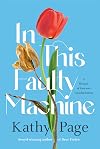
I’ve read a number of memoirs focusing on chronic illness, some of them on neurodegenerative disorders, but this is my first by a person with Parkinson’s. Kathy Page is an accomplished British-Canadian novelist and short story writer who was diagnosed with the disease during Covid. Canadian healthcare has been an absolute mess for years, and it can’t have been easy for the author to deal with a serious medical problem and attempt to navigate an already bogged-down—dare I say show more “bradykinesic”?— medical system during a pandemic. In fact, it would be two years before Page would actually see a neurologist in person. It was a busy geriatrician who first suspected Parkinson’s and started her on a trial of the drug carbidopa/levodopa.
Although categorized as a memoir and loosely chronological, Page’s book is more a collection of linked personal essays on a wide range of topics, some focused on Parkinson’s itself—its symptoms, diagnosis, treatment, history, progression, disability; others, on more general matters related to aging and Page’s entrance into the “kingdom of the sick”. In the latter category, there are essays on such topics as the use of metaphor to characterize the illness experience, philosophy, curiosity, identity, purpose and meaning. I liked some of these discussions better than others. Idiosyncratically perhaps, I’m not keen on present-tense, play-by-play accounts of events, nor am I overly fond of descriptions of nature (I look to poetry for those) and there are a few pieces of that kind. Also, Page’s children made it clear that they didn’t want to figure in her book. This is understandable, I think; however, it placed some limitations on the work, depriving it of a certain narrative drive.
My overall sense is that Page demonstrates a remarkable openness to experience. This is a book about the necessity of flexibility and adaptability when one’s life is dramatically altered. show less
Although categorized as a memoir and loosely chronological, Page’s book is more a collection of linked personal essays on a wide range of topics, some focused on Parkinson’s itself—its symptoms, diagnosis, treatment, history, progression, disability; others, on more general matters related to aging and Page’s entrance into the “kingdom of the sick”. In the latter category, there are essays on such topics as the use of metaphor to characterize the illness experience, philosophy, curiosity, identity, purpose and meaning. I liked some of these discussions better than others. Idiosyncratically perhaps, I’m not keen on present-tense, play-by-play accounts of events, nor am I overly fond of descriptions of nature (I look to poetry for those) and there are a few pieces of that kind. Also, Page’s children made it clear that they didn’t want to figure in her book. This is understandable, I think; however, it placed some limitations on the work, depriving it of a certain narrative drive.
My overall sense is that Page demonstrates a remarkable openness to experience. This is a book about the necessity of flexibility and adaptability when one’s life is dramatically altered. show less
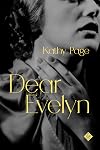
This is quite lovely and also bittersweet. It's really just about a life of a couple through the 70 years they are together; the book starts between the two world wars and goes until approximately the end of the century. Harry is the kinder, more likeable character. Evelyn is more headstrong, harder to know. Reading some GR reviews after finishing the book, some people mention not liking Evelyn (to put it mildly). Yes, to a certain extent, I understand that. But I also have sympathy for her show more character, as she holds herself (and others) to an impossibly high standard, and I feel that being a child of an alcoholic (who also smoked and had TB, while her mother was an enabler) informed many of her choices and actions through life. It also made me think about how women are judged more harshly than men throughout their lives. I think the book realistically portrays a long marriage, the love and anger, the like and dislike, the tolerance and the just barely tolerating each other, things said and yet so many things left unsaid too; all through times lean and flush, through health and sickness.
There are references to literature in here (Rebecca, as well as the scandal surrounding the publication of Lady Chatterley's Lover), as well as poetry, so much poetry sprinkled throughout.
Early in the book are letters from Harry to Evelyn while he is away at war. I have a few of my grandparents' letters to each other during WWII and the ones in the book reminded me of my grandparents' letters. In the Acknowledgements, Page states, "Harry and Evelyn are characters, not real people. That said, my first and deepest thanks must go to my parents. I am particularly grateful to my father for his letters to my mother during the Second World War and its aftermath, and to my mother for keeping them. In 'Water, Water, Everywhere' and 'Bascombe', some of these letters of my father's, used with his permission, form an important part of the narrative. ... My father is, then, the posthumous co-author of some parts of this book, ...." show less
There are references to literature in here (Rebecca, as well as the scandal surrounding the publication of Lady Chatterley's Lover), as well as poetry, so much poetry sprinkled throughout.
Early in the book are letters from Harry to Evelyn while he is away at war. I have a few of my grandparents' letters to each other during WWII and the ones in the book reminded me of my grandparents' letters. In the Acknowledgements, Page states, "Harry and Evelyn are characters, not real people. That said, my first and deepest thanks must go to my parents. I am particularly grateful to my father for his letters to my mother during the Second World War and its aftermath, and to my mother for keeping them. In 'Water, Water, Everywhere' and 'Bascombe', some of these letters of my father's, used with his permission, form an important part of the narrative. ... My father is, then, the posthumous co-author of some parts of this book, ...." show less
Lists
Awards


You May Also Like


Associated Authors
Statistics
- Works
- 15
- Also by
- 1
- Members
- 356
- Popularity
- #67,309
- Rating
- 3.7
- Reviews
- 15
- ISBNs
- 56
- Languages
- 4