
Frances Schoonmaker Bolin
Author of Poetry for Young People: Emily Dickinson
About the Author
Image credit: via Goodreads
Works by Frances Schoonmaker Bolin
Emily Dickinson 1 copy
Associated Works
Tagged
Common Knowledge
- Canonical name
- Schoonmaker Bolin, Frances
- Gender
- female
Members
Reviews
⭐ Poetry | Classics | Life
Thank you to Gemini Books Group for this ARC in exchange for my honest review!
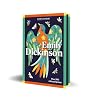
Emily Dickinson: Over 100 Poems on Life and Love was my first real introduction to Dickinson beyond simply knowing her name as a famous poet. This collection not only presents her poetry, but also offers insight into who she was as a person, something I truly appreciated as a first-time reader of her work.
Through this book, I learned that Emily Dickinson was a recluse who largely show more ignored the social conventions of her time, just as she ignored traditional poetic rules. Her poems are often short and concise, with the longest spanning only about two pages, yet they manage to hold immense emotional and philosophical weight. Despite remaining single her entire life, she wrote extensively about love, longing, and intimacy. She also wrote poignantly about loss, drawing from the many deaths and hardships she experienced within her family.
One poem that stood out to me in particular was:
“There is no frigate like a book
To take us lands away,
Nor any coursers like a page
Of prancing poetry-
this traverse may the poorest take
without oppress of toll-
how frugal is the chariot
that bears the human soul”
Learning the meaning behind her word choices deepened my appreciation of the poem. A frigate, being a ship, reminds us that no vessel can take us farther than imagination, and coursers, horses, cannot move as swiftly as the thoughts sparked by words on a page. Dickinson’s message feels timeless: imagination is accessible to everyone, and books are humble, frugal vehicles that carry the human soul without restriction.
Overall, this collection is a way to experience Emily Dickinson’s poetry while also learning about her life, beliefs, and quiet rebellion against societal norms. It’s a meaningful read for poetry lovers, students, or anyone curious about how deeply words can move us, even centuries later. show less
Thank you to Gemini Books Group for this ARC in exchange for my honest review!
Emily Dickinson: Over 100 Poems on Life and Love was my first real introduction to Dickinson beyond simply knowing her name as a famous poet. This collection not only presents her poetry, but also offers insight into who she was as a person, something I truly appreciated as a first-time reader of her work.
Through this book, I learned that Emily Dickinson was a recluse who largely show more ignored the social conventions of her time, just as she ignored traditional poetic rules. Her poems are often short and concise, with the longest spanning only about two pages, yet they manage to hold immense emotional and philosophical weight. Despite remaining single her entire life, she wrote extensively about love, longing, and intimacy. She also wrote poignantly about loss, drawing from the many deaths and hardships she experienced within her family.
One poem that stood out to me in particular was:
“There is no frigate like a book
To take us lands away,
Nor any coursers like a page
Of prancing poetry-
this traverse may the poorest take
without oppress of toll-
how frugal is the chariot
that bears the human soul”
Learning the meaning behind her word choices deepened my appreciation of the poem. A frigate, being a ship, reminds us that no vessel can take us farther than imagination, and coursers, horses, cannot move as swiftly as the thoughts sparked by words on a page. Dickinson’s message feels timeless: imagination is accessible to everyone, and books are humble, frugal vehicles that carry the human soul without restriction.
Overall, this collection is a way to experience Emily Dickinson’s poetry while also learning about her life, beliefs, and quiet rebellion against societal norms. It’s a meaningful read for poetry lovers, students, or anyone curious about how deeply words can move us, even centuries later. show less
Minha poeta brasileira favorita é a Hilda Hilst, mas eu tenho um bode tremendo dos poemas de amor dela porque são heteronormativos e não acho que dê para encontrar beleza num amor hetero desigual dentro do patriarcado. Por isso só consigo encontrar beleza no amor entre iguais que colocam o mesmo peso de si na relação.
Não por acaso as minhas três poetas norte-americanas favoritas são lésbicas: Audre Lorde, Adrienne Rich e Emily Dickinson, das quais a última não era assumida. Há show more historiadores ainda com a conversinha de "roommates" em relação à Dickson, clamando que seus poemas de amor eram sobre amizade, pois teoricamente as amizades no séculos XIX estimulavam tal passionalidade. Sei.
A verdade é que os poemas de amor escolhidos para essa edição da Caligari são puro demonstrativo de paixão homoafetiva, platônica ou não, é inegável que havia a paixão dessa mulher por Sue, negar isso é negar a própria essência dos poemas.
Belíssima curadoria, belíssimos poemas, belíssimo amor. show less
Não por acaso as minhas três poetas norte-americanas favoritas são lésbicas: Audre Lorde, Adrienne Rich e Emily Dickinson, das quais a última não era assumida. Há show more historiadores ainda com a conversinha de "roommates" em relação à Dickson, clamando que seus poemas de amor eram sobre amizade, pois teoricamente as amizades no séculos XIX estimulavam tal passionalidade. Sei.
A verdade é que os poemas de amor escolhidos para essa edição da Caligari são puro demonstrativo de paixão homoafetiva, platônica ou não, é inegável que havia a paixão dessa mulher por Sue, negar isso é negar a própria essência dos poemas.
Belíssima curadoria, belíssimos poemas, belíssimo amor. show less
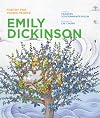
I very much enjoy this series which features the poetry of well-known poetic writers. This book, in particular focuses on Emily Dickinson. By far my favorite poet, and therefore, I was drawn to this book when I found it on the shelf of the library.
The beginning of the book focuses on her life, her reclusiveness and her life-long calling to work with words.
Painfully shy, with a vivid imagination, she wrote of emotions which many wonder how such a shy, inward-focused woman could write in such show more a knowledgeable manner.
As she grew older, Emily became more and more reclusive. Quite fond of her brother Austin, and his wife Susan, the path was worn from her parents house to theirs. Choosing to see only those she best loved, her circle was small.
Townspeople were very curious and would leave small gifts in the hope of seeing her. Fond of children, she dispensed ginger bread cookies and other treats via a basket tethered to a cord slowly brought down from the upper window. Children loved Emily and did not mind her guarded ways. In particular, she had a wonderful nephew whom she loved dearly. She also had a close relationship with her sister Lavinia, whom she called Vinnie.
Like many artists, she did not become well known for her work until after she died. During Emily's time, poems written by women were to be flowery. Increasingly, Emily wrote of heavy subjects, and with sparsity of words.
She carefully checked the dictionary to find one word that fit what she felt. Only six of her poems were published while she was alive. She died when she was fifty-four. Her sister Vinnie was quite astounded to find a box of little hand sewn books. in all, 879 precious poems.
The collection of poems featured in this book focus on those written of nature. Few in this collection are somber. Most have an airy feel of spring breezes. I did not know she wrote so many poems of nature, and it was refreshing to read the quick, witty, delightful passages such as this:
Bee, I'm expecting you!
Was saying yesterday
To somebody you know
That you were due.
The frogs got home last week,
Are settled and at work,
Birds mostly back,
The clover warm and thick.
You'll get my letter by
The seventeenth; reply,
Or better, be with me.
Yours,
Fly.
-----------------------------------------
Further in the book, there is one poem of Emily's thoughts of her death:
I have not told my garden yet,
Lest that should conquer me,
I have not quite the strength now
To break it to the bee.
I will not name it in the street
For shops would stare, that I,
So shy, so very ignorant
Should have the face to die.
The hillsides must not know it,
Where I have rambled so,
Nor tell the loving forests
The day that I shall go,
Nor lisp it at the table,
Nor heedless by the way
Hint that within the riddle
One will walk to day!
-------------------------------------------------
Highly recommended 4.5 stars! show less
The beginning of the book focuses on her life, her reclusiveness and her life-long calling to work with words.
Painfully shy, with a vivid imagination, she wrote of emotions which many wonder how such a shy, inward-focused woman could write in such show more a knowledgeable manner.
As she grew older, Emily became more and more reclusive. Quite fond of her brother Austin, and his wife Susan, the path was worn from her parents house to theirs. Choosing to see only those she best loved, her circle was small.
Townspeople were very curious and would leave small gifts in the hope of seeing her. Fond of children, she dispensed ginger bread cookies and other treats via a basket tethered to a cord slowly brought down from the upper window. Children loved Emily and did not mind her guarded ways. In particular, she had a wonderful nephew whom she loved dearly. She also had a close relationship with her sister Lavinia, whom she called Vinnie.
Like many artists, she did not become well known for her work until after she died. During Emily's time, poems written by women were to be flowery. Increasingly, Emily wrote of heavy subjects, and with sparsity of words.
She carefully checked the dictionary to find one word that fit what she felt. Only six of her poems were published while she was alive. She died when she was fifty-four. Her sister Vinnie was quite astounded to find a box of little hand sewn books. in all, 879 precious poems.
The collection of poems featured in this book focus on those written of nature. Few in this collection are somber. Most have an airy feel of spring breezes. I did not know she wrote so many poems of nature, and it was refreshing to read the quick, witty, delightful passages such as this:
Bee, I'm expecting you!
Was saying yesterday
To somebody you know
That you were due.
The frogs got home last week,
Are settled and at work,
Birds mostly back,
The clover warm and thick.
You'll get my letter by
The seventeenth; reply,
Or better, be with me.
Yours,
Fly.
-----------------------------------------
Further in the book, there is one poem of Emily's thoughts of her death:
I have not told my garden yet,
Lest that should conquer me,
I have not quite the strength now
To break it to the bee.
I will not name it in the street
For shops would stare, that I,
So shy, so very ignorant
Should have the face to die.
The hillsides must not know it,
Where I have rambled so,
Nor tell the loving forests
The day that I shall go,
Nor lisp it at the table,
Nor heedless by the way
Hint that within the riddle
One will walk to day!
-------------------------------------------------
Highly recommended 4.5 stars! show less
Esta seleção de poemas da Emily Dickinson (deusa!) denota seu apreço pela comunhão à natureza e pelo divino, me indagando se o panteísmo não seria seu objeto de escolha, já que se revoltara com a religião protestante em outros momentos. Não podemos saber a qual eu lírico Dickinson levava no seu real modo de pensar, mas podemos sim apreciar o modo dela utilizar as palavras em toda sua glória.
Lists
Awards


You May Also Like


Associated Authors
Statistics
- Works
- 13
- Also by
- 4
- Members
- 2,919
- Popularity
- #8,772
- Rating
- 4.0
- Reviews
- 36
- ISBNs
- 30
- Languages
- 1