
William Paley (1743–1805)
Author of Natural Theology
About the Author
Works by William Paley
Natural Theology and Horae Paulinae 7 copies
Paley's Theology 1 copy
A view of the evidences of Christianity. In three parts. ... By William Paley, ... The fifth edition. Volume 2 of 2 (2010) 1 copy
Sermons 1 copy
The Works of William Paley, Vol. III: Evidences of Christianity — Author — 1 copy
The Works of William Paley, Vol. I: Life of William Paley, D.D. Principles of Moral and Political Philosophy — Author — 1 copy
The Works of William Paley, Vol. II: Moral and Political Philosophy, Horæ Paulinæ, Clergyman's Companion — Author — 1 copy
Sermons, on several subjects 1 copy
William Paley 1 copy
The works of w paley 1 copy
Associated Works
British Moralists 1650-1800, Vol. 2 Hume-Bentham and Index (1991) — Contributor; Contributor — 21 copies
Tagged
Common Knowledge
- Birthdate
- 1743-07
- Date of death
- 1805-05-25
- Gender
- male
- Nationality
- UK
- Map Location
- UK
Members
Reviews
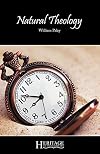
An attempt, using the known scientific discoveries as of the end of the eighteenth century, to demonstrate how the complexity of the natural world demonstrates that it was the creation of a Creator.
Paley's book is most famous for its opening and prevailing image-- the watch. Any who would find a watch, even if he knew nothing else, would understand from its inner working that it had an origin in a creative power. Paley attempts to show that such is the case for the natural world. Most of show more the book is devoted to descriptions of various features of the natural world that demonstrate design.
One striking thing about the book is just how much more we understand about the natural world since the beginning of the 1800s. Most of what is written, beyond any scientific misunderstandings that do not change any of the arguments, would be agreed upon scientific explanation to this day. The challenge involves the interpretations that Paley provides for the origin of the creatures.
Although written long before Darwin's treatise on origin by evolution by natural selection, the book casts light on the real issue in the disputation. The actual scientific evidence is not the issue-- the model into which the evidence is understood and interpreted is the issue. Models have their failings.
If one is interested in the history of natural theology, or the backdrop to the scientific disputations of the 19th and 20th centuries, this is a great place to go. show less
Paley's book is most famous for its opening and prevailing image-- the watch. Any who would find a watch, even if he knew nothing else, would understand from its inner working that it had an origin in a creative power. Paley attempts to show that such is the case for the natural world. Most of show more the book is devoted to descriptions of various features of the natural world that demonstrate design.
One striking thing about the book is just how much more we understand about the natural world since the beginning of the 1800s. Most of what is written, beyond any scientific misunderstandings that do not change any of the arguments, would be agreed upon scientific explanation to this day. The challenge involves the interpretations that Paley provides for the origin of the creatures.
Although written long before Darwin's treatise on origin by evolution by natural selection, the book casts light on the real issue in the disputation. The actual scientific evidence is not the issue-- the model into which the evidence is understood and interpreted is the issue. Models have their failings.
If one is interested in the history of natural theology, or the backdrop to the scientific disputations of the 19th and 20th centuries, this is a great place to go. show less
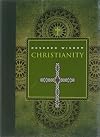
"Revered Wisdom: Christianity" offers an abridged edition of William Paley's seminal work, "A View of the Evidence of Christianity", which was required reading at Cambridge University until the twentieth century. A classic in the world of theological debate, the book argues, in lucid prose, the genuine nature of the intellectual credentials of Christianity. Although today William Paley is a controversial figure, as many of his assertions laid the foundation for the Intelligent Design show more movement, there is no doubt of the influence and importance of his work. show less
A View of the Evidences of Chrisitianity. In Three Parts. Part I. Of the Direct Historical Evidence of Christianity, and Wherein it is Distinguished from the Evidence Alleged for Other Miracles. Part II. Of and Auxiliary Evidences of Christianity. [etc.] by William Paley

I recall reading Darwin saying he was impressed by this
when a student, though later he came to other opinions.
when a student, though later he came to other opinions.

Lists
You May Also Like


Associated Authors
Statistics
- Works
- 43
- Also by
- 7
- Members
- 548
- Popularity
- #45,523
- Rating
- 3.8
- Reviews
- 4
- ISBNs
- 71
- Languages
- 2