
Charles Fergus
Author of Shadow Catcher
About the Author
Charles Fergus is the author of nineteen books, including two collections of nature essays (The Wingless Crow and Thornapples), Trees of New England, Wildlife of Pennsylvania and the Northeast, Trees of Pennsylvania and the Northeast, Swamp Screamer, Bears: Wild Guide, and Turtles: Wild Guide. He show more has written about natural history for many publications, including Pennsylvania Game News, Audubon, Northern Woodlands, Country Journal, and the New York Times. He works as an outreach and communications consultant for the Wildlife Management Institute, a private nonprofit scientific and educational organization. Fergus lives on a 120-acre hill farm in northern Vermont, where he enjoys improving habitats to attract and support local wildlife. See www.charlesfergus.com. show less
Series
Works by Charles Fergus
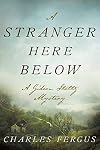
A Stranger Here Below: A Gideon Stoltz Mystery (Gideon Stoltz Mystery Series) (2019) 52 copies, 2 reviews
Lay This Body Down: A Gideon Stoltz Mystery (Gideon Stoltz Mystery Series) (2023) 11 copies, 2 reviews
Tagged
Common Knowledge
- Gender
- male
- Relationships
- Brown, Nancy Marie (wife)
Members
Reviews
Rating: 3.5 of five
The Publisher Says: For fans of C.J. Box's Joe Pickett series, a fabulous historical mystery series set in early America.
“Deeply imagined and intricately plotted, A Stranger Here Below marries richly textured historical fiction with the urgency of a mystery novel. Fergus knows certain things, deep in the horses, hunting, the folkways of rural places, and he weaves this wisdom into a stirring tale.” – Geraldine Brooks, author of March and People of the Book
Set in 1835 show more in the Pennsylvania town of Adamant, Fergus’s first novel in a new mystery series introduces Sheriff Gideon Stoltz, who, as a young deputy, is thrust into his position by the death of the previous sheriff. Gideon faces his first real challenge as death rocks the small town again when the respected judge Hiram Biddle commits suicide. No one is more distraught than Gideon, whom the old judge had befriended as a mentor and hunting partner. Gideon is regarded with suspicion as an he’s new to town, and Pennsylvania Dutch in the back-country Scotch-Irish settlement. And he found the judge’s body.
Making things even tougher is the way the judge’s death stirs up vivid memories of Gideon’s mother’s murder, the trauma that drove him west from his home in the settled Dutch country of eastern Pennsylvania. He had also discovered her body.
At first Gideon simply wants to learn why Judge Biddle killed himself. But as he finds out more about the judge’s past, he realizes that his friend's suicide was spurred by much more than the man’s despair. Gideon’s quest soon becomes more complex as it takes him down a dangerous path into the past.
A Stranger Here Below is so atmospheric, so compelling and convincing, that readers will taste the grit of the dirt roads, cringe at the unsanitary conditions and medical superstitions that inflame a flu epidemic, and marvel at the immensely arduous task of carrying out an investigation using the primitive tools of the early 1800s. Fergus leaves us breathlessly waiting for the next Gideon Stoltz mystery.
I RECEIVED A DRC FROM THE PUBLISHER VIA EDELWEISS+. THANK YOU.
My Review: Sometimes someone dies who just needed killin'. As this very deliberately paced mystery unfolds, that's the victim. I wasn't sorry he was dead, and was a little peevish about Gideon caring so much as to keep pursuing the matter. Well, anyway, if you're in the mood for a really atmospheric historical read, here's a very good candidate.
The blurb from Geraldine Brooks should tell her fans what they need to know: It's very immersive and has three-dimensional characters. I don't rate it higher because it was slow to get moving and occasionally wandered off down interesting but unnecessary tangents. I will, however, read the next one when Skyhorse Publishing brings it out. show less
The Publisher Says: For fans of C.J. Box's Joe Pickett series, a fabulous historical mystery series set in early America.
“Deeply imagined and intricately plotted, A Stranger Here Below marries richly textured historical fiction with the urgency of a mystery novel. Fergus knows certain things, deep in the horses, hunting, the folkways of rural places, and he weaves this wisdom into a stirring tale.” – Geraldine Brooks, author of March and People of the Book
Set in 1835 show more in the Pennsylvania town of Adamant, Fergus’s first novel in a new mystery series introduces Sheriff Gideon Stoltz, who, as a young deputy, is thrust into his position by the death of the previous sheriff. Gideon faces his first real challenge as death rocks the small town again when the respected judge Hiram Biddle commits suicide. No one is more distraught than Gideon, whom the old judge had befriended as a mentor and hunting partner. Gideon is regarded with suspicion as an he’s new to town, and Pennsylvania Dutch in the back-country Scotch-Irish settlement. And he found the judge’s body.
Making things even tougher is the way the judge’s death stirs up vivid memories of Gideon’s mother’s murder, the trauma that drove him west from his home in the settled Dutch country of eastern Pennsylvania. He had also discovered her body.
At first Gideon simply wants to learn why Judge Biddle killed himself. But as he finds out more about the judge’s past, he realizes that his friend's suicide was spurred by much more than the man’s despair. Gideon’s quest soon becomes more complex as it takes him down a dangerous path into the past.
A Stranger Here Below is so atmospheric, so compelling and convincing, that readers will taste the grit of the dirt roads, cringe at the unsanitary conditions and medical superstitions that inflame a flu epidemic, and marvel at the immensely arduous task of carrying out an investigation using the primitive tools of the early 1800s. Fergus leaves us breathlessly waiting for the next Gideon Stoltz mystery.
I RECEIVED A DRC FROM THE PUBLISHER VIA EDELWEISS+. THANK YOU.
My Review: Sometimes someone dies who just needed killin'. As this very deliberately paced mystery unfolds, that's the victim. I wasn't sorry he was dead, and was a little peevish about Gideon caring so much as to keep pursuing the matter. Well, anyway, if you're in the mood for a really atmospheric historical read, here's a very good candidate.
The blurb from Geraldine Brooks should tell her fans what they need to know: It's very immersive and has three-dimensional characters. I don't rate it higher because it was slow to get moving and occasionally wandered off down interesting but unnecessary tangents. I will, however, read the next one when Skyhorse Publishing brings it out. show less
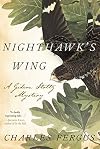
Gideon Stoltz, sheriff of (the fictional) Colerain County, Pennsylvania, in 1836, faces long odds in solving his latest case. He suffers headaches and memory loss because he fell off his horse and hit his head. His deputy does his best to cover for him, but Gideon’s boss, an arrogant attorney, openly hopes the voters will turn the young sheriff out of office come autumn. At only twenty-three, Gideon fears for his future, but the present looks pretty dreadful too. His wife, True, locked in show more grief over their young son’s death from influenza, won’t speak to him or even stir from bed.
But that’s just for starters. A woman said to be a witch has been found dead in Sinking Valley, a farm district more than a day’s ride from Adamant, the town where Gideon lives, and he’s not sure he can manage an extended trip, given his physical ailments. He’s hoping that the rumors of suicide prove true, and that he can investigate briefly and return home.
However, he not only knew the dead woman, Rebecca Kreidler, he has the strongest impression that he visited her on or about the day she died. Could he have killed her? Could he have taken her to bed, even, for, like many men who knew Rebecca, he lusted after her? The notion fills him with shame.
What’s more, when Gideon begins questioning the good folk of Sinking Valley, he uncovers complexities that challenge a verdict of suicide. Rebecca’s beauty aroused desire and envy, and her knowledge of medicinal plants invited both gratitude for her cures and suspicion of witchcraft. Then again, her past preceded her, for a woman who kills her husband — no matter how violent or abusive — has marked herself as an outcast, and her three years in the penitentiary is not considered adequate expiation.
This ingenious framework, and the facets Fergus gives it, make Nighthawk’s Wing compelling reading. Gideon Stoltz is a man first and a detective second, and though the two naturally intertwine, the narrative offers much more than a whodunit — luckily, for reasons I’ll get to. Not only do Gideon’s cognitive difficulties and the various reactions to them provide a touching, unusual background in a mystery, the social atmosphere places the narrative firmly in the central Pennsylvania soil.
Like many people in Sinking Valley, Gideon’s of German extraction, or, as commonly called, “Dutch,” apparently a corruption of the German word Deitsch, how they describe themselves. Much hated and maligned for being different, they occupy a social position that marks the story. With skillful economy, Fergus deploys the animosity to effect, tracing its roots and consequences, and since Rebecca was Deitsch, Gideon must take that into account.
Another pleasure of Nighthawk’s Wing involves the vivid, very much lived-in picture of early nineteenth-century rural American life. Fergus shows us crafts, like grinding and resetting a millstone, or a blacksmith shoeing a horse, and recounts herbal lore and depicts burial customs. Such authenticity extends to various mounted creatures, for riding a beast requires particular skills or physical heft, and either you have them, or you don’t:
The narrative from Rebecca’s point of view works less well, I think. I believe her portrayal as a psychotic — one of her delusions gives the book its title — but by going back in time to let the now-dead speak feels like a copout, telling us what Gideon couldn’t possibly know. That may not bother other readers; and I may also be alone in my dislike of the supernatural elements that play a strong role, especially toward the end.
But I wonder whether other readers will agree with me that Fergus has tipped his hand concerning the killer’s identity, which I latched onto because of how mystery novels are typically put together. I don’t want to say more, for fear of giving too much away, but despite this drawback, I do believe that Nighthawk’s Wing deserves its audience. I congratulate Fergus for the loving care with which he re-creates the time and place and crafts his characters. If you’re like me, that will justify reading the novel. show less
But that’s just for starters. A woman said to be a witch has been found dead in Sinking Valley, a farm district more than a day’s ride from Adamant, the town where Gideon lives, and he’s not sure he can manage an extended trip, given his physical ailments. He’s hoping that the rumors of suicide prove true, and that he can investigate briefly and return home.
However, he not only knew the dead woman, Rebecca Kreidler, he has the strongest impression that he visited her on or about the day she died. Could he have killed her? Could he have taken her to bed, even, for, like many men who knew Rebecca, he lusted after her? The notion fills him with shame.
What’s more, when Gideon begins questioning the good folk of Sinking Valley, he uncovers complexities that challenge a verdict of suicide. Rebecca’s beauty aroused desire and envy, and her knowledge of medicinal plants invited both gratitude for her cures and suspicion of witchcraft. Then again, her past preceded her, for a woman who kills her husband — no matter how violent or abusive — has marked herself as an outcast, and her three years in the penitentiary is not considered adequate expiation.
This ingenious framework, and the facets Fergus gives it, make Nighthawk’s Wing compelling reading. Gideon Stoltz is a man first and a detective second, and though the two naturally intertwine, the narrative offers much more than a whodunit — luckily, for reasons I’ll get to. Not only do Gideon’s cognitive difficulties and the various reactions to them provide a touching, unusual background in a mystery, the social atmosphere places the narrative firmly in the central Pennsylvania soil.
Like many people in Sinking Valley, Gideon’s of German extraction, or, as commonly called, “Dutch,” apparently a corruption of the German word Deitsch, how they describe themselves. Much hated and maligned for being different, they occupy a social position that marks the story. With skillful economy, Fergus deploys the animosity to effect, tracing its roots and consequences, and since Rebecca was Deitsch, Gideon must take that into account.
Another pleasure of Nighthawk’s Wing involves the vivid, very much lived-in picture of early nineteenth-century rural American life. Fergus shows us crafts, like grinding and resetting a millstone, or a blacksmith shoeing a horse, and recounts herbal lore and depicts burial customs. Such authenticity extends to various mounted creatures, for riding a beast requires particular skills or physical heft, and either you have them, or you don’t:
The narrative from Rebecca’s point of view works less well, I think. I believe her portrayal as a psychotic — one of her delusions gives the book its title — but by going back in time to let the now-dead speak feels like a copout, telling us what Gideon couldn’t possibly know. That may not bother other readers; and I may also be alone in my dislike of the supernatural elements that play a strong role, especially toward the end.
But I wonder whether other readers will agree with me that Fergus has tipped his hand concerning the killer’s identity, which I latched onto because of how mystery novels are typically put together. I don’t want to say more, for fear of giving too much away, but despite this drawback, I do believe that Nighthawk’s Wing deserves its audience. I congratulate Fergus for the loving care with which he re-creates the time and place and crafts his characters. If you’re like me, that will justify reading the novel. show less
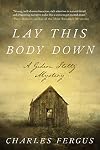
It is never easy to read novels that involve slavery – any aspect of it – but I feel they need to be read so that its horrors are never forgotten. So, this is not an easy book to read but not because it is not well written for it is. It is engrossing, fascinating and well worth your time.
BUT, it will not be a light, airy read so be prepared.
Gideon is starting to feel comfortable as sheriff but the times are anything but. He is dealing with the normal problems and complaints that come show more with the job as well as having to find a way to handle the growing conflicts between White and Black that are mirroring what is happening on a National level.
Things come to a head when several free Black residents disappear and fears are that they are being sold into slavery. It was very dangerous times to take up for Black folk. Free or not.
A compelling, well researched and well written take on a dark time in our history. Rumors of another book in the series abound and I hope they are true. show less
BUT, it will not be a light, airy read so be prepared.
Gideon is starting to feel comfortable as sheriff but the times are anything but. He is dealing with the normal problems and complaints that come show more with the job as well as having to find a way to handle the growing conflicts between White and Black that are mirroring what is happening on a National level.
Things come to a head when several free Black residents disappear and fears are that they are being sold into slavery. It was very dangerous times to take up for Black folk. Free or not.
A compelling, well researched and well written take on a dark time in our history. Rumors of another book in the series abound and I hope they are true. show less
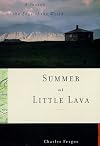
Charles Fergus introduces us to Iceland's moods, it's flora and fauna, it's seasons of death and rebirth. Fergus himself journeys from death to rebirth as he learns to accept the unacceptable and unthinkable: the violent death of his mother. He quotes Halldor Laxness:
"Who could take your mother away from you? How could your mother leave you? What's more, she is closesr to you the older you become and the longer it is since she died."
Fergus, his wife and young son rehabilitate a rustic cement show more house located on land that had been farmed for six centuries. Hiking, kayaking, and contemplation are Fergus' main occupations during his summer of healing.
Fergus includes a line from a poem that an Icelander shared with him: "You have not lived until you have stayed awake a summer's night in Iceland."
Do you think it is true? --I do. show less
"Who could take your mother away from you? How could your mother leave you? What's more, she is closesr to you the older you become and the longer it is since she died."
Fergus, his wife and young son rehabilitate a rustic cement show more house located on land that had been farmed for six centuries. Hiking, kayaking, and contemplation are Fergus' main occupations during his summer of healing.
Fergus includes a line from a poem that an Icelander shared with him: "You have not lived until you have stayed awake a summer's night in Iceland."
Do you think it is true? --I do. show less
Lists
You May Also Like


Statistics
- Works
- 22
- Members
- 414
- Popularity
- #58,865
- Rating
- 3.9
- Reviews
- 8
- ISBNs
- 41
- Languages
- 1
- Favorited
- 2