
Marcella Pixley
Author of Freak
About the Author
Image credit: via Amazon.com
Works by Marcella Pixley
Associated Works
Ab(solutely) Normal: Short Stories That Smash Mental Health Stereotypes (2023) — Contributor — 49 copies, 2 reviews
Tagged
Common Knowledge
- Gender
- female
- Education
- Vassar College
University of Tennesee - Occupations
- teacher (Eighth Grade Language Arts)
- Agent
- Victoria Wells Arms
- Places of residence
- Westford, Massachusetts, USA
- Associated Place (for map)
- Massachusetts, USA
Members
Reviews
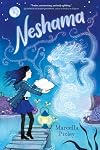
In this novel in verse, sixth-grade Anna sees and communicates with ghosts, which sets her apart from her family and her school community. No one understands Anna, but her bubbe calls her a "shayna neshama," beautiful soul, and Anna loves spending time with Bubbe in her house in Gloucester on weekends. There, she encounters Ruthie, her dad's sister, who died in an accident when Ruthie was eleven, and Anna allows Ruthie's spirit to come into her body to take care of unfinished tasks. But Anna show more doesn't always agree with Ruthie's decisions, and wrests control back, just as Bubbe collapses and needs their help.
Resolution includes healing and repair within the family, as well as at school: Anna teaches a former enemy how to talk to her own ghosts and connects with another outsider, and at home, her dad apologizes for his behavior and promises to change.
Quotes
The real blessing
is that the prayer has lasted
so many years,
like the spiderweb thread
of this white lace
woven with a silk
that is at once
incredibly fragile
and as strong as a story
told over and over
from a mother's mouth
to a daughter's ear,
one generation after another. (62)
I don't know what it is
that makes people want
to destroy things
they don't understand. (66)
...where no one can say
it's more important
to pretend I am normal
than to be
who I was meant to be... (76)
[Ruthie] is like a tight little wire of courage
coiled inside my heart, ready
to spring on the entire world at once. (150)
Maybe [forgiveness is] not being okay
with what the person did.
Maybe it's not about
forgetting or getting past it.
Maybe it's about hugging the hurt,
calling it by name,
and then loving them anyway. (315)
...there is nothing
I can do but
be Anna every day
even if it means
no one liking me... (317) show less
Resolution includes healing and repair within the family, as well as at school: Anna teaches a former enemy how to talk to her own ghosts and connects with another outsider, and at home, her dad apologizes for his behavior and promises to change.
Quotes
The real blessing
is that the prayer has lasted
so many years,
like the spiderweb thread
of this white lace
woven with a silk
that is at once
incredibly fragile
and as strong as a story
told over and over
from a mother's mouth
to a daughter's ear,
one generation after another. (62)
I don't know what it is
that makes people want
to destroy things
they don't understand. (66)
...where no one can say
it's more important
to pretend I am normal
than to be
who I was meant to be... (76)
[Ruthie] is like a tight little wire of courage
coiled inside my heart, ready
to spring on the entire world at once. (150)
Maybe [forgiveness is] not being okay
with what the person did.
Maybe it's not about
forgetting or getting past it.
Maybe it's about hugging the hurt,
calling it by name,
and then loving them anyway. (315)
...there is nothing
I can do but
be Anna every day
even if it means
no one liking me... (317) show less
Anna sees ghosts.
Talking with and about ghosts—not to mention her blue-dyed hair, combat boots, and weird poetry—has left Anna shunned by her sixth grade classmates. Even her father would rather break her spirit than support her macabre behavior. Only her grandmother, Bubbe Esther, offers Anna the kindness and space to be herself. On a solo visit to Bubbe’s home in Gloucester, Massachusetts, Anna encounters the ghost of Ruthie, her father’s sister, who died in childhood and now wants show more Anna’s help to settle some scores. Pixley’s verse balances gauzy abstractions with well-wrought details, highlighting the physicality of the living that the ghosts envy: “We watch you / at night / when you are sleeping. / We love / the sound / of your breath / hissing / like silver thread / pulled through silk.” While visiting Bubbe, Anna also feels drawn to her grandmother’s Jewish observance, which Ruthie practiced unabashedly—another form of self-expression her secular father has rejected. The relationship between Anna and her ghostly aunt evolves effectively, with the decisive, liberated Ruthie initially helping to bolster Anna’s confidence; over time, she becomes more feral and overbearing, forcing Anna to trust and assert her own judgment. A denouement with her father feels rather quick, but readers will cheer Anna’s burgeoning ability to embrace her unusual skills and advocate for herself. Characters are cued white.
An eerie, melancholic story of family trauma and healing. (Verse fiction. 9-13)
-Kirkus Review show less
Talking with and about ghosts—not to mention her blue-dyed hair, combat boots, and weird poetry—has left Anna shunned by her sixth grade classmates. Even her father would rather break her spirit than support her macabre behavior. Only her grandmother, Bubbe Esther, offers Anna the kindness and space to be herself. On a solo visit to Bubbe’s home in Gloucester, Massachusetts, Anna encounters the ghost of Ruthie, her father’s sister, who died in childhood and now wants show more Anna’s help to settle some scores. Pixley’s verse balances gauzy abstractions with well-wrought details, highlighting the physicality of the living that the ghosts envy: “We watch you / at night / when you are sleeping. / We love / the sound / of your breath / hissing / like silver thread / pulled through silk.” While visiting Bubbe, Anna also feels drawn to her grandmother’s Jewish observance, which Ruthie practiced unabashedly—another form of self-expression her secular father has rejected. The relationship between Anna and her ghostly aunt evolves effectively, with the decisive, liberated Ruthie initially helping to bolster Anna’s confidence; over time, she becomes more feral and overbearing, forcing Anna to trust and assert her own judgment. A denouement with her father feels rather quick, but readers will cheer Anna’s burgeoning ability to embrace her unusual skills and advocate for herself. Characters are cued white.
An eerie, melancholic story of family trauma and healing. (Verse fiction. 9-13)
-Kirkus Review show less
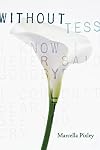
By far the most notable thing about Without Tess is the gorgeous prose. Marcella Pixley’s writing is lilting and lyrical and lovely. It was perfect for a story about a dreamy girl who lives in a world full of fairies and flying horses. Pixley gives the novel a dreamy feeling, but darkness almost always edges in, leaving the reader unsure of whether Without Tess is a pleasant dream or a nightmare. Much of this darkness comes from Tess, the titular character. Tess is quirky and filled to the show more brim with imagination, but she’s also psychotic and reckless. Tess’s world of delusions is vivid and terrifying, and though her Pixley lets us glimpse into the mind of someone truly insane. Through flashbacks we get to see Tess sink further and further into her imaginary world, and while it’s a bit horrifying, it’s also fascinating and very absorbing. You can’t help but read on, wondering about Tess’s ultimate demise.
Another enjoyable thing about Without Tess is the poetry sprinkled throughout. The poetry is truly beautiful, and it’s whimsicality really helped portray what kind of child Tess was. The way the poems lead up to a flashback, too, was very well done, and I liked trying to compare Tess’s perspective (the poems) and Lizzie’s (the narrative). Lizzie’s narration has two sides—there are the flashbacks, where she’s a naïve child who looks up to her sister, and there is the present, where Lizzie tries to explain to her therapist why she won’t let Tess go. I personally enjoyed Young Lizzie’s narration the best—her innocence provides an interesting perspective, and because of her youth, everything is candid; there is no unreliable narrator. I found Lizzie’s current predicament to pale in comparison to her experiences with Tess; perhaps shedding light on why she refuses to forget her sister. Still, the interactions between Lizzie and her therapist were fun, and I enjoyed the ongoing gag about Lizzie using Tess’s poetry to pass her creative writing class.
Without Tess is another rare YA story that could be considered magically realistic. There are elements of fantasy—so fans of make-believe will enjoy those parts—but there are also contemporary and psychological themes that ground the book in reality. Because of this, Without Tess will appeal to all YA readers—young and old. I definitely enjoyed reading about Tess and Lizzie; their adventures were fun and occasionally scary, and their tie to each other was otherworldly. show less
Another enjoyable thing about Without Tess is the poetry sprinkled throughout. The poetry is truly beautiful, and it’s whimsicality really helped portray what kind of child Tess was. The way the poems lead up to a flashback, too, was very well done, and I liked trying to compare Tess’s perspective (the poems) and Lizzie’s (the narrative). Lizzie’s narration has two sides—there are the flashbacks, where she’s a naïve child who looks up to her sister, and there is the present, where Lizzie tries to explain to her therapist why she won’t let Tess go. I personally enjoyed Young Lizzie’s narration the best—her innocence provides an interesting perspective, and because of her youth, everything is candid; there is no unreliable narrator. I found Lizzie’s current predicament to pale in comparison to her experiences with Tess; perhaps shedding light on why she refuses to forget her sister. Still, the interactions between Lizzie and her therapist were fun, and I enjoyed the ongoing gag about Lizzie using Tess’s poetry to pass her creative writing class.
Without Tess is another rare YA story that could be considered magically realistic. There are elements of fantasy—so fans of make-believe will enjoy those parts—but there are also contemporary and psychological themes that ground the book in reality. Because of this, Without Tess will appeal to all YA readers—young and old. I definitely enjoyed reading about Tess and Lizzie; their adventures were fun and occasionally scary, and their tie to each other was otherworldly. show less
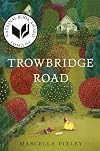
This is a heartbreaking novel. Caught in her own grief and trapped by her mother's mental illness, June escapes by hiding in a tree. One day she is pulled out of the tree by the enigmatic Ziggy, who is carrying his own pain. Together June and Ziggy forge a relationship that allows them to survive their mothers' neglect and permits other people to care for them.
Some scenes in this novel verge on magical realism, which feels narratively like the only way for June to make sense of her show more inexplicably cruel world. It is an excellent novel for teaching empathy and compassion in a context that is quite different — yet also strangely similar — to today. Recommended for school and classroom libraries. show less
Some scenes in this novel verge on magical realism, which feels narratively like the only way for June to make sense of her show more inexplicably cruel world. It is an excellent novel for teaching empathy and compassion in a context that is quite different — yet also strangely similar — to today. Recommended for school and classroom libraries. show less
 This review was written for LibraryThing Early Reviewers.
Lists
Awards


You May Also Like


Associated Authors
Statistics
- Works
- 5
- Also by
- 2
- Members
- 419
- Popularity
- #58,190
- Rating
- 3.9
- Reviews
- 44
- ISBNs
- 28
