

Gareth Ryder-Hanrahan
Author of The Gutter Prayer
About the Author
Series
Works by Gareth Ryder-Hanrahan
Free League The One Ring: Ruins of The Lost Realm – Erweiterungsbuch, Hardcover-Buch, RPG (2022) 51 copies
The Lord of the Rings™ Roleplaying - Moria – Shadow of Khazad-dûm™ (Adventure Module, Hardback) (2024) 13 copies
Invasive Procedures 10 copies
Hands of the White Wizard 9 copies
A Cable's Length from Shore ( Cthulhu Confidential ) : On a Bank by Moonlight ( The Fall of Delta Green ) : GUMSHOE roleplaying (2018) 9 copies
Swords Against the Dead/The Van Helsing Letter (for 13th Age/Night's Black Agents) Free RPG Day 2016 7 copies
The Borellus Connection 4 copies
The Hawkins Papers 4 copies
Make Your Own Luck 4 copies
Black Star Magic — Contributor — 4 copies
Trials of Saruman 3 copies
Necromancy (Rune Quest II) 3 copies
Book of the Underworld 3 copies
Lorefinder 2 copies
The Tomb of Solomon 2 copies
Internal Security - Blue Line 2 copies
The Strange Land 2 copies
Lord of Misrule 2 copies
The Paragon Blade 2 copies
The House of Wine 1 copy
Ships of the Reach 1 copy
The Dracula Vector 1 copy
The Best of Intentions 1 copy
The Persephone Extraction 1 copy
Traveller Developer Pack 1 copy
Brief Cases 1 copy
The Triple Serpent 1 copy
Associated Works
Hideous Creatures a Bestiary of the Cthulhu Mythos Trail of Cthulhu Supp., Hardback (2018) — Author — 16 copies
Tagged
Common Knowledge
- Canonical name
- Ryder-Hanrahan, Gareth
- Gender
- male
- Nationality
- Ireland
- Associated Place (for map)
- Ireland
Members
Reviews
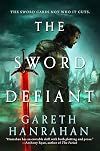
Nine heroes came together and defeated the dark lord of Necrad twenty-two years ago, losing one of their own in the process, and now have been doing their best without him trying to lead the city to mixed results. On the surface, The Sword Defiant is a story of one warrior realizing the good old times are old times for a reason, while a mother overcomes the traumatic events of her past to save her son and discover the broader world at large. Underneath the surface is a tale of what happens show more when the war is won, and your comrades have grown older and changed, changed in a way that you may no longer trust them or approve of how they view the world.
After two years away, Aelfric the Lammergeir returns to the city of Necrad after being given a prophecy of dark tidings, but one of the other Nine Heroes, Jan, only to find things aren’t not going all that well. Gareth Hanrahan plays with trust throughout the story, especially with the remaining eight heroes. Early on, it’s revealed the grave containing the remains of their friend and the dark lord who were entangled together in death can only be opened by one of the eight, and Aelfric soon discovers it not only opened but the remains missing. It serves as a great hook as we meet the remaining nine, all steeped in morally grey areas that ask who Aelfric can trust.
Alf trusts too quickly, especially regarding the Nine, but the demon sword, Spellbreaker, does not, which made me wonder if the sword may have a point. Whether it was doing so for its purposes or not, the advice it gave Aelfric was quite reasonable for an evil sword. Except for the encouragement of killing of innocence, of course, it’s a sword; what does it know of good and evil? It’s made for killing. The relationship between sword and wielder was a standout part of the book, with them both needing something from one another while the other isn’t willing to give it up so easily.
Setting the book twenty-two years after the defeat of Lord Bones gives the author the tools to write Aelfric with a unique perspective. Fantasy often favors younger people for the chosen heroes, usually at a period when searching for the purpose of their life doesn’t weigh on their minds. The author writes Aelfric’s age from his point-of-view so well. You can feel it in how he swings his sword with either reluctance or indifference, like a man clocking into the same job he’s had for twenty-two years. He has only known the quest for so long, so when Jan, one of the Nine, tells him of a prophetic darkness coming, Alf latches on to it. The rest of the Nine have meaning to their lives, responsibilities, and a purpose, whether homeland, comrades, family, wealth, or power. Aelfric has none of those, and this weighs heavily on him at his age. He was the farm boy who became a hero, finished the quest, and became a knight with glory and treasure. Now, all that is in the past, and he doesn’t know what to do with his life. Until the events of The Sword Defiant go wrong, Aelfric needs the quest more than the quest needs doing. That inner turmoil makes for a great read.
While Aelfric is lost for a purpose without the quest, his sister Olva, is unlucky enough to have the quest thrust upon her. When her son Derwyn goes chasing after the long shadow of his legendary uncle in the far-off city of Necrad, Olva is forced to head on her own adventure to retrieve him. Side by side with Aelfric’s point-of-view chapters, Olva has a much more traditional fantasy quest; the farmer from a small village leaves on a quest to save their loved one, gaining allies along the way and learning of a wider world. In this regard, Olva is the hero, and Derwyn is the damsel-in-distress. As opposed to Aelfric’s tired indifference, Olva’s point-of-view gives us a mother determined at all costs to save her son. Through her, we see the world of The Sword Defiant and the city of Necrad in a much less cynical light, even though Olva has lived through her own traumatic events.
If you’ve read Hanrahan’s The Black Iron Legacy series, you know the author writes cities so well and alive, like that old cliche of the city is a character in itself. Each section of the city takes on a life of its own, from the sectors that house the refugee Witch Elves to The Wailing Tower, where the wizard Blaise studies the spells of the former dark lord. Necrad means so many different things to the many people either living there or having an active investment in what goes on there, and none of them gel quite well with one another ideally. What will happen to Necrad is the story Gareth is telling under the surface of what’s become of the Nine. It’s as if the author is playing a sleight of hand trick on his reader, showing a card displaying Aelfric trying to bring the remaining Nine Heroes together against whatever darkness Jan has prophesied while slipping into your pocket a card showing what’s happening in Necrad to delight much.
Creating a world of sword and sorcery with humans, elves, and dwarves, with wizards, rogues, barbarians, monsters, and magic swords in 2023, is difficult, especially to do so without treading the same ground. Approaching The Sword Defiant after the dark lord has been defeated. The heroes have had twenty years to figure out what happens next makes it feel like you’re picking up the sword and sorcery book of your youth when you’ve become an adult with more mature problems and consequences of a fantasy world without having to shed what was fun about that kind of books when you were younger. show less
After two years away, Aelfric the Lammergeir returns to the city of Necrad after being given a prophecy of dark tidings, but one of the other Nine Heroes, Jan, only to find things aren’t not going all that well. Gareth Hanrahan plays with trust throughout the story, especially with the remaining eight heroes. Early on, it’s revealed the grave containing the remains of their friend and the dark lord who were entangled together in death can only be opened by one of the eight, and Aelfric soon discovers it not only opened but the remains missing. It serves as a great hook as we meet the remaining nine, all steeped in morally grey areas that ask who Aelfric can trust.
Alf trusts too quickly, especially regarding the Nine, but the demon sword, Spellbreaker, does not, which made me wonder if the sword may have a point. Whether it was doing so for its purposes or not, the advice it gave Aelfric was quite reasonable for an evil sword. Except for the encouragement of killing of innocence, of course, it’s a sword; what does it know of good and evil? It’s made for killing. The relationship between sword and wielder was a standout part of the book, with them both needing something from one another while the other isn’t willing to give it up so easily.
Setting the book twenty-two years after the defeat of Lord Bones gives the author the tools to write Aelfric with a unique perspective. Fantasy often favors younger people for the chosen heroes, usually at a period when searching for the purpose of their life doesn’t weigh on their minds. The author writes Aelfric’s age from his point-of-view so well. You can feel it in how he swings his sword with either reluctance or indifference, like a man clocking into the same job he’s had for twenty-two years. He has only known the quest for so long, so when Jan, one of the Nine, tells him of a prophetic darkness coming, Alf latches on to it. The rest of the Nine have meaning to their lives, responsibilities, and a purpose, whether homeland, comrades, family, wealth, or power. Aelfric has none of those, and this weighs heavily on him at his age. He was the farm boy who became a hero, finished the quest, and became a knight with glory and treasure. Now, all that is in the past, and he doesn’t know what to do with his life. Until the events of The Sword Defiant go wrong, Aelfric needs the quest more than the quest needs doing. That inner turmoil makes for a great read.
While Aelfric is lost for a purpose without the quest, his sister Olva, is unlucky enough to have the quest thrust upon her. When her son Derwyn goes chasing after the long shadow of his legendary uncle in the far-off city of Necrad, Olva is forced to head on her own adventure to retrieve him. Side by side with Aelfric’s point-of-view chapters, Olva has a much more traditional fantasy quest; the farmer from a small village leaves on a quest to save their loved one, gaining allies along the way and learning of a wider world. In this regard, Olva is the hero, and Derwyn is the damsel-in-distress. As opposed to Aelfric’s tired indifference, Olva’s point-of-view gives us a mother determined at all costs to save her son. Through her, we see the world of The Sword Defiant and the city of Necrad in a much less cynical light, even though Olva has lived through her own traumatic events.
If you’ve read Hanrahan’s The Black Iron Legacy series, you know the author writes cities so well and alive, like that old cliche of the city is a character in itself. Each section of the city takes on a life of its own, from the sectors that house the refugee Witch Elves to The Wailing Tower, where the wizard Blaise studies the spells of the former dark lord. Necrad means so many different things to the many people either living there or having an active investment in what goes on there, and none of them gel quite well with one another ideally. What will happen to Necrad is the story Gareth is telling under the surface of what’s become of the Nine. It’s as if the author is playing a sleight of hand trick on his reader, showing a card displaying Aelfric trying to bring the remaining Nine Heroes together against whatever darkness Jan has prophesied while slipping into your pocket a card showing what’s happening in Necrad to delight much.
Creating a world of sword and sorcery with humans, elves, and dwarves, with wizards, rogues, barbarians, monsters, and magic swords in 2023, is difficult, especially to do so without treading the same ground. Approaching The Sword Defiant after the dark lord has been defeated. The heroes have had twenty years to figure out what happens next makes it feel like you’re picking up the sword and sorcery book of your youth when you’ve become an adult with more mature problems and consequences of a fantasy world without having to shed what was fun about that kind of books when you were younger. show less
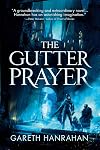
I received this novel from Orbit Books, through NetGalley, in exchange for an honest review: my thanks to both of them for this opportunity.
This is the kind of book that requires extreme flexibility of mind from its readers, because it throws them into the thick of things from page one, and from there it keeps a constant, swift pace for most of its length, leaving them almost no time to metabolize the events or to consider them in depth – which in a way encapsulates both the pros and cons show more of this story. If that breakneck speed works well for the progress of the story itself, which is built upon a series of twists and turns, discoveries and betrayals, it goes to the detriment of character development, because in the end it seems we never get to know those people well, or at least that was the impression I received.
The city of Guerdon is something of a safe port in a sea of turmoil, while the rest of the world is in the throes of the God War, a conflict in which divine entities battle for supremacy, generating hordes of refugees fleeing from mayhem and destruction. Guerdon avoided this fate some time before by taming its deities and turning them into the Kept Gods, beings whose powers are greatly diminished and only wielded through “saints”, ordinary people imbued with special faculties who act on the gods’ behalf. This does not mean, however, that the city is a quiet place: the secular powers running Guerdon keep contending with each other for dominance, and it soon becomes clear that someone has been working in secret to tap the buried energies of the old gods to achieve that goal. In this scenario, the three main characters find themselves swept away by events that seem bigger than they are and that will test their powers for endurance and growth.
Carillon Thay, or Cari, is the only survivor of a once-influential family whose members where slaughtered when she was a small child. Trusted into the care of relatives, she ran away but was forced to return to Guerdon – penniless and desperate – and try to eke out a living among the thieves of the less-savory quarters of the city. We meet her in the middle of a heist she’s working on with her friends Spar and Rat, and from that moment on she falls prey to terrifying visions that hint at something dark and dreadful at work. Spar is the son of the former head of the Thieves’ guild, or Brotherhood, and he lives in the shadow of his famous father who died in prison without revealing the Brotherhood’s secrets despite beatings and torture: Spar wants nothing more than to follow in his father’s footsteps, but his dreams are crushed when he contracts the Stone Plague, an illness that turns its victims into pieces of rock. And finally there’s Rat, a ghoul who tries desperately not to succumb too soon to his people’s inescapable drive for dead flesh and underground dwellings, staying near the surface as long as he can. The friendship between these three people, the bond they forge in spite of their differences, is indeed the brightest light in the grim scenario of The Gutter Prayer, and something that manages to withstand the worst kinds of test.
As the story progresses, we are taken through various parts of the city and learn of its structure and history, of its day-to-day workings and its horrors, especially the horrors: the Alchemists’ guild is one of the strongest powers in Guerdon, and among their creations are the Tallowmen, unfortunate people – mostly criminals and low-lives – who have been rendered into waxy shapes animated by a lit wick in the head; or the Gullheads, whose mere sight can inspire deep terror in the onlookers. But there are even worse players at large, like the Ravellers – nightmarish creatures who consume their victims and are able to take on their appearance so as to ensnare other targets; or the Crawling Ones, masses of worms that can mimic the human shape of the people whose soul they have eaten.
With such horrors as background and the revelation of the dirty political maneuverings that are the heart and blood of the city, Guerdon takes its rightful place among the flesh-and-blood characters and becomes more than a simple theater for events; more than once I was reminded of another city where darkness was stronger than light, China Mieville’s New Crobuzon from Perdido Street Station, but with an important difference: where the depiction of New Crobuzon stressed the element of decay almost to the point of basking in it – one of the reasons I did not enjoy that novel – here the negative aspects play as counterpoint to the story’s saving graces, and in particular to the themes of friendship and loyalty that are embodied in Cari, Spar and Rat. Cari in particular looks like a whimsical creature, one whose fight-or-flight instinct tends toward the latter rather than the former, a person who at first seems superficial and self-centered but who slowly reveals her deep commitment to her friends, and her willingness to sacrifice everything for them. And if Spar’s nobility is clear from the very start, something that together with his stoic acceptance of the illness’ unavoidable progression quickly endeared him to me, Rat comes across as a more complex creature, one whose nature and leanings bring him to live always on the edge.
What we can learn about these characters and the many others that people the story, however, looks more like fleeting glimpses, and the reckless speed of the narrative often denies the possibility of delving deeper into their nature, of knowing them better, which unfortunately leads to an overall effect of detachment that is one of my main contentions with this novel: I need to feel invested in characters – either for good or bad – to really connect with a book, and The Gutter Prayer never fully let me do this, keeping me at arm’s length, so to speak.
There is nothing wrong in a plot-driven story, of course, but it seems… wasteful to build such intriguing characters only to employ them as little more than extras - and here comes my other big problem with this novel: a good number of these people ends up dead, and that in itself would not be so unexpected considering how the story unfolds, but all these deaths seem devoid of any emotional connection since they happen far too quickly and are immediately washed away by the tsunami of other events. Two are the instances where this narrative choice bothered me greatly: in one case it’s an heroic act that allows other people to escape, and it happens off-screen, only a flash in the darkness marking the character’s ultimate sacrifice; in the other the person falls from a great height and is seen no more, and even if there are momentous consequences in the wake of that fall, it’s as if the individual did not matter anymore. In both cases it felt as if the characters were only little motes in the grand scheme of things, and given my sympathy for both of them that was quite hard to accept.
Still, The Gutter Prayer is a solid, very enjoyable novel and as debuts go a reasonably well-crafted one, and I can certainly recommend it to all lovers of the genre. show less
This is the kind of book that requires extreme flexibility of mind from its readers, because it throws them into the thick of things from page one, and from there it keeps a constant, swift pace for most of its length, leaving them almost no time to metabolize the events or to consider them in depth – which in a way encapsulates both the pros and cons show more of this story. If that breakneck speed works well for the progress of the story itself, which is built upon a series of twists and turns, discoveries and betrayals, it goes to the detriment of character development, because in the end it seems we never get to know those people well, or at least that was the impression I received.
The city of Guerdon is something of a safe port in a sea of turmoil, while the rest of the world is in the throes of the God War, a conflict in which divine entities battle for supremacy, generating hordes of refugees fleeing from mayhem and destruction. Guerdon avoided this fate some time before by taming its deities and turning them into the Kept Gods, beings whose powers are greatly diminished and only wielded through “saints”, ordinary people imbued with special faculties who act on the gods’ behalf. This does not mean, however, that the city is a quiet place: the secular powers running Guerdon keep contending with each other for dominance, and it soon becomes clear that someone has been working in secret to tap the buried energies of the old gods to achieve that goal. In this scenario, the three main characters find themselves swept away by events that seem bigger than they are and that will test their powers for endurance and growth.
Carillon Thay, or Cari, is the only survivor of a once-influential family whose members where slaughtered when she was a small child. Trusted into the care of relatives, she ran away but was forced to return to Guerdon – penniless and desperate – and try to eke out a living among the thieves of the less-savory quarters of the city. We meet her in the middle of a heist she’s working on with her friends Spar and Rat, and from that moment on she falls prey to terrifying visions that hint at something dark and dreadful at work. Spar is the son of the former head of the Thieves’ guild, or Brotherhood, and he lives in the shadow of his famous father who died in prison without revealing the Brotherhood’s secrets despite beatings and torture: Spar wants nothing more than to follow in his father’s footsteps, but his dreams are crushed when he contracts the Stone Plague, an illness that turns its victims into pieces of rock. And finally there’s Rat, a ghoul who tries desperately not to succumb too soon to his people’s inescapable drive for dead flesh and underground dwellings, staying near the surface as long as he can. The friendship between these three people, the bond they forge in spite of their differences, is indeed the brightest light in the grim scenario of The Gutter Prayer, and something that manages to withstand the worst kinds of test.
As the story progresses, we are taken through various parts of the city and learn of its structure and history, of its day-to-day workings and its horrors, especially the horrors: the Alchemists’ guild is one of the strongest powers in Guerdon, and among their creations are the Tallowmen, unfortunate people – mostly criminals and low-lives – who have been rendered into waxy shapes animated by a lit wick in the head; or the Gullheads, whose mere sight can inspire deep terror in the onlookers. But there are even worse players at large, like the Ravellers – nightmarish creatures who consume their victims and are able to take on their appearance so as to ensnare other targets; or the Crawling Ones, masses of worms that can mimic the human shape of the people whose soul they have eaten.
With such horrors as background and the revelation of the dirty political maneuverings that are the heart and blood of the city, Guerdon takes its rightful place among the flesh-and-blood characters and becomes more than a simple theater for events; more than once I was reminded of another city where darkness was stronger than light, China Mieville’s New Crobuzon from Perdido Street Station, but with an important difference: where the depiction of New Crobuzon stressed the element of decay almost to the point of basking in it – one of the reasons I did not enjoy that novel – here the negative aspects play as counterpoint to the story’s saving graces, and in particular to the themes of friendship and loyalty that are embodied in Cari, Spar and Rat. Cari in particular looks like a whimsical creature, one whose fight-or-flight instinct tends toward the latter rather than the former, a person who at first seems superficial and self-centered but who slowly reveals her deep commitment to her friends, and her willingness to sacrifice everything for them. And if Spar’s nobility is clear from the very start, something that together with his stoic acceptance of the illness’ unavoidable progression quickly endeared him to me, Rat comes across as a more complex creature, one whose nature and leanings bring him to live always on the edge.
What we can learn about these characters and the many others that people the story, however, looks more like fleeting glimpses, and the reckless speed of the narrative often denies the possibility of delving deeper into their nature, of knowing them better, which unfortunately leads to an overall effect of detachment that is one of my main contentions with this novel: I need to feel invested in characters – either for good or bad – to really connect with a book, and The Gutter Prayer never fully let me do this, keeping me at arm’s length, so to speak.
There is nothing wrong in a plot-driven story, of course, but it seems… wasteful to build such intriguing characters only to employ them as little more than extras - and here comes my other big problem with this novel: a good number of these people ends up dead, and that in itself would not be so unexpected considering how the story unfolds, but all these deaths seem devoid of any emotional connection since they happen far too quickly and are immediately washed away by the tsunami of other events. Two are the instances where this narrative choice bothered me greatly: in one case it’s an heroic act that allows other people to escape, and it happens off-screen, only a flash in the darkness marking the character’s ultimate sacrifice; in the other the person falls from a great height and is seen no more, and even if there are momentous consequences in the wake of that fall, it’s as if the individual did not matter anymore. In both cases it felt as if the characters were only little motes in the grand scheme of things, and given my sympathy for both of them that was quite hard to accept.
Still, The Gutter Prayer is a solid, very enjoyable novel and as debuts go a reasonably well-crafted one, and I can certainly recommend it to all lovers of the genre. show less
Once again, Gareth Ryder-Hanrahan has reached out through words and gripped my heart in hands. Although thankfully, the author did NOT put it in a bowl filled with all the others they must be amassing.
What an amazing tale start to finish once again. And with a character development that I had hoped to see from one of my newest favorite, smartest heroines yet. I was unable to put this book down once I started it, just like the first. And that ENDING was everything, and while I suspected some show more things--I did not expect it, but I loved it.
I cannot wait for #3. Thank you so much for this wonderful series. show less
What an amazing tale start to finish once again. And with a character development that I had hoped to see from one of my newest favorite, smartest heroines yet. I was unable to put this book down once I started it, just like the first. And that ENDING was everything, and while I suspected some show more things--I did not expect it, but I loved it.
I cannot wait for #3. Thank you so much for this wonderful series. show less
I've never rated a book 5 star after the first read before this one. This is one of the best debut book I've read and this book deserves the 5 stars.
If you have read my reviews before, I never go through the story or parts of the story. I mostly talk about my experience with the book. Being said those I think everyone should read this book without knowing anything about it just like I went.
The book revolves around three characters Carillon, Rat and Spar. From the start of the book I didn't show more cared about Carillon (because she was written like a YA character) and Rat doesn't has any bigger character arcs and POVs. So definitely I liked Spar mostly in this book and he deserves the best character award for this book.
With respect to the book, it mostly discuss about the Worldbuilding and character development mostly. So if you are interested in those this book will appeal to you the most. But I never expected the twist at the ending chapters of the book and that moved me from 4,5 stars to 5 stars and I am waiting to start book 2 next month. show less
If you have read my reviews before, I never go through the story or parts of the story. I mostly talk about my experience with the book. Being said those I think everyone should read this book without knowing anything about it just like I went.
The book revolves around three characters Carillon, Rat and Spar. From the start of the book I didn't show more cared about Carillon (because she was written like a YA character) and Rat doesn't has any bigger character arcs and POVs. So definitely I liked Spar mostly in this book and he deserves the best character award for this book.
With respect to the book, it mostly discuss about the Worldbuilding and character development mostly. So if you are interested in those this book will appeal to you the most. But I never expected the twist at the ending chapters of the book and that moved me from 4,5 stars to 5 stars and I am waiting to start book 2 next month. show less
Lists
Awards


You May Also Like


Associated Authors
Statistics
- Works
- 162
- Also by
- 13
- Members
- 2,550
- Popularity
- #10,069
- Rating
- 3.8
- Reviews
- 28
- ISBNs
- 184
- Languages
- 10
- Favorited
- 1