
Louise Rankin
Author of Daughter of the Mountains
About the Author
Works by Louise Rankin
Tagged
Common Knowledge
- Gender
- female
Members
Reviews
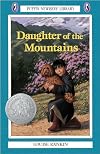
Wow, great book published in 1948. Maybe not the best book from a ‘dog’ book perspective, but a great book that left me with a good feeling for a long time. Funny how sometimes you have a book with a name or cover art you find not so inviting can hide an amazing story.
I don’t see a summary on Goodreads, but here is what Wikipedia says:
Daughter of the Mountains is a children's novel by Louise Rankin. It tells the story of Momo, a Tibetan girl who undertakes a long and difficult journey show more to save her little dog Pempai, a Lhasa Terrier from the wool trader who stole him. The novel, illustrated by Kurt Wiese, was first published in 1948 and was a Newbery Honor recipient in 1949.
I can definitely see why it was worthy of an award.
I will provide quotes from the book to use to talk about aspects that made me love the book. The book is about faith, courage, and persistence. It is bursting with glorious culture from a faraway place and time written by someone who has lived in the respective locations long enough to make it feel completely authentic. It is also a joyful looking at new things from complete innocence. The quotes are not isolated ‘best of’ quotes but just examples of how the whole book is wonderfully written.
When Momo is four year old she sees the dog the head Lama and then asks her family for one like she saw. She is told maybe her uncle can bring her one. When she is eight Momo asks about the dog. The next excerpt is also a good example of details of her faith:
‘“My uncle never comes,” Momo said to her mother. “Shall I never get a terrier from Lhasa?”
“Everything depends on the will of God,” her gentle mother replied. “Pray to Him. If the blessed Lord Buddha wishes, He will bring you one.”
So Momo began to pray. Every morning and evening she took up the round prayer wheel her father had got from the Red Hat priests of the monastery, and twirled it in one hand as she helped her mother to keep up the fire. Their prayer wheel was only a small copper cylinder on a wooden handle, but inside it was stuffed with a thousand prayers, written in bold black letters in the lamas’ careful hand, and blessed by the head lama himself. As she kept the wheel revolving, Momo thought with satisfaction, “Now not only the one prayer of my mouth, but all these thousand prayers reach the ear of the Lord Buddha at the same time.” She waited more patiently, believing that He would one day hear these prayers and answer them.’
Momo does get her dog, and she asks for an astrologer to help with the naming, The decision is made to give the dog the same (real or other) name for Momo which is Pempa. Pempa means Saturday, and was the day Momo was born, and also was the day of the week when they get the dog. The astrologer goes on to make a prediction:
‘It is indeed right,” Dawa told her, ‘‘that you two be given the same name. For, by the will of the Blessed One, you two will go through many adventures, and this dog will bring fortune to you all.”’
So Momo gets her dog and is happy. This next bit is a nice description of the dog:
‘His tail arched gaily over his back and waved like a beautiful plume. Long golden hair fell like a curtain over his face, hiding his eyes until they flashed out merrily when he tossed his head. He was, Momo knew, the most beautiful dog in the world, and as her father had said of the head lama’s terrier, like a prince among men.
He was as gentle as he was strong, and had fine manners. Before entering the house in winter he always stopped to shake the snow from his long, thick hair. He sat up and begged for his tsampa, and said thank you with a bark and a wave of his paw. He could stand on his hind legs and dance to the music of Nema’s fiddle. Day and night he was at Momo’s side, in the house or on the hills, and always lovingly obedient to her least command, a merry and adoring companion. He understood, naturally, all her words and even her thoughts, and Momo returned his love in full measure.’
The book has a lot of details and uses a fair amount of terms. I don’t remember tsampa being fully explained in the book, but from Wikipedia again:
Tsampa or Tsamba (Tibetan: རྩམ་པ་, Wylie: rtsam pa; Chinese: 糌粑; pinyin: zānbā) is a Tibetan and Himalayan staple foodstuff, it is also prominent in parts of northern Nepal. It is glutinous meal made from roasted flour, usually barley flour and sometimes also wheat flour and flour prepared from tree peony seeds. It is usually mixed with the Tibetan butter tea.
Speaking of tea, it is spoken of often in the book and people carry their tea bowl in their robe. I am a huge (green) tea fan, but unfortunately, I didn’t find a good quote I wanted to save. The tea they speak of is different though. Again, from Wikipedia, the butter tea is described as ‘Traditionally, it is made from tea leaves, yak butter, water, and salt.’
So Momo has her dog and all is well, but of course:
‘For so long Pempa had been one of the family, and the days and seasons had rolled by as before, that Nema had at last forgotten Dawa’s promise of the adventure and fortune he was to bring. Then, when least expected, like the sudden flash and crackle of lightning in a mountain storm, adventure came.’
Momo’s dog is stolen and that starts a great journey to get the dog back. Of course, along the way, everyone tells her it is hopeless and she should turn back but Momo is persistent. What I liked was in addition to worries a normal young girl might have to fear, there was also supernatural fears. These are some descriptions of what she felt she was facing she learned from her father Nema:
‘But from her father Momo had learned some fear. To Nema the Lord Buddha was good, no doubt, but very far away, beyond all sight or knowing. And the powers of evil—these were very close and terrible to Nema. He spent his days battling against them. There were the vast mountains, goddesses of great power; the guardian country gods; the deities of place, who dwelt in rocks, trees, or springs—spiteful creatures who in ill temper love to vex mankind; the earth demons; the bold demons of the sky, and all the devils, and ghosts of the spIrits of the dead. Some of these spirits were kind to man, but Most were not.’
‘She felt that something, something, was here. It was all about her, and it was something very strange.
"Ai! Ail” she wailed. For now she remembered. This, the very earth under her, was the burial ground of the British soldiers who had fallen in that battle long ago with her own people. And of all the ghosts, these, the foreign dead, were the most evil. Black and malignant devils, they were never to be appeased but by the sacrifice of a pig. She shrieked in terror.’
There may have been terrors along the way, but also beautiful places, exotic places, and new and wonderous things like cars and trains. As Momo runs in pursuit of those who stole her dog, she pauses at times to take in all the new wonders. Here is one passage where she stops to notice the scenery:
‘And she leaped again down the mountain, and was soon far from the jangle of bells and the clatter of hoofs, deep in the stillness of the forest. This was a place of dim enchantment. Light, high mists had drifted over the sun, and mingled with the heavier mist of lacy moss that trailed from the upper branches. Now and then a ray of sunshine filtered through this silver mist, and fell at Momo’s feet like a broad arrow, leading her on and down. But no sounds—not even the cry of a bird, nor the rush of water—disturbed the quiet dreaming peace of this forest. Even the roadway here was not stone, but soft earth, over which her feet padded silently.’
Here is a bit on riding in a rickshaw for the first time:
‘She looked with pleasure at the blue cushioned seat and the hood to protect the rider from sun or rain. How very strange it felt merely to sit above those turning wheels, and bowl gently down the street! And to watch the trotting legs of the rickshaw man before her in the shafts! Since she had grown too big to be lifted astride her father’s shoulder or her mother’s hip, Momo had never been carried by anything but her own strong legs, She laughed aloud with pleasure at this strange sensation, and the coolie turning, grinned at her and called to her cheerfully, “Tsk bai, baccha!”’ (All right, little girl!)’
Along the way Momo meets good and bad people. What I found fun is the curses or insults they throw at each other. Here is a good example:
‘The hot blood rushed to Momo’s cheeks, and she got very angry. She stamped her foot at the boy, and shouted at him in Tibetan, “What rudeness! Only a pig and the son of a pig and the reborn soul of a pig would be so disobedient to the laws of politeness to the stranger!”’
There were places in the book where I cried over her predicament, but through everything she believed in her faith and the prophecy. She goes from Tibet all the way to India! Here she is faced with the impossible situation to get on a train to Calcutta:
“How shall I be taken on this te-rain, without money for a tikkut?” Momo asked herself, and the shadow of a doubt ruffled the smooth trust of her mind. But she quickly smoothed it out again, with the thought, “He who has given me Pempa, and who has protected me so far, will find a way.”
I know I have shared a lot from the book but there is so much more. As a dog book fan, there could be more told of the dog, but everything with Momo’s story was so wonderful and interesting that it is enough for me to want to make a category for non-dog book favorite books. It is one I would like to read again, and if I am ever blessed with grandchildren, would want to read to them. show less
I don’t see a summary on Goodreads, but here is what Wikipedia says:
Daughter of the Mountains is a children's novel by Louise Rankin. It tells the story of Momo, a Tibetan girl who undertakes a long and difficult journey show more to save her little dog Pempai, a Lhasa Terrier from the wool trader who stole him. The novel, illustrated by Kurt Wiese, was first published in 1948 and was a Newbery Honor recipient in 1949.
I can definitely see why it was worthy of an award.
I will provide quotes from the book to use to talk about aspects that made me love the book. The book is about faith, courage, and persistence. It is bursting with glorious culture from a faraway place and time written by someone who has lived in the respective locations long enough to make it feel completely authentic. It is also a joyful looking at new things from complete innocence. The quotes are not isolated ‘best of’ quotes but just examples of how the whole book is wonderfully written.
When Momo is four year old she sees the dog the head Lama and then asks her family for one like she saw. She is told maybe her uncle can bring her one. When she is eight Momo asks about the dog. The next excerpt is also a good example of details of her faith:
‘“My uncle never comes,” Momo said to her mother. “Shall I never get a terrier from Lhasa?”
“Everything depends on the will of God,” her gentle mother replied. “Pray to Him. If the blessed Lord Buddha wishes, He will bring you one.”
So Momo began to pray. Every morning and evening she took up the round prayer wheel her father had got from the Red Hat priests of the monastery, and twirled it in one hand as she helped her mother to keep up the fire. Their prayer wheel was only a small copper cylinder on a wooden handle, but inside it was stuffed with a thousand prayers, written in bold black letters in the lamas’ careful hand, and blessed by the head lama himself. As she kept the wheel revolving, Momo thought with satisfaction, “Now not only the one prayer of my mouth, but all these thousand prayers reach the ear of the Lord Buddha at the same time.” She waited more patiently, believing that He would one day hear these prayers and answer them.’
Momo does get her dog, and she asks for an astrologer to help with the naming, The decision is made to give the dog the same (real or other) name for Momo which is Pempa. Pempa means Saturday, and was the day Momo was born, and also was the day of the week when they get the dog. The astrologer goes on to make a prediction:
‘It is indeed right,” Dawa told her, ‘‘that you two be given the same name. For, by the will of the Blessed One, you two will go through many adventures, and this dog will bring fortune to you all.”’
So Momo gets her dog and is happy. This next bit is a nice description of the dog:
‘His tail arched gaily over his back and waved like a beautiful plume. Long golden hair fell like a curtain over his face, hiding his eyes until they flashed out merrily when he tossed his head. He was, Momo knew, the most beautiful dog in the world, and as her father had said of the head lama’s terrier, like a prince among men.
He was as gentle as he was strong, and had fine manners. Before entering the house in winter he always stopped to shake the snow from his long, thick hair. He sat up and begged for his tsampa, and said thank you with a bark and a wave of his paw. He could stand on his hind legs and dance to the music of Nema’s fiddle. Day and night he was at Momo’s side, in the house or on the hills, and always lovingly obedient to her least command, a merry and adoring companion. He understood, naturally, all her words and even her thoughts, and Momo returned his love in full measure.’
The book has a lot of details and uses a fair amount of terms. I don’t remember tsampa being fully explained in the book, but from Wikipedia again:
Tsampa or Tsamba (Tibetan: རྩམ་པ་, Wylie: rtsam pa; Chinese: 糌粑; pinyin: zānbā) is a Tibetan and Himalayan staple foodstuff, it is also prominent in parts of northern Nepal. It is glutinous meal made from roasted flour, usually barley flour and sometimes also wheat flour and flour prepared from tree peony seeds. It is usually mixed with the Tibetan butter tea.
Speaking of tea, it is spoken of often in the book and people carry their tea bowl in their robe. I am a huge (green) tea fan, but unfortunately, I didn’t find a good quote I wanted to save. The tea they speak of is different though. Again, from Wikipedia, the butter tea is described as ‘Traditionally, it is made from tea leaves, yak butter, water, and salt.’
So Momo has her dog and all is well, but of course:
‘For so long Pempa had been one of the family, and the days and seasons had rolled by as before, that Nema had at last forgotten Dawa’s promise of the adventure and fortune he was to bring. Then, when least expected, like the sudden flash and crackle of lightning in a mountain storm, adventure came.’
Momo’s dog is stolen and that starts a great journey to get the dog back. Of course, along the way, everyone tells her it is hopeless and she should turn back but Momo is persistent. What I liked was in addition to worries a normal young girl might have to fear, there was also supernatural fears. These are some descriptions of what she felt she was facing she learned from her father Nema:
‘But from her father Momo had learned some fear. To Nema the Lord Buddha was good, no doubt, but very far away, beyond all sight or knowing. And the powers of evil—these were very close and terrible to Nema. He spent his days battling against them. There were the vast mountains, goddesses of great power; the guardian country gods; the deities of place, who dwelt in rocks, trees, or springs—spiteful creatures who in ill temper love to vex mankind; the earth demons; the bold demons of the sky, and all the devils, and ghosts of the spIrits of the dead. Some of these spirits were kind to man, but Most were not.’
‘She felt that something, something, was here. It was all about her, and it was something very strange.
"Ai! Ail” she wailed. For now she remembered. This, the very earth under her, was the burial ground of the British soldiers who had fallen in that battle long ago with her own people. And of all the ghosts, these, the foreign dead, were the most evil. Black and malignant devils, they were never to be appeased but by the sacrifice of a pig. She shrieked in terror.’
There may have been terrors along the way, but also beautiful places, exotic places, and new and wonderous things like cars and trains. As Momo runs in pursuit of those who stole her dog, she pauses at times to take in all the new wonders. Here is one passage where she stops to notice the scenery:
‘And she leaped again down the mountain, and was soon far from the jangle of bells and the clatter of hoofs, deep in the stillness of the forest. This was a place of dim enchantment. Light, high mists had drifted over the sun, and mingled with the heavier mist of lacy moss that trailed from the upper branches. Now and then a ray of sunshine filtered through this silver mist, and fell at Momo’s feet like a broad arrow, leading her on and down. But no sounds—not even the cry of a bird, nor the rush of water—disturbed the quiet dreaming peace of this forest. Even the roadway here was not stone, but soft earth, over which her feet padded silently.’
Here is a bit on riding in a rickshaw for the first time:
‘She looked with pleasure at the blue cushioned seat and the hood to protect the rider from sun or rain. How very strange it felt merely to sit above those turning wheels, and bowl gently down the street! And to watch the trotting legs of the rickshaw man before her in the shafts! Since she had grown too big to be lifted astride her father’s shoulder or her mother’s hip, Momo had never been carried by anything but her own strong legs, She laughed aloud with pleasure at this strange sensation, and the coolie turning, grinned at her and called to her cheerfully, “Tsk bai, baccha!”’ (All right, little girl!)’
Along the way Momo meets good and bad people. What I found fun is the curses or insults they throw at each other. Here is a good example:
‘The hot blood rushed to Momo’s cheeks, and she got very angry. She stamped her foot at the boy, and shouted at him in Tibetan, “What rudeness! Only a pig and the son of a pig and the reborn soul of a pig would be so disobedient to the laws of politeness to the stranger!”’
There were places in the book where I cried over her predicament, but through everything she believed in her faith and the prophecy. She goes from Tibet all the way to India! Here she is faced with the impossible situation to get on a train to Calcutta:
“How shall I be taken on this te-rain, without money for a tikkut?” Momo asked herself, and the shadow of a doubt ruffled the smooth trust of her mind. But she quickly smoothed it out again, with the thought, “He who has given me Pempa, and who has protected me so far, will find a way.”
I know I have shared a lot from the book but there is so much more. As a dog book fan, there could be more told of the dog, but everything with Momo’s story was so wonderful and interesting that it is enough for me to want to make a category for non-dog book favorite books. It is one I would like to read again, and if I am ever blessed with grandchildren, would want to read to them. show less
Wow, great book published in 1948. Maybe not the best book from a ‘dog’ book perspective, but a great book that left me with a good feeling for a long time. Funny how sometimes you have a book with a name or cover art you find not so inviting can hide an amazing story.
I don’t see a summary on Goodreads, but here is what Wikipedia says:
Daughter of the Mountains is a children's novel by Louise Rankin. It tells the story of Momo, a Tibetan girl who undertakes a long and difficult journey show more to save her little dog Pempai, a Lhasa Terrier from the wool trader who stole him. The novel, illustrated by Kurt Wiese, was first published in 1948 and was a Newbery Honor recipient in 1949.
I can definitely see why it was worthy of an award.
I will provide quotes from the book to use to talk about aspects that made me love the book. The book is about faith, courage, and persistence. It is bursting with glorious culture from a faraway place and time written by someone who has lived in the respective locations long enough to make it feel completely authentic. It is also a joyful looking at new things from complete innocence. The quotes are not isolated ‘best of’ quotes but just examples of how the whole book is wonderfully written.
When Momo is four year old she sees the dog the head Lama and then asks her family for one like she saw. She is told maybe her uncle can bring her one. When she is eight Momo asks about the dog. The next excerpt is also a good example of details of her faith:
‘“My uncle never comes,” Momo said to her mother. “Shall I never get a terrier from Lhasa?”
“Everything depends on the will of God,” her gentle mother replied. “Pray to Him. If the blessed Lord Buddha wishes, He will bring you one.”
So Momo began to pray. Every morning and evening she took up the round prayer wheel her father had got from the Red Hat priests of the monastery, and twirled it in one hand as she helped her mother to keep up the fire. Their prayer wheel was only a small copper cylinder on a wooden handle, but inside it was stuffed with a thousand prayers, written in bold black letters in the lamas’ careful hand, and blessed by the head lama himself. As she kept the wheel revolving, Momo thought with satisfaction, “Now not only the one prayer of my mouth, but all these thousand prayers reach the ear of the Lord Buddha at the same time.” She waited more patiently, believing that He would one day hear these prayers and answer them.’
Momo does get her dog, and she asks for an astrologer to help with the naming, The decision is made to give the dog the same (real or other) name for Momo which is Pempa. Pempa means Saturday, and was the day Momo was born, and also was the day of the week when they get the dog. The astrologer goes on to make a prediction:
‘It is indeed right,” Dawa told her, ‘‘that you two be given the same name. For, by the will of the Blessed One, you two will go through many adventures, and this dog will bring fortune to you all.”’
So Momo gets her dog and is happy. This next bit is a nice description of the dog:
‘His tail arched gaily over his back and waved like a beautiful plume. Long golden hair fell like a curtain over his face, hiding his eyes until they flashed out merrily when he tossed his head. He was, Momo knew, the most beautiful dog in the world, and as her father had said of the head lama’s terrier, like a prince among men.
He was as gentle as he was strong, and had fine manners. Before entering the house in winter he always stopped to shake the snow from his long, thick hair. He sat up and begged for his tsampa, and said thank you with a bark and a wave of his paw. He could stand on his hind legs and dance to the music of Nema’s fiddle. Day and night he was at Momo’s side, in the house or on the hills, and always lovingly obedient to her least command, a merry and adoring companion. He understood, naturally, all her words and even her thoughts, and Momo returned his love in full measure.’
The book has a lot of details and uses a fair amount of terms. I don’t remember tsampa being fully explained in the book, but from Wikipedia again:
Tsampa or Tsamba (Tibetan: རྩམ་པ་, Wylie: rtsam pa; Chinese: 糌粑; pinyin: zānbā) is a Tibetan and Himalayan staple foodstuff, it is also prominent in parts of northern Nepal. It is glutinous meal made from roasted flour, usually barley flour and sometimes also wheat flour and flour prepared from tree peony seeds. It is usually mixed with the Tibetan butter tea.
Speaking of tea, it is spoken of often in the book and people carry their tea bowl in their robe. I am a huge (green) tea fan, but unfortunately, I didn’t find a good quote I wanted to save. The tea they speak of is different though. Again, from Wikipedia, the butter tea is described as ‘Traditionally, it is made from tea leaves, yak butter, water, and salt.’
So Momo has her dog and all is well, but of course:
‘For so long Pempa had been one of the family, and the days and seasons had rolled by as before, that Nema had at last forgotten Dawa’s promise of the adventure and fortune he was to bring. Then, when least expected, like the sudden flash and crackle of lightning in a mountain storm, adventure came.’
Momo’s dog is stolen and that starts a great journey to get the dog back. Of course, along the way, everyone tells her it is hopeless and she should turn back but Momo is persistent. What I liked was in addition to worries a normal young girl might have to fear, there was also supernatural fears. These are some descriptions of what she felt she was facing she learned from her father Nema:
‘But from her father Momo had learned some fear. To Nema the Lord Buddha was good, no doubt, but very far away, beyond all sight or knowing. And the powers of evil—these were very close and terrible to Nema. He spent his days battling against them. There were the vast mountains, goddesses of great power; the guardian country gods; the deities of place, who dwelt in rocks, trees, or springs—spiteful creatures who in ill temper love to vex mankind; the earth demons; the bold demons of the sky, and all the devils, and ghosts of the spIrits of the dead. Some of these spirits were kind to man, but Most were not.’
‘She felt that something, something, was here. It was all about her, and it was something very strange.
"Ai! Ail” she wailed. For now she remembered. This, the very earth under her, was the burial ground of the British soldiers who had fallen in that battle long ago with her own people. And of all the ghosts, these, the foreign dead, were the most evil. Black and malignant devils, they were never to be appeased but by the sacrifice of a pig. She shrieked in terror.’
There may have been terrors along the way, but also beautiful places, exotic places, and new and wonderous things like cars and trains. As Momo runs in pursuit of those who stole her dog, she pauses at times to take in all the new wonders. Here is one passage where she stops to notice the scenery:
‘And she leaped again down the mountain, and was soon far from the jangle of bells and the clatter of hoofs, deep in the stillness of the forest. This was a place of dim enchantment. Light, high mists had drifted over the sun, and mingled with the heavier mist of lacy moss that trailed from the upper branches. Now and then a ray of sunshine filtered through this silver mist, and fell at Momo’s feet like a broad arrow, leading her on and down. But no sounds—not even the cry of a bird, nor the rush of water—disturbed the quiet dreaming peace of this forest. Even the roadway here was not stone, but soft earth, over which her feet padded silently.’
Here is a bit on riding in a rickshaw for the first time:
‘She looked with pleasure at the blue cushioned seat and the hood to protect the rider from sun or rain. How very strange it felt merely to sit above those turning wheels, and bowl gently down the street! And to watch the trotting legs of the rickshaw man before her in the shafts! Since she had grown too big to be lifted astride her father’s shoulder or her mother’s hip, Momo had never been carried by anything but her own strong legs, She laughed aloud with pleasure at this strange sensation, and the coolie turning, grinned at her and called to her cheerfully, “Tsk bai, baccha!”’ (All right, little girl!)’
Along the way Momo meets good and bad people. What I found fun is the curses or insults they throw at each other. Here is a good example:
‘The hot blood rushed to Momo’s cheeks, and she got very angry. She stamped her foot at the boy, and shouted at him in Tibetan, “What rudeness! Only a pig and the son of a pig and the reborn soul of a pig would be so disobedient to the laws of politeness to the stranger!”’
There were places in the book where I cried over her predicament, but through everything she believed in her faith and the prophecy. She goes from Tibet all the way to India! Here she is faced with the impossible situation to get on a train to Calcutta:
“How shall I be taken on this te-rain, without money for a tikkut?” Momo asked herself, and the shadow of a doubt ruffled the smooth trust of her mind. But she quickly smoothed it out again, with the thought, “He who has given me Pempa, and who has protected me so far, will find a way.”
I know I have shared a lot from the book but there is so much more. As a dog book fan, there could be more told of the dog, but everything with Momo’s story was so wonderful and interesting that it is enough for me to want to make a category for non-dog book favorite books. It is one I would like to read again, and if I am ever blessed with grandchildren, would want to read to them. show less
I don’t see a summary on Goodreads, but here is what Wikipedia says:
Daughter of the Mountains is a children's novel by Louise Rankin. It tells the story of Momo, a Tibetan girl who undertakes a long and difficult journey show more to save her little dog Pempai, a Lhasa Terrier from the wool trader who stole him. The novel, illustrated by Kurt Wiese, was first published in 1948 and was a Newbery Honor recipient in 1949.
I can definitely see why it was worthy of an award.
I will provide quotes from the book to use to talk about aspects that made me love the book. The book is about faith, courage, and persistence. It is bursting with glorious culture from a faraway place and time written by someone who has lived in the respective locations long enough to make it feel completely authentic. It is also a joyful looking at new things from complete innocence. The quotes are not isolated ‘best of’ quotes but just examples of how the whole book is wonderfully written.
When Momo is four year old she sees the dog the head Lama and then asks her family for one like she saw. She is told maybe her uncle can bring her one. When she is eight Momo asks about the dog. The next excerpt is also a good example of details of her faith:
‘“My uncle never comes,” Momo said to her mother. “Shall I never get a terrier from Lhasa?”
“Everything depends on the will of God,” her gentle mother replied. “Pray to Him. If the blessed Lord Buddha wishes, He will bring you one.”
So Momo began to pray. Every morning and evening she took up the round prayer wheel her father had got from the Red Hat priests of the monastery, and twirled it in one hand as she helped her mother to keep up the fire. Their prayer wheel was only a small copper cylinder on a wooden handle, but inside it was stuffed with a thousand prayers, written in bold black letters in the lamas’ careful hand, and blessed by the head lama himself. As she kept the wheel revolving, Momo thought with satisfaction, “Now not only the one prayer of my mouth, but all these thousand prayers reach the ear of the Lord Buddha at the same time.” She waited more patiently, believing that He would one day hear these prayers and answer them.’
Momo does get her dog, and she asks for an astrologer to help with the naming, The decision is made to give the dog the same (real or other) name for Momo which is Pempa. Pempa means Saturday, and was the day Momo was born, and also was the day of the week when they get the dog. The astrologer goes on to make a prediction:
‘It is indeed right,” Dawa told her, ‘‘that you two be given the same name. For, by the will of the Blessed One, you two will go through many adventures, and this dog will bring fortune to you all.”’
So Momo gets her dog and is happy. This next bit is a nice description of the dog:
‘His tail arched gaily over his back and waved like a beautiful plume. Long golden hair fell like a curtain over his face, hiding his eyes until they flashed out merrily when he tossed his head. He was, Momo knew, the most beautiful dog in the world, and as her father had said of the head lama’s terrier, like a prince among men.
He was as gentle as he was strong, and had fine manners. Before entering the house in winter he always stopped to shake the snow from his long, thick hair. He sat up and begged for his tsampa, and said thank you with a bark and a wave of his paw. He could stand on his hind legs and dance to the music of Nema’s fiddle. Day and night he was at Momo’s side, in the house or on the hills, and always lovingly obedient to her least command, a merry and adoring companion. He understood, naturally, all her words and even her thoughts, and Momo returned his love in full measure.’
The book has a lot of details and uses a fair amount of terms. I don’t remember tsampa being fully explained in the book, but from Wikipedia again:
Tsampa or Tsamba (Tibetan: རྩམ་པ་, Wylie: rtsam pa; Chinese: 糌粑; pinyin: zānbā) is a Tibetan and Himalayan staple foodstuff, it is also prominent in parts of northern Nepal. It is glutinous meal made from roasted flour, usually barley flour and sometimes also wheat flour and flour prepared from tree peony seeds. It is usually mixed with the Tibetan butter tea.
Speaking of tea, it is spoken of often in the book and people carry their tea bowl in their robe. I am a huge (green) tea fan, but unfortunately, I didn’t find a good quote I wanted to save. The tea they speak of is different though. Again, from Wikipedia, the butter tea is described as ‘Traditionally, it is made from tea leaves, yak butter, water, and salt.’
So Momo has her dog and all is well, but of course:
‘For so long Pempa had been one of the family, and the days and seasons had rolled by as before, that Nema had at last forgotten Dawa’s promise of the adventure and fortune he was to bring. Then, when least expected, like the sudden flash and crackle of lightning in a mountain storm, adventure came.’
Momo’s dog is stolen and that starts a great journey to get the dog back. Of course, along the way, everyone tells her it is hopeless and she should turn back but Momo is persistent. What I liked was in addition to worries a normal young girl might have to fear, there was also supernatural fears. These are some descriptions of what she felt she was facing she learned from her father Nema:
‘But from her father Momo had learned some fear. To Nema the Lord Buddha was good, no doubt, but very far away, beyond all sight or knowing. And the powers of evil—these were very close and terrible to Nema. He spent his days battling against them. There were the vast mountains, goddesses of great power; the guardian country gods; the deities of place, who dwelt in rocks, trees, or springs—spiteful creatures who in ill temper love to vex mankind; the earth demons; the bold demons of the sky, and all the devils, and ghosts of the spIrits of the dead. Some of these spirits were kind to man, but Most were not.’
‘She felt that something, something, was here. It was all about her, and it was something very strange.
"Ai! Ail” she wailed. For now she remembered. This, the very earth under her, was the burial ground of the British soldiers who had fallen in that battle long ago with her own people. And of all the ghosts, these, the foreign dead, were the most evil. Black and malignant devils, they were never to be appeased but by the sacrifice of a pig. She shrieked in terror.’
There may have been terrors along the way, but also beautiful places, exotic places, and new and wonderous things like cars and trains. As Momo runs in pursuit of those who stole her dog, she pauses at times to take in all the new wonders. Here is one passage where she stops to notice the scenery:
‘And she leaped again down the mountain, and was soon far from the jangle of bells and the clatter of hoofs, deep in the stillness of the forest. This was a place of dim enchantment. Light, high mists had drifted over the sun, and mingled with the heavier mist of lacy moss that trailed from the upper branches. Now and then a ray of sunshine filtered through this silver mist, and fell at Momo’s feet like a broad arrow, leading her on and down. But no sounds—not even the cry of a bird, nor the rush of water—disturbed the quiet dreaming peace of this forest. Even the roadway here was not stone, but soft earth, over which her feet padded silently.’
Here is a bit on riding in a rickshaw for the first time:
‘She looked with pleasure at the blue cushioned seat and the hood to protect the rider from sun or rain. How very strange it felt merely to sit above those turning wheels, and bowl gently down the street! And to watch the trotting legs of the rickshaw man before her in the shafts! Since she had grown too big to be lifted astride her father’s shoulder or her mother’s hip, Momo had never been carried by anything but her own strong legs, She laughed aloud with pleasure at this strange sensation, and the coolie turning, grinned at her and called to her cheerfully, “Tsk bai, baccha!”’ (All right, little girl!)’
Along the way Momo meets good and bad people. What I found fun is the curses or insults they throw at each other. Here is a good example:
‘The hot blood rushed to Momo’s cheeks, and she got very angry. She stamped her foot at the boy, and shouted at him in Tibetan, “What rudeness! Only a pig and the son of a pig and the reborn soul of a pig would be so disobedient to the laws of politeness to the stranger!”’
There were places in the book where I cried over her predicament, but through everything she believed in her faith and the prophecy. She goes from Tibet all the way to India! Here she is faced with the impossible situation to get on a train to Calcutta:
“How shall I be taken on this te-rain, without money for a tikkut?” Momo asked herself, and the shadow of a doubt ruffled the smooth trust of her mind. But she quickly smoothed it out again, with the thought, “He who has given me Pempa, and who has protected me so far, will find a way.”
I know I have shared a lot from the book but there is so much more. As a dog book fan, there could be more told of the dog, but everything with Momo’s story was so wonderful and interesting that it is enough for me to want to make a category for non-dog book favorite books. It is one I would like to read again, and if I am ever blessed with grandchildren, would want to read to them. show less

Momo has always wanted a Lhasa terrier--a dog like the ones the Buddhist priests hold sacred in their temples. And her dream is realized when a trader brings Pempa to her parents' tea house. But after a band of robbers steals the valuable dog and quickly escapes with him into the mountains, Momo is determined to catch them and recover her beloved Pempa. To do so, she must follow the Great Trade Route across the mountains--a path that most people avoid, and which will surely put her life at show more risk. Momo undertakes a dangerous journey from the mountains of Tibet to the city of Calcutta, in search of her stolen dog Pempa. show less
Cute, but imperfectly researched, and with a touch of weird racism. (The coolies and house guards were very happy to serve the Sahibs....) A note on history by the author, but no way of knowing whether she knew whereof she spoke.
Lists
Awards


You May Also Like


Associated Authors
Statistics
- Works
- 3
- Members
- 1,075
- Popularity
- #23,918
- Rating
- 3.7
- Reviews
- 10
- ISBNs
- 15