
Melodye Rosales
Author of Leola and the honeybears: An African-American retelling of Goldilocks and the Three Bears
About the Author
Works by Melodye Rosales
Leola and the honeybears: An African-American retelling of Goldilocks and the Three Bears (1999) 341 copies, 6 reviews
Leola and the Honeybears 1 copy
Associated Works
Tagged
Common Knowledge
- Gender
- female
Members
Reviews
Leola and the honeybears: An African-American retelling of Goldilocks and the Three Bears by Melodye Rosales
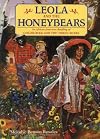
Melodye Benson Rosales’s Leola and the Honeybears is a truly original take on the Goldilocks story, transporting the classic tale into a rural Americana setting. Rosales has subtitled her book “An African-American Retelling of Goldilocks and the Three Bears,” and she infuses her tale with a hefty helping of southern hospitality. In fact, Rosales seems to reference other stories with her book, specifically the Uncle Remus tales collected by Joel Chandler Harris: the language is imbued show more with a southern twang and the characters act like more polite, respectful versions of Brer Rabbit and his kin. Like the traditional Goldilocks story, Leola and the Honeybears is a cautionary tale that reminds children to heed the warnings of their elders; however, an interesting twist on the story is that the Honeybears actually take pity on poor, lost Leola and help her find her way home. Although the Honeybears bear a striking (unintentional?) resemblance to the “Country Bear Jamboree” at Disneyland, the illustrations are actually a mixture of realism (the human characters) and fancy (the anthropomorphic animals). In any case, Rosales has created a unique, engaging story with beautifully-rendered illustrations; this book is a delightful discovery and worthy of more publicity.
Citation:
Rosales, Melodye. Leola and the Honeybears. New York: Scholastic, 1999. Print. show less
Citation:
Rosales, Melodye. Leola and the Honeybears. New York: Scholastic, 1999. Print. show less
This was a very funny and hip redition of the classic. The illustrations were warm and colorful that gave the characters a realistic look. The text were similiar to the language used by African-Americans. I would use this book in diversity during Christmas.
The art is absolutely gorgeous, and was by far the best part of the book for me.
Not sure how this is exactly an African American retelling but for the fact that "Leola" is black, but ah, well.
Not sure how this is exactly an African American retelling but for the fact that "Leola" is black, but ah, well.
I loved this book. the language was different because the author used a lot of apostrophes in the words. The story was a little different but it was amusing. It is good to see a black version of Santa because a lot of black kids don't have the opportunity to see a black Santa. The pictures filled the page but didn't take from the story.
Awards


You May Also Like


Statistics
- Works
- 5
- Also by
- 3
- Members
- 433
- Popularity
- #56,453
- Rating
- 3.9
- Reviews
- 10
- ISBNs
- 10