
Aman (1)
Author of Aman: The Story of a Somali Girl
For other authors named Aman, see the disambiguation page.
Works by Aman
Tagged
Common Knowledge
- Gender
- female
Members
Reviews

Conforms to my rule of thumb that the scholarly preface should be read after the book proper. The actual narrative, by "Aman" (a pseudonym she chose) is great - covering her personal history starting with her grandmother's and mother's adventures, then her own childhood[*] and attempts to figure out what she wants from life and marriage during her teenage years in a changing society. From her birth village to the streets of Mogadishu, and eventually farther afield - and the preface makes it show more clear she's journeyed farther yet subsequent to where she closes her story.
[*] As I write this I'm having flashbacks to writing something similar about the structure of Zorro, an otherwise extremely different book. show less
[*] As I write this I'm having flashbacks to writing something similar about the structure of Zorro, an otherwise extremely different book. show less
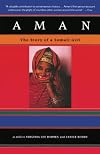
Reviewed by Nicole (Class of 2014)
Most people know very little about what it’s like growing up in another culture. Aman is a true story of a young Somali girl who endured many hardships during her lifetime. In 1982, she moved to the U.S. where she met Virginia Lee Barnes, an anthropologist who had worked in Somalia, and that’s how the story came to be. Lee translated Aman’s story, and sent it to the publishers.
Growing up with very little food or money in a small town called Mango show more Village, Aman’s main goal was to provide for her momma. She was circumcised at age 9 and by age 13, Aman was already married to a much older man who attempted to cut her open. Aman ran away many times but somehow always ended up back in the hands of her husband, whom she hated. Many times she tried for a divorce, but it wasn’t her decision. So, she ran away again, this time to the city and found a white Italian boy, with whom she fell in love. In Somalia, interracial couples were looked down upon. Aman got herself into much trouble trying to see the boy she loved, but in the end he was taken away by his father. She then began running around meeting many men, one who raped her. Aman was now looked down upon, because she wasn’t a virgin anymore. These men gave her money and she sent some back to her mother. Aman was now becoming the girl that “ran around with white men.” Even her mother was disappointed. She became pregnant, and didn’t know who the father was. Her mother took care of the child most of the time. Aman became pregnant once more by a man named Paul. Soon after, she met a woman named Laila, and they used prostitution to make a living. But soon Aman was put into the hospital, where she lost her baby. She then went back to live with her mom and first child. So much happens in such a short time during Aman’s life.
This book is an excellent look at a young girl’s outlook on life, her customs, love and pain. You’ll learn about what it takes to survive in Somalia as a teenage girl, and how Aman goes against her culture for her own survival and happiness. The beginning starts off slow, but by the end of the first few chapters, I was hooked. It’s interesting to see how different my life is from Aman’s. Overall, I loved this book and would recommend it to teenage girls, interested in culture, love, and adventure. show less
Most people know very little about what it’s like growing up in another culture. Aman is a true story of a young Somali girl who endured many hardships during her lifetime. In 1982, she moved to the U.S. where she met Virginia Lee Barnes, an anthropologist who had worked in Somalia, and that’s how the story came to be. Lee translated Aman’s story, and sent it to the publishers.
Growing up with very little food or money in a small town called Mango show more Village, Aman’s main goal was to provide for her momma. She was circumcised at age 9 and by age 13, Aman was already married to a much older man who attempted to cut her open. Aman ran away many times but somehow always ended up back in the hands of her husband, whom she hated. Many times she tried for a divorce, but it wasn’t her decision. So, she ran away again, this time to the city and found a white Italian boy, with whom she fell in love. In Somalia, interracial couples were looked down upon. Aman got herself into much trouble trying to see the boy she loved, but in the end he was taken away by his father. She then began running around meeting many men, one who raped her. Aman was now looked down upon, because she wasn’t a virgin anymore. These men gave her money and she sent some back to her mother. Aman was now becoming the girl that “ran around with white men.” Even her mother was disappointed. She became pregnant, and didn’t know who the father was. Her mother took care of the child most of the time. Aman became pregnant once more by a man named Paul. Soon after, she met a woman named Laila, and they used prostitution to make a living. But soon Aman was put into the hospital, where she lost her baby. She then went back to live with her mom and first child. So much happens in such a short time during Aman’s life.
This book is an excellent look at a young girl’s outlook on life, her customs, love and pain. You’ll learn about what it takes to survive in Somalia as a teenage girl, and how Aman goes against her culture for her own survival and happiness. The beginning starts off slow, but by the end of the first few chapters, I was hooked. It’s interesting to see how different my life is from Aman’s. Overall, I loved this book and would recommend it to teenage girls, interested in culture, love, and adventure. show less
Reviewed by kelsey (Class of 2014)
She lost the love of her life. She lost her family’s respect. She lost her dignity. Aman is the story of a young girl in Somali, Africa, named Aman. Aman recounted her life story to Virginia Barnes and Janice Boddy who wrote this book. The book begins by Aman explaining to the reader some background knowledge about herself. She starts talking about her grandmamma, and leads into the birth of her mother. Aman explains the journey that her mamma had gone show more through, with having one husband after the other and struggling to make money. In this book Aman spends the majority of the book trying to explain the rules and traditions of the Somalian culture. One of the most important events in Aman is when she is being circumcised, which isn’t common for girls in America. When they become of age, girls are supposed to be circumcised; this involves cutting and sewing up the vagina, so that the girl could be pure for her future husband.
When Aman grows older she falls in love with an Italian, but it was a disgrace to his and her families for whites and blacks to be together. They endure many beatings from multiple people who disagree with their decision. Soon enough her lover is forced to move back to Italy. She tries and fails many marriages to try and heal her pain, but nothing works. Aman soon feels left out and tries to make new friends. During the post years of her lover leaving her behind, Aman is raped and devirginized by a man she barely knew. This was a huge disgrace and she decided to stay inside her house for a long time. Over the next few years, after Aman gains the strength to leave her home, Aman began sleeping around and became pregnant and gave birth to a son but doesn’t know who the father is. A couple years later, she had trouble finding money, so her friend Laila convinces her to become a prostitute like herself. After a while Aman realizes she is pregnant again, but the baby dies. In the end, Aman decides to go back home and live with her mom and her son.
I think that this book was interesting because it shows different cultures and also because it is pretty adventurous because of all the drama with her family and friends. A lot of events go on that don’t happen in the average person’s life in America like when Aman was beat. What I don’t like about this book is how long it takes for the exciting things to happen, and how boring the first 10 chapters are. That is mostly because it’s all background information and setting the story. After reading this book, out of five stars I rate it at a four. Aside from the length, this book can be a great way to learn about the reality of some other countries and how difficult some peoples’ life can be. show less
She lost the love of her life. She lost her family’s respect. She lost her dignity. Aman is the story of a young girl in Somali, Africa, named Aman. Aman recounted her life story to Virginia Barnes and Janice Boddy who wrote this book. The book begins by Aman explaining to the reader some background knowledge about herself. She starts talking about her grandmamma, and leads into the birth of her mother. Aman explains the journey that her mamma had gone show more through, with having one husband after the other and struggling to make money. In this book Aman spends the majority of the book trying to explain the rules and traditions of the Somalian culture. One of the most important events in Aman is when she is being circumcised, which isn’t common for girls in America. When they become of age, girls are supposed to be circumcised; this involves cutting and sewing up the vagina, so that the girl could be pure for her future husband.
When Aman grows older she falls in love with an Italian, but it was a disgrace to his and her families for whites and blacks to be together. They endure many beatings from multiple people who disagree with their decision. Soon enough her lover is forced to move back to Italy. She tries and fails many marriages to try and heal her pain, but nothing works. Aman soon feels left out and tries to make new friends. During the post years of her lover leaving her behind, Aman is raped and devirginized by a man she barely knew. This was a huge disgrace and she decided to stay inside her house for a long time. Over the next few years, after Aman gains the strength to leave her home, Aman began sleeping around and became pregnant and gave birth to a son but doesn’t know who the father is. A couple years later, she had trouble finding money, so her friend Laila convinces her to become a prostitute like herself. After a while Aman realizes she is pregnant again, but the baby dies. In the end, Aman decides to go back home and live with her mom and her son.
I think that this book was interesting because it shows different cultures and also because it is pretty adventurous because of all the drama with her family and friends. A lot of events go on that don’t happen in the average person’s life in America like when Aman was beat. What I don’t like about this book is how long it takes for the exciting things to happen, and how boring the first 10 chapters are. That is mostly because it’s all background information and setting the story. After reading this book, out of five stars I rate it at a four. Aside from the length, this book can be a great way to learn about the reality of some other countries and how difficult some peoples’ life can be. show less
Reviewed by: Deborah (Class of 2013)
“I wanted to get money so I could help my mama” (Barnes and Boddy 69), this is Aman’s excuse for everything she did. Her religion found her a disgrace to women and made her a prostitute. But I think she did the things she did because she believed women should have more freedom in her culture. I would like to think that she’s right because her religion was very strict and believed that all women needed to stay home and take care of everything that show more happened in the house and not worry about the outside world, that’s men business. Aman was your typical 20th century Somali Girl.
In the book "Aman", by Virginia Lee Barnes and Janice Boddy, Aman’s mother was a very independent woman and when she got pregnant with Aman she was married to Aman’s father but asked him for a divorce because he wanted her to live with him. By the time she met him she had already decided that she would never again make the mistake of trusting her husband so much so that she would not live in the same house as him where everything belongs to him. If they were to get a divorce, she would have nothing and would have to leave the house with except what he allowed. Aman lived with her mother and always stood by her mother’s side only mentioning her father when she was trying to impress people because he was the chief of mango village where they lived.
Aman’s mother was a hard worker and always put the needs of her daughters before hers and this affected Aman greatly and she felt the need to pay her mother back for that. This was the reason why she married her first husband who she hated and was disgusted by, because he had money. He also tried to deflower her with a knife and that didn’t stand with Aman’s family too well because a woman’s virginity was highly respected in their religion. Another reason why Aman married her first husband was because her first love, Anthony, and Khamisi were killed by her step brothers and she felt she owed Khamisi’s wife and family, so she needed to make money for them too. Aman ran from her first husband and went to the city where she met new friends and went out with people to parties and started smoking and drinking and associated with European men. According to her culture, this new culture made her a sharmuuto (prostitute). She struggled with trying her best not to disappoint her mother, but after finally getting a divorce from her first husband to marry an old European man, she really did turn into a sharmuuto by just using the old man for his money, having sex with him and not even being faithful to him.
Her second husband also cheated on her, was mixed, and a musician so he traveled a lot. She had a child with him whom she soon realized she had to keep with her mother because her husband left her to be with his family after things got bad in the city and the military took over and everything was very strict now. He divorced Aman through a letter. Aman decided to find her own way out of the country and she did. She went to Kenya getting on trucks that were used for trade and that’s where she met her third and final husband. She got her life together and he was a Somali too, so there was no social shame. She opened her own business and eventually she went back to mango village and got her son and took him back to Kenya with her.
I really liked this book. It was very interesting. Yes it describes too much as most books do, but it really took you into the history of Somali and taught me more about Africa. I’m really glad I choose this book because I related to it easily because I’m from Africa, and it was nice reading about things I really didn’t know happened. I was able to ask my parents about things that were mentioned in the book and they were able to explain them further and the difference in their culture makes me kind of happy to be in America. "Aman" was a wonderful book even though she did some things that were raw, they were okay because of her good intentions. show less
“I wanted to get money so I could help my mama” (Barnes and Boddy 69), this is Aman’s excuse for everything she did. Her religion found her a disgrace to women and made her a prostitute. But I think she did the things she did because she believed women should have more freedom in her culture. I would like to think that she’s right because her religion was very strict and believed that all women needed to stay home and take care of everything that show more happened in the house and not worry about the outside world, that’s men business. Aman was your typical 20th century Somali Girl.
In the book "Aman", by Virginia Lee Barnes and Janice Boddy, Aman’s mother was a very independent woman and when she got pregnant with Aman she was married to Aman’s father but asked him for a divorce because he wanted her to live with him. By the time she met him she had already decided that she would never again make the mistake of trusting her husband so much so that she would not live in the same house as him where everything belongs to him. If they were to get a divorce, she would have nothing and would have to leave the house with except what he allowed. Aman lived with her mother and always stood by her mother’s side only mentioning her father when she was trying to impress people because he was the chief of mango village where they lived.
Aman’s mother was a hard worker and always put the needs of her daughters before hers and this affected Aman greatly and she felt the need to pay her mother back for that. This was the reason why she married her first husband who she hated and was disgusted by, because he had money. He also tried to deflower her with a knife and that didn’t stand with Aman’s family too well because a woman’s virginity was highly respected in their religion. Another reason why Aman married her first husband was because her first love, Anthony, and Khamisi were killed by her step brothers and she felt she owed Khamisi’s wife and family, so she needed to make money for them too. Aman ran from her first husband and went to the city where she met new friends and went out with people to parties and started smoking and drinking and associated with European men. According to her culture, this new culture made her a sharmuuto (prostitute). She struggled with trying her best not to disappoint her mother, but after finally getting a divorce from her first husband to marry an old European man, she really did turn into a sharmuuto by just using the old man for his money, having sex with him and not even being faithful to him.
Her second husband also cheated on her, was mixed, and a musician so he traveled a lot. She had a child with him whom she soon realized she had to keep with her mother because her husband left her to be with his family after things got bad in the city and the military took over and everything was very strict now. He divorced Aman through a letter. Aman decided to find her own way out of the country and she did. She went to Kenya getting on trucks that were used for trade and that’s where she met her third and final husband. She got her life together and he was a Somali too, so there was no social shame. She opened her own business and eventually she went back to mango village and got her son and took him back to Kenya with her.
I really liked this book. It was very interesting. Yes it describes too much as most books do, but it really took you into the history of Somali and taught me more about Africa. I’m really glad I choose this book because I related to it easily because I’m from Africa, and it was nice reading about things I really didn’t know happened. I was able to ask my parents about things that were mentioned in the book and they were able to explain them further and the difference in their culture makes me kind of happy to be in America. "Aman" was a wonderful book even though she did some things that were raw, they were okay because of her good intentions. show less
You May Also Like


Associated Authors
Statistics
- Works
- 2
- Members
- 250
- Popularity
- #91,400
- Rating
- 3.6
- Reviews
- 9
- ISBNs
- 38
- Languages
- 7