
Mary Williams (1) (1967–)
Author of Brothers in Hope: The Story of the Lost Boys of Sudan
For other authors named Mary Williams, see the disambiguation page.
Works by Mary Williams
Tagged
Common Knowledge
- Legal name
- Williams, Mary Luana
- Birthdate
- 1967-10-13
- Gender
- female
- Relationships
- Fonda, Jane (adoptive mother)
Hayden, Tom (adoptive father)
Members
Reviews
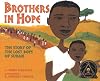
Based on true stories told to the author by the young men who were Lost Boys. Garang, an 8-year-old boy is far from home, tending his cattle herd when war comes to his village and destroys it. He meets up with thousands of other boys who also can't find their families. They walk an arduous 1,000-mile trek to Ethiopia and safety in a refugee camp where they are fed and educated. Garang meets a white man working there named Tom, to whom he tells his story of losing his family. Then war comes show more to Ethiopia and everyone in the camp must flee. The boys hit the road once more, headed to Kenya and another refugee camp. Life at the Kenya camp is one of survival. When Garang has grown into a young man he meets Tom again. Tom tells him about life in the United States. The U.S. has offered to take in the Lost Boys. Garang has hope for his future and new life. show less
Brothers in Hope: The Story of the Lost Boys of Sudan (Coretta Scott King Illustrator Honor Books) (Coretta Scott King Honor - Illustrator Honor Title) by Mary Williams
“Brothers in Hope: The Story of the Lost Boys of Sudan” is a powerful story of children experiencing war. The author, Mary Williams, tells the true story of Garang and his journey of fleeing from war in his home country of Sudan. Above all else, Garang showed the power of perseverance when times get tough— he constantly remembers the words of his father, “your heart and mind are strong. There is nothing you cannot do,” to get him through the tough times that he experiences on his show more trek to safety as well as in the refugee camps he lives in.
I enjoyed reading “Brothers in Hope” for a variety of reasons. First, the writing in this story is well organized and flows at a nice pace for young readers. It is in chronological order of Garang’s journey for freedom, beginning “when my village was attacked” to the end of his journey when “the United States is offering you and your brothers a home.” The chronological organization adds a unique element to the story because you become invested in Garang’s journey as well as the boys he traveled to safety with. Since the story was told in a first person point-of-view, the reader connects to Garang on a deeper level, almost rooting for his safety and well-being. Additionally, the use of supporting characters, such as Chuti and the boys, aids in the author’s well-developed story because it shows the magnitude of displacement and loss caused by the civil war that destroyed Sudan. Chuti was just a five year old boy that “cried for his mother” but was forced to preserve and walk thousands of miles to safety. By utilizing the story of Chuti in her writing, the author makes the reader feel more connected with the story and helps put into perspective the complete devastation experienced across the country of Sudan by people of all ages. Overall, I would recommend “Brothers in Hope” for students in the upper-elementary school years because of the moral message of perseverance and the well-written, accurate story of Civil War in Sudan. show less
I enjoyed reading “Brothers in Hope” for a variety of reasons. First, the writing in this story is well organized and flows at a nice pace for young readers. It is in chronological order of Garang’s journey for freedom, beginning “when my village was attacked” to the end of his journey when “the United States is offering you and your brothers a home.” The chronological organization adds a unique element to the story because you become invested in Garang’s journey as well as the boys he traveled to safety with. Since the story was told in a first person point-of-view, the reader connects to Garang on a deeper level, almost rooting for his safety and well-being. Additionally, the use of supporting characters, such as Chuti and the boys, aids in the author’s well-developed story because it shows the magnitude of displacement and loss caused by the civil war that destroyed Sudan. Chuti was just a five year old boy that “cried for his mother” but was forced to preserve and walk thousands of miles to safety. By utilizing the story of Chuti in her writing, the author makes the reader feel more connected with the story and helps put into perspective the complete devastation experienced across the country of Sudan by people of all ages. Overall, I would recommend “Brothers in Hope” for students in the upper-elementary school years because of the moral message of perseverance and the well-written, accurate story of Civil War in Sudan. show less
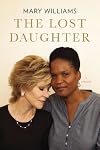
A memoir about growing up poor in a chaotic, neglectful family while her Black Panther father was imprisoned. One bright spot was going to a posh summer camp run by Jane Fonda. Mary confided in Jane Fonda about how she had been sexually assaulted, and Jane Fonda adopted her (in every sense except legally.) Mary had many adventures including working in Antarctica and running a non-profit for Sudanese “lost boys,” and then finally reconnected with her biological family. I felt there was show more something missing, a sense of the writer being able to sum up her whole life so far and say what it was all about, but I didn’t really care because it was interesting. show less
Brothers in Hope: The Story of the Lost Boys of Sudan (Coretta Scott King Illustrator Honor Books) (Coretta Scott King Honor - Illustrator Honor Title) by Mary Williams
I really enjoyed Brothers in Hope: The story of the lost boys of Sudan, by Mary Williams. One reason I enjoyed this story was the watch the growth of the protagonist Garang throughout the story. At the beginning when war broke out in Sudan, Garang was afraid and frustrated with why his parents lost him. As the story progresses, we watch Garang transition into a leadership role where he is in charge of keeping a group of young boys alive and getting them to safety. As well, there is a moment show more when a young boy is crying for his parents and does not understand why his parents left him. When this occurred, Garang took it upon himself to explain to the young boy that his parents did not leave him on purpose and that he would never leave him. It took Garang's experience of feeling this same type of way at some point to help another child process these feelings. By the end of the story, Garang had become a leader of a refugee camp helping those in the same position as him.
Another reason why I enjoyed this book was for its plot. Growing up, I have always been told about the lost boys of Sudan but never really understood this story. Brothers in Hope was formatted in such a clear and understandable way that students of all upper elementary school levels could understand. The plot was organized in a clear chronological way. As well, the story was paced well for how long each part of the story was discussed. Although it is somewhat of a long read for a children's book, it hits every important detail from how these boys of Sudan became lost, to their hard ships and finally to what happened when they reached a safe-haven.
Overall, the big idea of this book is for children to understand the story of The Lost Boys. The book is based on a true historical event that has happened within the last decade. It is important for children to learn about events such as this one. Another big idea of this book is to never lose hope. If Garang and the boys that he traveled with lost hope, they would have never made it to the refugee camp alive. It was this idea of hope and strength within one another that pushed them through this hardship. show less
Another reason why I enjoyed this book was for its plot. Growing up, I have always been told about the lost boys of Sudan but never really understood this story. Brothers in Hope was formatted in such a clear and understandable way that students of all upper elementary school levels could understand. The plot was organized in a clear chronological way. As well, the story was paced well for how long each part of the story was discussed. Although it is somewhat of a long read for a children's book, it hits every important detail from how these boys of Sudan became lost, to their hard ships and finally to what happened when they reached a safe-haven.
Overall, the big idea of this book is for children to understand the story of The Lost Boys. The book is based on a true historical event that has happened within the last decade. It is important for children to learn about events such as this one. Another big idea of this book is to never lose hope. If Garang and the boys that he traveled with lost hope, they would have never made it to the refugee camp alive. It was this idea of hope and strength within one another that pushed them through this hardship. show less
Lists
Awards


You May Also Like


Associated Authors
Statistics
- Works
- 3
- Members
- 456
- Popularity
- #53,830
- Rating
- 4.3
- Reviews
- 56
- ISBNs
- 97
- Languages
- 2