
Alan Clark (1) (1928–1999)
Author of Barbarossa: The Russian-German Conflict, 1941-45
For other authors named Alan Clark, see the disambiguation page.
About the Author
Alan Clark, the noted historian, entered politics in 1972. He is currently Secretary of State in Margaret Thatcher's cabinet
Image credit: Telegraph
Works by Alan Clark
Associated Works
The Assassin's Cloak: An Anthology of the World's Greatest Diarists (2000) — Contributor, some editions — 623 copies, 9 reviews
Tagged
Common Knowledge
- Canonical name
- Clark, Alan
- Legal name
- Clark, Alan Kenneth Mackenzie
- Birthdate
- 1928-04-13
- Date of death
- 1999-09-05
- Gender
- male
- Education
- Christ Church College, Oxford University (BA)
Eton College, Eton, Berkshire, England, UK
Egerton School, Marylebone, London, England, UK
St Cyprian's School, Eastbourne, Sussex, England, UK - Occupations
- Member of Parliament
Privy Councillor
Government Minister
Military Historian - Organizations
- Conservative Party
- Relationships
- Clark, Kenneth (father)
Clark, Colin (brother) - Cause of death
- brain tumour
- Nationality
- UK
- Birthplace
- London, England, UK
- Places of residence
- Saltwood Castle, Hythe, Kent, England, UK
- Place of death
- Saltwood Castle, Hythe, Kent, England, UK
- Burial location
- Saltwood Castle, Hythe, Kent, England, UK
- Map Location
- England, UK
Members
Reviews

Insightful, well written and researched epic of the largest and most destructive land battle of WW2. Classically trained and politically astute the author; with occasional effete slips of opinion and frequent pedantic flaunting of his university based foreign vocabulary delivers a book well worth reading. His notes and maps describe and help clarify the decision making process or lack thereof that allowed criminally inept and politically driven leaders to kill millions of German professional show more soldiers, incredibly brave and driven Russian peasants as well as countless civilians. show less
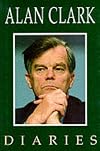
Clark's unvarnished and irreverent account of Conservative politics during the Thatcher years is a casket filled with pearls. He is unflinching in his criticism of friends, 'enemies' and principally himself. What is most admirable is that he does so with wit and a gift for storytelling that is more usual in a novelist than a diarist. Clark's sardonic tone and conscious abrasiveness of manner are often a mask for worldly wisdom and common sense. The insights he provides into himself, society show more and the 'business' of politics are both fascinating and rewarding. show less
He was an arrogant Tory shit but his diaries are very entertaining and illuminating.
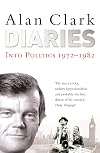
Love him or hate him these diaries are dynamite! I'll admit I ended up having a sneaking admiration for him (although I despise most of his politics, and can't approve of all the shenanigans). He certainly had charisma which shines out in these pages, but even he couldn't get the one woman who remained out of reach - Maggie!
Lists
Awards


You May Also Like


Associated Authors
Statistics
- Works
- 23
- Also by
- 1
- Members
- 2,386
- Popularity
- #10,760
- Rating
- 3.9
- Reviews
- 28
- ISBNs
- 103
- Languages
- 3
- Favorited
- 1