
Jessamyn West (1) (1902–1984)
Author of The Friendly Persuasion
For other authors named Jessamyn West, see the disambiguation page.
About the Author
Image credit: West in 1954 By Source (WP:NFCC#4), Fair use (Old-50), https://en.wikipedia.org/w/index.php?curid=56967875
Series
Works by Jessamyn West
The reading public 2 copies
Friends and violence 2 copies
West, Jessamyn Archive 1 copy
Witch of Blackbird Farm 1 copy
Associated Works
The Big Book of Favorite Horse Stories: Twenty-Five Outstanding Stories by Distinguished Authors (1965) — Contributor — 168 copies, 1 review
Out of the Best Books: An Anthology of Literature, Vol. 2: Love, Marriage, and the Family (1966) — Contributor — 36 copies
Reader's Digest Condensed Books 1975 v03: Mrs. 'Arris Goes to Moscow / The Moneychangers / The Massacre at Fall Creek / Collision (1975) — Author — 35 copies, 1 review
Tricks and Treats: An Anthology of Mystery Stories by the Mystery Writers of America (1976) — Contributor — 16 copies
Reader's Digest Condensed Books 1985 vM: The State of Stony Lonesome / Find a Safe Place / Callanish / At the Going down of the Sun (1985) 8 copies
Contemporary Short Stories: Representative Selections, Volume 3 — Contributor — 6 copies
Reader's Digest Condensed Books: Yanks • The Capricorn Stone • The Massacre at Fall Creek • Whip Hand (1979) 6 copies
Reader's Digest A Treasury of Great Historical Novels Vol 1: Katherine / The Massacre at Fall Creek / Captain from Castile (1983) 3 copies
Books Abridged: Sayonara, Fire in the Ashes, Adventure Happy, and Cress Delahanty (1954) — Contributor — 3 copies
Tagged
Common Knowledge
- Canonical name
- West, Jessamyn
- Legal name
- West, Mary Jessamyn
- Birthdate
- 1902-07-18
- Date of death
- 1984-02-23
- Gender
- female
- Education
- Whittier College (1923)
University of Oxford
University of California, Berkeley - Occupations
- teacher
author
screenwriter - Organizations
- The Palmer Society
- Relationships
- Nixon, Richard (second cousin)
- Nationality
- USA
- Birthplace
- Vernon, Indiana, USA
- Places of residence
- Yorba Linda, California, USA
Hemet, California, USA
Oxford, Oxfordshire, England, UK
Napa Valley, California, USA
Vernon, Indiana, USA - Place of death
- Napa Valley, California, USA
- Burial location
- Napa, California, USA
- Associated Place (for map)
- California, USA
Members
Reviews
“Cress Delahanty” by Jessamyn West is one of those rare books that causes me to celebrate life. Mrs. West is a masterful writer. I read this book in the 1980s when I was teaching fourteen-year-olds and loved it. Now, having a granddaughter of that age, after reading it a second time, I revere it.
The reader experiences the growth toward emotional maturity of Crescent Delahanty from age 12 to 16 in the late 1930s and early 1940s. She and her parents live on a citrus ranch near Santa Ana, show more California. Not particularly attractive physically but highly observant and introspective, she is an only child awkwardly seeking social standing and peer approval. As she grows older, she learns indelible lessons about people and life that her supportive, usually perceptive parents frequently sense she is experiencing and strive to guide her through. These lessons are revealed through vignettes, selected occurrences that do not preach, do not explain, do not dramatize. We experience what Cress sees, hears, thinks, and feels. We adults, drawing on our own experiences, are permitted to infer what Cress has discovered for the first time. This is a coming-of-age novel in the best sense. No stereotypes here. Each experience is intelligently selected and sparsely, cleanly, and sometimes humorously narrated.
I will provide one example.
Late during her thirteenth year Cress is invited to stay over the weekend at the house of a classmate, Ina Wallenius. Ina wants to be Cress’s friend. Cress doesn’t particularly want to go. Cress had reached [precariously] the upper level of her high school’s social structure and Ina was at a lower level “reaching upward. A visit could put Ina up where she was, or just as easily put Cress down where Ina was.” Ina is somewhat peculiar in appearance and conduct. She lives with her father in a neighborhood of small houses built on a hill amid oil derricks. “A ratty little town,” Ina apologizes as the two girls get off the school bus to begin the weekend.
They enter Ina’s house. To Cress’s great surprise, the rooms are immaculate. Every household item is precisely placed. “Half a lemon rested in the exact center of a saucer, and the saucer had been placed in the exact middle of the window sill. The chairs, ranged around the set table, were all pushed under it a uniform distance.”
Cress meets Mr. Wallenius, who greets her and goes off to wash for dinner, which his daughter has carefully prepared. Before they eat, he asks Cress to read a chapter from the Bible, a daily occurrence in his house. He has selected a chapter that contained words that, elsewhere, “it would be very wrong for her to whisper or even think about.” The father asks Cress, “Did you understand what you read?” Not wanting to be tested, she answers that she hadn’t. Mr. Wallenius seems pleased.
He asks Cress, “Have you ever been kissed?” Knowing he doesn’t mean family kisses, she answers, ”No.” He tells her she is big enough. “I guess it goes more by age than size,” Cress responds.
Mr. Wallenius invites Cress to take a little walk with him while Ina washes the dishes. Feeling uncomfortable, Cress answers, “I wouldn’t feel right, not helping.” Mr. Wallenius says, “Washing them alone is a little punishment I planned for Ina. A little reminder. Isn’t that true, Ina?”
They go outside. The father warns Cress about rattlesnakes. He is carrying a long stick, tells her how he has killed a few. They come upon one of the sump holes in the neighborhood. Mr. Wallanius goes into the bushes and comes out with a live gopher snake balanced on his stick. “With a gentle movement, Mr. Wallenius laid, rather than threw, the soft, brown, harmless thing in the sump hole. Ignoring Cress’s pleas to spare the snake, he watches it fight to survive. “Sink—swim; sink—swim. … Up—down; in—out,” he repeats. “It’s dying!” Cress protests. She breaks away from him, flees down the hill, and walks the long distance home.
Her parents ask her why she has come back. “Homesick” is her answer. Does she want a bedtime snack? The chapter ends this way: “It sounded good, but Cress was silent. She sat down in her father’s chair and nodded yes to him, because suddenly she was too tired to speak even so small and easy a word.” Ina and her father and this experience are not referred to thereafter in the book.
I admire Jessamyn West’s ability to provide sensory detail in her narration almost as much as I do her selection and portrayal of her subject matter. She is not pretentious in her word selection; instead she is simple, direct and, most importantly, exact. Here are two examples:
“Mrs. Delahanty stood in front of the fireplace, close to the fire until her calves began to scorch, then on the edge of the hearth until they cooled.”
“It was only the smell of the oil—which was taste as much as smell—the sight of an occasional sump hole at the end of a side street, and the sound of the pumps that reminded Cress where she was. The sound of the pumps filled the air, deep, rhythmical, as if the hills themselves breathed; or as if deep in the wells some kind of heart shook the earth with so strong a beat that Cress could feel it in the soles of her feet.”
“Cress Delahanty” is not a novel that teenagers would especially enjoy, in my opinion. Oh, but what a pleasure it is for parents and grandparents to read! I can imagine them finishing each chapter thinking, “Yes, this is how it is” or “I can believe this. Such a good person being made stronger. Mankind needs strong, sensitive people.” show less
The reader experiences the growth toward emotional maturity of Crescent Delahanty from age 12 to 16 in the late 1930s and early 1940s. She and her parents live on a citrus ranch near Santa Ana, show more California. Not particularly attractive physically but highly observant and introspective, she is an only child awkwardly seeking social standing and peer approval. As she grows older, she learns indelible lessons about people and life that her supportive, usually perceptive parents frequently sense she is experiencing and strive to guide her through. These lessons are revealed through vignettes, selected occurrences that do not preach, do not explain, do not dramatize. We experience what Cress sees, hears, thinks, and feels. We adults, drawing on our own experiences, are permitted to infer what Cress has discovered for the first time. This is a coming-of-age novel in the best sense. No stereotypes here. Each experience is intelligently selected and sparsely, cleanly, and sometimes humorously narrated.
I will provide one example.
Late during her thirteenth year Cress is invited to stay over the weekend at the house of a classmate, Ina Wallenius. Ina wants to be Cress’s friend. Cress doesn’t particularly want to go. Cress had reached [precariously] the upper level of her high school’s social structure and Ina was at a lower level “reaching upward. A visit could put Ina up where she was, or just as easily put Cress down where Ina was.” Ina is somewhat peculiar in appearance and conduct. She lives with her father in a neighborhood of small houses built on a hill amid oil derricks. “A ratty little town,” Ina apologizes as the two girls get off the school bus to begin the weekend.
They enter Ina’s house. To Cress’s great surprise, the rooms are immaculate. Every household item is precisely placed. “Half a lemon rested in the exact center of a saucer, and the saucer had been placed in the exact middle of the window sill. The chairs, ranged around the set table, were all pushed under it a uniform distance.”
Cress meets Mr. Wallenius, who greets her and goes off to wash for dinner, which his daughter has carefully prepared. Before they eat, he asks Cress to read a chapter from the Bible, a daily occurrence in his house. He has selected a chapter that contained words that, elsewhere, “it would be very wrong for her to whisper or even think about.” The father asks Cress, “Did you understand what you read?” Not wanting to be tested, she answers that she hadn’t. Mr. Wallenius seems pleased.
He asks Cress, “Have you ever been kissed?” Knowing he doesn’t mean family kisses, she answers, ”No.” He tells her she is big enough. “I guess it goes more by age than size,” Cress responds.
Mr. Wallenius invites Cress to take a little walk with him while Ina washes the dishes. Feeling uncomfortable, Cress answers, “I wouldn’t feel right, not helping.” Mr. Wallenius says, “Washing them alone is a little punishment I planned for Ina. A little reminder. Isn’t that true, Ina?”
They go outside. The father warns Cress about rattlesnakes. He is carrying a long stick, tells her how he has killed a few. They come upon one of the sump holes in the neighborhood. Mr. Wallanius goes into the bushes and comes out with a live gopher snake balanced on his stick. “With a gentle movement, Mr. Wallenius laid, rather than threw, the soft, brown, harmless thing in the sump hole. Ignoring Cress’s pleas to spare the snake, he watches it fight to survive. “Sink—swim; sink—swim. … Up—down; in—out,” he repeats. “It’s dying!” Cress protests. She breaks away from him, flees down the hill, and walks the long distance home.
Her parents ask her why she has come back. “Homesick” is her answer. Does she want a bedtime snack? The chapter ends this way: “It sounded good, but Cress was silent. She sat down in her father’s chair and nodded yes to him, because suddenly she was too tired to speak even so small and easy a word.” Ina and her father and this experience are not referred to thereafter in the book.
I admire Jessamyn West’s ability to provide sensory detail in her narration almost as much as I do her selection and portrayal of her subject matter. She is not pretentious in her word selection; instead she is simple, direct and, most importantly, exact. Here are two examples:
“Mrs. Delahanty stood in front of the fireplace, close to the fire until her calves began to scorch, then on the edge of the hearth until they cooled.”
“It was only the smell of the oil—which was taste as much as smell—the sight of an occasional sump hole at the end of a side street, and the sound of the pumps that reminded Cress where she was. The sound of the pumps filled the air, deep, rhythmical, as if the hills themselves breathed; or as if deep in the wells some kind of heart shook the earth with so strong a beat that Cress could feel it in the soles of her feet.”
“Cress Delahanty” is not a novel that teenagers would especially enjoy, in my opinion. Oh, but what a pleasure it is for parents and grandparents to read! I can imagine them finishing each chapter thinking, “Yes, this is how it is” or “I can believe this. Such a good person being made stronger. Mankind needs strong, sensitive people.” show less

The Woman Said YES reads like an exciting novel of love, life, disease, and death, told with deep personal insights and high wit.
It would be enhanced by the inclusion of the photographs so carefully described since
beauty is an important element in the early story of that Mother who said YES - seeing what that meant would be welcome.
The fairly dispassionate way that Jessamyn West wrote left me feeling oddly distant from the three captivating women.
It would be enhanced by the inclusion of the photographs so carefully described since
beauty is an important element in the early story of that Mother who said YES - seeing what that meant would be welcome.
The fairly dispassionate way that Jessamyn West wrote left me feeling oddly distant from the three captivating women.

Very loosely based on a true incident, it's the story of white men tried for the murder of innocent local Indians, a novel idea in 1824. We see the story through various character's eyes with an emphasis on Caleb Cape, self taught preacher of the district, and his daughter Hannah. Caleb is a cousin to Johsn Birdwell of The Friendly Persuasion, the solid man who tries to do good, and other characters remind me of some of West's other books, but that's fine. The characters are the usual down show more to earth characters that West uses, and there's a subplot about Hannah's romances, but against the background of the crime and the trial, it's not a light hearted story. I was a little disappointed because I'd thought a piece evidence would turn out to be a red herring and lead to a plot twist, but that would have been a different book. Another love story, to which the focus shifted late in the book, was very moving. Maybe a little too perfect, but still, moving. I thought that one character made the wrong choice and find myself thinking about her and wondering how that choice turned out for her and what happened next, which for me is a sign of a good book with vivid characters. show less
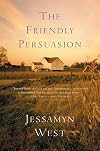
I really like the movie. And I really like the book. But they are not the same. The movie has a lot of material that didn't come from the book. And the book has a lot of material that didn't make it into the movie. And some of the stories taken from the book got shifted a bit on their way into the movie script.
The cover calls the book a novel. I have to disagree. It is a collection of short stories, previously published over several years in various magazines. (I'm sad that magazines don't show more publish much fiction anymore. But that's another story.) The common denominator of the book is that all the stories deal with the Birdwell family, and the stories are arranged in roughly chronological order. But there is no real narrative thread connecting the stories - with the exception of the two stories involving a horse named Lady - they are adjacent in the book, and are carried over mostly intact in the movie. Still, every story is able to stand alone. Character development takes place within each story, not in between them.
I originally bought the book because I liked the movie. We discussed it one time in book club. And I decided to pull it out and reread it because it showed up on my GoodReads recommendation page. show less
The cover calls the book a novel. I have to disagree. It is a collection of short stories, previously published over several years in various magazines. (I'm sad that magazines don't show more publish much fiction anymore. But that's another story.) The common denominator of the book is that all the stories deal with the Birdwell family, and the stories are arranged in roughly chronological order. But there is no real narrative thread connecting the stories - with the exception of the two stories involving a horse named Lady - they are adjacent in the book, and are carried over mostly intact in the movie. Still, every story is able to stand alone. Character development takes place within each story, not in between them.
I originally bought the book because I liked the movie. We discussed it one time in book club. And I decided to pull it out and reread it because it showed up on my GoodReads recommendation page. show less
Lists
Awards


You May Also Like


Associated Authors
Statistics
- Works
- 31
- Also by
- 40
- Members
- 2,293
- Popularity
- #11,199
- Rating
- 4.0
- Reviews
- 34
- ISBNs
- 84
- Languages
- 3
- Favorited
- 7