
Maurice Rheims (1910–2003)
Author of The Flowering of Art Nouveau
About the Author
Image credit: Maurice Rheims (by François Alquier)
Works by Maurice Rheims
Abracadabrantesque : Dictionnaire des mots inventés par les écrivains des XIXe et XXe siècles (2004) 2 copies
L'Objet 1900 1 copy
Haute curiosité 1 copy
Jules Dalou 1838-1902 1 copy
Le Luthier de Mantoue: roman 1 copy
La mano 1 copy
Collection de Monsieur C. 1 copy
La vie d'artiste 1 copy
Haute Curiosité 1 copy
Associated Works
Tagged
Common Knowledge
- Canonical name
- Rheims, Maurice
- Birthdate
- 1910-01-04
- Date of death
- 2003-03-06
- Gender
- male
- Education
- École du Louvre
Ecole des Hautes Etudes - Occupations
- auctioneer
art historian
novelist - Organizations
- Free French Commando (WWII)
Hôtel Drouot - Awards and honors
- Académie française (1976)
Légion d'Honneur (Grand-croix)
Croix de Guerre (four citations)
Médaille de la Résistance
Officier des Arts et des Lettres
Grand officier de l'ordre du Mérite de la République italienne - Relationships
- Rheims, Bettina (daughter)
- Nationality
- France
- Birthplace
- Versailles, Yvelines, Île-de-France, France
- Places of residence
- Paris, France
- Place of death
- Paris, Île-de-France, France
- Burial location
- Cimetière du Montparnasse, 26ème division, Paris, France
- Associated Place (for map)
- France
Members
Reviews
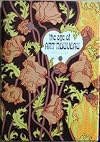
Of all the art books I've read about Art Nouveau recently this one must be the least well oganized. On the surface it seems like it will be very accessible due to its highly categorized table of contents and index, but in reality reading it was nothing less than frustrating. As with many books of its era, the lack of technology meant that illustrated content had to be placed at the end of chapters rather than interspersed throughout, but this book chose to separate the captions further - show more causing readers not only to flip pages once, but twice! It does not help the book's case that the author writes as though his readers are well aware of all of the material beforehand, interspersing random facts and personal opinions while jumping from topic to topic with little transition. I'm going to keep this book in my collection for now because even though it lacks cohesion and accessibility it is a good source book for Art Nouveau design and contains good exxample of the art form throughout. Depending on how my collection evolves over the coming years though, this may be one of the books that gets discarded! show less

Of all the art books I've read about Art Nouveau recently this one must be the least well oganized. On the surface it seems like it will be very accessible due to its highly categorized table of contents and index, but in reality reading it was nothing less than frustrating. As with many books of its era, the lack of technology meant that illustrated content had to be placed at the end of chapters rather than interspersed throughout, but this book chose to separate the captions further - show more causing readers not only to flip pages once, but twice! It does not help the book's case that the author writes as though his readers are well aware of all of the material beforehand, interspersing random facts and personal opinions while jumping from topic to topic with little transition. I'm going to keep this book in my collection for now because even though it lacks cohesion and accessibility it is a good source book for Art Nouveau design and contains good exxample of the art form throughout. Depending on how my collection evolves over the coming years though, this may be one of the books that gets discarded! show less
Art Nouveau was a great artistic movement, one which, however, has been constantly misrepresented. It has been identified, wrongly, as an aspect of the Belle Epoque, and the many names given to the style have merely camouflaged this blunder: for example, 1900, Nouille (noodle) Style, Stile Liberty, Stile Floreale, Morris Style, Métro Style, Whiplash, Sezession, Yachting Style, Glasgow Style, Jugenstil, Lilienstil, and Wellenstil (respectively “youth style,” “lily style,” and “wave show more style,”).
It is therefore essential, as a preface to this study, to analyze briefly the political, social, and psychological forces amid which Art Nouveau was born, and then to show the repercussions of these forces in the aesthetic field.
Toward the end of the nineteenth century the evolution of the modern world (which had begun in the middle of the sixteenth century) was showing signs of stabilization. The European countries, so often divided and redivided by war, settled down; the frontiers have been redrawn; the map looked permanent. But European expansion was marking time and the prestige of the Old World was diminishing. Skills developed by Anglo-Saxons and Latins had been exported from Europe to the United States and were now rebounding across the Atlantic; vigorous American competition was already a force to be reckoned with. Only yesterday the New World countries had been scorned by Europe; now they were hurrying to catch up and even had the audacity to dream of overtaking her. The Americans actually dignified their giant factories and office blocks with a homemade aesthetic label, the Saracenic Style.
The European powers no longer had to defend themselves against military aggression; but internally a number of social and political problems were threatening the security of the middle classes, all sections of which (except in Russia) had been deeply shaken by the consequences of the Revolution of 1848, the reverberations of the Paris Commune in 1871, and the economic crisis of 1875. The big cities of Western Europe housed a poverty-stricken proletariat which was aware that its numbers implied strength and which was struggling desperately to organize itself. Industrial advances which the middle classes themselves had brought about, together with Socialist propaganda and the upsurge of democracy had created new and bewildering situations.
Faced by the proletarian threat, the bourgeoisie did everything it could to strengthen its position. Politically, it used nationalistic aspirations as a disguise for its natural greed; and on the social plane it successfully confused the issue by the exercise of a moralizing authoritarianism. Trade unions were permitted but strikes were suppressed. Universal suffrage was declared but the issue of voters’ cards was held up. Free education was granted as a concession to popular demand, but designed in such a way as to preserve social conformity and class divisions. show less
It is therefore essential, as a preface to this study, to analyze briefly the political, social, and psychological forces amid which Art Nouveau was born, and then to show the repercussions of these forces in the aesthetic field.
Toward the end of the nineteenth century the evolution of the modern world (which had begun in the middle of the sixteenth century) was showing signs of stabilization. The European countries, so often divided and redivided by war, settled down; the frontiers have been redrawn; the map looked permanent. But European expansion was marking time and the prestige of the Old World was diminishing. Skills developed by Anglo-Saxons and Latins had been exported from Europe to the United States and were now rebounding across the Atlantic; vigorous American competition was already a force to be reckoned with. Only yesterday the New World countries had been scorned by Europe; now they were hurrying to catch up and even had the audacity to dream of overtaking her. The Americans actually dignified their giant factories and office blocks with a homemade aesthetic label, the Saracenic Style.
The European powers no longer had to defend themselves against military aggression; but internally a number of social and political problems were threatening the security of the middle classes, all sections of which (except in Russia) had been deeply shaken by the consequences of the Revolution of 1848, the reverberations of the Paris Commune in 1871, and the economic crisis of 1875. The big cities of Western Europe housed a poverty-stricken proletariat which was aware that its numbers implied strength and which was struggling desperately to organize itself. Industrial advances which the middle classes themselves had brought about, together with Socialist propaganda and the upsurge of democracy had created new and bewildering situations.
Faced by the proletarian threat, the bourgeoisie did everything it could to strengthen its position. Politically, it used nationalistic aspirations as a disguise for its natural greed; and on the social plane it successfully confused the issue by the exercise of a moralizing authoritarianism. Trade unions were permitted but strikes were suppressed. Universal suffrage was declared but the issue of voters’ cards was held up. Free education was granted as a concession to popular demand, but designed in such a way as to preserve social conformity and class divisions. show less

Cartea „Infernul curiozității – Vol. II” de Maurice Rheims continuă explorarea lumii colecționarilor, accentuând poveștile fascinante, obsesia pentru posesiuni rare și dilemele morale asociate cu dorința de a deține obiecte valoroase.
📖 Despre autor
a) Maurice Rheims – expert în artă, istoric și scriitor francez, specializat în colecționism și piața de artă.
b) A redactat numeroase lucrări despre istoria artei, patrimoniul cultural și evaluarea obiectelor de show more artă.
c) A influențat înțelegerea colecționismului în context social și cultural.
📚 Despre volum
a) Continuă prezentarea colecționarilor celebri și a poveștilor lor fascinante.
b) Analizează obsesia și plăcerea de a acumula obiecte rare.
c) Prezintă dileme morale și sociale generate de dorința de posesie.
d) Include anecdote și reflecții asupra valorii estetice și simbolice a obiectelor.
🔎 Teme principale
a) Obsesia colecționarului și influența asupra vieții personale și sociale.
b) Relația dintre dorință, statut social și identitate.
c) Valoarea culturală, istorică și simbolică a artei și rarităților.
d) Pasiune, risc și moralitate în lumea colecțiilor.
e) Istorii ilustrative despre colecții și colecționari din diferite epoci.
⚖️ Semnificație
a) Oferă perspective asupra psihologiei colecționarului și a societății de elită.
b) Este utilă pentru istorici de artă, colecționari și studenți în sociologie sau antropologie culturală.
c) Contribuie la înțelegerea relației complexe dintre dorință, cultură și moralitate. show less
📖 Despre autor
a) Maurice Rheims – expert în artă, istoric și scriitor francez, specializat în colecționism și piața de artă.
b) A redactat numeroase lucrări despre istoria artei, patrimoniul cultural și evaluarea obiectelor de show more artă.
c) A influențat înțelegerea colecționismului în context social și cultural.
📚 Despre volum
a) Continuă prezentarea colecționarilor celebri și a poveștilor lor fascinante.
b) Analizează obsesia și plăcerea de a acumula obiecte rare.
c) Prezintă dileme morale și sociale generate de dorința de posesie.
d) Include anecdote și reflecții asupra valorii estetice și simbolice a obiectelor.
🔎 Teme principale
a) Obsesia colecționarului și influența asupra vieții personale și sociale.
b) Relația dintre dorință, statut social și identitate.
c) Valoarea culturală, istorică și simbolică a artei și rarităților.
d) Pasiune, risc și moralitate în lumea colecțiilor.
e) Istorii ilustrative despre colecții și colecționari din diferite epoci.
⚖️ Semnificație
a) Oferă perspective asupra psihologiei colecționarului și a societății de elită.
b) Este utilă pentru istorici de artă, colecționari și studenți în sociologie sau antropologie culturală.
c) Contribuie la înțelegerea relației complexe dintre dorință, cultură și moralitate. show less
Sep 19, 2025Romanian
Awards


You May Also Like


Associated Authors
Statistics
- Works
- 47
- Also by
- 3
- Members
- 222
- Popularity
- #100,928
- Rating
- 4.1
- Reviews
- 6
- ISBNs
- 37
- Languages
- 3