
E. J. Levy
Author of Tasting Life Twice: Literary Lesbian Fiction by New American Writers
About the Author
Image credit: Desiree Suchy
Works by E. J. Levy
Associated Works
Touchstone Anthology of Contemporary Creative Nonfiction: Work from 1970 to the Present (2007) — Contributor — 219 copies, 3 reviews
Tagged
Common Knowledge
- Canonical name
- Levy, E. J.
- Legal name
- Levy, Ellen J.
- Birthdate
- 20th century
- Gender
- female
- Education
- Ohio State University (MFA|2002)
Yale University (BA|History) - Occupations
- essayist
creative writing instructor
English professor, Colorado State University - Awards and honors
- Writer's Digest Twenty-Five Nonfiction Writers to Watch
- Nationality
- USA
- Birthplace
- St. Louis Park, Minnesota, USA
- Map Location
- USA
Members
Reviews
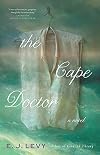
Loved this one. The point of view is introspective, which helped me really get to know and understand the main character, Dr. Perry. I was interested in the questions the narrator struggled with about choice and chance, gender identity, and the gap between male and female autonomy and self-determination. And intrigued by the fact that how people react to you depends so much on how you present yourself.
This book made me wonder how many other women have presented themselves to the world as show more male in order to get an education or other rights and privileges. show less
This book made me wonder how many other women have presented themselves to the world as show more male in order to get an education or other rights and privileges. show less
I read this novel in one day.
It was a windy, gloomy day. But that is not why I read it in one day. I read it in one day because I did not want to stop reading.
I loved the narrative voice, the feeling of being transported back several centuries, the knowing wink to the style of the early 19th c in lines like "No one who had ever seen Margaret Brackley in her infancy would have supposed her born to be a heroine (or so Jane Austen might have written of her..."
I was interested in the questions show more the narrator struggled with, about choice and chance, gender identity, the gap between male and female autonomy and self-determination.
Which of us is undisguised, after all? Which of us reveals himself truly to the world. ~from The Cape Doctor by E. J. Levy
The Cape Doctor is based on the true story of a woman who posed as a man to gain an education and become the first female doctor. She performed the first recorded, successful Cesarean operation.
Levy's character is inspired by the historical Barry, but Levy gives her own spin to the story, concentrating on the feminist issues. Her Dr. Perry lives as a man, but identifies as female. (Another character is hermaphrodite, which some believe Barry was, while others believe Barry was transsexual. Those controversies do not affect my reading of this novel, as this is historical fiction inspired by true events, and not a biography.)
Under Levy's hands, the imagined character Margaret Brackley becomes Dr. Jonathan Mirandus Perry. She tells her story of transformation from a subservient and invisible female to an authoritative and competent professional man of society.
In dire poverty, Margaret's mother sends her to beg aid from her uncle. There, she meets General Mirandus, who takes an interest in her brilliant mind. After her uncle's death, the general sends her to be educated in Edinburgh's esteemed medical school with plans for her to become his personal physician in Caracas.
Margaret cuts her hair and binds her breasts and dons a boy's clothing. She learns to lower her voice, to change her actions and her attitude, to mimic. She learns how to masquerade, how to pass.
As Dr. Perry, she becomes a successful army doctor in Cape Town, with at least one young lady falling in love with her.
When her true sex is discovered, she has a love affair and must chose between love and her career, and more importantly, "the right to think and speak and move as I chose, not as others bade me. To experience life on my own terms."
I thought of Mary Wollstonecraft, another brilliant woman who was also against marriage, whose love affairs were scandalous.
As a first-person narrative in the style of the early 19th c, Margaret/Perry speaks to issues of identity and freedom, often in pithy epigrams. And most are quite timeless. Including, "You can judge a culture by its medicine, by how it teats is most vulnerable--the ill."
It is interesting to learn that the Cape Doctor is the name for a strong wind that today blows away the pollution over Cape Town and provides waves for perfect surfing, but which was believed to also blow away bad spirits, healing the town. And that fair weather comes after the blow.
I received a free egalley from the publisher through NetGalley. My review is fair and unbiased. show less
It was a windy, gloomy day. But that is not why I read it in one day. I read it in one day because I did not want to stop reading.
I loved the narrative voice, the feeling of being transported back several centuries, the knowing wink to the style of the early 19th c in lines like "No one who had ever seen Margaret Brackley in her infancy would have supposed her born to be a heroine (or so Jane Austen might have written of her..."
I was interested in the questions show more the narrator struggled with, about choice and chance, gender identity, the gap between male and female autonomy and self-determination.
Which of us is undisguised, after all? Which of us reveals himself truly to the world. ~from The Cape Doctor by E. J. Levy
The Cape Doctor is based on the true story of a woman who posed as a man to gain an education and become the first female doctor. She performed the first recorded, successful Cesarean operation.
Levy's character is inspired by the historical Barry, but Levy gives her own spin to the story, concentrating on the feminist issues. Her Dr. Perry lives as a man, but identifies as female. (Another character is hermaphrodite, which some believe Barry was, while others believe Barry was transsexual. Those controversies do not affect my reading of this novel, as this is historical fiction inspired by true events, and not a biography.)
Under Levy's hands, the imagined character Margaret Brackley becomes Dr. Jonathan Mirandus Perry. She tells her story of transformation from a subservient and invisible female to an authoritative and competent professional man of society.
In dire poverty, Margaret's mother sends her to beg aid from her uncle. There, she meets General Mirandus, who takes an interest in her brilliant mind. After her uncle's death, the general sends her to be educated in Edinburgh's esteemed medical school with plans for her to become his personal physician in Caracas.
Margaret cuts her hair and binds her breasts and dons a boy's clothing. She learns to lower her voice, to change her actions and her attitude, to mimic. She learns how to masquerade, how to pass.
As Dr. Perry, she becomes a successful army doctor in Cape Town, with at least one young lady falling in love with her.
When her true sex is discovered, she has a love affair and must chose between love and her career, and more importantly, "the right to think and speak and move as I chose, not as others bade me. To experience life on my own terms."
I thought of Mary Wollstonecraft, another brilliant woman who was also against marriage, whose love affairs were scandalous.
As a first-person narrative in the style of the early 19th c, Margaret/Perry speaks to issues of identity and freedom, often in pithy epigrams. And most are quite timeless. Including, "You can judge a culture by its medicine, by how it teats is most vulnerable--the ill."
It is interesting to learn that the Cape Doctor is the name for a strong wind that today blows away the pollution over Cape Town and provides waves for perfect surfing, but which was believed to also blow away bad spirits, healing the town. And that fair weather comes after the blow.
I received a free egalley from the publisher through NetGalley. My review is fair and unbiased. show less

The Cape Doctor, by E.J. Levy, is a wonderful read, but before I discuss the book, I want to discuss background a bit. (Warning: the pronouns will shift around some.) The Cape Doctor tells the imagined life story of a real historical figure about whom very little is known: Dr. Jonathan Mirandus Perry. Perry attended medical school in Edinburgh, then became a military doctor posted in South Africa and later in Jamaica. He was ahead of his time in insisting on sanitation and nutrition; he show more fought quack remedies and their makers; he performed the first known successful C-section on the continent of Africa.
After Perry's death, it was discovered that his body was, apparently, female. This final revelation has led to two very different interpretations of Perry's life. One view, held by those looking for a feminist historical narrative, presents Perry female-identified, despite passing as a man for most of their life. They see Perry's story as a demonstration of the ridiculous lengths women had to go to in the early 19th Century in order to achieve an education and profession. Another view is that Perry was transsexual, identified as male, and should be considered a ground-breaking figure in LGBTQI+ history.
The Cape Doctor is built around the first of these views. Levy presents Perry as a woman who spent her life passing as a man in order to achieve personal goals. Radical transgender web site EE Ottoman takes the second view, making the case for Perry's male identity: https://acosmistmachine.com/2015/11/2... The disagreement about Perry's identity has led to a very bifurcated response to The Cape Doctor. Those who see (or are comfortable seeing in the context of a novel) Perry as female are generally enthusiastic about the book. Those who see Perry as transgendered see this book as an erasure of transgender history.
My take—although I am saying this as someone who is not a historian and who is just beginning to learn about Perry—is that neither case can be made conclusively enough to prove the other false. If I had to guess how Perry identified themselves (and it would be a guess), I'd say that Perry probably was transgendered, but I can also understand why Levy chose Perry as a character to serve as the center of a novel exploring alternate female identities in the 19th Century. That's as far as I'll go with this discussion, aside from saying I'm looking forward to reading more about Perry and seeing what (pronoun shift) their life can teach me about both female and trans identity.
I flat-out loved The Cape Doctor. Levy is very clear that what she is writing is fiction, and I'm willing to approach the novel knowing it can't tell me how Perry themselves identified.
I loved The Cape Doctor for the insights it offered into female identity. Perry as created by Levy is very articulate and deeply reflective. Her (pronoun shift) inner world is complex. She notes the changes in bearing and personality she has to develop to be perceived as male: assertiveness, self-confidence, an aggressive sense of humor, an insistence on defending her own views—which includes arguing for women's rights. She's fascinated by the way women approach her once she's perceived as male and enjoys flirting with them. Levy gives her version of Perry opportunities to renounce her decision to present herself to the world as female, which Perry does not embrace. Perry's focus in this novel is always on being a medical practitioner and having the freedom of movement and opinion that external male identity provides.
Don't read The Cape Doctor as history. Don't assume you know the "real" Perry once you've read it. But do, if possible, let yourself learn from the ruminations on gender and identity that Levy's Perry raises. If you want to know about the historical Perry, look for nonfiction titles that explore what we can know about who he/they/she really was. show less
After Perry's death, it was discovered that his body was, apparently, female. This final revelation has led to two very different interpretations of Perry's life. One view, held by those looking for a feminist historical narrative, presents Perry female-identified, despite passing as a man for most of their life. They see Perry's story as a demonstration of the ridiculous lengths women had to go to in the early 19th Century in order to achieve an education and profession. Another view is that Perry was transsexual, identified as male, and should be considered a ground-breaking figure in LGBTQI+ history.
The Cape Doctor is built around the first of these views. Levy presents Perry as a woman who spent her life passing as a man in order to achieve personal goals. Radical transgender web site EE Ottoman takes the second view, making the case for Perry's male identity: https://acosmistmachine.com/2015/11/2... The disagreement about Perry's identity has led to a very bifurcated response to The Cape Doctor. Those who see (or are comfortable seeing in the context of a novel) Perry as female are generally enthusiastic about the book. Those who see Perry as transgendered see this book as an erasure of transgender history.
My take—although I am saying this as someone who is not a historian and who is just beginning to learn about Perry—is that neither case can be made conclusively enough to prove the other false. If I had to guess how Perry identified themselves (and it would be a guess), I'd say that Perry probably was transgendered, but I can also understand why Levy chose Perry as a character to serve as the center of a novel exploring alternate female identities in the 19th Century. That's as far as I'll go with this discussion, aside from saying I'm looking forward to reading more about Perry and seeing what (pronoun shift) their life can teach me about both female and trans identity.
I flat-out loved The Cape Doctor. Levy is very clear that what she is writing is fiction, and I'm willing to approach the novel knowing it can't tell me how Perry themselves identified.
I loved The Cape Doctor for the insights it offered into female identity. Perry as created by Levy is very articulate and deeply reflective. Her (pronoun shift) inner world is complex. She notes the changes in bearing and personality she has to develop to be perceived as male: assertiveness, self-confidence, an aggressive sense of humor, an insistence on defending her own views—which includes arguing for women's rights. She's fascinated by the way women approach her once she's perceived as male and enjoys flirting with them. Levy gives her version of Perry opportunities to renounce her decision to present herself to the world as female, which Perry does not embrace. Perry's focus in this novel is always on being a medical practitioner and having the freedom of movement and opinion that external male identity provides.
Don't read The Cape Doctor as history. Don't assume you know the "real" Perry once you've read it. But do, if possible, let yourself learn from the ruminations on gender and identity that Levy's Perry raises. If you want to know about the historical Perry, look for nonfiction titles that explore what we can know about who he/they/she really was. show less
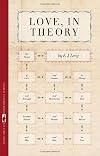
You know how when you meet someone, and you immediately decide they're a total snob and you hate their guts, and then you spend more time with them and you realize you were totally wrong and this person is actually wildly cool, and now you've got to backpedal to all your friends about how that person is actually not as awful as you originally said...? Well, that's exactly my experience with this book.
On Friday I blogged about how I was kind of on the fence about this book because there's show more adultery and a lesbian who falls for a married man, and I definitely had my eyeballs rolling as I opened the first page. Ooops.
I loved this collection. (Not in theory, either, but for real.)
Every story was like, I don't know, something delectable and redolent. Be it a piece of chocolate or a slice of cake or a gorgeous aria -- Levy's writing sucked me in from the first line and I wanted to savor her stories, linger with them.
The characters felt real, immediately, their emotional state familiar and resonant, and their challenges and conflicts achingly, uncomfortably articulated. In the much feared 'Theory of Dramatic Action', with the lesbian and married man, I found a character I could relate to and understand, and a poignant situation that made me tear up a little. The volume's opening story, 'The Best Way Not to Freeze', about a woman's first real love, was so good I read it twice, then read it to my wife, then to a friend. After that, when I started reading 'The Three Christs of Moose Lake, Minnesota' to my wife, she just took the volume from my hands to inhale on her own. (I raced through this book in one night, then reread almost all the stories over the following two days.)
I have to stop saying I dislike short fiction because clearly, I do like it. These snapshots of relationships, of people, of emotional landscapes are as satisfying as a chunky novel. Maybe more so -- they're like the first bite of a fabulous meal. You want the taste to linger, but it disappears. The next story, the next bite, is just as intriguing. The only perk is, after glutting myself on Levy's book, I still wanted more. show less
On Friday I blogged about how I was kind of on the fence about this book because there's show more adultery and a lesbian who falls for a married man, and I definitely had my eyeballs rolling as I opened the first page. Ooops.
I loved this collection. (Not in theory, either, but for real.)
Every story was like, I don't know, something delectable and redolent. Be it a piece of chocolate or a slice of cake or a gorgeous aria -- Levy's writing sucked me in from the first line and I wanted to savor her stories, linger with them.
The characters felt real, immediately, their emotional state familiar and resonant, and their challenges and conflicts achingly, uncomfortably articulated. In the much feared 'Theory of Dramatic Action', with the lesbian and married man, I found a character I could relate to and understand, and a poignant situation that made me tear up a little. The volume's opening story, 'The Best Way Not to Freeze', about a woman's first real love, was so good I read it twice, then read it to my wife, then to a friend. After that, when I started reading 'The Three Christs of Moose Lake, Minnesota' to my wife, she just took the volume from my hands to inhale on her own. (I raced through this book in one night, then reread almost all the stories over the following two days.)
I have to stop saying I dislike short fiction because clearly, I do like it. These snapshots of relationships, of people, of emotional landscapes are as satisfying as a chunky novel. Maybe more so -- they're like the first bite of a fabulous meal. You want the taste to linger, but it disappears. The next story, the next bite, is just as intriguing. The only perk is, after glutting myself on Levy's book, I still wanted more. show less
Lists
Awards


You May Also Like


Associated Authors
Statistics
- Works
- 5
- Also by
- 3
- Members
- 279
- Popularity
- #83,280
- Rating
- 4.0
- Reviews
- 8
- ISBNs
- 17
- Languages
- 1