
John Romita, Sr. (1930–2023)
Author of Essential Spider-Man, Volume 3
About the Author
Disambiguation Notice:
There are father and son artists working under this name, please be sure to label them as "John Romita Sr." or "John Romita Jr." so that their work appears on the correct author page.
Image credit: comicbookresources
Series
Works by John Romita, Sr.
Marvel Masterworks, Volume 029: Daredevil Volume 2 [#12-21] (2001) — Illustrator — 58 copies, 1 review
Star Wars Legends Epic Collection: The Original Marvel Years - Droids & Ewoks (2012) — Illustrator — 52 copies
Marvel Masterworks, Volume 044: The Amazing Spider-Man Volume 7 [#62-67 + Annual #5 + Spectacular Spider-Man #1-2] (2009) — Illustrator — 44 copies, 2 reviews
Marvel Masterworks, Volume 101: The Amazing Spider-Man Volume 10 [#88-99] (2008) — Illustrator — 25 copies, 1 review
Marvel Masterworks, Volume 073: Atlas Era Heroes Volume 1 [Marvel Boy #1-2 + Astonishing #3-6 + Young Men #24-28] (2007) — Illustrator — 21 copies
Marvel Masterworks, Volume 093: Captain America Volume 4 [#114-124] (2008) — Illustrator — 19 copies, 1 review
Mighty Marvel Masterworks: The Amazing Spider-Man Vol. 5 – To Become an Avenger (2024) — Illustrator — 6 copies
Savage Tales Ad 3 copies
Łowca robotów = Blade runner 2 copies
Vampire Tales Ad 2 copies
Tales of Suspense #76 — Illustrator — 2 copies
Tales of Suspense #77 — Illustrator — 2 copies
Son of Satan #8 - Dance with the Devil My Red-Eyed Son! — Illustrator — 2 copies
Biblioteca marvel el asombroso spiderman 11. 1967: amazing spider-man 51-54, the amazing spider-man (2025) 1 copy
Kick-Ass 1 1 copy
Comic Book Profiles 4 — Author — 1 copy
The Tomb Of Dracula Ad 1 copy
Associated Works
Marvel: Five Fabulous Decades of the World's Greatest Comics (1993) — Cover artist, some editions — 266 copies, 3 reviews
Marvel Masterworks, Volume 016: The Amazing Spider-Man Volume 4 [#31-40] (1991) — Penciler (39-40) — 121 copies, 3 reviews
Bring on the Bad Guys: Origins of the Marvel Comics Villains (1976) — Cover artist; Illustrator — 118 copies
Omega: The Unknown Classic (2006) — Cover Pencils (6), Prototypic Omega Costume, some editions — 58 copies, 2 reviews
Marvel Masterworks, Volume 106: Atlas Era Journey Into Mystery Volume 1 [#1-10] (2008) — Illustrator — 30 copies
Marvel Masterworks, Volume 085: Atlas Era Strange Tales Volume 1 [#1-10] (2007) — Illustrator — 30 copies
Heroes: The World's Greatest Super Hero Creators Honor The World's Greatest Heroes 9-11-2001 (2001) — Illustrator — 25 copies, 1 review
Marvel Masterworks, Volume 131: Atlas Era Jungle Adventure Volume 1 [Lorna, the Jungle Queen #1-5 + Lorna, the Jungle Girl #6-9] (2009) — Illustrator — 23 copies
Women of Marvel: Celebrating Seven Decades [Trade Paperback Collection] (2010) — Illustrator — 22 copies, 1 review
Marvel Masterworks, Volume 086: The Amazing Spider-Man Volume 9 [#78-87] (2007) — Illustrator — 22 copies, 1 review
Marvel Masterworks, Volume 092: Atlas Era Heroes Volume 2 [Men's Adventures #27-28 + Captain America #76-78 + Human Torch #36-38] (2008) — Illustrator — 20 copies
Marvel Masterworks, Volume 159: Atlas Era Jungle Adventure Volume 2 [Lorna the Jungle Girl #10-12 + Jungle Tales #1-3 + Jungle Action #1-3] (2008) — Illustrator — 14 copies
Marvel Masterworks, Volume 191: Atlas Era Jungle Adventure Volume 3 [Jungle Tales #5-7 + Jungle Action #4-6 + Lorna, the Jungle Girl #13-16] (2013) — Illustrator — 7 copies
The Frankenstein Monster [1973] #16 — Cover artist — 5 copies
Marvel Spotlight [1971] #14 (The Son of Satan) — Cover artist — 4 copies
The Frankenstein Monster [1973] #11 — Cover artist — 4 copies
Marvel Spotlight [1971] #13 (The Son of Satan) — Cover artist — 4 copies
Tomb of Dracula [1972] #18 — Cover artist — 3 copies
Ghost Rider, Vol. 2 #06 — Cover artist — 3 copies
Alter Ego, No. 9, July 2001 — Interview — 2 copies
Ghost Rider, Vol. 2 #18 — Cover artist — 2 copies
Captain Marvel, Vol. 1, #7 — Cover artist — 2 copies
Ghost Rider, Vol. 2 #07 — Cover artist — 2 copies
Giant-Size Avengers [1974] #4 — Cover artist — 2 copies
Ghost Rider, Vol. 2 #03 — Cover artist — 2 copies
Werewolf by Night [1972] #12 — Cover artist — 2 copies
Captain America and the Falcon [1968] #145 — Illustrator — 1 copy
The Avengers, Vol. 1 #134 — Cover artist — 1 copy
Fantastic Four [1961] #178 - Call My Killer the Brute — Cover artist — 1 copy
Tagged
Common Knowledge
- Canonical name
- Romita, John, Sr.
- Legal name
- Romita, John Victor
- Birthdate
- 1930-01-24
- Date of death
- 2023-06-13
- Gender
- male
- Education
- Manhattan School of Industrial Art
- Occupations
- comics artist
comics art director - Organizations
- US Army
Timely Comics
National Comics
Marvel (art director) - Awards and honors
- Hero Initiative Lifetime Achievement Award (2006)
- Relationships
- Romita, John, Jr. (son)
- Short biography
- Took over drawing Spider-Man after Steve Ditko left. Co-creator of Wolverine. Trained many in-house artists at Marvel, known as "Romita's Raiders".
- Nationality
- USA
- Birthplace
- Brooklyn, New York, USA
- Place of death
- Floral Park, New York, USA
- Disambiguation notice
- There are father and son artists working under this name, please be sure to label them as "John Romita Sr." or "John Romita Jr." so that their work appears on the correct author page.
- Associated Place (for map)
- New York, USA
Members
Reviews
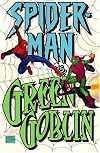
Spider-Man vs. Green Goblin features three of the best Spider-Man stories featuring his arch-nemesis. This trade paperback collects Amazing Spider-Man no. 17 (written by Stan Lee, art by Steve Ditko), Amazing Spider-Man no. 96 (written by Stan Lee, art by Gil Kane and John Romita),Amazing Spider-Man nos. 97 and 98 (written by Stan Lee, pencils by Gil Kane, inks by Frank Glacola), Amazing Spider-Man nos. 121 and 122 (written by Gerry Conway, pencils by Gil Kane, inks by John Romita and Tony show more Mortellaro), and Spectacular Spider-Man no. 200 (written by J.M. DeMatteis, art by Sal Buscema).
Amazing Spider-Man no. 17 tells the story “The Return of the Green Goblin,” in which Lee at Ditko portray Spider-Man battling the eponymous villain. It includes many of the classic elements of that era’s Spidey stories, with Parker trying to find time for a love life, looking out for his ever-sick Aunt May, putting up with Flash Thompson, and even a cameo from the Human Torch. It’s fun, though the Goblin appears less threatening in this early tale than in the later stories.
In Amazing Spider-Man nos. 96-98, Lee and Kane tell the story “Green Goblin Reborn!” In the story, Norman Osborn recovers his suppressed memories and once again becomes the villainous Goblin, setting out to attack Spidey in both his costumed crimefighter identity and as Peter Parker. The story arc itself is most notable for its portrayal of drug use, with Spider-Man saving a man who’s about to jump off a roof while under the influence of hallucinogens. Randy Robertson challenges the media’s portrayal of drug use as an inner-city or African-American problem, pointing out that this narrative allows rich white men like Norman Osborn to ignore the suffering of others. Later, Harry Osborn begins abusing drugs to ease his depression, leading to him nearly dying of an overdose. Even though the story was clearly anti-drug and Lee wrote it at the behest of the Department of Health, Education, and Welfare, the Comics Code Authority refused to approve it. Marvel’s decision to publish the story without approval coupled with the ensuing public debate helped change the industry-wide censorship guidelines for comic books.
Amazing Spider-Man nos. 121-122 tell the story “The Night Gwen Stacy Died,” in which Spider-Man faces his greatest battle to date with the Green Goblin. The combination of Harry’s drug relapse and his failing business lead Norman Osborn to once again don the mask of the Green Goblin. He blames Peter for his troubles and seeks to hurt him, kidnapping Gwen Stacy and luring Spider-Man to the Brooklyn Bridge. Spidey attempts to save Gwen when the Goblin throws her over the ledge, but his webline creates a whiplash that snaps her neck (though the Goblin claims she was already dead). The story also features what was, at the time, Peter’s final battle with Norman Osborn as the Green Goblin in an iconic death for the villain before he began the cycle of returning from the dead. Many comic book historians consider this story the end of the Silver Age of comics and the beginning of the grittier Bronze Age.
In Spectacular Spider-Man no. 300, DeMatteis and Buscema tell the story, “Best of Enemies!” Harry Osborn, the new Green Goblin, returns to his life after his release from the supervillain prison called the Raft. He takes Mary Jane to the Brooklyn Bridge, promising her that she won’t face the fate his father crafted for Gwen. While Harry wants revenge against Peter, whom he blames both for his father’s death and for tarnishing his father’s reputation, he will confine his attacks to Peter alone. DeMatteis explains how Harry’s years of drug use combined with his underlying psychological issues led to him becoming the Green Goblin. The story offers a great ending to the Green Goblin saga, though retcons in the late 1990s largely undid most of the finality in these stories. This remains a good read for those looking for an introduction to Spider-Man’s greatest foe. show less
Amazing Spider-Man no. 17 tells the story “The Return of the Green Goblin,” in which Lee at Ditko portray Spider-Man battling the eponymous villain. It includes many of the classic elements of that era’s Spidey stories, with Parker trying to find time for a love life, looking out for his ever-sick Aunt May, putting up with Flash Thompson, and even a cameo from the Human Torch. It’s fun, though the Goblin appears less threatening in this early tale than in the later stories.
In Amazing Spider-Man nos. 96-98, Lee and Kane tell the story “Green Goblin Reborn!” In the story, Norman Osborn recovers his suppressed memories and once again becomes the villainous Goblin, setting out to attack Spidey in both his costumed crimefighter identity and as Peter Parker. The story arc itself is most notable for its portrayal of drug use, with Spider-Man saving a man who’s about to jump off a roof while under the influence of hallucinogens. Randy Robertson challenges the media’s portrayal of drug use as an inner-city or African-American problem, pointing out that this narrative allows rich white men like Norman Osborn to ignore the suffering of others. Later, Harry Osborn begins abusing drugs to ease his depression, leading to him nearly dying of an overdose. Even though the story was clearly anti-drug and Lee wrote it at the behest of the Department of Health, Education, and Welfare, the Comics Code Authority refused to approve it. Marvel’s decision to publish the story without approval coupled with the ensuing public debate helped change the industry-wide censorship guidelines for comic books.
Amazing Spider-Man nos. 121-122 tell the story “The Night Gwen Stacy Died,” in which Spider-Man faces his greatest battle to date with the Green Goblin. The combination of Harry’s drug relapse and his failing business lead Norman Osborn to once again don the mask of the Green Goblin. He blames Peter for his troubles and seeks to hurt him, kidnapping Gwen Stacy and luring Spider-Man to the Brooklyn Bridge. Spidey attempts to save Gwen when the Goblin throws her over the ledge, but his webline creates a whiplash that snaps her neck (though the Goblin claims she was already dead). The story also features what was, at the time, Peter’s final battle with Norman Osborn as the Green Goblin in an iconic death for the villain before he began the cycle of returning from the dead. Many comic book historians consider this story the end of the Silver Age of comics and the beginning of the grittier Bronze Age.
In Spectacular Spider-Man no. 300, DeMatteis and Buscema tell the story, “Best of Enemies!” Harry Osborn, the new Green Goblin, returns to his life after his release from the supervillain prison called the Raft. He takes Mary Jane to the Brooklyn Bridge, promising her that she won’t face the fate his father crafted for Gwen. While Harry wants revenge against Peter, whom he blames both for his father’s death and for tarnishing his father’s reputation, he will confine his attacks to Peter alone. DeMatteis explains how Harry’s years of drug use combined with his underlying psychological issues led to him becoming the Green Goblin. The story offers a great ending to the Green Goblin saga, though retcons in the late 1990s largely undid most of the finality in these stories. This remains a good read for those looking for an introduction to Spider-Man’s greatest foe. show less

Slightly better than the last volume, and Stan Lee dips his toes into talking about social issues, but there's no subtlety to his stories, making his points rather painful to read.

While this volume contains only 7 issues of the monthly Spider-Man comic, it's an essential item because it also contains perhaps the best 3 extended Spider-Man stories ever.
The 7 regular tales are great enough with the strong characterisation and imaginative plotting of Stan Lee and John Romita seen here at its peak but the real story is how well they and Larry Lieber up the ante when given room to move.
The introduction by Romita tells the story of the abortive first Spider-Man spin-off show more title The Spectacular Spider-Man. Initially intended as a more mature approach with monochrome art recalling the golden age of film noir, the second issue reverted to standard colour art before the title was abandoned with a third issue not progressing beyond a story title.
SS#1 would be substantially revamped in the monthly title in 1972 but the 1968 original is easily superior. Taking its cue from the U.S. election year, the story involves an ambitious politician Richard Raleigh and a man-monster who seems to have a vendetta against him. George Stacy stands out as one of Marvel's strongest supporting characters here (the 1972 remake would cast Joe Robertson in the role since Stacy by that stage had died). The Spectacular Spider-Man #1 is a great idea that never reached its potential apparently due to publisher Marty Goodman.
SS#2 is more in the style of a Spider-Man annual, simply an extended form of the monthly title. The gradual breakdown of Norman Osborne is depicted in the monthly stories in this volume but this is where the Green Goblin lives again. A classic but one wonders how much better it would have been in the more adult style of SS#1. The story from SS#2 would not be reprinted until years later (73 or 74) and for many fans became the Great Lost Spidey Tale.
As those 2 epics weren't enough, there's Annual #5 to round out proceedings as we finally learn the secret of Peter Parker's parents. One of Marvel's most legendary baddies appears here but it's not one of Spidey's regular opponents.
Classic 60s Spider-Man all the way. show less
The 7 regular tales are great enough with the strong characterisation and imaginative plotting of Stan Lee and John Romita seen here at its peak but the real story is how well they and Larry Lieber up the ante when given room to move.
The introduction by Romita tells the story of the abortive first Spider-Man spin-off show more title The Spectacular Spider-Man. Initially intended as a more mature approach with monochrome art recalling the golden age of film noir, the second issue reverted to standard colour art before the title was abandoned with a third issue not progressing beyond a story title.
SS#1 would be substantially revamped in the monthly title in 1972 but the 1968 original is easily superior. Taking its cue from the U.S. election year, the story involves an ambitious politician Richard Raleigh and a man-monster who seems to have a vendetta against him. George Stacy stands out as one of Marvel's strongest supporting characters here (the 1972 remake would cast Joe Robertson in the role since Stacy by that stage had died). The Spectacular Spider-Man #1 is a great idea that never reached its potential apparently due to publisher Marty Goodman.
SS#2 is more in the style of a Spider-Man annual, simply an extended form of the monthly title. The gradual breakdown of Norman Osborne is depicted in the monthly stories in this volume but this is where the Green Goblin lives again. A classic but one wonders how much better it would have been in the more adult style of SS#1. The story from SS#2 would not be reprinted until years later (73 or 74) and for many fans became the Great Lost Spidey Tale.
As those 2 epics weren't enough, there's Annual #5 to round out proceedings as we finally learn the secret of Peter Parker's parents. One of Marvel's most legendary baddies appears here but it's not one of Spidey's regular opponents.
Classic 60s Spider-Man all the way. show less

Ugh. Without Kirby or Steranko, the pencils, while solid, can't elevate the stories. And the stories are bad. Horrible. And incredibly sexist, even for the time period. Cap comes off as a manipulative ass.
Lists
You May Also Like


Associated Authors
Statistics
- Works
- 70
- Also by
- 81
- Members
- 1,110
- Popularity
- #23,140
- Rating
- 3.8
- Reviews
- 11
- ISBNs
- 79
- Languages
- 5
- Favorited
- 1