
Eliza Parsons (1739–1811)
Author of Castle of Wolfenbach
About the Author
Works by Eliza Parsons
A Northanger Abbey Double Feature: The Castle of Wolfenbach by Eliza Parsons & The Necromancer by Lawrence Flammenberg (2022) 4 copies
Woman as she should be; or, memoirs of Mrs. Menville. A novel. In four volumes. By Mrs. Parsons, 2 copies
The mysterious visit 1 copy
The Life of Saint Colette 1 copy
Associated Works
The Complete Northanger Horrid Novel Collection (9 Books of Gothic Romance and Horror) (2013) — Contributor — 28 copies, 1 review
Tagged
Common Knowledge
- Other names
- Phelp, Eliza (birth name)
Parsons, Mrs. (Eliza) - Birthdate
- 1739
- Date of death
- 1811-02-05
- Gender
- female
- Occupations
- novelist
- Short biography
- Eliza Parsons, née Phelp, was the only daughter of a middle-class merchant family in Plymouth. In 1760, she married James Parsons, a turpentine dealer with whom she had eight children. The family moved to a London suburb when her husband's business was affected by the American War of Independence. After her husband's death, Eliza Parsons turned to writing Gothic novels to support herself and her family. She produced about 20 multi-volume novels between 1790 and 1810, and also worked at the Royal Wardrobe. She was briefly imprisoned for debt in 1803. She was popular with the public though receiving only faint praise from literary critics. Eliza Parsons was the only novelist with two books in Jane Austen's library (which can be viewed on LibraryThing). Parsons's novels The Castle of Wolfenbach and The Mysterious Warning are mentioned by the character Catherine Morland in Austen's Northanger Abbey.
- Nationality
- UK
- Birthplace
- Plymouth, Devon, England, UK
- Places of residence
- London, England, UK
Leytonstone, Essex, England, UK - Place of death
- Leytonstone, Essez, England, UK
- Associated Place (for map)
- England, UK
Members
Discussions
Castle Of Wolfenbach by Eliza Parsons - lyzard tutoring SqueakyChu in 75 Books Challenge for 2013 (March 2018)
Castle Of Wolfenbach by Eliza Parsons (Volume 2) - lyzard tutoring SqueakyChu in 75 Books Challenge for 2013 (December 2016)
Reviews

OMG this was awful and great. It hits all the gothic high notes. No wonder it was one of the “horrid novels” Jane Austen had her characters wax on about in Northanger Abbey (and which she couldn’t help parodying). Here are my notes while reading -
SPOILERS!
They know nothing about her, crazy to be so trusting, it’s like this in a lot of old books. - So she just shows up at these people’s little cabin and of course they take her in and give her shelter, food, sympathy and their show more complete trust. Just for once I’d like the sweet-faced person to be an axe murderer.
OMG he’s showing her porn!! - The description says that Matilda is on the run from her lecherous uncle. And how. There are many references to his trying to cop a feel (decorously described as having to submit to his “caresses”. Then there are the nakey pictures. OMG.
Unbelievable that the Countess W could be hiding and Bertha not know. Seriously. Bertha is a dope and is tiresome in her constant flattery and compliments.
And the faux uncle appears! The pacing is manic. No time to settle. Plenty of time for tears and fainting though.
And even more sinister, Count W shows up and decides to destroy all evidence. Wicked and wickeder, the uncle and the Count (I really wish Eliza had other titles to sprinkle around; there are something like four Counts in the book, complete with Countesses.).
The woods outside the Castle W is full of nick-of-time saviors. Seriously, what is this stretch of woods, a highway for pilgrims or Samaritans? Everyone who runs headlong into them gets rescued by some soft-hearted folks who just happen to be there.
Marchioness = Fairy Godmother. Doesn’t anyone who is poor feel the savior bug?
Mademoiselle de Fontenelle = foil and wedge. Too bad she really doesn’t do much to injure M. And it’s funny how the super criminals are forgiven and allowed to retire into obscurity, but this little gossip is left to ignominy.
The mysterious and surrendered children = speculation for M’s origins, glad she turns out to be none of the ones I suspected.
Oh boy is birth and rank ever ingrained into people of this time. Of course everything amiable and proper should be innate in one of high rank, but if it exists in someone not recognized as high rank, these same qualities are dubious and of course ripe for corruption. or they might just cease and the person become base.
All the fainting and weeping - how exhausting. I have to wonder how much of an influence this fictional behavior was on real behavior. No wonder Austen characterized this novel as horrid. In a good way though. Nothin’ but love for ya. show less
SPOILERS!
They know nothing about her, crazy to be so trusting, it’s like this in a lot of old books. - So she just shows up at these people’s little cabin and of course they take her in and give her shelter, food, sympathy and their show more complete trust. Just for once I’d like the sweet-faced person to be an axe murderer.
OMG he’s showing her porn!! - The description says that Matilda is on the run from her lecherous uncle. And how. There are many references to his trying to cop a feel (decorously described as having to submit to his “caresses”. Then there are the nakey pictures. OMG.
Unbelievable that the Countess W could be hiding and Bertha not know. Seriously. Bertha is a dope and is tiresome in her constant flattery and compliments.
And the faux uncle appears! The pacing is manic. No time to settle. Plenty of time for tears and fainting though.
And even more sinister, Count W shows up and decides to destroy all evidence. Wicked and wickeder, the uncle and the Count (I really wish Eliza had other titles to sprinkle around; there are something like four Counts in the book, complete with Countesses.).
The woods outside the Castle W is full of nick-of-time saviors. Seriously, what is this stretch of woods, a highway for pilgrims or Samaritans? Everyone who runs headlong into them gets rescued by some soft-hearted folks who just happen to be there.
Marchioness = Fairy Godmother. Doesn’t anyone who is poor feel the savior bug?
Mademoiselle de Fontenelle = foil and wedge. Too bad she really doesn’t do much to injure M. And it’s funny how the super criminals are forgiven and allowed to retire into obscurity, but this little gossip is left to ignominy.
The mysterious and surrendered children = speculation for M’s origins, glad she turns out to be none of the ones I suspected.
Oh boy is birth and rank ever ingrained into people of this time. Of course everything amiable and proper should be innate in one of high rank, but if it exists in someone not recognized as high rank, these same qualities are dubious and of course ripe for corruption. or they might just cease and the person become base.
All the fainting and weeping - how exhausting. I have to wonder how much of an influence this fictional behavior was on real behavior. No wonder Austen characterized this novel as horrid. In a good way though. Nothin’ but love for ya. show less
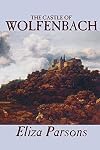
I’ve never read a book with so much fainting and weeping before and all of it amused me.
Matilda Weimer lives a quiet life at her uncle’s home in Germany. Both parents are dead and she relies on her uncle for everything. After overhearing a conversation between her uncle and the housekeeper that involves plans for her, she convinces another servant, Albert, to runaway with her. They end up seeking shelter at the Castle of Wolfenbach while trying to figure out what to do. The caretakers show more of the castle, Joseph and Berta, agree to put them up but warn that the castle is haunted. Matilda ignores their pleas, and the supposed haunting, and finds out the secret of the castle --- the Countess of Wolfenbach is very much alive and confined to the upper halls by a secret pledge she cannot reveal. The Countess’s story is as sad as Matilda’s and the two scheme to send Matilda to the Countess’s sister in France. Once there, Matilda befriends the Countess’s sister, the Marchioness, and finds herself in a safe place until her uncle shows up and lays claim to her. This sets in motion a new series of events involving a nunnery, a chase across the sea, pirates, revealed secrets, unrequited love, and finally marriage.
There are so many twists and turns in this book at one point I started laughing out loud and wondered how much more I could take and then got right back to it realizing how much fun I was having thinking about the next crazy antic. Almost every woman in this story is aggrieved, heartbroken, or hiding. Poor Matilda among the worst of them too --- she’s got an uncle who has sick plans for her, she has no family members alive (that she knows of), no love interest, views herself as sad and lonely, cries at the drop of a hat, and she’s on the run with no money. Every one she meets has sympathy for her and luckily for her they all want to help and have the money and or mean to offer help. It’s a ridiculous story though and here’s why (and no it’s not the addition of pirates although that contributed) --- no one, and I mean no one, can have this amount of drama and luck at the same time without being in a gothic novel. How do you know when you’re reading a gothic novel? Characters faint then weep, and then faint some more and then someone comes to their rescue. And yes, that person can be a pirate who has seen the light and plans to leave the death and destruction of the waves behind.
OK, there’s a reason why Jane Austen pokes fun at these stories. This one along with The Mysteries of Udolpho are mentioned in Northanger Abbey and while two of the characters revere the books with a sense of awe, others deride them for even bothering to read them. Austen pans the books and rightly so but you can see how someone would get hooked on one. Yes, this one was laugh out loud funny at times and ridiculous at points but fun. I’ve had The Mysteries of Udolpho on my Nook for a while now and I feel like I need to get to it. I’ve heard better things about that one and now that a toe has been dipped in the Gothic novel pool, I may be willing to add a whole foot. show less
Matilda Weimer lives a quiet life at her uncle’s home in Germany. Both parents are dead and she relies on her uncle for everything. After overhearing a conversation between her uncle and the housekeeper that involves plans for her, she convinces another servant, Albert, to runaway with her. They end up seeking shelter at the Castle of Wolfenbach while trying to figure out what to do. The caretakers show more of the castle, Joseph and Berta, agree to put them up but warn that the castle is haunted. Matilda ignores their pleas, and the supposed haunting, and finds out the secret of the castle --- the Countess of Wolfenbach is very much alive and confined to the upper halls by a secret pledge she cannot reveal. The Countess’s story is as sad as Matilda’s and the two scheme to send Matilda to the Countess’s sister in France. Once there, Matilda befriends the Countess’s sister, the Marchioness, and finds herself in a safe place until her uncle shows up and lays claim to her. This sets in motion a new series of events involving a nunnery, a chase across the sea, pirates, revealed secrets, unrequited love, and finally marriage.
There are so many twists and turns in this book at one point I started laughing out loud and wondered how much more I could take and then got right back to it realizing how much fun I was having thinking about the next crazy antic. Almost every woman in this story is aggrieved, heartbroken, or hiding. Poor Matilda among the worst of them too --- she’s got an uncle who has sick plans for her, she has no family members alive (that she knows of), no love interest, views herself as sad and lonely, cries at the drop of a hat, and she’s on the run with no money. Every one she meets has sympathy for her and luckily for her they all want to help and have the money and or mean to offer help. It’s a ridiculous story though and here’s why (and no it’s not the addition of pirates although that contributed) --- no one, and I mean no one, can have this amount of drama and luck at the same time without being in a gothic novel. How do you know when you’re reading a gothic novel? Characters faint then weep, and then faint some more and then someone comes to their rescue. And yes, that person can be a pirate who has seen the light and plans to leave the death and destruction of the waves behind.
OK, there’s a reason why Jane Austen pokes fun at these stories. This one along with The Mysteries of Udolpho are mentioned in Northanger Abbey and while two of the characters revere the books with a sense of awe, others deride them for even bothering to read them. Austen pans the books and rightly so but you can see how someone would get hooked on one. Yes, this one was laugh out loud funny at times and ridiculous at points but fun. I’ve had The Mysteries of Udolpho on my Nook for a while now and I feel like I need to get to it. I’ve heard better things about that one and now that a toe has been dipped in the Gothic novel pool, I may be willing to add a whole foot. show less
The Mysterious Warning: A German Story (Northanger Abbey Horrid Novels) (Gothic Classics) by Eliza Parsons
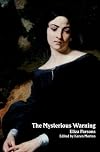
In common with The Castle of Wolfenbach, this novel is set in Germany, but the narrative takes the form of journals and letters. Count Renauld is the father of Rhodophil and Ferdinand. He also has two daughters by his mistress and it is the youngest of these, Claudina, whom Ferdiand unknowingly marries in secret, resulting in his father’s displeasure. Although the father forgives Ferdinand on his deathbed and makes a new will, this is covered up by Rhodophil.
Louisa’s tale highlights the show more traditional vulnerability of women when she falls for the charming Count Wolfran. Married in secret and forced to adopt a false name to prevent his father’s discovery of the marriage, she can not prove her claim. Eugenia’s tale is similar, as her father refuses permission for her to marry Count M and forces her to marry the Baron. However, on their wedding night, she runs away and the Baron pursues her, seeking his revenge on both her and the Count.
Ferdinand, in order to provide for his family, enlists in the army and is captured by the Turks. This not only allows the author to comment on the Roman Empire and how a great civilisation was destroyed through greed and corruption, but the differing customs of the East compared to the West. Helli explains how custom limits women’s freedoms and the view that reading and information make wives deceive and betray their husbands. Ferdinand advocates the alternative view that undue restrictions by a husband or parent only result in vices which they would seek to avoid. show less
Louisa’s tale highlights the show more traditional vulnerability of women when she falls for the charming Count Wolfran. Married in secret and forced to adopt a false name to prevent his father’s discovery of the marriage, she can not prove her claim. Eugenia’s tale is similar, as her father refuses permission for her to marry Count M and forces her to marry the Baron. However, on their wedding night, she runs away and the Baron pursues her, seeking his revenge on both her and the Count.
Ferdinand, in order to provide for his family, enlists in the army and is captured by the Turks. This not only allows the author to comment on the Roman Empire and how a great civilisation was destroyed through greed and corruption, but the differing customs of the East compared to the West. Helli explains how custom limits women’s freedoms and the view that reading and information make wives deceive and betray their husbands. Ferdinand advocates the alternative view that undue restrictions by a husband or parent only result in vices which they would seek to avoid. show less

My current course offers the following quotation from 1798 on 'terrorist novel writing' (or in other words the gothic novel):
Take - An old castle, half of it ruinous,
A long gallery, with a great many doors, some secret ones,
Three murdered bodies, quite fresh.
As many skeletons, in chests and presses.
An old woman hanging by the neck, with her throat cut.
Assassins and desperadoes, 'quant. suff.'
Noise, whispers and groans, three score at least.
Mix them together, in the form of three volumes, to show more be taken at any of the watering places before going to bed.
Eliza Parsons must have been working from a very similar list when she wrote Castle of Wolfenbach, one of the 'horrid novels' loved by Catherine and Isabella in Northanger Abbey. There aren't any skeletons (in either chest or press) but one of the quite fresh murdered bodies goes into a chest instead, so I expect that will do. And I think Eliza's list must have included an extra line, something like: 'one heroine, able to weep and faint with great regularity' as really Eliza's heroine Matilda weeps and faints at the slightest pretext no matter whether the occasion be happy or sad. So to be honest, it's not great literature. But I found it very interesting to read one of the books that Jane Austen was parodying in Northanger Abbey, one of my favourite books.
The basic plot is far-fetched to say the least. Matilda escapes from an uncle who seems to have incestuous (or are they) designs upon her virtue, and finds herself at the supposedly haunted Castle of Wolfenbach where she discovers the equally badly treated Countess of Wolfenbach, unjustly imprisoned by her husband for the last sixteen years. The Countess is kidnapped, her maidservant murdered and Matilda must flee again from her pursuing uncle. There is much pursuing going on throughout the novel, of Matilda and of the Countess, as the location moves from Switzerland, to Paris, to London and beyond. There is a somewhat strange sense of morality throughout, where the villains who are guilty of murder, kidnap, and false imprisonment are forgiven, whereas someone who is guilty of nothing more than a nasty piece of gossip seems to be guilty of a mortal sin.
I've not read a lot of gothic novels but I have a feeling that this one probably isn't the best of the genre. But as I said an interesting read nonetheless. show less
Take - An old castle, half of it ruinous,
A long gallery, with a great many doors, some secret ones,
Three murdered bodies, quite fresh.
As many skeletons, in chests and presses.
An old woman hanging by the neck, with her throat cut.
Assassins and desperadoes, 'quant. suff.'
Noise, whispers and groans, three score at least.
Mix them together, in the form of three volumes, to show more be taken at any of the watering places before going to bed.
Eliza Parsons must have been working from a very similar list when she wrote Castle of Wolfenbach, one of the 'horrid novels' loved by Catherine and Isabella in Northanger Abbey. There aren't any skeletons (in either chest or press) but one of the quite fresh murdered bodies goes into a chest instead, so I expect that will do. And I think Eliza's list must have included an extra line, something like: 'one heroine, able to weep and faint with great regularity' as really Eliza's heroine Matilda weeps and faints at the slightest pretext no matter whether the occasion be happy or sad. So to be honest, it's not great literature. But I found it very interesting to read one of the books that Jane Austen was parodying in Northanger Abbey, one of my favourite books.
The basic plot is far-fetched to say the least. Matilda escapes from an uncle who seems to have incestuous (or are they) designs upon her virtue, and finds herself at the supposedly haunted Castle of Wolfenbach where she discovers the equally badly treated Countess of Wolfenbach, unjustly imprisoned by her husband for the last sixteen years. The Countess is kidnapped, her maidservant murdered and Matilda must flee again from her pursuing uncle. There is much pursuing going on throughout the novel, of Matilda and of the Countess, as the location moves from Switzerland, to Paris, to London and beyond. There is a somewhat strange sense of morality throughout, where the villains who are guilty of murder, kidnap, and false imprisonment are forgiven, whereas someone who is guilty of nothing more than a nasty piece of gossip seems to be guilty of a mortal sin.
I've not read a lot of gothic novels but I have a feeling that this one probably isn't the best of the genre. But as I said an interesting read nonetheless. show less
Lists
You May Also Like


Associated Authors
Statistics
- Works
- 17
- Also by
- 2
- Members
- 252
- Popularity
- #90,784
- Rating
- 3.4
- Reviews
- 8
- ISBNs
- 30
- Favorited
- 1