
Nancy Winslow Parker (1930–2015)
Author of Frogs, Toads, Lizards, and Salamanders
About the Author
Illustrator and children's writer Nancy Winslow Parker was born in Maplewood, New Jersey, on October 18, 1930. She graduated from Mills College in California. She continued her art education at the Art Students League and the School of Visual Arts in New York. After a succession of varied jobs, she show more became art director for Appleton-Century-Crofts and, later, graphic designer for Holt, Rienhart and Winston. Her first book, The Man with the Take-Apart Head, was published in 1974. Other works include Willy Bear (1977) and My Mom Travels a Lot (1983), both winners of the Christopher Award. Winslow has won numerous other awards, including the American Library Association Notable Book, Honorable Mention by the New York Academy of Science's Children's Science Book Award, and the New York Times Best Illustrated list. (Bowker Author Biography) show less
Image credit: Photo by Linda Hajduk
Series
Works by Nancy Winslow Parker
Money, Money, Money: The Meaning of the Art and Symbols on United States Paper Currency (1995) 101 copies, 1 review
The JacketI wear in the Snow 1 copy
Associated Works
Bugs (Reading Rainbow) (1987) — Illustrator; some editions; Illustrator, some editions; Illustrator, some editions — 1,219 copies, 15 reviews
Sweetly Sings the Donkey: Animal Rounds for Children to Sing or Play on Recorders (1976) — Illustrator — 26 copies
Tagged
Common Knowledge
- Birthdate
- 1930-10-18
- Date of death
- 2015-11-27
- Gender
- female
- Education
- Mills College
Columbia High School - Occupations
- non-fiction author
illustrator
sculptor - Nationality
- USA
- Birthplace
- Maplewood, New Jersey, USA
- Places of residence
- New York, New York, USA
- Place of death
- Lakewood, New Jersey, USA
- Associated Place (for map)
- New Jersey, USA
Members
Reviews

When a scientist decides to study the hibernation patterns of the black bear, Byron B. Blackbear takes grave exception to being tranquilized and hooked up to sensors and fancy equipment. He distributes the equipment to friends and acquaintances of various species throughout the forest, and the chagrined scientist decides to study dog ticks instead. "Clever parody of a serious science book" comes with a serious bibliography.
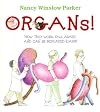
Organs are gross, but just as fascinating as they are yucky. Kids at younger ages cannot see organs as being anything but gross, but for the mature audiences, this book can be quite interesting. What is interesting about learning about these organs, is that we get a greater understand of how we ourselves work. Even if the kid is still in their "gross!" stage rather than the more mature viewpoint of having interest in scientific facts, then it is still great for them; Almost all kids love show more "gross" themed anything. The information in this book is actually pretty advanced and is most likely useful to an older audience. A lot of the information in the book was covered in my college Anatomy and Physiology class. The book includes fun facts and useful comparisons in order to give the reader a better understanding as they relate the specific organs to what they encounter in every day life. The pictures are well done, but I felt like the book could have used some more "eye catching" texts, I found most of the text rather bland. show less
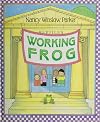
I loved this! Tells the story of a frog and his journey to being a "working frog" on display at the zoo. There are a lot of details about the process of putting him on display, including capture, exams, diet, and reasons why an animal might be replaced. There are so many areas for discussion and discovery, and this book would pair nicely with a section in science on zoos or amphibians.

I believe The President’s Cabinet and How It Grew is a good children’s book because it is extremely informational. First, while political topics may be very confusing for children, this book provides illustrations that help make the focus a little more relatable for young readers. Additionally, rather than using photographs the book provides creative and colorful drawings that draw the reader in rather than bore them. Next, I liked that after the book gave a brief background about how show more the cabinet came to be, there is a sort of time line of George Washington’s cabinet and those who follow after him. The message of this book is simply to inform children about what The President’s Cabinet is. This book is well written and illustrated because through creativity, it was easily relatable and captivating. show less
Awards


You May Also Like


Associated Authors
Statistics
- Works
- 32
- Also by
- 3
- Members
- 1,201
- Popularity
- #21,368
- Rating
- 3.9
- Reviews
- 31
- ISBNs
- 63
- Languages
- 2