
Glyn Dillon
Author of The Nao of Brown
Works by Glyn Dillon
Associated Works
Tagged
Common Knowledge
- Birthdate
- 1971
- Gender
- male
- Relationships
- Dillon, Steve (brother)
- Nationality
- UK
- Associated Place (for map)
- UK
Members
Reviews
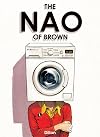
The Tao of Nao.
What happens when you make a conscious decision to fall in love with a lovable yet totally incompatible human being just because they look like your favorite animated creature? Nao Brown does this in a beautifully drawn and colored train-wreck of a graphic novel that brings into question the motives behind your own past and current dysfunctional relationships.
What happens when gruesomely violent or wildly inappropriate thoughts about friends, colleagues, family, or random show more strangers parade unabashedly across the film screen of your brain? Well, if you're like Nao, you feel a strong need to go hide in the loo and wonder when the day will come that finds imagination merging with reality. So don't worry. You're not alone. Start drawing some zen washing machines and you'll feel better. show less
What happens when you make a conscious decision to fall in love with a lovable yet totally incompatible human being just because they look like your favorite animated creature? Nao Brown does this in a beautifully drawn and colored train-wreck of a graphic novel that brings into question the motives behind your own past and current dysfunctional relationships.
What happens when gruesomely violent or wildly inappropriate thoughts about friends, colleagues, family, or random show more strangers parade unabashedly across the film screen of your brain? Well, if you're like Nao, you feel a strong need to go hide in the loo and wonder when the day will come that finds imagination merging with reality. So don't worry. You're not alone. Start drawing some zen washing machines and you'll feel better. show less
The Nao of Brown by Glyn Dillon features beautiful artwork, and would be worth taking a look at for that reason alone. But it has an unusual, engaging story that had me going back through the book when I was done.
Nao Brown is half-Japanese, very cute, and an artist. She works in a shop selling Japanese toys and such. She's obsessed with Japanese Ichi comic book characters, and falls for a bearded, heavyset washing-machine repairman who looks like one of them. Her problem: she is plagued by show more an obsessive compulsive disorder that unexpectedly will overwhelm her with thoughts of injuring and killing other people. The images and thoughts can be simply awful, like stabbing a pregnant woman in the belly. Her struggles to cope with this disorder and conceal it are riveting. Also fascinating is her use of Buddhist meditation and Buddhist artwork to help her learn to not be overwhelmed.
There is a good bit of humor and gentle wisdom in the book as well. The teachers and students at the Buddhist center, for example, can be overly sincere and unaware of their absurdity, for all their compassionate intentions.
Interspersed is the story of a half-man, half-tree Ichi character who joins the Japanese army. The graphic images are weird, ornate and contrasting in style to the realism of the rest of the book. But they also have a quiet serenity to them which understandably appeals to Nao, and the reader.
In Nao's story we learn about her toy store boss, her roommate, her family, and of course her repairman boyfriend. He turns out to have a wisdom, and a secret, of his own. There is a short text piece toward the end from his diary that provides a different angle to the story. If you are looking for something different in your reading, this certainly provides it. It also provides a rare and thoughtful Buddhist perspective on its events. show less
Nao Brown is half-Japanese, very cute, and an artist. She works in a shop selling Japanese toys and such. She's obsessed with Japanese Ichi comic book characters, and falls for a bearded, heavyset washing-machine repairman who looks like one of them. Her problem: she is plagued by show more an obsessive compulsive disorder that unexpectedly will overwhelm her with thoughts of injuring and killing other people. The images and thoughts can be simply awful, like stabbing a pregnant woman in the belly. Her struggles to cope with this disorder and conceal it are riveting. Also fascinating is her use of Buddhist meditation and Buddhist artwork to help her learn to not be overwhelmed.
There is a good bit of humor and gentle wisdom in the book as well. The teachers and students at the Buddhist center, for example, can be overly sincere and unaware of their absurdity, for all their compassionate intentions.
Interspersed is the story of a half-man, half-tree Ichi character who joins the Japanese army. The graphic images are weird, ornate and contrasting in style to the realism of the rest of the book. But they also have a quiet serenity to them which understandably appeals to Nao, and the reader.
In Nao's story we learn about her toy store boss, her roommate, her family, and of course her repairman boyfriend. He turns out to have a wisdom, and a secret, of his own. There is a short text piece toward the end from his diary that provides a different angle to the story. If you are looking for something different in your reading, this certainly provides it. It also provides a rare and thoughtful Buddhist perspective on its events. show less
Another book picked up on impulse from the staff recommends table at the library. The cover was wonderful, the synopsis on the inside was intriguing - it was a fast, easy sell. But then it got put aside, and it wasn't until the day it was due that I got around to reading it. But once I opened it, I couldn't put it down. Into the bath, out of the bath, getting dressed, downstairs to read on the couch (too noisy), back upstairs to read in the bed until I was done. (Thank goodness it was my day show more off!)
The art was so lovely and expressive. The characters were original and relatable. I wanted to reach in and give them all a big hug. Even when they were at odds - maybe especially when they were at odds. The way Nao's OCD is handled is very interesting. Her violent morbid fantasies are disorienting at first (as I'm sure they're supposed to be), but then they're almost familiar. Most people have these horrible thoughts that pop in unbidden - about suddenly wrenching the wheel and driving off the road... the damage a pair of scissors could do.... don't boil the baby (an inside joke for those familiar with The Poo Bomb.) Most of us recognize the thought as aberrant and not likely to happen and so shake ourselves and move on. Nao gets stuck in them. While this sometimes controls her behavior, she is understandably reluctant to let even those she is very close to in on what's going on inside her mind.
My only criticism is that the resolution seemed to happen a little fast. I would have liked to know a little more detail about how Nao got from point A to Point B, figuratively. But otherwise, this is a wonderful and moving book about the way our brains sometimes sabotage us. And this wonderful bit from the foreword: "The restless mind will make you believe that it is you. That you are it. You are not. show less
The art was so lovely and expressive. The characters were original and relatable. I wanted to reach in and give them all a big hug. Even when they were at odds - maybe especially when they were at odds. The way Nao's OCD is handled is very interesting. Her violent morbid fantasies are disorienting at first (as I'm sure they're supposed to be), but then they're almost familiar. Most people have these horrible thoughts that pop in unbidden - about suddenly wrenching the wheel and driving off the road... the damage a pair of scissors could do.... don't boil the baby (an inside joke for those familiar with The Poo Bomb.) Most of us recognize the thought as aberrant and not likely to happen and so shake ourselves and move on. Nao gets stuck in them. While this sometimes controls her behavior, she is understandably reluctant to let even those she is very close to in on what's going on inside her mind.
My only criticism is that the resolution seemed to happen a little fast. I would have liked to know a little more detail about how Nao got from point A to Point B, figuratively. But otherwise, this is a wonderful and moving book about the way our brains sometimes sabotage us. And this wonderful bit from the foreword: "The restless mind will make you believe that it is you. That you are it. You are not. show less
Surreal in the best possible way.
Buddhist philosophy has never appealed to me, but The Nao of Brown made me rethink my aversion. A messy, lifelike story with big beautiful colorful watercolor pages. I also really liked the even more surreal/mythic side-story.
Buddhist philosophy has never appealed to me, but The Nao of Brown made me rethink my aversion. A messy, lifelike story with big beautiful colorful watercolor pages. I also really liked the even more surreal/mythic side-story.
Lists
Awards

You May Also Like


Associated Authors
Statistics
- Works
- 1
- Also by
- 8
- Members
- 259
- Popularity
- #88,670
- Rating
- 4.5
- Reviews
- 11
- ISBNs
- 7
- Languages
- 4