

Elsa Triolet (1896–1970)
Author of A Fine of Two Hundred Francs
About the Author
Series
Works by Elsa Triolet
Нейлоновый век 3 copies
Pour que Paris soit 2 copies
Ecoutez-voir 1 copy
Dessins animés 1 copy
"Luna-Park": roman 1 copy
MAIAKOVSKI POÉTE RUSSE 1 copy
Associated Works
Tagged
Common Knowledge
- Canonical name
- Triolet, Elsa
- Other names
- Kagan, Ella Yur'evna (birth)
Каган, Элла Юрьевна - Birthdate
- 1896-09-12
- Date of death
- 1970-06-16
- Gender
- female
- Education
- Moscow Institute of Architecture
- Occupations
- writer
novelist
short story writer
translator
anthologist - Organizations
- French Communist Party
French Resistance (WWII) - Awards and honors
- Prix Goncourt (1944)
- Relationships
- Aragon, Louis (Epoux, 19 39 | 19 70)
Brik, Lili (Soeur)
Maïakovski, Vladimir (Beau-frère) - Short biography
- Elsa Triolet, née Ella Yuryevna Kagan, was born into a wealthy Russian Jewish family in Moscow and learned to speak fluent French and German. Like her older sister Lili Brik, she graduated from the Moscow Institute of Architecture. In 1915, she befriended futurist poet and graphic artist Vladimir Mayakovsky, and introduced him to her sister Lili and her husband Osip Brik, who later shared a home with him for years. After the start of the Russian Revolution, Elsa married a French cavalry officer, André Triolet, and went to live in France with him. About 10 years later, she met and married French writer Louis Aragon -- she helped influence Aragon to join the French Communist Party. The couple were members of the French Resistance in World War II. In 1944, she became the first woman to be awarded the Prix Goncourt, for her novel Le Premier accroc coûte deux cents francs (A Fine of 200 Francs). She helped popularize Russian literature in France with biographies of Chekhov and Mayakovsky, and French translations of their work. She also compiled an anthology of Russian poetry published in 1965.
- Nationality
- France
- Birthplace
- Moscow, Russia
- Places of residence
- Moscow, Russia (birth)
Paris, France
Tahiti
Moulin de Saint-Arnoult, France
St. Petersburg, Russia - Place of death
- Saint-Arnoult-en-Evelines, France
- Burial location
- Triolet Foundation's Park, Yvelines, France
- Map Location
- France
Members
Reviews

Nehéz eldönteni, hogy ami erre a XX. századi klasszikusra rárakódott, az patina-e, vagy rozsda. (Gondolom, is-is.) Triolet könyve szépen belesimul a II. világháború utáni francia egzisztencialista prózahagyományba, ám mégis világosan elkülöníti tőle valami lírai miszticizmus, ami helyenként igazi látomásos, álomszerű szöveget eredményez. Ennek köszönhetően szép számmal találunk benne bravúrosan felépített, áradó epizódokat (külön kiemelném az show more éjszakai patikában játszódó jelenetet – ritka szép), ám ugyanakkor az egész belesüpped valami masszív, parttalan moralizálásba – ami helyenként szintúgy izgalmas, csak éppen túl direkt*. Elbeszélőnk, Antonin Blond háborús ellenálló, aki a beköszöntő békében sehogy sem találja a helyét, így elhatározza, hogy felszívódik az életben: leülepszik a társadalom aljára, és úgy őrzi meg egyéniségét, hogy a külvilág számára láthatatlanná teszi azt. Nem nehéz mindezt úgy értelmezni, mint annak metaforáját, hogy amikor a világban jelentőségüket veszítik a dolgok – mert már nem találni evidens célt, amiért harcolni lehet –, akkor az egyén integritása is óhatatlanul veszélybe kerül. Triolet könyve helyenként nagyon szellemesen járja körbe ezt a problémát – ezért minden viszonylagos megkopottsága ellenére is olyan regény, ami fontos hipotézist kínál arra a kérdésre, hogy mi az ember a XX. században.
* Érdekes összevetni Triolet stílusát Updike-éval: ami itt a belső monológból, ott a szereplők közti interakcióból rajzolódik ki, és azt hiszem, ez utóbbi írói szempontból magasabb rendű eljárás. Több teret ad az olvasói dekódolásnak, és közben nem is fullasztja bele őt a tömbösített bekezdések futóhomokjába. show less
* Érdekes összevetni Triolet stílusát Updike-éval: ami itt a belső monológból, ott a szereplők közti interakcióból rajzolódik ki, és azt hiszem, ez utóbbi írói szempontból magasabb rendű eljárás. Több teret ad az olvasói dekódolásnak, és közben nem is fullasztja bele őt a tömbösített bekezdések futóhomokjába. show less

This is a series of stories about the men and women of the French resistance. Triolet secretly published this book during the war, and thus is not merely a chronicle of, but also part of the actual fight against Nazi occupation. Triolet tells stories of men and women who found themselves, either by choice or necessity, engaged with the resistance movement. Given the subject matter, it likely comes as no surprise that these are haunting stories. They are extremely atmospheric: cold, hunger, show more uncertainty, all are omnipresent in these tales, and are vividly presented to the reader. While these sensory experiences are so vivid, other things have been normalized. Some privations have been so normalized that they pass with minimal comment. Because this was published during wartime by the underground press there are elements of wartime culture Triolet never fully explains. While these must have been self-evident in 1944, they are not necessarily so in 2009. That said, this was a very interesting look at the day-to-day operations of the resistance movement. show less

This volume telling the stories of lives lived during the second world war in France was the winner of the Prix Goncourt in 1945. It is a book brimming over with history yet with real life characters in whose lives I became completely immersed. Beyond the book the very facts of the writing, publishing and the life of the author are fascinating and riveting in themselves. What an amazing lady was Russian born Elsa Triolet. Not only was she an essayist, author of twenty seven books, a show more translator of Russian prose and poetry, Chekov and Gagol but she was also decorated for her heroic role in the French resistance. The story of the life of underground resistance worker, Juliette was first published illegally by underground presses in 1943 and was dedicated to other resistance workers one of whom, Daniele Casanova was later to lose her life in Auschwitz. In the second story she relates the life of artist Alexis Slavky and his attempt to live under extreme conditions of war time. Apparently Alexis was partly modelled upon Henri Matisse – who complained bitterly as the war was interrupting his work. The final story, linked to the second is the most autobiographical and tells of how Louise, a resistance worker passes her time hiding from the gestapo by writing of her early life, reflections and of how the work, like that of Elsa’s was buried under a tree.
The final part or epilogue was of special interest to me as it relates an event in which a parachute drop onto a small village on the Vercors plateau resulted in the most severe German reprisals against the villagers. It is the only ‘atrocity’ one encounters in the book. Through the travels of my mother I know that this event was commemorated and the loss of lives honoured by the erecting of the stations of the cross up the track, now road, that leads to the plateau. I long to visit the simple yet deeply moving memorial and this book has renewed that desire.
At times this was a hard book yet at others I could barely put it down. As it was written at the time of war there was much ‘reading between the lines’ needed in part as the audience of the period would have done. For example, the title itself was the secret code to signal the Allied landings in Normandy and for the readers of 1945 that meaning was clear. This is a book asking to be re read and to me the details of the author’s life are almost as interesting and as fascinating as the book itself. show less
The final part or epilogue was of special interest to me as it relates an event in which a parachute drop onto a small village on the Vercors plateau resulted in the most severe German reprisals against the villagers. It is the only ‘atrocity’ one encounters in the book. Through the travels of my mother I know that this event was commemorated and the loss of lives honoured by the erecting of the stations of the cross up the track, now road, that leads to the plateau. I long to visit the simple yet deeply moving memorial and this book has renewed that desire.
At times this was a hard book yet at others I could barely put it down. As it was written at the time of war there was much ‘reading between the lines’ needed in part as the audience of the period would have done. For example, the title itself was the secret code to signal the Allied landings in Normandy and for the readers of 1945 that meaning was clear. This is a book asking to be re read and to me the details of the author’s life are almost as interesting and as fascinating as the book itself. show less
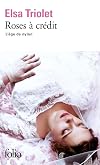
I read this book when I was in the University. The story of life in credit appeard then really awful (the way it takes all your forces to earn your life and ruins your love life). But it was 12 years ago... I reread it again and realised that this is the life I am living, repaying the mortgage, vacation etc... Credit is the way of our life now and we are fine with it...
Lists
Awards


You May Also Like


Associated Authors
Statistics
- Works
- 36
- Also by
- 1
- Members
- 415
- Popularity
- #58,724
- Rating
- 3.9
- Reviews
- 10
- ISBNs
- 47
- Languages
- 10


