
Michael Bliss (1) (1941–2017)
Author of The Discovery of Insulin
For other authors named Michael Bliss, see the disambiguation page.
About the Author
John William Michael Bliss was born in Leamington, Ontario, Canada on January 18, 1941. He graduated from the University of Toronto. He taught at the University of Toronto from 1968 until 2006. He was a historian of Canadian business and politics as well as medicine. He wrote 14 books during his show more lifetime including A Canadian Millionaire, The Discovery of Insulin, Banting: A Biography, William Osler: A Life in Medicine, and Harvey Cushing: A Life in Surgery. He was inducted into the Canadian Medical Hall of Fame in 2016. He died from complications of vasculitis, an inflammatory blood vessel disease, on May 18, 2017 at the age of 76. (Bowker Author Biography) show less
Image credit: utoronto.ca
Works by Michael Bliss
Right Honourable Men: The Descent of Canadian Politics from Macdonald to Mulroney (1994) 95 copies, 1 review
The Making of Modern Medicine: Turning Points in the Treatment of Disease (2010) 27 copies, 2 reviews
Associated Works
Tagged
Common Knowledge
- Legal name
- Bliss, John William Michael
- Birthdate
- 1941-01-18
- Date of death
- 2017-05-18
- Gender
- male
- Education
- University of Toronto
- Occupations
- historian
professor - Organizations
- University of Toronto
- Awards and honors
- Order of Canada
- Nationality
- Canada
- Birthplace
- Leamington, Ontario, Canada
- Places of residence
- Toronto, Ontario, Canada
- Place of death
- Toronto, Ontario, Canada
- Associated Place (for map)
- Ontario, Canada
Members
Reviews
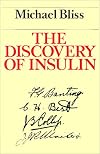
As a type 1 diabetic of 44 years' duration, I found this story of the drug that saved my life at the age of 19 fascinating. Insulin is a curious "cure", in that it is no cure at all, and in that it has a distinct dark side that those who are not insulin-dependent can never understand. I have been in the emergency room too many times to even want to count. I know of no other therapeutic drug that requires its recipients to expose themselves to such risks (i.e. hypglycemia). Yet it's all we've show more got, and it keeps us alive. So I guess all I can say is: Bravo! show less
Bliss is an eminent historian who through his association with U of Toronto was able to access many of the personal papers of the main players in the discovery of insulin. The result is a wonderful written, engrossing story, telling what at the time could only seem like a true miracle. Rather than being a tale of genius, Glory Enough For All, is a tale of normal men who were stubborn enough to ignore the obstacles that to others seemed insurmountable and who were driven by clinical results show more above scientific understanding. Normal men, however, with normal flaws. The author manages to fairly portray the depth of all characters. The book also serves as an interesting commentary on the provincialism of Canada in the early 1920's. Wonderful. show less
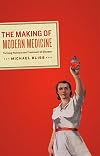
The Making of Modern Medicine is a Canadian medical historian's view seen through Michael Bliss' eye and extensive research of what he sees as some of the key medical turning points in the transformation of medical care - having patients discard fatalism and a religious acceptance of medical suffering to believe or develop some faith in health care and the capacity of doctors to treat disease. Centered on the time period of 1885 - 1922 in North America, Bliss presents readers to the shift in show more modern medicine from a physicians' helplessness in the face of an epidemic disease towards medical researchers' abilities to wage war against the ravages of disease.
To communicate this transition, Bliss divides the book into three sections meant to highlight what he sees as the key transitions on the path to modern medicine. The first transition - away from fatalism - focuses on the devastating smallpox epidemic in Montreal of 1885/1886, when 3,164 Montrealers - 2% of the city's population - died of smallpox. This epidemic raised alarming questions as almost all of the deaths were of people who had never been vaccinated against smallpox. Yes, a vaccine against smallpox did exist at the time but attempts to stem the epidemic were hampered on numerous fronts including discovery that the public vaccine supply was contaminated and the vocal outcry against vaccination by prominent anti-vaccinationist physicians and church leaders. This in turn fueled the already existing ethnic tensions that divided the French-Canadians from the English and the "English notion" of vaccination. The fact that 91.2% of Montreal's deaths were among the French-Canadian population and 85.9% of the victims were children under the age of 10, is a chilling statistic to read. The result: vocal public opinion urging for expansion of public health measures so that such ghastly events should never happen again.
The second transition - secularism - is the movement in America for educational reform in medicine and the establishment of prominent medical schools, such as Johns Hopkins. At the time, institutions such as Harvard's medical school were notorious medical diploma mills and reform was needed. This section focuses on the Canadian physician Dr. William Osler, who was made head of medicine at Johns Hopkins and was one of the four founding medical fathers of that great institution. Osler is credited with bringing clinical clerkships to American hospital wards and expanding the intern system to create a category of resident physicians and surgeons to produce in time highly qualified specialists. This section also focuses on Harvey Cushing who made large advancements in the then infant field of surgery.
The third transition - mastery - focuses on the discovery of insulin in Toronto in 1922 by Fred Banting, Charles Best and James Collip made possible by the establishment of research centers funded by wealthy philanthropic patrons like Eaton, Flavelle and Rockefeller.
While this book has a decidedly Canadian focus to it, Bliss does an amazing job communicating his vast knowledge into a highly readable account of the great leaps made in medicine and medical research during the time period. As Bliss mentions in his epilogue: "Human history is often a tale of woe and misery and evil, but not always. Medical history is often a tale of setbacks, quackery, misery, and, ultimately, always death." Yes, life is finite, or to use Osler's term, it has a fixed period that physicians cannot cure. As amazing as the discovery of insulin may have been, it is a maintenance therapy only, and as Bliss says, an imperfect one at that. Since the discovery of insulin, the total amount of diabetes in the human population has increased, with diabetes mellitus a greater menace to human health - via the surge in late onset type 2 diabetes - than it was in the days of Osler, Banting Best and Collip.
Overall, a good introduction for anyone with an interest in the development of modern medicine in North America during the time period. show less
To communicate this transition, Bliss divides the book into three sections meant to highlight what he sees as the key transitions on the path to modern medicine. The first transition - away from fatalism - focuses on the devastating smallpox epidemic in Montreal of 1885/1886, when 3,164 Montrealers - 2% of the city's population - died of smallpox. This epidemic raised alarming questions as almost all of the deaths were of people who had never been vaccinated against smallpox. Yes, a vaccine against smallpox did exist at the time but attempts to stem the epidemic were hampered on numerous fronts including discovery that the public vaccine supply was contaminated and the vocal outcry against vaccination by prominent anti-vaccinationist physicians and church leaders. This in turn fueled the already existing ethnic tensions that divided the French-Canadians from the English and the "English notion" of vaccination. The fact that 91.2% of Montreal's deaths were among the French-Canadian population and 85.9% of the victims were children under the age of 10, is a chilling statistic to read. The result: vocal public opinion urging for expansion of public health measures so that such ghastly events should never happen again.
The second transition - secularism - is the movement in America for educational reform in medicine and the establishment of prominent medical schools, such as Johns Hopkins. At the time, institutions such as Harvard's medical school were notorious medical diploma mills and reform was needed. This section focuses on the Canadian physician Dr. William Osler, who was made head of medicine at Johns Hopkins and was one of the four founding medical fathers of that great institution. Osler is credited with bringing clinical clerkships to American hospital wards and expanding the intern system to create a category of resident physicians and surgeons to produce in time highly qualified specialists. This section also focuses on Harvey Cushing who made large advancements in the then infant field of surgery.
The third transition - mastery - focuses on the discovery of insulin in Toronto in 1922 by Fred Banting, Charles Best and James Collip made possible by the establishment of research centers funded by wealthy philanthropic patrons like Eaton, Flavelle and Rockefeller.
While this book has a decidedly Canadian focus to it, Bliss does an amazing job communicating his vast knowledge into a highly readable account of the great leaps made in medicine and medical research during the time period. As Bliss mentions in his epilogue: "Human history is often a tale of woe and misery and evil, but not always. Medical history is often a tale of setbacks, quackery, misery, and, ultimately, always death." Yes, life is finite, or to use Osler's term, it has a fixed period that physicians cannot cure. As amazing as the discovery of insulin may have been, it is a maintenance therapy only, and as Bliss says, an imperfect one at that. Since the discovery of insulin, the total amount of diabetes in the human population has increased, with diabetes mellitus a greater menace to human health - via the surge in late onset type 2 diabetes - than it was in the days of Osler, Banting Best and Collip.
Overall, a good introduction for anyone with an interest in the development of modern medicine in North America during the time period. show less
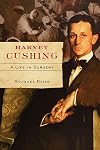
a very thorough and interesting examination of Cushing's life. The accusations of racism are disturbing and dealt with in an offhand manner, but the useof original source material gave a portrait of someone who may have been a questionable father and husband and even person, but who was a superb doctor and surgeon
Awards


You May Also Like


Associated Authors
Statistics
- Works
- 15
- Also by
- 1
- Members
- 554
- Popularity
- #45,049
- Rating
- 4.0
- Reviews
- 8
- ISBNs
- 83
- Languages
- 1