
Andrew Kelly (1) (1955–)
Author of Birrarung Wilam: A Story from Aboriginal Australia
For other authors named Andrew Kelly, see the disambiguation page.
Works by Andrew Kelly
Tagged
Common Knowledge
Members
Reviews

Aunty Joy Murphy, an elder and storyteller of the Aboriginal Wurundjeri people, joins with Yarra Riverkeeper Andrew Kelly and illustrator Lisa Kennedy, a descendant of Tasmania's Trawlwoolway people, to tell the story of the Birrarung, or Yarra River, in this gorgeous picture-book from Australia. From its source upcountry, in the yerin (bush), where parnmin (rain) falls on the djerung (leaves), and then gathers into a yaluk (creek), the Birrarung flows across the country, providing a wilam show more (home) to many animals - the boroin (superb fairy-wren), yanggai (black cockatoo), marram and murrum (kangaroo and joey), dulai-wurrung (platypus), waa (raven), warin (wombat), tadjerri (sugar glider possum), bathmu (duck), boggon (water rat) and wadjil (pelican) - before reaching its destination, and joining palem warreen (salty waters). Overseeing it all is ngua (the sun) and Bunjil, the eagle that is the creator spirit of the Wurundjeri people...
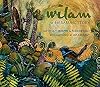
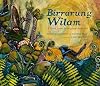
Originally published in Australia as Wilam: A Birrarung Story, and then in the United States as Birrarung Wilam: A Story from Aboriginal Australia, this superbly beautiful picture-book pairs an engaging and information narrative with breathtakingly gorgeous artwork. I liked the fact that the main text used Woiwurrung words - Woiwurrung is a language spoken by a number of related tribes, the Wurundjeri amongst them, whose traditional territory was in central Victoria - and that the words were defined at the rear, in a glossary. I also liked the glossary itself, which was arranged by order of appearance in the story, rather than alphabetically, and which was divided into separate sections for each page of the book, with a miniature picture of that page above each list of words. The narrative is educational, not just about the Birrarung (Yarra) River and the many animals that live on or near it, but because it teaches some Woiwurrung vocabulary. I always appreciate learning bits of new languages in this way, but I thought the Woiwurrung words were particularly lovely - Bunjil, tadjeiri, wadjil - and I enjoyed sounding them out. Lisa Kennedy's illustrations, done in acrylic, are a pure pleasure to peruse, utilizing a vibrantly colorful palette and beautifully stylized folk-art motifs.
This was just a wonderful book, and I thank the friend - thank you, Kathryn! - who recommend it to me. I will definitely be seeking out Aunty Joy Murphy and Lisa Kennedy's other collaboration, Welcome to Country. Highly recommended to all picture-book readers who enjoy stories about the natural world, or learning about new places and peoples. Also recommended to anyone seeking authentic stories from an Aboriginal Australian perspective. show less
Originally published in Australia as Wilam: A Birrarung Story, and then in the United States as Birrarung Wilam: A Story from Aboriginal Australia, this superbly beautiful picture-book pairs an engaging and information narrative with breathtakingly gorgeous artwork. I liked the fact that the main text used Woiwurrung words - Woiwurrung is a language spoken by a number of related tribes, the Wurundjeri amongst them, whose traditional territory was in central Victoria - and that the words were defined at the rear, in a glossary. I also liked the glossary itself, which was arranged by order of appearance in the story, rather than alphabetically, and which was divided into separate sections for each page of the book, with a miniature picture of that page above each list of words. The narrative is educational, not just about the Birrarung (Yarra) River and the many animals that live on or near it, but because it teaches some Woiwurrung vocabulary. I always appreciate learning bits of new languages in this way, but I thought the Woiwurrung words were particularly lovely - Bunjil, tadjeiri, wadjil - and I enjoyed sounding them out. Lisa Kennedy's illustrations, done in acrylic, are a pure pleasure to peruse, utilizing a vibrantly colorful palette and beautifully stylized folk-art motifs.
This was just a wonderful book, and I thank the friend - thank you, Kathryn! - who recommend it to me. I will definitely be seeking out Aunty Joy Murphy and Lisa Kennedy's other collaboration, Welcome to Country. Highly recommended to all picture-book readers who enjoy stories about the natural world, or learning about new places and peoples. Also recommended to anyone seeking authentic stories from an Aboriginal Australian perspective. show less
A gentle, descriptive portrait of a lush and well-loved land.
Created by Joy Murphy Wandin Ao, Senior Aboriginal Elder of the Wurundjeri people of the Melbourne area, in collaboration with Kelly and Kennedy, also of the area, this #ownvoices picture book is one of a kind. Beginning with carefully painted endpapers that feature patterned stones and platypuses at the front and fish in waves at the back, the story follows the Birrarung (Yarra River) as it weaves its way from creeks to rivers, show more verdant bush undergrowth to valley pines beneath a pale blue sky, farmland to city. Animals identified with their Woiwurrung names are described in their various habitats: warin (wombat), marram (gray kangaroo), wallert (possum), waa (raven), and many others. Each layered spread features life of all forms—human, flora, and fauna—portrayed in a dynamic, vivid style. Intricate dot- and line-based art punctuates the lush illustrations drenched in vibrant greens, earthy browns, and watery blues, immersing readers in Aboriginal art. Extensive backmatter features a spread-by-spread glossary of Woiwurrung words used in the book accompanied by a reminder that “The Woiwurrung language does not translate directly into English.” This text perfectly captures the intersection of culture and science, making this an excellent text for an elementary-level unit on animal habitats, artistic portrayals, and cultural depictions of ecology.
Wilam, home, takes many forms for a plethora of animals in this striking Aboriginal story. (glossary) (Picture book. 4-8) A Kirkus Starred Review, www.kirkusreviews.com show less
Created by Joy Murphy Wandin Ao, Senior Aboriginal Elder of the Wurundjeri people of the Melbourne area, in collaboration with Kelly and Kennedy, also of the area, this #ownvoices picture book is one of a kind. Beginning with carefully painted endpapers that feature patterned stones and platypuses at the front and fish in waves at the back, the story follows the Birrarung (Yarra River) as it weaves its way from creeks to rivers, show more verdant bush undergrowth to valley pines beneath a pale blue sky, farmland to city. Animals identified with their Woiwurrung names are described in their various habitats: warin (wombat), marram (gray kangaroo), wallert (possum), waa (raven), and many others. Each layered spread features life of all forms—human, flora, and fauna—portrayed in a dynamic, vivid style. Intricate dot- and line-based art punctuates the lush illustrations drenched in vibrant greens, earthy browns, and watery blues, immersing readers in Aboriginal art. Extensive backmatter features a spread-by-spread glossary of Woiwurrung words used in the book accompanied by a reminder that “The Woiwurrung language does not translate directly into English.” This text perfectly captures the intersection of culture and science, making this an excellent text for an elementary-level unit on animal habitats, artistic portrayals, and cultural depictions of ecology.
Wilam, home, takes many forms for a plethora of animals in this striking Aboriginal story. (glossary) (Picture book. 4-8) A Kirkus Starred Review, www.kirkusreviews.com show less
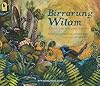
When the sun rises and the eagles soar over the mountains, Birrarung starts her journey through a winding path. First, she flows through the homes of those nocturnals returning home for a rest. Then those insects and birds that are preparing to start their day. Further, she rushes through the farmlands where the Kangaroo cubs are watching her from their mommies' pouches. Finally, by sunset, she reaches the city.
We picked this book based on a recommendation. This is a must-read book for every show more child, especially while discussing the reasons for protecting our water bodies. In addition, the illustrations are enchanting and praiseworthy. The book describes the journey of the river using aboriginal Australian terms.
Birrarung Wilam by Aunty Joy Murphy & Andrew Kelly is a must-read book on the Birrarung with frame-worthy illustrations. show less
We picked this book based on a recommendation. This is a must-read book for every show more child, especially while discussing the reasons for protecting our water bodies. In addition, the illustrations are enchanting and praiseworthy. The book describes the journey of the river using aboriginal Australian terms.
Birrarung Wilam by Aunty Joy Murphy & Andrew Kelly is a must-read book on the Birrarung with frame-worthy illustrations. show less
Beautiful illustrations.
The heritage of the creators makes them qualified to tell & paint the story from an OwnVoices viewpoint.
I feel the need to study the glossary before trying to read the story... I don't want to be continually drawn out of it, as I was on the very first page going in cold. I wonder at the choice to put the glossary at the end, instead of in small print on a corner of the page (as old poetry is sometimes presented to children), or instead of making the whole book show more bilingual (which would have not entirely solved the translation problem, would still have required a glossary, but would have enriched the experience of enjoying the book).
But, there was no story. It's a catalog of the critters that live along the "Yarra River."
I, personally, am disappointed. I don't even see what it particularly has to do with "Aboriginal Australia" because, except for the vocabulary words, it could have been told by any fan of the wildlife, and urban wildlife, along the path of the river.
No map or other after matter either.
I can neither rate nor recommend... but I do hope others read it and enjoy it more than I did. show less
The heritage of the creators makes them qualified to tell & paint the story from an OwnVoices viewpoint.
I feel the need to study the glossary before trying to read the story... I don't want to be continually drawn out of it, as I was on the very first page going in cold. I wonder at the choice to put the glossary at the end, instead of in small print on a corner of the page (as old poetry is sometimes presented to children), or instead of making the whole book show more bilingual (which would have not entirely solved the translation problem, would still have required a glossary, but would have enriched the experience of enjoying the book).
But, there was no story. It's a catalog of the critters that live along the "Yarra River."
I, personally, am disappointed. I don't even see what it particularly has to do with "Aboriginal Australia" because, except for the vocabulary words, it could have been told by any fan of the wildlife, and urban wildlife, along the path of the river.
No map or other after matter either.
I can neither rate nor recommend... but I do hope others read it and enjoy it more than I did. show less
Lists
Awards


You May Also Like
Associated Authors
Statistics
- Works
- 14
- Members
- 179
- Popularity
- #120,382
- Rating
- 4.1
- Reviews
- 7
- ISBNs
- 61
- Languages
- 1