
Eva Pohler
Author of The Gatekeeper's Sons
About the Author
Image credit: via author's homepage
Series
Works by Eva Pohler
The Underworld Saga Bonus Box Set: A Greek Mythology Romance (The Gatekeeper's Saga Collection Book 4) (2020) 10 copies
The Purgatorium Box Set: Books 1-3 2 copies
The Bookworm Bible 1 copy
Gods of Olympus 1 copy
Associated Works
Gods and Mortals: Fourteen Urban Fantasy and Paranormal Novels Featuring Thor, Loki, Greek Gods, Native American Spirits, Vampires, Werewolves, and More (2015) — Contributor — 111 copies
Urban Mythic Box Set: Eleven Novels of Adventure and Romance, featuring Norse and Greek Gods, Demons and Djinn, Angels, Fairies, Vampires, and Werewolves in the Modern World (2016) — Contributor — 67 copies, 1 review
Urban Mythic: Thirteen Novels of Adventure and Romance Featuring Norse and Greek Gods, Demons and Djinn, Angels, Fairies, Vampires, and Werewolves in the Modern World (2016) — Contributor — 47 copies
Gods and Mortals: Eleven Urban Fantasy and Paranormal Novels Featuring Thor, Loki, Greek Gods, Native American Spirits, Vampires, Werewolves, and More (2015) — Contributor — 20 copies, 1 review
Tagged
Common Knowledge
- Gender
- female
- Occupations
- teacher
writer
author - Nationality
- USA
- Birthplace
- San Antonio, Texas, USA
- Places of residence
- San Antonio, Texas, USA
- Associated Place (for map)
- San Antonio, Texas, USA
Members
Reviews
Actual Rating: 0
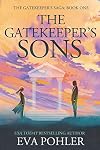
Okay, bear with me guys, this one is going to be a long one. First of all, I am so surprised that Eva Pohler is a writing and literature teacher at a university and not, as her writing shows, an immature twelve-year-old student.
Let me tell you, the writing in this is absolutely awful. From the very first page, I could tell that the author broke the rule of "show, don't tell". The car crash scene was already written TERRIBLY - it felt as though the author was trying to make it show more scary and heartbreaking, but her writing style was simply not up to par.
My least favorite part about this book was - well, everything - but my LEAST LEAST favorite part about this book was Therese.
I've already mentioned this in one of my status updates - as Therese's parents drown, memories suddenly invade her mind and she reminisces about deer. One, this broke the vibe of the crash that Pohler tried and failed to establish, and two, if your parents are dying in front of your very eyes, actually do something.
(Update: The author told me how it was meant to portray how Therese was overcome by memories in the moment and it seemed like everything was going in slow-motion. I haven’t experienced such a tragedy, and I guess I wasn’t able to tie in this feeling with the book at the time. I reread the scene and I still feel like it broke the vibe, but now I know the reason it was included.)
Next, Therese is a lucid dreamer.
I'm a lucid dreamer, and so I know what they feel like.
I did some research, and Eva Pohler used to be one too, meaning that she should be able to describe them in more vivid detail, and yet her descriptions of Therese's dreams are repetitive and juvenile.
Let's look at a few examples, shall we?
Therese willed his shirt off, and the shirt disappeared.
The boy laughed. "You have so much control. Very few people are lucid dreamerss, and I've never known anyone like you."
Oh yes, Therese. Aren't you just SO special?
Let's look at more examples!
She looked around the room. They were all zombies. That's when she knew she was dreaming.
She touched a front tooth with her finger, and the tooth fell out. Then she smiled. "This must be a dream."
One group of rocks resembled a giant hand, like that of a god. That triggered an idea in Therese's mind. I'm dreaming.
Noticing a pattern? I sure did. Every time I read another dream scene, I became more and more annoyed, because I knew that Pohler was going to have Therese realize the exact same way. And so, once, again, there was proof of the author's terrible writing.
Now, for the relationship between Than and Therese.
It was a case of insta-love, which I have never been a fan of.
The first time Therese hugs Than, he is already smitten - to the point where he begs his father, Hades, to allow him to become mortal to chase after the girl he's known only for a few seconds.
Now, I haven't read Twilight - but I've seen enough of it to know about that scene where Edward tells Bella she likes watching her sleep. And a scene in The Gatekeeper's Sons definitely reminded me of that. Let me explain. Than can turn himself invisible - and obviously, he takes advantage of this power. Blah blah blah, one day, Therese finds out exactly how, and this is how their conversation goes down.
"You were there? In my room?"
Than blushed. "Are you angry with me?"
Now, ladies, if you ever find out that someone has been sneaking into your room and spying on you, I hope you do the exact opposite of what Therese does and gives that creeper what they deserve.
This is what Therese says in response.
"I'm only angry that you didn't make yourself visible and kiss me, especially when you saw me crying."
"Yeah. It was hard not to take you in my arms."
"I'm angry you didn't."
"I'm sorry."
What the actual fuck? (Pardon my language) but this is a big NO-NO for me. There are SO many things wrong with situation - starting with Therese's attitude. Especially in this conversation, Therese is revealed to be weak and dependent on her lover - and in her eyes, Than's crime was not invading her privacy, but it was not being there for her when she needed him.
Keep in mind that he wasn't even SUPPOSED to be there.
Moving along with the relationship, Therese's attidude completely transforms into one that is unacceptable for a heroine. She transforms, to the point where she cannot LIVE without Than; she defines her own identity by him, and she begins to embrace death because it means becoming closer to him.
Then she said, "And if you leave me again, I swear I'll kill myself to be with you."
No. I just...no. This line set of all the warning signals in my brain - this relationship has gone from bad to worse to toxic. What is Pohler trying to tell her readers? That this is the definition of love? That love is the willingness to lose yourself to hold on to someone else?
I'm a romantic, but I have to say, that this is not the definition of love at all.
There are moments where people have to realize that loving yourself is important too - you have to be able to love yourself before you love someone else, and before you accept their love for you. Therese breaks all the rules here - she diminishes her own worth and sets Than high above everybody else, including herself.
That's not love, that's obsession.
Therese was just SUCH a Mary-Sue. She could do everything, and she had all the traits that made her perfect - everything about her was so perfect that even the gods fell in love with her.
To make it easier for you, I've compiled a list!
1. Therese loved animals and nature (which is why Artemis loved her)
2. Therese had a kind and giving heart (which appealed to Zeus)
3. Therese played the flute (Athena invented the flute, so she loved her)
4. Therese loved to swim (so Poseidon took mercy on her)
5. BASICALLY THERESE'S KIND AND MERCIFUL SOUL (Persephone, Hestia, Aphrodite, Demeter)
Therese's overperfection was just sickening.
She was perfect, and yet she was so wishy-washy and annoying that I wondered what Than even saw in her.
For the last part of my review I want to go back to Eva Pohler's writing style - the entire book was simply written badly, but there were a few instances where I really paused and had to put my phone down just to -
This one line in particular:
Then he covered her mouth with his and gave her a deep, lusty kiss.
Ugh.
And when she had the opportunity to write something like this:
They smiled softly and Therese felt her eyes trembling with the tears she had held back for so long. Her legs tangled together as she collapsed into their arms, desperate to hold them one last time.
Pohler wrote this instead:
They smiled and held out their arms. She ran to them and felt their warm embrace.
See the difference?
I have so much more to say but this review has gone on long enough and I know if I keep going it'll just be one loooooooong rant, so let me just end this on the worst line of their entire book.
"It's almost like you're voice is singing in place of the flute, or as if the flute were an extension of yourself."
Yes, the author committed a grave sin - she used the wrong "your" and that is completely unacceptable. Not to mention how bad this line already was.
So yeah, don't torture yourself by reading this book. show less
Okay, bear with me guys, this one is going to be a long one. First of all, I am so surprised that Eva Pohler is a writing and literature teacher at a university and not, as her writing shows, an immature twelve-year-old student.
Let me tell you, the writing in this is absolutely awful. From the very first page, I could tell that the author broke the rule of "show, don't tell". The car crash scene was already written TERRIBLY - it felt as though the author was trying to make it show more scary and heartbreaking, but her writing style was simply not up to par.
My least favorite part about this book was - well, everything - but my LEAST LEAST favorite part about this book was Therese.
I've already mentioned this in one of my status updates - as Therese's parents drown, memories suddenly invade her mind and she reminisces about deer. One, this broke the vibe of the crash that Pohler tried and failed to establish, and two, if your parents are dying in front of your very eyes, actually do something.
(Update: The author told me how it was meant to portray how Therese was overcome by memories in the moment and it seemed like everything was going in slow-motion. I haven’t experienced such a tragedy, and I guess I wasn’t able to tie in this feeling with the book at the time. I reread the scene and I still feel like it broke the vibe, but now I know the reason it was included.)
Next, Therese is a lucid dreamer.
I'm a lucid dreamer, and so I know what they feel like.
I did some research, and Eva Pohler used to be one too, meaning that she should be able to describe them in more vivid detail, and yet her descriptions of Therese's dreams are repetitive and juvenile.
Let's look at a few examples, shall we?
Therese willed his shirt off, and the shirt disappeared.
The boy laughed. "You have so much control. Very few people are lucid dreamerss, and I've never known anyone like you."
Oh yes, Therese. Aren't you just SO special?
Let's look at more examples!
She looked around the room. They were all zombies. That's when she knew she was dreaming.
She touched a front tooth with her finger, and the tooth fell out. Then she smiled. "This must be a dream."
One group of rocks resembled a giant hand, like that of a god. That triggered an idea in Therese's mind. I'm dreaming.
Noticing a pattern? I sure did. Every time I read another dream scene, I became more and more annoyed, because I knew that Pohler was going to have Therese realize the exact same way. And so, once, again, there was proof of the author's terrible writing.
Now, for the relationship between Than and Therese.
It was a case of insta-love, which I have never been a fan of.
The first time Therese hugs Than, he is already smitten - to the point where he begs his father, Hades, to allow him to become mortal to chase after the girl he's known only for a few seconds.
Now, I haven't read Twilight - but I've seen enough of it to know about that scene where Edward tells Bella she likes watching her sleep. And a scene in The Gatekeeper's Sons definitely reminded me of that. Let me explain. Than can turn himself invisible - and obviously, he takes advantage of this power. Blah blah blah, one day, Therese finds out exactly how, and this is how their conversation goes down.
"You were there? In my room?"
Than blushed. "Are you angry with me?"
Now, ladies, if you ever find out that someone has been sneaking into your room and spying on you, I hope you do the exact opposite of what Therese does and gives that creeper what they deserve.
This is what Therese says in response.
"I'm only angry that you didn't make yourself visible and kiss me, especially when you saw me crying."
"Yeah. It was hard not to take you in my arms."
"I'm angry you didn't."
"I'm sorry."
What the actual fuck? (Pardon my language) but this is a big NO-NO for me. There are SO many things wrong with situation - starting with Therese's attitude. Especially in this conversation, Therese is revealed to be weak and dependent on her lover - and in her eyes, Than's crime was not invading her privacy, but it was not being there for her when she needed him.
Keep in mind that he wasn't even SUPPOSED to be there.
Moving along with the relationship, Therese's attidude completely transforms into one that is unacceptable for a heroine. She transforms, to the point where she cannot LIVE without Than; she defines her own identity by him, and she begins to embrace death because it means becoming closer to him.
Then she said, "And if you leave me again, I swear I'll kill myself to be with you."
No. I just...no. This line set of all the warning signals in my brain - this relationship has gone from bad to worse to toxic. What is Pohler trying to tell her readers? That this is the definition of love? That love is the willingness to lose yourself to hold on to someone else?
I'm a romantic, but I have to say, that this is not the definition of love at all.
There are moments where people have to realize that loving yourself is important too - you have to be able to love yourself before you love someone else, and before you accept their love for you. Therese breaks all the rules here - she diminishes her own worth and sets Than high above everybody else, including herself.
That's not love, that's obsession.
Therese was just SUCH a Mary-Sue. She could do everything, and she had all the traits that made her perfect - everything about her was so perfect that even the gods fell in love with her.
To make it easier for you, I've compiled a list!
1. Therese loved animals and nature (which is why Artemis loved her)
2. Therese had a kind and giving heart (which appealed to Zeus)
3. Therese played the flute (Athena invented the flute, so she loved her)
4. Therese loved to swim (so Poseidon took mercy on her)
5. BASICALLY THERESE'S KIND AND MERCIFUL SOUL (Persephone, Hestia, Aphrodite, Demeter)
Therese's overperfection was just sickening.
She was perfect, and yet she was so wishy-washy and annoying that I wondered what Than even saw in her.
For the last part of my review I want to go back to Eva Pohler's writing style - the entire book was simply written badly, but there were a few instances where I really paused and had to put my phone down just to -
This one line in particular:
Then he covered her mouth with his and gave her a deep, lusty kiss.
Ugh.
And when she had the opportunity to write something like this:
They smiled softly and Therese felt her eyes trembling with the tears she had held back for so long. Her legs tangled together as she collapsed into their arms, desperate to hold them one last time.
Pohler wrote this instead:
They smiled and held out their arms. She ran to them and felt their warm embrace.
See the difference?
I have so much more to say but this review has gone on long enough and I know if I keep going it'll just be one loooooooong rant, so let me just end this on the worst line of their entire book.
"It's almost like you're voice is singing in place of the flute, or as if the flute were an extension of yourself."
Yes, the author committed a grave sin - she used the wrong "your" and that is completely unacceptable. Not to mention how bad this line already was.
So yeah, don't torture yourself by reading this book. show less
Mann, ich weiß gar nicht, wo ich mit der Kritik anfangen soll.
Ich fange einfach mal bei Superthan an. Er kann echt alles. Wo ich es noch halbwegs verstehe dass er als Tod in Sekundenschnelle durch die Welt reisen, jede Sprache, sogar die von Tieren sprechen, und unsichtbar werden kann, verstehe ich einiges absolut nicht. Warum muss er superschnell schwimmen können? Warum muss er tolle Bauchmuskeln haben ohne zu trainieren? Warum kann er in Frankreich ohne Probleme ein vegetarisches show more mehrere Gänge-Menü auftreiben? Jedes mal wenn Than wieder perfekt war wurde es lächerlicher. Es gab wirklich nichts, was er nicht konnte. Nennt eine Superkraft, er hat sie.
Mary-Therese ist genauso schrecklich. Sie ist die beste Schwimmerin im Team, sie ist die beste Flötistin in der Band (obwohl sie niemals übt), sie ist die beste luzide Träumerin, die Hypnos jemals gesehen hat, sie ist der Liebling aller Götter ohne es auch nur zu versuchen, Tiere lieben sie auf Anhieb und sie ist der beste Pferdebürster der Welt. Sie lebt in einer Hütte im Wald und kennt jedes Tier und jeden Baum beim Vornamen.
Der Schreibstil. Oh boy. Nuja. Bis auf die ständigen unpassenden Fremdwörter war er wenigstens einfach zu lesen. Aber immerhin habe ich was gelernt mit den neuen Wörtern. Ansonsten ist er wohl so ziemlich in die Tonne zu kloppen.
Es war, als hätte eine 12-jährige ihre Fantasien aufgeschrieben. Noch zu prüde und unbereit, um wirklich über S.E.X zu schreiben lässt sie immer mindestens eine Bettdecke zwischen den beiden Charakteren. Dafür wird aber Therese Hund von Artemis Unsterblichkeit verliehen. Und sie bekommt von ihr ein Gänsefederkopfkissen. Und eine Unsichtbarkeitskrone. Und von Poseidon einen Ritt auf Delfinen und sein Zimmer im Olymp. Von Zeus einen auf Pegasus. Von Athena bekommt sie einen Reiseumhang, einen Anhänger, und… ach, eigentlich wäre es einfacher, aufzuzählen, was Therese alles nicht von Göttern geschenkt bekommen hat. Achso, und ihre kleinen Brüste findet Hypnos viel besser als große. Außerdem darf sie, sollte sie in die Unterwelt ziehen, ihre Haustiere mitbringen, auch wenn das vor ihr noch nie jemand getan hat.
Die Story über die Mördersuche an ihren Eltern konnte man auch nicht mitfiebern, weil es dann letztendlich irgendein Typ aus einem anderen Land war, von denen weder Therese noch der Leser je gehört haben.
Dafür haben sowohl Than als auch Therese mindestens 50 Duschen in dem Buch genommen. Dafür, dass man von Therese so viel von ihrer Morgen- und Abendroutine mitbekommen hat wurde erstaunlich wenig über Zähne putzen und kämmen geredet. Nämlich gar nicht. Therese steht auf, packt sich Lipgloss auf die Lippen, und ist perfekt.
Der Rest des Buches ging um Tierpflege. Es waren bestimmt 100 Seiten (MIN-DES-TENS) nur übers Pferde bürsten, wie sie ihren Hamster und ihre Schildkröte füttert und ihr Hund mit seinem Stummelschwanz wedelt.
Am Schluss kam dann tatsächlich ein bisschen Stimmung auf, die Autorin hat das aber gekonnt ganz schnell wieder abgewürgt. Aber dem Leser der bis hierher ausgehalten hat sei versichert, dass Therese dabei perfekt war.
Die ganze Mythologie war auch von vorne bis hinten falsch und ich kann mich nicht entscheiden, ob die Autorin das getan hat um das ganze zu vereinfachen, oder weil sie keinen Bock hatte das zu recherchieren.
Achso. Als Therese denkt, Than könnte eventuell die Beziehung beenden wollen geht sie zum nächst logischen über: Sie geht in ihr Haus, telefoniert mit einem Typen von dem sie weiß, dass er wegen einem Liebespfeil Hals über Kopf in sie verliebt ist, und datet ihn am selben Abend “um sich abzulenken.” Eine schreckliche Person. show less
Ich fange einfach mal bei Superthan an. Er kann echt alles. Wo ich es noch halbwegs verstehe dass er als Tod in Sekundenschnelle durch die Welt reisen, jede Sprache, sogar die von Tieren sprechen, und unsichtbar werden kann, verstehe ich einiges absolut nicht. Warum muss er superschnell schwimmen können? Warum muss er tolle Bauchmuskeln haben ohne zu trainieren? Warum kann er in Frankreich ohne Probleme ein vegetarisches show more mehrere Gänge-Menü auftreiben? Jedes mal wenn Than wieder perfekt war wurde es lächerlicher. Es gab wirklich nichts, was er nicht konnte. Nennt eine Superkraft, er hat sie.
Mary-Therese ist genauso schrecklich. Sie ist die beste Schwimmerin im Team, sie ist die beste Flötistin in der Band (obwohl sie niemals übt), sie ist die beste luzide Träumerin, die Hypnos jemals gesehen hat, sie ist der Liebling aller Götter ohne es auch nur zu versuchen, Tiere lieben sie auf Anhieb und sie ist der beste Pferdebürster der Welt. Sie lebt in einer Hütte im Wald und kennt jedes Tier und jeden Baum beim Vornamen.
Der Schreibstil. Oh boy. Nuja. Bis auf die ständigen unpassenden Fremdwörter war er wenigstens einfach zu lesen. Aber immerhin habe ich was gelernt mit den neuen Wörtern. Ansonsten ist er wohl so ziemlich in die Tonne zu kloppen.
Es war, als hätte eine 12-jährige ihre Fantasien aufgeschrieben. Noch zu prüde und unbereit, um wirklich über S.E.X zu schreiben lässt sie immer mindestens eine Bettdecke zwischen den beiden Charakteren. Dafür wird aber Therese Hund von Artemis Unsterblichkeit verliehen. Und sie bekommt von ihr ein Gänsefederkopfkissen. Und eine Unsichtbarkeitskrone. Und von Poseidon einen Ritt auf Delfinen und sein Zimmer im Olymp. Von Zeus einen auf Pegasus. Von Athena bekommt sie einen Reiseumhang, einen Anhänger, und… ach, eigentlich wäre es einfacher, aufzuzählen, was Therese alles nicht von Göttern geschenkt bekommen hat. Achso, und ihre kleinen Brüste findet Hypnos viel besser als große. Außerdem darf sie, sollte sie in die Unterwelt ziehen, ihre Haustiere mitbringen, auch wenn das vor ihr noch nie jemand getan hat.
Die Story über die Mördersuche an ihren Eltern konnte man auch nicht mitfiebern, weil es dann letztendlich irgendein Typ aus einem anderen Land war, von denen weder Therese noch der Leser je gehört haben.
Dafür haben sowohl Than als auch Therese mindestens 50 Duschen in dem Buch genommen. Dafür, dass man von Therese so viel von ihrer Morgen- und Abendroutine mitbekommen hat wurde erstaunlich wenig über Zähne putzen und kämmen geredet. Nämlich gar nicht. Therese steht auf, packt sich Lipgloss auf die Lippen, und ist perfekt.
Der Rest des Buches ging um Tierpflege. Es waren bestimmt 100 Seiten (MIN-DES-TENS) nur übers Pferde bürsten, wie sie ihren Hamster und ihre Schildkröte füttert und ihr Hund mit seinem Stummelschwanz wedelt.
Am Schluss kam dann tatsächlich ein bisschen Stimmung auf, die Autorin hat das aber gekonnt ganz schnell wieder abgewürgt. Aber dem Leser der bis hierher ausgehalten hat sei versichert, dass Therese dabei perfekt war.
Die ganze Mythologie war auch von vorne bis hinten falsch und ich kann mich nicht entscheiden, ob die Autorin das getan hat um das ganze zu vereinfachen, oder weil sie keinen Bock hatte das zu recherchieren.
Achso. Als Therese denkt, Than könnte eventuell die Beziehung beenden wollen geht sie zum nächst logischen über: Sie geht in ihr Haus, telefoniert mit einem Typen von dem sie weiß, dass er wegen einem Liebespfeil Hals über Kopf in sie verliebt ist, und datet ihn am selben Abend “um sich abzulenken.” Eine schreckliche Person. show less
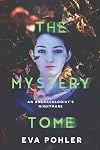
The Mystery Tomb offers plenty of mystery and lots of fascinating research, well-placed in a well-paced blend of Native American tradition, Catholic faith, and different types of inheritance. How does a family reclaim its Native American ancestry? How does a son honor his dead mother? How does one culture judge another culture’s respect for history, nature and ancestors?
The myth of Misink blends nicely with the culture of Bigfoot, as does the innocence of Santa with the risks of show more archeology—risks that go far beyond the danger of cave-ins, and threaten caved-in relationships and shattered traditions. But Eva Pohler’s characters prove well able to look beyond the obvious, and a pleasing welcome awaits the reader, with beautiful scenery, haunting ritual, and a cool exploration of the meaning of family, heritage and forgiveness. A book to enjoy with open mind and heart.
Disclosure: I won an ecopy and I offer my honest review. show less
The myth of Misink blends nicely with the culture of Bigfoot, as does the innocence of Santa with the risks of show more archeology—risks that go far beyond the danger of cave-ins, and threaten caved-in relationships and shattered traditions. But Eva Pohler’s characters prove well able to look beyond the obvious, and a pleasing welcome awaits the reader, with beautiful scenery, haunting ritual, and a cool exploration of the meaning of family, heritage and forgiveness. A book to enjoy with open mind and heart.
Disclosure: I won an ecopy and I offer my honest review. show less

Content warnings for parental death and mentions of sexual abuse.
This stars three friends who I suppose you could say are going through a bit of a mid-life crisis. All of them have something going on at home that's dragging down their mood. Ellen feels like she and her husband are gradually growing more and more distant from each other, and she isn't sure what to do about it. Tanya's mother has dementia and can't remember who she is most days. Meanwhile, Sue lets her own mother badger her.
To show more get their minds off things, they're debating buying and renovating an old Greek Revival house near one of San Antonio's historic districts. The house may be haunted, which the three friends have varied feelings about. Ellen doesn't believe in ghosts, but after some research she learns that this house does have a lot of history - it used to house several female psychiatric patients. The more Ellen learns about how they were treated, the more determined she is to get the house and turn it into something that can shine a light on their lives. While Ellen, Tanya, and Sue try to renovate the house and uncover its mysteries, they must simultaneously deal with someone or something who wants them off the property.
This is one of those rare cozy mysteries that isn't about a murder. Although a lot of it's focused on the house's history, that isn't entirely disconnected from the fate of living, breathing people in the present, as Ellen and her friends gradually discover.
Overall, I thought this was a decent read, although I felt about a decade too young for it. Or maybe the issue was that I'm neither married nor a mother - I could sympathize with Ellen's feelings of invisibility and distance from her husband now that their son had moved out, but I didn't relate to that as much as I did, say, to all three characters' issues with their parents.
The story did have some confusing aspects, though. The ending came across as largely positive/happy, which didn't really gel with what we'd learned about one of the characters. This is kind of a spoiler but I don't know how else to say it:pregnancy and marriage don't magically cure the lasting effects of childhood sexual abuse. I really wish there had been mention of her receiving treatment of some sort.
(Original review posted on A Library Girl's Familiar Diversions.) show less
This stars three friends who I suppose you could say are going through a bit of a mid-life crisis. All of them have something going on at home that's dragging down their mood. Ellen feels like she and her husband are gradually growing more and more distant from each other, and she isn't sure what to do about it. Tanya's mother has dementia and can't remember who she is most days. Meanwhile, Sue lets her own mother badger her.
To show more get their minds off things, they're debating buying and renovating an old Greek Revival house near one of San Antonio's historic districts. The house may be haunted, which the three friends have varied feelings about. Ellen doesn't believe in ghosts, but after some research she learns that this house does have a lot of history - it used to house several female psychiatric patients. The more Ellen learns about how they were treated, the more determined she is to get the house and turn it into something that can shine a light on their lives. While Ellen, Tanya, and Sue try to renovate the house and uncover its mysteries, they must simultaneously deal with someone or something who wants them off the property.
This is one of those rare cozy mysteries that isn't about a murder. Although a lot of it's focused on the house's history, that isn't entirely disconnected from the fate of living, breathing people in the present, as Ellen and her friends gradually discover.
Overall, I thought this was a decent read, although I felt about a decade too young for it. Or maybe the issue was that I'm neither married nor a mother - I could sympathize with Ellen's feelings of invisibility and distance from her husband now that their son had moved out, but I didn't relate to that as much as I did, say, to all three characters' issues with their parents.
The story did have some confusing aspects, though. The ending came across as largely positive/happy, which didn't really gel with what we'd learned about one of the characters. This is kind of a spoiler but I don't know how else to say it:
(Original review posted on A Library Girl's Familiar Diversions.) show less
You May Also Like


Associated Authors
Statistics
- Works
- 55
- Also by
- 4
- Members
- 1,072
- Popularity
- #23,986
- Rating
- 3.4
- Reviews
- 39
- ISBNs
- 136
- Languages
- 1