
Ellen Tarlow
Author of We Like to Play!
About the Author
Works by Ellen Tarlow
Wake Up, Pete! 6 copies
Sad Spot 4 copies
El miton 1 copy
Zzzz 1 copy
Yum - Decodable Readers #36 1 copy
Tagged
Common Knowledge
There is no Common Knowledge data for this author yet. You can help.
Members
Reviews
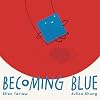
Stop you’re copying me!
If you’ve ever been around the younger set, I’m certain you’ve heard that expression at least once or twice–whether it’s siblings, friends, or frenemies, kids don’t like being copied. And, if somebody is doing everything you’re doing, and following along behind you, I’m certain it would get on your nerves too!
Blue and Red are friends. So much so that Blue likes everything about Red–and tries to be Red, in every possible way. Of course, Blue, being show more Blue, doesn’t have all of the attributes that make Red, Red–and can’t quite pull it off. This, ends up getting on Red’s nerves and forces a confrontation where Red tells Blue, in essence, to go be themself! The journey to self-discovery begins and Blue discovers what being Blue is all about–how Blue’s unique attributes can help Blue do things that Red would find impossible to do.
Obvious to adults reading the book, the learned lesson is that we all have strengths and weaknesses making up our own, unique, individuality–an important lesson to be learned at any age. Particularly important is the tale-end of the book, where once Blue learns that Blue can function independently of Red, Blue and Red start joining forces; and, creating new adventures together–Purple! [Get your mind out of the gutter, it’s a kid’s book!]
This is a lovely, funny, gentle read that is certain to spark discussion. The book can be read at many levels. I’m adjusting the target age to include those in Pre-Kindergarten as well. show less
If you’ve ever been around the younger set, I’m certain you’ve heard that expression at least once or twice–whether it’s siblings, friends, or frenemies, kids don’t like being copied. And, if somebody is doing everything you’re doing, and following along behind you, I’m certain it would get on your nerves too!
Blue and Red are friends. So much so that Blue likes everything about Red–and tries to be Red, in every possible way. Of course, Blue, being show more Blue, doesn’t have all of the attributes that make Red, Red–and can’t quite pull it off. This, ends up getting on Red’s nerves and forces a confrontation where Red tells Blue, in essence, to go be themself! The journey to self-discovery begins and Blue discovers what being Blue is all about–how Blue’s unique attributes can help Blue do things that Red would find impossible to do.
Obvious to adults reading the book, the learned lesson is that we all have strengths and weaknesses making up our own, unique, individuality–an important lesson to be learned at any age. Particularly important is the tale-end of the book, where once Blue learns that Blue can function independently of Red, Blue and Red start joining forces; and, creating new adventures together–Purple! [Get your mind out of the gutter, it’s a kid’s book!]
This is a lovely, funny, gentle read that is certain to spark discussion. The book can be read at many levels. I’m adjusting the target age to include those in Pre-Kindergarten as well. show less
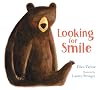
A beautiful-to-look-at, heartwarming-to-read picture book about bad days, easy and accessible for kids to understand. Bear and his friend Smile are always together, until one day....they're not. Bear's friends try to help him find it and eventually, Bear finds Smile once again. Bad days happen--often for no reason--and sometimes doing your favorite things is hard. Bear and Smile remind us that bad days end and we will feel cheerful again eventually.
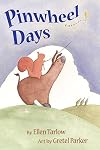
This was a nice beginning but advanced reader. It says it’s a level 3 so it has “chapters” but it still frequently repeats, and has fewer words on the page than a beginning chapter book. The story is nothing special, but it works, and will do as intended.

This is a fantasy book for primary grades, especially kindergarten. The book is done in colored pencil and ink and wash. This book is a repetitive book about dogs and the things that they do, all in rhyme. The book is set on the beach, where there are all sorts of dogs doing all sorts of activities. The book talks about what different dogs are doing on the different pages, asking the reader questions about what some of them are doing, and asking them to notice certain things. There is not a show more continuous plot line, however, and besides the setting, there is no continuation from page to page.
This book is a good example of fantasy because there are dogs doing things that humans would do--surfing, beach volleyball, reading, sunbathing, etc. There are no animal except dogs in the book, and they are all personified in some way.
This book does not have much of a plot in that there is not a series of events, rather statements or questions on each page. Those statements or questions are unrelated to the ones on different pages. Even though the illustrations allow for a plot, the text does not include a conflict/resolution, or beginning, middle and end.
This book would be used for low-level readers who need repetitiveness in order to learn to read.
This book could be used for out-loud reading for preschool and kindergartners for word and letter recognition. show less
This book is a good example of fantasy because there are dogs doing things that humans would do--surfing, beach volleyball, reading, sunbathing, etc. There are no animal except dogs in the book, and they are all personified in some way.
This book does not have much of a plot in that there is not a series of events, rather statements or questions on each page. Those statements or questions are unrelated to the ones on different pages. Even though the illustrations allow for a plot, the text does not include a conflict/resolution, or beginning, middle and end.
This book would be used for low-level readers who need repetitiveness in order to learn to read.
This book could be used for out-loud reading for preschool and kindergartners for word and letter recognition. show less
Lists
Yet another list (1)
Awards


You May Also Like


Associated Authors
Statistics
- Works
- 48
- Members
- 1,981
- Popularity
- #12,977
- Rating
- 3.6
- Reviews
- 12
- ISBNs
- 71