
Uvi Poznansky
Author of Apart from Love
About the Author
Series
Works by Uvi Poznansky
Love Under Fire 2 copies
Associated Works
Tagged
Common Knowledge
- Gender
- female
- Occupations
- Software Engineer
architect
poet
editor
publisher
translator (show all 7)
artist - Birthplace
- Haifa, Israel
- Associated Place (for map)
- Haifa, Israel
Members
Reviews
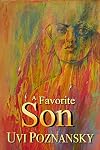
Sometimes it is helpful to hear a familiar story from a different perspective in order to understand more of what the story says and doesn’t say. A FAVORITE SON does that with the biblical story of Jacob (Yanklel), his parents, Isaac and Rebecca, and his twin brother, Esau (Esav).
Uvi Poznansky tells the story from both a biblical and modern perspective emphasizing the psychological aspects. Basically it is the story of sibling rivalry and parental favoritism and highlights a rather show more dysfunctional foursome who still manage to occupy a positive place in religious history. Yankle questions how that came to be. Most of the story is identical to the biblical version but there are a few changes, some to relate to modern times.
The story, told from Yankle’s perspective, opens from him saying Esav pulled ahead of him to become the first born by a split second. That was very important because the first born child inherited everything from his father. But Yankle questions why his mother told him that (“Why would [a mother] pit one son against another?”) because of how that knowledge affected his life and made him feel “a burning desire to surpass my brother....I had to win it all–or be left with nothing.” He was her favorite, as Esav was his father’s. Poznansky does not mention the Biblical story which has God telling Rebecca before the twins were born that “the older would serve the younger.”
There are hints of Yankle’s future relationship with his own sons. Rebecca gives him the sleeve of her goatskin coat to deceive Isaac (in the original version he wears Esav’s clothes and has the animal skin on his arm) and Yankle pledges he will never show favoritism to any of his own children. (I saw Joseph and the Technicolor Dream Coat the night before I read this novella. So much for his remembering his vow.) Yankle offers Esav lentil stew, Esav asks if it’s kosher. The laws of kashrut, in fact the entire Bible, were still in the future. He decides the Yankle-in-the-Box restaurant chain was established in honor of his stew.
In the Bible, after sending Yankle away to escape his brother’s wrath, Rebecca is not mentioned again. A FAVORITE SON has him seeing her in the desert, telling him part of her story while her dress, her black veil, tells him his father had died.
Yankle considered his father to be wimp–his father sent a servant to find a wife for him, but, until he fled Esav’s fury, Yankle had never ventured away from home, either. (Isaac realized that they were very similar but that angle is not explored.) Yankle blames Isaac as well himself for his own weaknesses and notes the name his father gave him means “follower:” “How can a follower become a leader?”
As he plans to give parting advice to his sons before he dies, Isaac observed “I have come to the conclusion based on many, many years of experience, that I can expect with perfect certainty, that my advice will be utterly and immediately ignored.
While the discrepancies between A FAVORITE SON and the Bible are the writer’s prerogative, there was at least one contradiction: When Rebecca visits Isaac as he is dying, she asks “What will I do without you?” On the next page she tell him, “You have a long life ahead of you.”
Beautifully written, A FAVORITE SON tells the story behind the legend.
This book was a free Amazon download. show less
Uvi Poznansky tells the story from both a biblical and modern perspective emphasizing the psychological aspects. Basically it is the story of sibling rivalry and parental favoritism and highlights a rather show more dysfunctional foursome who still manage to occupy a positive place in religious history. Yankle questions how that came to be. Most of the story is identical to the biblical version but there are a few changes, some to relate to modern times.
The story, told from Yankle’s perspective, opens from him saying Esav pulled ahead of him to become the first born by a split second. That was very important because the first born child inherited everything from his father. But Yankle questions why his mother told him that (“Why would [a mother] pit one son against another?”) because of how that knowledge affected his life and made him feel “a burning desire to surpass my brother....I had to win it all–or be left with nothing.” He was her favorite, as Esav was his father’s. Poznansky does not mention the Biblical story which has God telling Rebecca before the twins were born that “the older would serve the younger.”
There are hints of Yankle’s future relationship with his own sons. Rebecca gives him the sleeve of her goatskin coat to deceive Isaac (in the original version he wears Esav’s clothes and has the animal skin on his arm) and Yankle pledges he will never show favoritism to any of his own children. (I saw Joseph and the Technicolor Dream Coat the night before I read this novella. So much for his remembering his vow.) Yankle offers Esav lentil stew, Esav asks if it’s kosher. The laws of kashrut, in fact the entire Bible, were still in the future. He decides the Yankle-in-the-Box restaurant chain was established in honor of his stew.
In the Bible, after sending Yankle away to escape his brother’s wrath, Rebecca is not mentioned again. A FAVORITE SON has him seeing her in the desert, telling him part of her story while her dress, her black veil, tells him his father had died.
Yankle considered his father to be wimp–his father sent a servant to find a wife for him, but, until he fled Esav’s fury, Yankle had never ventured away from home, either. (Isaac realized that they were very similar but that angle is not explored.) Yankle blames Isaac as well himself for his own weaknesses and notes the name his father gave him means “follower:” “How can a follower become a leader?”
As he plans to give parting advice to his sons before he dies, Isaac observed “I have come to the conclusion based on many, many years of experience, that I can expect with perfect certainty, that my advice will be utterly and immediately ignored.
While the discrepancies between A FAVORITE SON and the Bible are the writer’s prerogative, there was at least one contradiction: When Rebecca visits Isaac as he is dying, she asks “What will I do without you?” On the next page she tell him, “You have a long life ahead of you.”
Beautifully written, A FAVORITE SON tells the story behind the legend.
This book was a free Amazon download. show less

*The author provided me with a copy of the book in exchange for an honest review which follows*
My Recommendation:
This was my first introduction to the writings of Uvi Poznansky and I must say I was delighted. Dancing With Air is a poignant tale of love which begins during World War II between Lenny and Natasha. Most of the story covers their life in England, East Anglia, which held significance to me as I had been stationed there myself in the early 1980’s. The descriptions were superb and show more in my mind’s eye, I saw the white cliffs of Dover through the words on the page.
What I liked most about the book is the retelling of their memories, mostly by Lenny. The entire story is shadowed by a tragic illness that has Natasha in its grips. The reader feels Lenny’s pain at the possibility of losing his beloved wife. Seldom have I read such a depth of emotion portrayed by both characters. I found it easy to become wrapped up in the events that happened in the past and the present. I shed many tears, some in joy, and some in sorrow.
The fact that this book was the fourth in the series did not matter, other than the fact that I now want to read the complete series. I must add another feature of the story I really enjoyed. Uvi Poznansky threaded the lyrics of songs throughout the novel, which given the time frame, was a huge part of life during World War II. We’re so used to our world of immediate social media connections that we forget how people really bonded back then. For me, the songs added the “ring of truth,” to their romantic memories. Those songs connected both characters and allowed the reader a peek into their romance and the love that blossomed from it.
I read this novel quickly because it was the kind of story that drew me into the lives of the characters. Lenny’s story of his time in the Marines is filled with mystery and intrigue. Natasha leads the life of a concert pianist on tour in Europe. Their joining as partners in life is what will touch you the most. If you love romance novels with a touch of history and realism, you will love Dancing With Air. I know I did.
My Rating:
Character Believability: 5
Flow and Pace: 5
Reader Engagement: 5
Reader Enrichment: 5
Reader Enjoyment: 5
Overall Rate: 5 out of 5 stars show less
My Recommendation:
This was my first introduction to the writings of Uvi Poznansky and I must say I was delighted. Dancing With Air is a poignant tale of love which begins during World War II between Lenny and Natasha. Most of the story covers their life in England, East Anglia, which held significance to me as I had been stationed there myself in the early 1980’s. The descriptions were superb and show more in my mind’s eye, I saw the white cliffs of Dover through the words on the page.
What I liked most about the book is the retelling of their memories, mostly by Lenny. The entire story is shadowed by a tragic illness that has Natasha in its grips. The reader feels Lenny’s pain at the possibility of losing his beloved wife. Seldom have I read such a depth of emotion portrayed by both characters. I found it easy to become wrapped up in the events that happened in the past and the present. I shed many tears, some in joy, and some in sorrow.
The fact that this book was the fourth in the series did not matter, other than the fact that I now want to read the complete series. I must add another feature of the story I really enjoyed. Uvi Poznansky threaded the lyrics of songs throughout the novel, which given the time frame, was a huge part of life during World War II. We’re so used to our world of immediate social media connections that we forget how people really bonded back then. For me, the songs added the “ring of truth,” to their romantic memories. Those songs connected both characters and allowed the reader a peek into their romance and the love that blossomed from it.
I read this novel quickly because it was the kind of story that drew me into the lives of the characters. Lenny’s story of his time in the Marines is filled with mystery and intrigue. Natasha leads the life of a concert pianist on tour in Europe. Their joining as partners in life is what will touch you the most. If you love romance novels with a touch of history and realism, you will love Dancing With Air. I know I did.
My Rating:
Character Believability: 5
Flow and Pace: 5
Reader Engagement: 5
Reader Enrichment: 5
Reader Enjoyment: 5
Overall Rate: 5 out of 5 stars show less
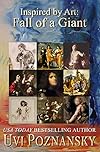
Author Uvi Poznansky’s collected images of a giant’s fall and its aftermath are as disturbing and thought-provoking as the original tale should surely be. David cuts off the head of his foe, but why, and what triumph will ensue?
Well-chosen comments and quotes lead the reader to watch how generations have viewed this triumph and mystery. With art collected by theme rather than artist, readers/viewers follow the story from contemplation of a fallen foe, to cruel blow, triumphal march, and show more King Saul’s dangerous response.
David and Goliath is no fairytale here, and readers are drawn to ponder, as the author does in her novels, just how these things played out in real-world history. I love the powerful humanity of Uvi Poznasky’s David Chronicles, and I love these images.
Disclosure: I bought this on a deal and I love it. show less
Well-chosen comments and quotes lead the reader to watch how generations have viewed this triumph and mystery. With art collected by theme rather than artist, readers/viewers follow the story from contemplation of a fallen foe, to cruel blow, triumphal march, and show more King Saul’s dangerous response.
David and Goliath is no fairytale here, and readers are drawn to ponder, as the author does in her novels, just how these things played out in real-world history. I love the powerful humanity of Uvi Poznasky’s David Chronicles, and I love these images.
Disclosure: I bought this on a deal and I love it. show less
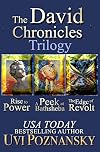
The David Chronicles is a collection of three wonderful novels by Uvi Poznansky. Together they tell a tale of madmen and kings, love and betrayal, youth and old age, prison cells and freedom’s ring. Drawn from Biblical history, they vividly recreate character and place, inviting readers to see the world of King David as his contemporaries might have seen it, from the giant Goliath to the rebellious son, wounded daughter, and fickle wives.
The David of these novels is no saint, but rather a show more wise and careful man, brought down as he struggles to balance love and duty against nation and family. The world around him is dangerous, rife with plots and wars. And a wise king, singing songs, will do well to take care how history will see him.
I love this series for its convincing depiction of real people in ancient times, for its unflinching honesty, and for its vividly real characters. This David is no cardboard cutout to be filled in with bright crayoned colors. His Bathsheba is no plaything. And his women will take their place on the stage of history, will have their voice, and will cry out for love and hate and hope.
Echoing with phrases from the psalms, singing with a lonely king’s “hope for redemption... when prayers go unanswered,” and filled with real characters who have “learn[ed] their lessons—not from ... psalms, but from ... deeds,” this sequence of novels brings the Bible to life, takes readers deep into David’s mind, and leaves us knowing the characters of the past, or even of the Bible, weren’t so different from people today after all. It's highly recommended!
Disclosure: I’ve read all three books and loved them all. show less
The David of these novels is no saint, but rather a show more wise and careful man, brought down as he struggles to balance love and duty against nation and family. The world around him is dangerous, rife with plots and wars. And a wise king, singing songs, will do well to take care how history will see him.
I love this series for its convincing depiction of real people in ancient times, for its unflinching honesty, and for its vividly real characters. This David is no cardboard cutout to be filled in with bright crayoned colors. His Bathsheba is no plaything. And his women will take their place on the stage of history, will have their voice, and will cry out for love and hate and hope.
Echoing with phrases from the psalms, singing with a lonely king’s “hope for redemption... when prayers go unanswered,” and filled with real characters who have “learn[ed] their lessons—not from ... psalms, but from ... deeds,” this sequence of novels brings the Bible to life, takes readers deep into David’s mind, and leaves us knowing the characters of the past, or even of the Bible, weren’t so different from people today after all. It's highly recommended!
Disclosure: I’ve read all three books and loved them all. show less
You May Also Like


Associated Authors
Statistics
- Works
- 35
- Also by
- 2
- Members
- 300
- Popularity
- #78,267
- Rating
- 4.0
- Reviews
- 29
- ISBNs
- 18
