
Randall Bennett Woods
Author of LBJ: Architect of American Ambition
About the Author
Works by Randall Bennett Woods
Tagged
Common Knowledge
- Birthdate
- 1944-10-10
- Gender
- male
- Short biography
- Randall B. Woods received his Ph.D. from the University of Texas and began teaching at the University of Arkansas in 1971. In 1985, UA named him the John A. Cooper Professor of History and in 1996 promoted him to Distinguished Professor. Woods has served as Associate Dean, Interim Dean, and Dean of Fulbright College of Arts and Sciences. He has published seven books, most notably, Fulbright: A Biography (Cambridge, 1995), which was nominated for both the Pulitzer Prize and the National Book Award and which won the Ferrell and Ledbetter Prizes. In 2006, the Free Press published LBJ: Architect of American Ambition. Prof. Woods was selected to be both Mary Ball Washington Distinguished Professor at University College, Dublin and the Fulbright 50th Anniversary Chair at the University of Bonn.
http://www.baylor.edu/lib/poage/index... - Nationality
- USA
- Associated Place (for map)
- USA
Members
Reviews
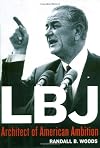
Few presidents generate as much debate today as Lyndon Baines Johnson. From relatively humble roots in Texas, he rose to the pinnacle of power in American politics. Brash and domineering to the point of obnoxiousness, he turned the position of Senate majority leader into the key office in that body through a mastery of wheeling and dealing that served him well as president and ensured the passage of a vast range of legislation that transformed the nation. Yet all of this is weighed against show more the controversial involvement in the Vietnam War, a topic that still triggers fervent discussion.
All of these elements are present in Randall Woods’s new biography of LBJ. He chronicles Johnson’s life from his Hill Country roots to his last ailment-plagued years on his iconic ranch. He begins with Johnson’s parents, Sam Early and Rebekah Baines, both of whom played a critical role in shaping young Lyndon as he inherited his father’s politics and his mother’s idealism. From his early years, Woods goes on to chart Lyndon’s rise in American politics, from his emergence as an ardent New Dealer in the 1930s through his famously narrow victory in the 1948 Democratic Senate primary to his role as Senate majority leader in the 1950s. Throughout it all he details Johnson’s relationships with other political “fathers”, most notably Sam Rayburn and Richard Russell – men from whom Johnson learned about the workings of Congress and who he courted and cultivated for their enormously influential support.
As impressive as Johnson’s achievements were, however, he would be satisfied with nothing less than the highest office in the land. Here the author introduces us to the clash between Johnson and Robert Kennedy, a clash that would define much of the politics of the 1960s with its bitterness and political maneuvering. While the younger Kennedy would argue that his older brother named Johnson as his running mate as a publicity move, Woods makes it clear that Jack Kennedy offered the vice presidency to LBJ because he didn’t think he could win the White House without the Texan on the ticket. Yet JFK’s recognition of Johnson’s political indispensability did not extend to a broader respect for the man, as Johnson found himself the subject of much contempt and derision from the Kennedys’s “Irish mafia”. Johnson was so miserable as vice-president, Woods argues, that he was preparing to tell Kennedy of his intention to not seek renomination as his running mate when an assassin’s bullets suddenly propelled him into the presidency.
Thrust by circumstance into the office he long sought, Johnson was determined to make the most of the opportunity. Woods is generous in his interpretation of the programs that constituted the Great Society, seeing it as a reflection of Johnson’s genuine concern for the disadvantaged and a product of a coherent political philosophy. This was especially true for civil rights, where Johnson knew his efforts would prove politically damaging in the traditionally Democratic South. But the president persisted because he knew it was the right thing to do, and his Congressional experience proved indispensable in getting the necessary legislation passed.
Yet in spite of his ambitious domestic agenda and his considerable success in transforming it into law, Johnson’s presidency would be defined by his disastrous policies in Vietnam. Here Woods displays his strengths as a historian of American foreign policy, examining LBJ’s reluctant commitment to intervention in the Vietnam War within the broader context of the Cold War. For all of his appreciation of the realities of the situation and despite his skepticism of the military’s optimistic assertions, though, he was unable to stop events from spinning out of his control. Increasingly embattled by the growing opposition from Congress and the public towards the war, Johnson withdrew from the 1968 presidential race and retired from politics at the end of his term, living out his final years shunned and aware that his considerable achievements never met his even greater ambitions.
Thoroughly researched and convincingly argued, Woods has produced the best single volume biography of Johnson, one that presents a convincing interpretation of the man and his accomplishments. Throughout it he takes a favorable tone towards his subject, judging Johnson sympathetically yet not uncritically. Its greatest strengths are in his depiction of Johnson’s relationships with the key people in his life (particularly his mother, Rayburn and Russell, and his wife Lady Bird) and his analysis of Johnson’s broader foreign policy, which is often overshadowed by Vietnam in other accounts. Yet for all of its many strengths, the book is plagued with persistent factual errors, mistakes that could have been corrected with even a modest editing effort. Though a minor problem, it detracts from what is otherwise an excellent study of the life and times of a fascinating man and controversial president. show less
All of these elements are present in Randall Woods’s new biography of LBJ. He chronicles Johnson’s life from his Hill Country roots to his last ailment-plagued years on his iconic ranch. He begins with Johnson’s parents, Sam Early and Rebekah Baines, both of whom played a critical role in shaping young Lyndon as he inherited his father’s politics and his mother’s idealism. From his early years, Woods goes on to chart Lyndon’s rise in American politics, from his emergence as an ardent New Dealer in the 1930s through his famously narrow victory in the 1948 Democratic Senate primary to his role as Senate majority leader in the 1950s. Throughout it all he details Johnson’s relationships with other political “fathers”, most notably Sam Rayburn and Richard Russell – men from whom Johnson learned about the workings of Congress and who he courted and cultivated for their enormously influential support.
As impressive as Johnson’s achievements were, however, he would be satisfied with nothing less than the highest office in the land. Here the author introduces us to the clash between Johnson and Robert Kennedy, a clash that would define much of the politics of the 1960s with its bitterness and political maneuvering. While the younger Kennedy would argue that his older brother named Johnson as his running mate as a publicity move, Woods makes it clear that Jack Kennedy offered the vice presidency to LBJ because he didn’t think he could win the White House without the Texan on the ticket. Yet JFK’s recognition of Johnson’s political indispensability did not extend to a broader respect for the man, as Johnson found himself the subject of much contempt and derision from the Kennedys’s “Irish mafia”. Johnson was so miserable as vice-president, Woods argues, that he was preparing to tell Kennedy of his intention to not seek renomination as his running mate when an assassin’s bullets suddenly propelled him into the presidency.
Thrust by circumstance into the office he long sought, Johnson was determined to make the most of the opportunity. Woods is generous in his interpretation of the programs that constituted the Great Society, seeing it as a reflection of Johnson’s genuine concern for the disadvantaged and a product of a coherent political philosophy. This was especially true for civil rights, where Johnson knew his efforts would prove politically damaging in the traditionally Democratic South. But the president persisted because he knew it was the right thing to do, and his Congressional experience proved indispensable in getting the necessary legislation passed.
Yet in spite of his ambitious domestic agenda and his considerable success in transforming it into law, Johnson’s presidency would be defined by his disastrous policies in Vietnam. Here Woods displays his strengths as a historian of American foreign policy, examining LBJ’s reluctant commitment to intervention in the Vietnam War within the broader context of the Cold War. For all of his appreciation of the realities of the situation and despite his skepticism of the military’s optimistic assertions, though, he was unable to stop events from spinning out of his control. Increasingly embattled by the growing opposition from Congress and the public towards the war, Johnson withdrew from the 1968 presidential race and retired from politics at the end of his term, living out his final years shunned and aware that his considerable achievements never met his even greater ambitions.
Thoroughly researched and convincingly argued, Woods has produced the best single volume biography of Johnson, one that presents a convincing interpretation of the man and his accomplishments. Throughout it he takes a favorable tone towards his subject, judging Johnson sympathetically yet not uncritically. Its greatest strengths are in his depiction of Johnson’s relationships with the key people in his life (particularly his mother, Rayburn and Russell, and his wife Lady Bird) and his analysis of Johnson’s broader foreign policy, which is often overshadowed by Vietnam in other accounts. Yet for all of its many strengths, the book is plagued with persistent factual errors, mistakes that could have been corrected with even a modest editing effort. Though a minor problem, it detracts from what is otherwise an excellent study of the life and times of a fascinating man and controversial president. show less
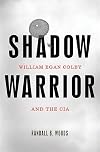
A well researched and balanced biography of former DCI William Colby, responsible in part for the CIA's response to the Church Committee's investigations during the Ford years, and earlier for the controversial Phoenix program during the Vietnam conflict. Woods tells Colby's story ably and in great detail, and it makes for a sometimes troubling, but always enlightening read.
Everything you wanted to know about LBJ but were afraid to ask. Excellent, comprehensive, well written biography of the last liberal, at least at the presidential level. Woods makes the persuasive case that LBJ was the last President who worked hard to alleviate poverty. LBJ seems like a giant compared to the current "Texan" who occupies the White House.
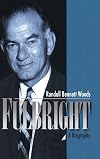
2814 Fulbright: A biography, by Randall Bennett Woods (read 30 Dec 1995) Fulbright was born 9 April 1905 at Sumner, Mo., was elected to the House in 1942, and to the Senate in 1944, and was defeated for a sixth Senate term in 1974. He died 9 Feb 1995. This book is rather slanted in his favor, though not entirely uncritical, and not well researched--it relies on secondary sources a lot (when telling of things said in the Senate it may cite a newspaper story rather than the Congressional show more Record!). I found it an intriguing story, covering all those momentous things which happened from 1942 to 1975. Fulbright was wrong at times, and he was right at times when I was wrong. But he did have courage and brains. The book is a good review of those momentous events--the Cold War, Vietnam--but one can be glad his advice was not always followed. For instance, in the Cuban missile crisis his advice might have resulted in nuclear war! show less
Awards

You May Also Like


Associated Authors
Statistics
- Works
- 18
- Members
- 592
- Popularity
- #42,408
- Rating
- 3.8
- Reviews
- 8
- ISBNs
- 49
