
John Mortimer (1923–2009)
Author of The First Rumpole Omnibus
About the Author
Works by John Mortimer
Rumpole of the Bailey, The Complete Series [videorecording] (2004) — Creator; Writer — 65 copies, 1 review
Rumpole of the Bailey: The Lost Episode: Rumpole and the Confession of Guilt [TV Series Episode] (1975) — Author — 14 copies
Rumpole: The Penge Bungalow Murders and Other Stories [BBC Radio Collection] (2018) 11 copies, 1 review
Mortimer: Collected Plays: Volume One [A Voyage Round My Father / Collaborators / The Dock Brief / What Shall We Tell Caroline? / Lunch Hour] (2002) 6 copies
Five Plays [The Dock Brief; What Shall We Tell Caroline?; I Spy; Lunch Hour; Collect Your Hand Baggage] (1970) 5 copies
Famous Trials: Selection by John Mortimer (Editor) (31-May-1984) Paperback (1600) — Editor — 2 copies
Rumpole lögmaður 1 copy
Rumpole’s Return 1 copy
A Programmed Christmas Carol 1 copy
Rumpole's Return [TV Series Episode] — Writer — 1 copy
Marble Arch 1 copy
Associated Works
The Pleasure of Reading: 43 Writers on the Discovery of Reading and the Books That Inspired Them (2015) — Contributor — 104 copies, 2 reviews
The World of Law, Volumes I-II: The Law in Literature, The Law as Literature (1960) — Contributor — 54 copies
Trial and Error [1962 film] — Play — 20 copies
Lewis and Lewis: The Life and Times of a Victorian Solicitor (1983) — Foreword, some editions — 14 copies
Australian Reader's Digest Select Editions: The Ambler Warning • True Believer • Tyrannosaur Canyon • Quite Honestly (2006) 12 copies, 1 review
Penguins 60s Classics (Loose as the Wind; Now Remember; Florence Nightingale; Rumpole and the Younger Generation; Elephant Tales; Scenes from Havian Life; Less is More Please;… (1996) — Contributor; Contributor — 12 copies
Brideshead Revisited, Volume One [1981 TV miniseries] — Screenwriter — 5 copies
Brideshead Revisited, Volume Four [1981 TV miniseries] — Screenwriter — 4 copies
Playbill Three [A Choice of Kings | Boy Dudgeon | Excursion | A Dead Liberty | The Gift] (1969) — Contributor — 4 copies
Brideshead Revisited, Volume Three [1981 TV miniseries] — Screenwriter — 4 copies
Brideshead Revisited, Volume Five [1981 TV miniseries] — Screenwriter — 2 copies
Rumpole at Sea [TV Series Episode] — Writer — 2 copies
Rumpole and the Right to Silence [TV Series Episode] — Writer — 2 copies
Paradise Postponed: The Complete Series — Screenwriter — 2 copies
Rumpole and the Sporting Life [TV Series Episode] — Writer — 2 copies
Brideshead Revisited, Volume Two [1981 TV miniseries] — Screenwriter — 2 copies
Livros Condensados: Os Finalizadores | Blue Bistro | Mergulhar Na Sombra | Muito Honestamente (2007) — Author — 2 copies
Rumpole of the Bailey: Vol. 3, Episodes 5 and 6 [TV Series] — Writer — 1 copy
Rumpole of the Bailey, Vol. 11 - The Younger Generation/The Honourable Member [VHS] (1978) — Writer — 1 copy
Rumpole of the Bailey: Vol. 2, Episodes 3 and 4 [TV Series] — Writer — 1 copy
Rumpole of the Bailey, Vol. 17 - Alternative Society [VHS] — Writer — 1 copy
Rumpole of the Bailey: Vol. 4, Episodes 7 and 8 [TV Series] — Writer — 1 copy
Rumpole of the Bailey, Vol. 15 - The Fascist Beast/The Age for Retirement [VHS] (1979) — Writer — 1 copy
Rumpole of the Bailey: The Complete Fifth Season — Writer — 1 copy
Rumpole of the Bailey: The Compete Sixth Season — Writer — 1 copy
Rumpole and the Genuine Article [TV Series Episode] — Writer — 1 copy
The Count of Monte Cristo. Introduced by John Mortimer. Illustrated by Roman Pisareo. (1999) — Introduction, some editions — 1 copy
Rumpole of the Bailey: The Complete Seventh Season — Writer — 1 copy
Rumpole and the Tap End [TV Series Episode] — Writer — 1 copy
Rumpole and the Female of the Species [TV Series Episode] — Writer — 1 copy
Rumpole and Portia [TV Series Episode] — Writer — 1 copy
Rumpole and the Alternative Society [TV Series Episode] — Writer — 1 copy
Rumpole and the Barrow Boy [TV Series Episode] — Writer — 1 copy
Rumpole and the Blind Tasting [TV Series Episode] — Writer — 1 copy
Rumpole and the Bright Seraphim [TV Series Episode] — Writer — 1 copy
Rumpole and the Bubble Reputation [TV Series Episode] — Writer — 1 copy
Rumpole and the Case of Identity [TV Series Episode] — Writer — 1 copy
Rumpole and the Children of the Devil [TV Series Episode] — Writer — 1 copy
Rumpole and the Course of True Love [TV Series Episode] — Writer — 1 copy
Rumpole of the Bailey: Vol. 1, Episodes 1 and 2 [TV Series] — Writer — 1 copy
Rumpole and the Eternal Triangle [TV Series Episode] — Writer — 1 copy
Rumpole and the Family Pride [TV Series Episode] — Writer — 1 copy
Rumpole and the Fascist Beast [TV Series Episode] — Writer — 1 copy
Rumpole and the Heavy Brigade [TV Series Episode] — Writer — 1 copy
Rumpole and the Quacks [TV Series Episode] — Writer — 1 copy
Rumpole and the Summer of Discontent [TV Series Episode] — Writer — 1 copy
Brideshead Revisited, Episode 11 [1981 TV miniseries] — Screenwriter — 1 copy
Rumpole and the Golden Thread [TV Series Episode] — Writer — 1 copy
Rumpole and the Show Folk [TV Series Episode] — Writer — 1 copy
Rumpole and the Reform of Joby Jonson [TV Series Episode] — Writer — 1 copy
Rumpole and the Quality of Life [TV Series Episode] — Writer — 1 copy
Rumpole and the Old, Old Story [TV Series Episode] — Writer — 1 copy
Rumpole and the Honourable Member [TV Series Episode] — Writer — 1 copy
Rumpole and the Old Boy Net [TV Series Episode] — Writer — 1 copy
Rumpole and the Official Secret [TV Series Episode] — Writer — 1 copy
Rumpole and the Miscarriage of Justice [TV Series Episode] — Writer — 1 copy
Rumpole and the Married Lady [TV Series Episode] — Writer — 1 copy
Rumpole and the Learned Friends [TV Series Episode] — Writer — 1 copy
Rumpole and the Judge's Elbow [TV Series Episode] — Writer — 1 copy
Rumpole and the Last Resort [TV Series Episode] — Writer — 1 copy
Tagged
Common Knowledge
- Canonical name
- Mortimer, John
- Legal name
- Mortimer, John Clifford
- Other names
- Lincoln, Geoffrey
- Birthdate
- 1923-04-21
- Date of death
- 2009-01-16
- Gender
- male
- Education
- Harrow School, London, Middlesex, England, UK
Brasenose College, Oxford (B.A.|1943)
Dragon School, Oxford, England, UK - Occupations
- playwright
screenwriter
barrister
author - Organizations
- Inner Temple (1948)
- Awards and honors
- Order of the British Empire (Commander, 1986)
Queen's Counsel (1966)
Knight Bachelor (1998) - Agent
- Katherine Vile
- Relationships
- Mortimer, Penelope (wife|divorced)
Craig, Wendy (relationship) - Cause of death
- stroke
- Nationality
- UK
- Birthplace
- London, Middlesex, England, UK
- Places of residence
- London, Middlesex, England, UK
- Place of death
- Turville Heath, Buckinghamshire, England, UK
- Map Location
- England, UK
Members
Reviews
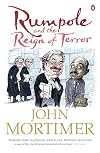
Rumpole is a comfort read for me so I was delighted when this book I had forgotten about resurfaced in the festive season of 2023. I'm sure I couldn't live with Rumpole but, on the other hand, I'd find it hard to put up with "She Who Must Be Obeyed" so I guess they are perfect for one another.
Rumpole is defending another of the Timson clan when he notices a winsome young woman gazing at him from the visitors' gallery. Tiffany Timson has never needed Rumpole's assistance before unlike most of show more her relatives but she has come to ask him to take on the case of her husband, Dr. Mahmood Khan. He was taken away one morning from their home by plain clothes police who mentioned as they were leaving that he was being arrested under the Terrorism Act. Dr. Khan had been born in Pakistan but came to England many years ago. He swears he has had no contact with terrorists and, in fact, loves England and the Queen passionately. England has abrogated a number of cornerstones of the common law system in recent years and Rumpole finds that people charged under the Terrorism Act don't have any right to know what they are accused of. It's rather difficult to mount a defence when the evidence of the supposed crime is withheld. Rumpole has an ace up his sleeve though provided to him by an old client and he uses it to good effect. Despite the fact that the other members of his chambers and his wife are convinced his client is guilty (why else would the police have arrested him?), Rumpole manages to get to the bottom of the matter and gets his client released and absolved of all guilt.
She Who Must Be Obeyed (aka Hilda Rumpole) is now writing her memoirs unbeknownst to Rumpole. She is also being courted by a judge and is seriously wondering if she might do better with him than with Rumpole. Rumpole is oblivious to this romance but, fortunately, Hilda comes to her senses. Now, Rumpole just has to worry about what she might put in those memoirs. show less
Rumpole is defending another of the Timson clan when he notices a winsome young woman gazing at him from the visitors' gallery. Tiffany Timson has never needed Rumpole's assistance before unlike most of show more her relatives but she has come to ask him to take on the case of her husband, Dr. Mahmood Khan. He was taken away one morning from their home by plain clothes police who mentioned as they were leaving that he was being arrested under the Terrorism Act. Dr. Khan had been born in Pakistan but came to England many years ago. He swears he has had no contact with terrorists and, in fact, loves England and the Queen passionately. England has abrogated a number of cornerstones of the common law system in recent years and Rumpole finds that people charged under the Terrorism Act don't have any right to know what they are accused of. It's rather difficult to mount a defence when the evidence of the supposed crime is withheld. Rumpole has an ace up his sleeve though provided to him by an old client and he uses it to good effect. Despite the fact that the other members of his chambers and his wife are convinced his client is guilty (why else would the police have arrested him?), Rumpole manages to get to the bottom of the matter and gets his client released and absolved of all guilt.
She Who Must Be Obeyed (aka Hilda Rumpole) is now writing her memoirs unbeknownst to Rumpole. She is also being courted by a judge and is seriously wondering if she might do better with him than with Rumpole. Rumpole is oblivious to this romance but, fortunately, Hilda comes to her senses. Now, Rumpole just has to worry about what she might put in those memoirs. show less
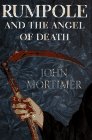
Rumpole of the Bailey was a hugely popular TV series on the BBC and then PBS. So, I was disapointed the first time I picked up a book enclosing earlier stories and programs. As I knew the situation and lines too well and they became much less impactful when rehashed in book form. This time was different having not seen on TV the six stories within Rumpole and the Angel of Death. There was plenty of insight, thoughtfulness and fun to be had at the expense of the British legal class. Only one show more of the tales didn't ring true. Other wise John Mortimer was up to his high standard of engaging tales of the seeker of truth and defender of the under dog.
Quotes: (page 55) “I remembered the words of the historian Lord Macaulay: 'The Puritan hated bear-bating , not because it gave pain to the bear, but because it gave pleasure to the spectators.' But I wasn't going to be drawn into a debate about fox-hunting when I was there to deal with my first murder case for a longtime, too long a time, and fully intend to win it.”
(pages 145-146) “Some of us did have work-hard unpleasant work- and the prospect, at some time in the not-to-distant future, of being treated in Court as though we were personally responsible for pinching infants from hospitals. I pushed open the door of my room and it seemed, in some curious and quiet evil way, to be dominated by Miss Thelma Ropner.
Thinking back, it seems absurd to have felt instantly chilled. Thelma was almost a caricature from a movie and I might even, in other circumstances, have found her appearance comic.”
(page 180) “Jameson stood, I seemed to remember, in the Liberal interest and had a huge constituency in the West of England, where no one was able to remember his name. He spoke, even when he was at his most polite, with a kind of contemptuous amusement: 'Defending the underdog brought you to Strasburg,' he said. 'To all these perfectly marvelous restaurants, with a side salad of human rights?'
'The great thing about underdogs,' I reminded him, 'is that they're usually on legal aid.'
'But you defend them,' Betsi told me firmly, 'for the sake of your principles.'
'I defend them,' I corrected her, ' for the sake of the rent of the mansion flat and my wife;s effort to boost consumer spending every Saturday at Safeway's.'”
(page 217) “I have, from time to time in these memoirs, had some harsh things to say about judges, utterances of mine which may, I'm afraid, have caused a degree of resentment among their assembled Lordships who like nothing less than to be judged. To say that their profession makes them easy prey to the terrible disease of judgeitis, a mysterious virus causing often a fatal degree of intolerance, pomposity, and self-regard, is merely to state the obvious. Being continually bowed to and asked 'if your Lordship pleases?' is likely to unhinge the best-balanced legal brain; and I have never thought that those who were entirely sane would undertake the thankless task of judging their fellow human beings anyway.” show less
Quotes: (page 55) “I remembered the words of the historian Lord Macaulay: 'The Puritan hated bear-bating , not because it gave pain to the bear, but because it gave pleasure to the spectators.' But I wasn't going to be drawn into a debate about fox-hunting when I was there to deal with my first murder case for a longtime, too long a time, and fully intend to win it.”
(pages 145-146) “Some of us did have work-hard unpleasant work- and the prospect, at some time in the not-to-distant future, of being treated in Court as though we were personally responsible for pinching infants from hospitals. I pushed open the door of my room and it seemed, in some curious and quiet evil way, to be dominated by Miss Thelma Ropner.
Thinking back, it seems absurd to have felt instantly chilled. Thelma was almost a caricature from a movie and I might even, in other circumstances, have found her appearance comic.”
(page 180) “Jameson stood, I seemed to remember, in the Liberal interest and had a huge constituency in the West of England, where no one was able to remember his name. He spoke, even when he was at his most polite, with a kind of contemptuous amusement: 'Defending the underdog brought you to Strasburg,' he said. 'To all these perfectly marvelous restaurants, with a side salad of human rights?'
'The great thing about underdogs,' I reminded him, 'is that they're usually on legal aid.'
'But you defend them,' Betsi told me firmly, 'for the sake of your principles.'
'I defend them,' I corrected her, ' for the sake of the rent of the mansion flat and my wife;s effort to boost consumer spending every Saturday at Safeway's.'”
(page 217) “I have, from time to time in these memoirs, had some harsh things to say about judges, utterances of mine which may, I'm afraid, have caused a degree of resentment among their assembled Lordships who like nothing less than to be judged. To say that their profession makes them easy prey to the terrible disease of judgeitis, a mysterious virus causing often a fatal degree of intolerance, pomposity, and self-regard, is merely to state the obvious. Being continually bowed to and asked 'if your Lordship pleases?' is likely to unhinge the best-balanced legal brain; and I have never thought that those who were entirely sane would undertake the thankless task of judging their fellow human beings anyway.” show less

John Mortimer's father gave him the same advice I once gave my granddaughter. If you want to become a writer, first seek another career. This will pay the bills while you struggle as a writer, and it will also give you something to write about. It will put you in daily contact with real people in real-life situations.
Mortimer took his father's advice and became a successful barrister, as well as a successful author, most notably of the Horace Rumpole stories. He tells all about it in show more “Where There's a Will,” his 2003 book of essays that can also pass as a memoir.
Much of this book is about his experiences practicing law and the amazing people and situations he encountered in this profession. There is much here, too, about the writing profession. Yet most of these essays are simply about the art of living. They have titles like "Getting Drunk," "Listening," "Lying," "Living with Children," "Male Clothing," "Giving Money to Beggars," "Eating Out," and "Looking after Your Health." They are all short and, in most cases, amusing. And sometimes full of practical advice.
He suggests, for example, to avoid eating at restaurants with menus full of page after page of entrees. Those restaurants with few options, he says, probably know how to prepare those meals very well.
He says he learned to listen to others because that is part of a lawyer's job, and he highly recommends the practice. Most people have fascinating stories to tell, if only we can stop talking long enough to listen to them.
Mortimer says many things worth quoting:
"One of the miracles of life is that few people pass through it without finding someone to love them."
"Murder has this in common with Christmas, most of it goes on in the family circle."
"The trouble with double-beds is that people tend to go to sleep in them."
Mortimer's Rumpole stories make wonderful reading, and this is no less true of this short book of short essays. show less
Mortimer took his father's advice and became a successful barrister, as well as a successful author, most notably of the Horace Rumpole stories. He tells all about it in show more “Where There's a Will,” his 2003 book of essays that can also pass as a memoir.
Much of this book is about his experiences practicing law and the amazing people and situations he encountered in this profession. There is much here, too, about the writing profession. Yet most of these essays are simply about the art of living. They have titles like "Getting Drunk," "Listening," "Lying," "Living with Children," "Male Clothing," "Giving Money to Beggars," "Eating Out," and "Looking after Your Health." They are all short and, in most cases, amusing. And sometimes full of practical advice.
He suggests, for example, to avoid eating at restaurants with menus full of page after page of entrees. Those restaurants with few options, he says, probably know how to prepare those meals very well.
He says he learned to listen to others because that is part of a lawyer's job, and he highly recommends the practice. Most people have fascinating stories to tell, if only we can stop talking long enough to listen to them.
Mortimer says many things worth quoting:
"One of the miracles of life is that few people pass through it without finding someone to love them."
"Murder has this in common with Christmas, most of it goes on in the family circle."
"The trouble with double-beds is that people tend to go to sleep in them."
Mortimer's Rumpole stories make wonderful reading, and this is no less true of this short book of short essays. show less
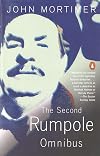
Horace Rumpole ages well. That's true with the character in John Mortimer's stories about a London barrister and with the stories themselves. I just finished reading the three Mortimer story collections that make up “The Second Rumpole Omnibus,” published in 1987.
The stories in “Rumoole for the Defence,” “Rumpole and the Golden Thread” and “Rumpole’s Last Case” do begin to seem a bit predictable when read one after the other, yet that hardly makes them less entertaining. show more Rumpole is just such an endearing character, sort of like Peter Falk's Columbo, that we don't really care if the stories all seem to follow a similar pattern.
Yet there are exceptions. In "Rumpole and the Winter Break," the briefest story in the book, the aging barrister must take Hilda, better known as She Who Must Be Obeyed, on a vacation that he promised her if he won his case defending a suspected wife murderer. Rumpole never expects to win that case and is greatly surprised when he does. And even bigger surprise happens on their vacation.
Sometimes, as in "Rumpole and the Golden Thread," he successfully defends a client, then discovers that client actually wanted to be found guilty.
In "Rumpole's Last Case," he gets racing tip that he is convinced will allow him to retire with enough money to allow him and Hilda to live comfortably for the rest of their lives. Things don't quite work as he plans, which itself is predictable. What may come as a surprise is just how his "last case" becomes only the last case in the book.
No less interesting than Rumpole's courtroom successes are his life with Hilda and with his associates in his law firm. In most of these stories, his life outside the courtrooms in some way parallels his current case.
Leo McKern played Rumpole in the long-running BBC/PBS series based on Mortimer's stories, and it is impossible to read them without seeing McKern in one's mind. It was a character he was born to play. show less
The stories in “Rumoole for the Defence,” “Rumpole and the Golden Thread” and “Rumpole’s Last Case” do begin to seem a bit predictable when read one after the other, yet that hardly makes them less entertaining. show more Rumpole is just such an endearing character, sort of like Peter Falk's Columbo, that we don't really care if the stories all seem to follow a similar pattern.
Yet there are exceptions. In "Rumpole and the Winter Break," the briefest story in the book, the aging barrister must take Hilda, better known as She Who Must Be Obeyed, on a vacation that he promised her if he won his case defending a suspected wife murderer. Rumpole never expects to win that case and is greatly surprised when he does. And even bigger surprise happens on their vacation.
Sometimes, as in "Rumpole and the Golden Thread," he successfully defends a client, then discovers that client actually wanted to be found guilty.
In "Rumpole's Last Case," he gets racing tip that he is convinced will allow him to retire with enough money to allow him and Hilda to live comfortably for the rest of their lives. Things don't quite work as he plans, which itself is predictable. What may come as a surprise is just how his "last case" becomes only the last case in the book.
No less interesting than Rumpole's courtroom successes are his life with Hilda and with his associates in his law firm. In most of these stories, his life outside the courtrooms in some way parallels his current case.
Leo McKern played Rumpole in the long-running BBC/PBS series based on Mortimer's stories, and it is impossible to read them without seeing McKern in one's mind. It was a character he was born to play. show less
Lists
British Mystery (6)
United Kingdom (1)
Folio Society (1)
Christmas Books (1)
Reading LIst (3)
Legal Stories (3)
Favourite Books (1)
Awards


You May Also Like


Associated Authors
Statistics
- Works
- 168
- Also by
- 110
- Members
- 15,969
- Popularity
- #1,418
- Rating
- 4.0
- Reviews
- 291
- ISBNs
- 753
- Languages
- 10
- Favorited
- 2