
William E. Cain
Author of A short guide to writing about literature
About the Author
Works by William E. Cain
F.O. Matthiessen and the Politics of Criticism (Wisconsin Project on American Writers) (1988) 3 copies
Reconceptualizing American literary/cultural studies : rhetoric, history, and politics in the humanities (2014) 2 copies
Making feminist history : the literary scholarship of Sandra M. Gilbert and Susan Gubar (1993) 1 copy
Associated Works
An Introduction to literature: Fiction, poetry, drama (1981) — some editions — 403 copies, 2 reviews
William Lloyd Garrison and the Fight Against Slavery: Selections from The Liberator (1995) — Editor — 89 copies
A Companion to Literary Theory (Blackwell Companions to Literature and Culture) (2018) — Contributor — 11 copies
Tagged
Common Knowledge
Members
Reviews
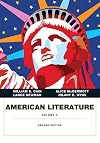
My son's huge textbook. Figured I'd use it to catch up a bit on some authors that I've never read, and so could sample here. Still took me forever to page through, reading here and there, finally closing in Sept. 2022.
Anyway.
[a:Edith Maude Eaton|18732908|Edith Maude Eaton|https://s.gr-assets.com/assets/nophoto/user/u_50x66-632230dc9882b4352d753eedf9396530.png] aka [a:Sui Sin Far|3332705|Sui Sin Far|https://s.gr-assets.com/assets/nophoto/user/u_50x66-632230dc9882b4352d753eedf9396530.png] has show more an interesting biography. The bit enclosed here is memoir and also interesting.
I really like the poem "A Blessing" by [a:James Wright|66244|James Wright|https://images.gr-assets.com/authors/1289729134p2/66244.jpg] even though it reminds me of a certain one by Frost.
My son and I both got a kick out of "Sonnet" (All we need is fourteen lines,....) by [a:Billy Collins|438|Billy Collins|https://images.gr-assets.com/authors/1385150456p2/438.jpg].
And a big thank you to [a:Nikki Giovanni|22050|Nikki Giovanni|https://images.gr-assets.com/authors/1439180982p2/22050.jpg] for "Nikki-Rosa."
Not a bad collection, though, of course & as usual, a little too much emphasis on the important & weighty stuff, the stuff regular people don't much read. show less
Anyway.
[a:Edith Maude Eaton|18732908|Edith Maude Eaton|https://s.gr-assets.com/assets/nophoto/user/u_50x66-632230dc9882b4352d753eedf9396530.png] aka [a:Sui Sin Far|3332705|Sui Sin Far|https://s.gr-assets.com/assets/nophoto/user/u_50x66-632230dc9882b4352d753eedf9396530.png] has show more an interesting biography. The bit enclosed here is memoir and also interesting.
I really like the poem "A Blessing" by [a:James Wright|66244|James Wright|https://images.gr-assets.com/authors/1289729134p2/66244.jpg] even though it reminds me of a certain one by Frost.
My son and I both got a kick out of "Sonnet" (All we need is fourteen lines,....) by [a:Billy Collins|438|Billy Collins|https://images.gr-assets.com/authors/1385150456p2/438.jpg].
And a big thank you to [a:Nikki Giovanni|22050|Nikki Giovanni|https://images.gr-assets.com/authors/1439180982p2/22050.jpg] for "Nikki-Rosa."
Not a bad collection, though, of course & as usual, a little too much emphasis on the important & weighty stuff, the stuff regular people don't much read. show less
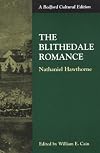
Not my favorite of Hawthorne's work, I did enjoy looking at the various aspects at work within the plots, but I think it will be quite some time before I pick it up again. There really is so likable character to grab hold of, which makes it difficult to read it for enjoyment only.

A Short Guide to Writing about Literature provides students with a thorough reference of how to read, ask questions of, and write about literary texts which they will read in higher education courses. This critical approach to reading and thinking about literature enables them to interpret and analyze literature using current critical approaches, and it then provides them with suggestions on how to write about literature.
The book is divided into four parts and concludes with several show more appendixes. Please note that some of the chapters have changed since the previous edition; they have been updated to reflect the changing landscape of writing about literature; for example, Chapter 15 now contains an entirely new section on finding, using, and citing electronic resources. Here, then, is an overview of what to expect of the ninth edition of Short Guide to Writing about Literature:
Part I, "The Writer as Reader: Reading and Responding," emphasizes the connection between reading and writing. Chapter 1 focuses on reading a text and responding to it while Chapter 2 covers the process of writing from brainstorming to drafting, revising, and editing. Chapter 3 examines two commonly assigned types of writing—explication and analysis—with an emphasis on evaluating which type is used in a text. Concluding this part, Chapter 4 concentrates on various ways to write about literature, such as summary, paraphrase, parody, and review.
Part II, "Standing Back," looks at definitions of literature and how we, as scholars of literature, interpret these definitions. Chapter 5 explores how our culture defines and categorizes "literature." Chapter 6 considers interpretation and the sources of meaning in a particular work. Chapter 7 focuses on the critical standards we use to analyze literature, and Chapter 8 provides an overview of the critical approaches scholars employ when evaluating literature.
Part III, "Up Close: Thinking Critically about Literary Forms," introduces students to various genres of literature and suggests how to approach writing about them. Chapters 9 through 12 provide students with suggestions for responding to essays, fiction, drama, and poetry. This section includes several sample essays that illustrate effective examples of genre-specific writing.
Part IV, "Inside: Style, Format, and Special Assignments," examines structural elements of writing. Chapter 13 introduces the main principles of style, such as writing accurately, coherently, and emphatically. Chapter 14 demonstrates the crucial steps necessary in writing a research paper, and Chapter 15 presents new approaches to the research paper, including literature, history, and the Web.
The two appendixes include two short stories which served as the subjects of student essays, and a guide to print and electronic resources. Also, there are two indexes: one of authors, titles, and first lines of poems; and the other of literary terms.
This text will enrich students’ perspectives on literature and, ultimately, the way they approach writing about literature.
(Ideal as a supplement to any course where writing about literature or literary studies is emphasized.)
Features
Provides the apparatus, background, and critical help needed when writing about literature.
Part 1 contains 4 chapters emphasizing the close connection between reading and writing.
Part 2 contain four chapters on thinking critically about literature.
Part 3 contains four chapters about fiction, drama, and poetry.
TECHNOLOGY ADVANTAGE: Part 4 covers Style and Format, the research paper, and electronic sources.
Three appendixes include two stories that are the subject of student essays in the book, additional information on print and electronic resources, and a glossary of literary terms.
Throughout the book are numerous examples of preliminary notes, drafts, and revisions of drafts.
Lists of questions students can ask themselves about a given literary work.
Checklists to assist in evaluating drafts. show less
The book is divided into four parts and concludes with several show more appendixes. Please note that some of the chapters have changed since the previous edition; they have been updated to reflect the changing landscape of writing about literature; for example, Chapter 15 now contains an entirely new section on finding, using, and citing electronic resources. Here, then, is an overview of what to expect of the ninth edition of Short Guide to Writing about Literature:
Part I, "The Writer as Reader: Reading and Responding," emphasizes the connection between reading and writing. Chapter 1 focuses on reading a text and responding to it while Chapter 2 covers the process of writing from brainstorming to drafting, revising, and editing. Chapter 3 examines two commonly assigned types of writing—explication and analysis—with an emphasis on evaluating which type is used in a text. Concluding this part, Chapter 4 concentrates on various ways to write about literature, such as summary, paraphrase, parody, and review.
Part II, "Standing Back," looks at definitions of literature and how we, as scholars of literature, interpret these definitions. Chapter 5 explores how our culture defines and categorizes "literature." Chapter 6 considers interpretation and the sources of meaning in a particular work. Chapter 7 focuses on the critical standards we use to analyze literature, and Chapter 8 provides an overview of the critical approaches scholars employ when evaluating literature.
Part III, "Up Close: Thinking Critically about Literary Forms," introduces students to various genres of literature and suggests how to approach writing about them. Chapters 9 through 12 provide students with suggestions for responding to essays, fiction, drama, and poetry. This section includes several sample essays that illustrate effective examples of genre-specific writing.
Part IV, "Inside: Style, Format, and Special Assignments," examines structural elements of writing. Chapter 13 introduces the main principles of style, such as writing accurately, coherently, and emphatically. Chapter 14 demonstrates the crucial steps necessary in writing a research paper, and Chapter 15 presents new approaches to the research paper, including literature, history, and the Web.
The two appendixes include two short stories which served as the subjects of student essays, and a guide to print and electronic resources. Also, there are two indexes: one of authors, titles, and first lines of poems; and the other of literary terms.
This text will enrich students’ perspectives on literature and, ultimately, the way they approach writing about literature.
(Ideal as a supplement to any course where writing about literature or literary studies is emphasized.)
Features
Provides the apparatus, background, and critical help needed when writing about literature.
Part 1 contains 4 chapters emphasizing the close connection between reading and writing.
Part 2 contain four chapters on thinking critically about literature.
Part 3 contains four chapters about fiction, drama, and poetry.
TECHNOLOGY ADVANTAGE: Part 4 covers Style and Format, the research paper, and electronic sources.
Three appendixes include two stories that are the subject of student essays in the book, additional information on print and electronic resources, and a glossary of literary terms.
Throughout the book are numerous examples of preliminary notes, drafts, and revisions of drafts.
Lists of questions students can ask themselves about a given literary work.
Checklists to assist in evaluating drafts. show less
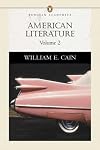
I bought this book for an American Lit survey class taught by Dr. Kennedy. Dr. Kennedy looks kind of like the evil spawn of Rutger Hauer and Paul Newman. I'm just saying...
Lists
You May Also Like


Associated Authors
Statistics
- Works
- 13
- Also by
- 3
- Members
- 637
- Popularity
- #39,574
- Rating
- 3.6
- Reviews
- 6
- ISBNs
- 44