

Hélène Rajcak
Author of Small and Tall Tales of Extinct Animals
About the Author
Works by Hélène Rajcak
Tagged
Common Knowledge
There is no Common Knowledge data for this author yet. You can help.
Members
Reviews
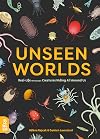
Large format book originally published in France. The illustrations fold out, and show microscopic life forms in their environment. They are identified, and the scale is given. Environments might be the beach, your skin, or your kitchen floor. Fascinating worlds; excellent illustrations.
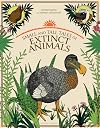
This is a children’s book with large illustrations and cartoons explaining 27 extinct animals (well, 26 extinct, and at the time of publication, the giant tortoise George would likely to be the last of his species; he has since died). The book is divided into geographical areas and the animals focused on went extinct between 15,000 years ago up George (in 2012). Each animal gets a cartoon that either explains a myth or maybe a person who studied or “discovered” them, a large show more illustration with info about how/when it went extinct and general bits of info about it, as well as some stats like size, weight, etc.
I really liked this. I got my copy from the library, but to be honest, it’s such a quick read and there is a tiny bit of info about each, I don’t know how much I will remember. For that reason, I feel like this is a book that might be nice to have (though I can’t see myself buying it, but others might want to) in order to look back on.
I liked the little cartoons, and the corner with the stats also showed a silhouette of the animal beside a human for a size comparison (for birds, the silhouette compared the animal to a human hand). I thought that was a nice addition. One I will remember – I had no idea there were once giant 6’ beavers running around North America! It does frustrate me that the majority of these animals went extinct, due to (or at least in part) humans – hunting, habitat loss, and/or bringing invasive species with them. There is also a glossary at the back to help kids understand some of the terminology. show less
I really liked this. I got my copy from the library, but to be honest, it’s such a quick read and there is a tiny bit of info about each, I don’t know how much I will remember. For that reason, I feel like this is a book that might be nice to have (though I can’t see myself buying it, but others might want to) in order to look back on.
I liked the little cartoons, and the corner with the stats also showed a silhouette of the animal beside a human for a size comparison (for birds, the silhouette compared the animal to a human hand). I thought that was a nice addition. One I will remember – I had no idea there were once giant 6’ beavers running around North America! It does frustrate me that the majority of these animals went extinct, due to (or at least in part) humans – hunting, habitat loss, and/or bringing invasive species with them. There is also a glossary at the back to help kids understand some of the terminology. show less
Twenty-seven extinct (or nearly so) animals are presented in this oversized book. They range from the prehistoric to the modern and across the map from the Americas to Oceania. Each full page spread presents a six-panel cartoon strip telling a legend, story, or conversation between the animals on the right and a large illustration of the animal and further information on the left.
Some of the animals include the Malagasy dwarf hippopotamus, which some scientists think is the basis for the show more legendary monster kilopilopitsofy, and which is accompanied by a fictional comic of an encounter between a Malagasy native and the hippo. Then there's the elephant bird, thought to be the inspiration for Sinbad's Roc. The woolly mammoth spread includes a brief exchange between the scientists who disinterred an almost perfect specimen in 1997 and the Chinese river dolphin also includes a science expedition, this one in 2007 when scientists concluded the dolphin was extinct.
Additional information on each of the four land areas - the Americas, Africa, Eurasia and Oceania - is included at the beginning of each section. An in-depth glossary and further illustrations and timeline of the extinct animals is also included. I did think the introduction was a bit grandiose, especially when it says "Few books dare to touch on humanity's role in wildlife extinction." I can't think of a single wildlife title I've purchased for the library in the past few years that doesn't touch on this, but this is a French import, so maybe their children's books are different.
The art is very interesting and it took me a while to realize that it strongly reminded me of the botanical drawings of the 18th and 19th century, but with color. There are touches of humor in the cartoons, although they do all have a sameness about them. I did like the silhouettes of the extinct creature vs. a human, so you can see the relative sizes.
Verdict: This won't be for everyone, but the very different illustrations and the variety of information will interest some kids, especially those who have outgrown dinosaurs but are still interested in prehistoric creatures. I would have liked a little more background information and knowing how they decided how to picture some of the prehistoric creatures and more about the final sighting and how they were determined to be extinct, but it's a good introduction to extinction, biodiversity, and folktales.
ISBN: 9781877579066; Published 2012 by Gecko Press; Borrowed from another library in the consortium show less
Some of the animals include the Malagasy dwarf hippopotamus, which some scientists think is the basis for the show more legendary monster kilopilopitsofy, and which is accompanied by a fictional comic of an encounter between a Malagasy native and the hippo. Then there's the elephant bird, thought to be the inspiration for Sinbad's Roc. The woolly mammoth spread includes a brief exchange between the scientists who disinterred an almost perfect specimen in 1997 and the Chinese river dolphin also includes a science expedition, this one in 2007 when scientists concluded the dolphin was extinct.
Additional information on each of the four land areas - the Americas, Africa, Eurasia and Oceania - is included at the beginning of each section. An in-depth glossary and further illustrations and timeline of the extinct animals is also included. I did think the introduction was a bit grandiose, especially when it says "Few books dare to touch on humanity's role in wildlife extinction." I can't think of a single wildlife title I've purchased for the library in the past few years that doesn't touch on this, but this is a French import, so maybe their children's books are different.
The art is very interesting and it took me a while to realize that it strongly reminded me of the botanical drawings of the 18th and 19th century, but with color. There are touches of humor in the cartoons, although they do all have a sameness about them. I did like the silhouettes of the extinct creature vs. a human, so you can see the relative sizes.
Verdict: This won't be for everyone, but the very different illustrations and the variety of information will interest some kids, especially those who have outgrown dinosaurs but are still interested in prehistoric creatures. I would have liked a little more background information and knowing how they decided how to picture some of the prehistoric creatures and more about the final sighting and how they were determined to be extinct, but it's a good introduction to extinction, biodiversity, and folktales.
ISBN: 9781877579066; Published 2012 by Gecko Press; Borrowed from another library in the consortium show less
This book divides the world into the Americas, Eurasia, Africa and Oceania and discusses animals that have gone extinct in each locale. Some such as the Woolly Mammoth and the Irish Elk became extinct due to climate change and others such as the Dodo Bird and the Passenger Pigeon were hunted to extinction by humans.
Each animal gets a comic strip that shares either a myth about them or something concerning their territory or the people that have studied/found them. Then an illustration in show more the style of the old fashioned images that naturalists made a hundred years ago with a couple of interesting facts. Many of the animals selected are very strange by today's standards and there are also many animals that are larger cousins of animals that are still somewhat common. There is also a small illustration in the upper right hand corner with a human next to it to illustrate the scale of the animal which I found very helpful. At the end there is frieze with a time line of the vanishing animals and a glossary.
I found this book really interesting and I thought that the comic strips were a great way to present all different kinds of information. I also found this book a little sad. More than half of the animals were made extinct due to human involvement. That being said I didn't feel like the authors were trying to beat you over the head with a point. This book is really about the animals which I found refreshing. show less
Each animal gets a comic strip that shares either a myth about them or something concerning their territory or the people that have studied/found them. Then an illustration in show more the style of the old fashioned images that naturalists made a hundred years ago with a couple of interesting facts. Many of the animals selected are very strange by today's standards and there are also many animals that are larger cousins of animals that are still somewhat common. There is also a small illustration in the upper right hand corner with a human next to it to illustrate the scale of the animal which I found very helpful. At the end there is frieze with a time line of the vanishing animals and a glossary.
I found this book really interesting and I thought that the comic strips were a great way to present all different kinds of information. I also found this book a little sad. More than half of the animals were made extinct due to human involvement. That being said I didn't feel like the authors were trying to beat you over the head with a point. This book is really about the animals which I found refreshing. show less
Lists
Awards


You May Also Like
Associated Authors
Statistics
- Works
- 6
- Members
- 118
- Popularity
- #167,489
- Rating
- 4.0
- Reviews
- 9
- ISBNs
- 15
- Languages
- 4