
June Rose
Author of Elizabeth Fry
Works by June Rose
The perfect gentleman: The remarkable life of Dr James Miranda Barry, the woman who served as an officer in the British Army from 1813 to 1859 (1977) 17 copies, 2 reviews
For the Sake of the Children: Inside Dr.Barnardo's - 120 Years of Caring for Children (1987) 3 copies
ELIZABETH FRY 3 copies
For the Sake of The Children 1 copy
Tagged
Common Knowledge
- Gender
- female
Members
Reviews
The perfect gentleman: The remarkable life of Dr James Miranda Barry, the woman who served as an officer in the British Army from 1813 to 1859 by June Rose

'The Perfect Gentleman' is a brief book that makes an excellent counterpoint to the novel 'James Miranda Barry' by Patricia Duncker. Both concern the same extraordinary doctor. Unlike the novel, this biography does not speculate on James Miranda Barry's early life or emotional connections, but concentrates on his career. Although the impressiveness of this came out in the novel, it is even more powerfully presented in 'The Perfect Gentleman'. Barry was astoundingly ahead of his time in show more medical terms, not to mention his compassionate views on the treatment of prisoners and the mentally ill. Rose uses copious quotes from correspondence to demonstrate Barry's tireless battles with intransigent, oft-incompetent bureaucracy. He comes off as an incredibly brave, uncompromising, and admirable figure who made a huge difference wherever he worked.
As an aside, it seems somehow more respectful to refer to Barry with male pronouns, as he lived his life as a man. To impose female pronouns, as Rose does throughout, seems not to reflect the life Barry chose. Although neither the novel nor biography mention the possibility explicitly, it does not seem impossible that Barry was a trans man. Interestingly, in the novel even those who know that Barry was born female use male pronouns. Barry's mother does so even before Barry begins to present as male.
A tantalisingly brief anecdote that I found especially fascinating in this book concerns Barry's meeting with Florence Nightingale. The two did not get on at all, although it seems they had an astonishing amount in common. Both devoted their lives to improvement and reform for medical facilities, especially military hospitals. Both emphasised the need for hygiene above all and compassionate care for patients. And both were females in an utterly male-dominated environment. The routes that they took to achieve their aims are fascinating to compare. They can even be taken to exemplify the differing challenges facing women seeking to deal with sexism by emphasising their stereotypically masculine or feminine traits. As it turned out, Florence Nightingale is the one remembered by history as having achieved more, but Barry managed astonishing things too.
As in the novel, I found Barry to be a fascinating and sympathetic character. Rose manages not to be tempted into too much speculation about Barry's possible relationships, largely confining herself to the reasonable comment that Barry must have experienced considerable loneliness. Even leaving aside the issue of gender, Barry's professional attitudes and beliefs made him an iconoclast. Although very popular with patients, his superiors and colleagues tended to find him difficult. Reading 'A Perfect Gentleman' reinforced my view of the novel 'James Miranda Barry', that the lack of a confidante and friend, such as the novel created for him in Alice, made me sad for Barry. Of course, much of his life remains wholly mysterious, so there may have been such a person or persons. On the one hand, I'd love to know more about his background and personal life, but on the other this seems rude to his memory. It is clear from Rose's book that Barry considered his medical career and the good that it did for humanity as paramount in his life. That, rather than prurient speculation, should surely be his legacy.
What this book did cause me to wonder, though, is how many other women passed as men whilst femininity was a barrier to practising professions. Barry managed it throughout his life, his formidable intellect and utter competence apparently compensating for very small stature and effeminate looks. Surely he was not the only one? I'd like to think that, though we may not know exactly who they were, plenty of women managed to infiltrate professions that were the preserve of men. If I'd had the bad luck to have been born two hundred years ago, I'm pretty sure that I would have given it a try. show less
As an aside, it seems somehow more respectful to refer to Barry with male pronouns, as he lived his life as a man. To impose female pronouns, as Rose does throughout, seems not to reflect the life Barry chose. Although neither the novel nor biography mention the possibility explicitly, it does not seem impossible that Barry was a trans man. Interestingly, in the novel even those who know that Barry was born female use male pronouns. Barry's mother does so even before Barry begins to present as male.
A tantalisingly brief anecdote that I found especially fascinating in this book concerns Barry's meeting with Florence Nightingale. The two did not get on at all, although it seems they had an astonishing amount in common. Both devoted their lives to improvement and reform for medical facilities, especially military hospitals. Both emphasised the need for hygiene above all and compassionate care for patients. And both were females in an utterly male-dominated environment. The routes that they took to achieve their aims are fascinating to compare. They can even be taken to exemplify the differing challenges facing women seeking to deal with sexism by emphasising their stereotypically masculine or feminine traits. As it turned out, Florence Nightingale is the one remembered by history as having achieved more, but Barry managed astonishing things too.
As in the novel, I found Barry to be a fascinating and sympathetic character. Rose manages not to be tempted into too much speculation about Barry's possible relationships, largely confining herself to the reasonable comment that Barry must have experienced considerable loneliness. Even leaving aside the issue of gender, Barry's professional attitudes and beliefs made him an iconoclast. Although very popular with patients, his superiors and colleagues tended to find him difficult. Reading 'A Perfect Gentleman' reinforced my view of the novel 'James Miranda Barry', that the lack of a confidante and friend, such as the novel created for him in Alice, made me sad for Barry. Of course, much of his life remains wholly mysterious, so there may have been such a person or persons. On the one hand, I'd love to know more about his background and personal life, but on the other this seems rude to his memory. It is clear from Rose's book that Barry considered his medical career and the good that it did for humanity as paramount in his life. That, rather than prurient speculation, should surely be his legacy.
What this book did cause me to wonder, though, is how many other women passed as men whilst femininity was a barrier to practising professions. Barry managed it throughout his life, his formidable intellect and utter competence apparently compensating for very small stature and effeminate looks. Surely he was not the only one? I'd like to think that, though we may not know exactly who they were, plenty of women managed to infiltrate professions that were the preserve of men. If I'd had the bad luck to have been born two hundred years ago, I'm pretty sure that I would have given it a try. show less
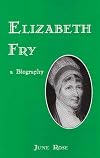
This is a very interesting biography of Elizabeth Fry, a 19th century English Quaker who became deeply involved in prison reform. Elizabeth Fry was an enigma: she devoted many hours working to improve conditions for female prisoners, especially the poor, which she did on a religious basis. However, she grew up in a very wealthy Quaker family, and expected to have fine things -- clothing made of good quality materials, fine food, etc. throughout her life (1780-1845). She liked to mingle with show more royalty, lecturing to them about prison reform. She depended upon her brothers and brothers-in-law for financing both for her prison work and her family; her husband went bankrupt. Elizabeth felt that women should work outside the home only if they were poor and needed to work or if they were doing volunteer work. Although she was a Quaker minister, many Friends disapproved of her lifestyle, and Elizabeth was unable to attend many of her children's weddings since they married "outside of Meeting." She felt the family was important, but neglected her own.
Ms. Rose’s biography of Elizabeth Fry is primarily based on original manuscripts, particularly Elizabeth’s unedited journals plus journals and letters of her relatives and friends. Throughout the book, Ms. Rose gives a very well thought-out description and evaluation of Elizabeth’s life, pointing out her weaknesses in addition to her strengths, and several times explaining how circumstances differed in Elizabeth’s time from today. Being an American Friend who admires Lucretia Mott, I was interested in Ms. Rose’s description of Elizabeth’s attitude toward and treatment of Lucretia when the latter was in London for the 1840 World’s Anti-Slavery Convention (p.182-185 of the 1994 edition published by the Quaker Home Service).
Includes a few endnotes, a bibliography, and an index.
Highly recommended show less
Ms. Rose’s biography of Elizabeth Fry is primarily based on original manuscripts, particularly Elizabeth’s unedited journals plus journals and letters of her relatives and friends. Throughout the book, Ms. Rose gives a very well thought-out description and evaluation of Elizabeth’s life, pointing out her weaknesses in addition to her strengths, and several times explaining how circumstances differed in Elizabeth’s time from today. Being an American Friend who admires Lucretia Mott, I was interested in Ms. Rose’s description of Elizabeth’s attitude toward and treatment of Lucretia when the latter was in London for the 1840 World’s Anti-Slavery Convention (p.182-185 of the 1994 edition published by the Quaker Home Service).
Includes a few endnotes, a bibliography, and an index.
Highly recommended show less

During her lifetime this remarkable woman aroused hostility as well as admiration. Quakers found her worldliness disquieting; not of her fellow penal reformers approved of her unorthodox ways and the irregular authority conferred upon her and her lady prison visitors; her family felt neglected. Elizabeth Fry herself was tortured throughout her life by self-doubt and anxiety, torn between the opposing demands of her family, her religion and her public, and disturbed by her own attraction to show more the high life. show less

Rose strives to deromanticize Modigliani's life, and debunk many of the myths surrounding him, but ultimately she does little to illuminate the work of this unique artist.
You May Also Like


Statistics
- Works
- 16
- Members
- 292
- Popularity
- #80,151
- Rating
- 3.6
- Reviews
- 12
- ISBNs
- 24
- Languages
- 2