
Yamamoto Tsunetomo (1) (1659–1719)
Author of Hagakure - Book of the Samurai
For other authors named Yamamoto Tsunetomo, see the disambiguation page.
About the Author
The Author Yamamoto Tsunetomo [1659-1719] was a samurai retainer of the Nabeshima Clan, Lords of Hizen province, who became a Buddhist monk in 1700 after the Shogunal government prohibited the practice of tsuifuku: suicide of a retainer on the death of his lord. The book was dictated to a younger show more samurai during the author's seclusion over a seven year period show less
Works by Yamamoto Tsunetomo
Tagged
Common Knowledge
- Canonical name
- Yamamoto Tsunetomo
- Legal name
- 山本 常朝
- Other names
- Yamamoto, Jōchō
- Birthdate
- 1659-06-11
- Date of death
- 1719-11-30
- Gender
- male
- Relationships
- Nabeshima Mitsushige (master)
- Short biography
- mamoto Tsunetomo (山本常朝), also read Yamamoto Jōchō, was a samurai of the Saga Domain in Hizen Province under his lord Nabeshima Mitsushige. For thirty years Yamamoto devoted his life to the service of his lord and clan. When Nabeshima died in 1700, Yamamoto did not choose to follow his master in death in junshi because the master had expressed a dislike of the practice in his life. Instead, Yamamoto followed his lord's wishes and refrained from junshi. After some disagreements with Nabeshima's successor, Yamamoto renounced the world and retired to a hermitage in the mountains. Late in life (between 1709 and 1716), he narrated many of his thoughts to a fellow samurai, Tsuramoto Tashiro. Many of these aphorisms concerned his lord's father and grandfather Naoshige and the failing ways of the samurai caste. These commentaries were compiled and published in 1716 under the title of Hagakure, a word that can be translated as either "In the Shadow of the Leaves" or "Hidden Leaves".
- Nationality
- Japan
- Birthplace
- Saga, Japan
- Associated Place (for map)
- Saga, Japan
Members
Discussions
Mishima : The Samurai ethic and modern Japan in Author Theme Reads (January 2013)
Reviews
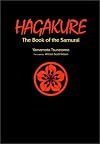
A good distillation of a culture is like wine. There is color, there is character, there are bracing effects, there are notes and complexities. Bushido is a culture within a culture, a rich mix. The ideals are kindness and capacity for quick and lethal action. The shadow of death is to be embraced in every moment.
The author was not a samurai. He was a Zen student, Confucian scholar, scribe / retainer to a lord whose father and grandfather were samurai, and finally a mountain-dwelling, show more married Buddhist priest. Hagakure is a mixing vat of many elements, but its main notes, first and last, are living with death, inhaling it, to the final breath. Sip it to your pleasure and think about how deeply to swallow it in. show less
The author was not a samurai. He was a Zen student, Confucian scholar, scribe / retainer to a lord whose father and grandfather were samurai, and finally a mountain-dwelling, show more married Buddhist priest. Hagakure is a mixing vat of many elements, but its main notes, first and last, are living with death, inhaling it, to the final breath. Sip it to your pleasure and think about how deeply to swallow it in. show less
Quite a letdown after Musashi’s Book of Five Rings, read immediately prior. Rife with hearsay, self contradictions aplenty, rampant misogyny, unthinking conservatism, laughable medical advice (drinking horse feces for example), etc. Just not good. Is there some wisdom here ? Some, but I’d be hard pressed to specify any that can’t be found elsewhere. (My own father, a combat veteran, taught me the central piece of genuine wisdom in this book - to preserve your life you must kill it- show more when I was still a young girl). I am not at all surprised that Yukio Mishima, narcissistic right-wing nationalistic fanatic that he was, loved this book. show less
I have mixed feelings about this book. As a historical book and a tenet on philosophy, this is a worthwhile read for a history buff, particularly those who want to learn more about Japanese history and philosophy. The book I read also offered a bio on the author (and was also annotated. Which I HIGHLY recommend for ANY old text, especially translations/foreign books) which will help readers understand the text a little more.
There are some good bits of advice to be gleaned from this book, as show more well as a perspective in the way that many samurai thought and felt. Much of it is what one who has some knowledge in Japanese history would expect, but it is still crazy how people would commit seppuku over what we modern day readers would consider trivial, or meriting only a lesser punishment. One thing that particularly stuck in my craw was that a dead retainer was better than a dead enemy.
Wait, whoa, what? You would rather have your servant dead (from killing himself to prove loyalty) and your enemy running around? Yes, the code of samurai was different, hundreds of years ago, and their perspective on things were different than ours, but the price paid for their sense of honor could be really stupefying sometimes.
He also encourages people to plunge recklessly into battle, not thinking of victory or defeat. More than once does he give advice that a good soldier would consider foolhardy. And he also recommends, more than once, to consume horse feces. No, I'm serious.
There is not that much good advice to be gleaned from this particular title, in my opinion. I found Book of the Five Rings from Musashi to be a clearer and more coherent read. show less
There are some good bits of advice to be gleaned from this book, as show more well as a perspective in the way that many samurai thought and felt. Much of it is what one who has some knowledge in Japanese history would expect, but it is still crazy how people would commit seppuku over what we modern day readers would consider trivial, or meriting only a lesser punishment. One thing that particularly stuck in my craw was that a dead retainer was better than a dead enemy.
Wait, whoa, what? You would rather have your servant dead (from killing himself to prove loyalty) and your enemy running around? Yes, the code of samurai was different, hundreds of years ago, and their perspective on things were different than ours, but the price paid for their sense of honor could be really stupefying sometimes.
He also encourages people to plunge recklessly into battle, not thinking of victory or defeat. More than once does he give advice that a good soldier would consider foolhardy. And he also recommends, more than once, to consume horse feces. No, I'm serious.
There is not that much good advice to be gleaned from this particular title, in my opinion. I found Book of the Five Rings from Musashi to be a clearer and more coherent read. show less
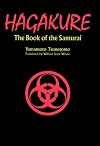
The "Hagakure" is the rulebook for being a samura in that most interesting periods in world history, that of feudal Japan. The writing is remarkably fresh for so old a piece, and one is greatful for the work done by the translator in making it so.
The most memorable aspect of the book is the fact that so many rules ended with 'the disgraced samurai is then supposed to commit seppuku - ritual suicide.' Even if he forgets to put the seat down!
The most memorable aspect of the book is the fact that so many rules ended with 'the disgraced samurai is then supposed to commit seppuku - ritual suicide.' Even if he forgets to put the seat down!
Lists
You May Also Like


Associated Authors
Statistics
- Works
- 14
- Members
- 3,004
- Popularity
- #8,492
- Rating
- 3.7
- Reviews
- 31
- ISBNs
- 154
- Languages
- 15