
Tom Feelings (1933–2003)
Author of Jambo Means Hello: Swahili Alphabet Book
About the Author
Works by Tom Feelings
Associated Works
Tales of Temba: Traditional African Stories (1969) — Illustrator, some editions — 4 copies, 1 review
Tagged
Common Knowledge
- Birthdate
- 1933
- Date of death
- 2003
- Gender
- male
- Relationships
- Feelings, Muriel (spouse)
- Nationality
- USA
- Associated Place (for map)
- USA
Members
Reviews
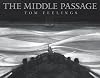
My daughter's history text recommended The Middle Passage but suggested parents preview it. I'm glad I did. It's a beautiful and heart-wrenching book, but my 7.5-year-old is not ready for the rawness and brutality depicted here, and I'm not ready for her to see it. I want her to know the story, but not so much so soon.
According to the text that precedes the illustrations, this book took the author/illustrator 20 years to complete. I can see why. Each picture holds so much emotion and so much show more history.
In his preface, Feelings explains why he chose to tell the story only in illustrations. One reason he gives is the limitations and inherent bias in the English language. "It is a language so infused with direct and indirect racism that it would be difficult, if not impossible, using this language in my book, to project anything black as positive."
I think he went the right path telling the story with pictures rather than words. It's a story I've heard over and over again, but it is difficult to conceptualize the dehumanization that happens to both the enslaved and those enslaving them when I'm just reading the words.
That said, John Henrik Clarke's introduction added a dimension to the book that I would have missed had I only looked at the illustrations. In particular, I was struck by his description of the cultural differences between the people of West Africa and the Europeans. "The European temperament," he writes, "was shaped by a thousand-year-old feudal system, which was a form of slavery...Europe was just emerging from the Middle Ages, a time when poverty and disease were rampant, 'an age haunted by death and damnation.' The Africans had never dealt with such a fiercely competitive people, a people set on asserting its dominance at any cost."
This book gives people in the United States another opportunity to look into our country's dark history. By facing this past rather than avoiding it, hopefully we can help shape a future that allows each of us to be our best selves rather than being trapped in a tradition of dominance and subordination. show less
According to the text that precedes the illustrations, this book took the author/illustrator 20 years to complete. I can see why. Each picture holds so much emotion and so much show more history.
In his preface, Feelings explains why he chose to tell the story only in illustrations. One reason he gives is the limitations and inherent bias in the English language. "It is a language so infused with direct and indirect racism that it would be difficult, if not impossible, using this language in my book, to project anything black as positive."
I think he went the right path telling the story with pictures rather than words. It's a story I've heard over and over again, but it is difficult to conceptualize the dehumanization that happens to both the enslaved and those enslaving them when I'm just reading the words.
That said, John Henrik Clarke's introduction added a dimension to the book that I would have missed had I only looked at the illustrations. In particular, I was struck by his description of the cultural differences between the people of West Africa and the Europeans. "The European temperament," he writes, "was shaped by a thousand-year-old feudal system, which was a form of slavery...Europe was just emerging from the Middle Ages, a time when poverty and disease were rampant, 'an age haunted by death and damnation.' The Africans had never dealt with such a fiercely competitive people, a people set on asserting its dominance at any cost."
This book gives people in the United States another opportunity to look into our country's dark history. By facing this past rather than avoiding it, hopefully we can help shape a future that allows each of us to be our best selves rather than being trapped in a tradition of dominance and subordination. show less

The pictures, by Tom Feelings, came first and Nikki Grimes wrote the poems that fit the illustrations. They are about Black children in an unnamed city. Most of the children are sitting --- easier to draw that way --- and seem to be waiting for something. Both the pictures and the words express emotions and ideas thoughtfully and seriously and cleverly and briefly and ... Impressive book of visual and verbal snapshots. My favorite was about a student asked to write about her summer vacation show more and realizing that the teacher doesn't really want to hear what actually happened. show less
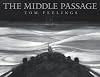
This book is breath-taking in visual scope and presentation! With the power of a silent movie, it conveys the brutality and unfortunate circumstances Africans endured using a limited, bur richly-textured palette of colors/tones. The ghostly, ethereal depictions of their captors hauntingly communicates their ghastly practices. The lyrical sweep of the images creates words and ideas more effectively communicated than words could articulate. A must read/see which offers much material for show more pondering/reflection. show less
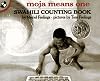
I really liked this book because of the way that it tied in African culture with learning to count in the language of Swahili. The introduction of the book starts off by informing the reader why it is important to know Swahili, because it breaks down language barriers in African countries. This was a great way to start out the book because it immediately made the reader feel as if they were in on something important. It would have been easy for the author to write the Swahili counting words show more and just draw pictures to represent those numbers on each page. This author though takes the opportunity to put a fact on each page that makes the reader more familiar with African culture which is so important. Finally, the illustrations in this book are phenomenal. The illustrations greatly enhance the story by making the reader feel as if they are right there in the action. Overall, this book allows readers to broaden their perspectives on what other cultures look like and what they languages they speak sound like. show less
Lists
Awards


You May Also Like


Associated Authors
Statistics
- Works
- 13
- Also by
- 8
- Members
- 3,046
- Popularity
- #8,382
- Rating
- 4.0
- Reviews
- 77
- ISBNs
- 53
- Languages
- 1
- Favorited
- 1