
Laban Carrick Hill (1960–2021)
Author of Dave the Potter: Artist, Poet, Slave
About the Author
Laban Carrick Hill has been researching the Harlem Renaissance for more than a decade. The author of nearly twenty novels for young adults, he has also taught writing at Columbia University, Baruch College, and St. Michael's College in Vermont. His poems have been included in the Contemporary show more Poetry of New England anthology and in numerous literary magazines, including the Tar River Review, the Denver Quarterly, and American Letters and Commentary show less
Series
Works by Laban Carrick Hill
When the Beat Was Born: DJ Kool Herc and the Creation of Hip Hop (Coretta Scott King - John Steptoe Award for New Talent) (2013) 576 copies, 32 reviews
Tagged
Common Knowledge
- Birthdate
- 1960
- Date of death
- 2021-02-15
- Gender
- male
- Education
- New York University
Bernard M. Baruch College (BA | 1986)
Columbia University (MFA | 1989) - Occupations
- poet
children's writer - Organizations
- PEN
Authors Guild
Author's League of America
Writers Project of Ghana - Awards and honors
- Counterpoint Prize (2001)
- Agent
- Susan Cohen (Writers House)
- Nationality
- USA
- Places of residence
- Memphis, Tennessee, USA
Brooklyn, New York, New York, USA
Winooski, Vermont, USA - Place of death
- Winooski, Vermont, USA
- Associated Place (for map)
- USA
Members
Reviews
When the Beat Was Born: DJ Kool Herc and the Creation of Hip Hop (Coretta Scott King - John Steptoe Award for New Talent) by Laban Carrick Hill
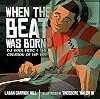
"The origin of one of the most influential cultural movements in recent times—hip-hop—is presented through the story of DJ Kool Herc, the man who “put the hip hip hop, hippity hop into the world’s heartbeat.”
Young Clive fell in love with music as a child in Jamaica, watching a popular DJ unpack crates of records to set up for house parties. When he moved to the Bronx, Clive became Kool Herc, and when he had the opportunity to throw his own dance parties, he became DJ Kool Herc. show more Herc’s innovative style as a DJ, stretching the breaks in songs from seconds into minutes, allowed the creativity of others to erupt, such as break dancers, rappers and MCs. Hip-hop was born. Hill and Taylor have accomplished something special with this picture book, capturing the energy of the early hip-hop movement and presenting it in a manner that is accessible for children. The rhythm and balance of text make this an engaging read-aloud for young children, while the subject matter and animated style of the full-page illustrations will appeal to independent readers as well.
This effervescent celebration of the roots of hip-hop will make readers feel the beat. (author’s note, timeline, bibliography) (Picture book. 4-9)" www.kirkusreviews.com, A Kirkus Starred Review show less
Young Clive fell in love with music as a child in Jamaica, watching a popular DJ unpack crates of records to set up for house parties. When he moved to the Bronx, Clive became Kool Herc, and when he had the opportunity to throw his own dance parties, he became DJ Kool Herc. show more Herc’s innovative style as a DJ, stretching the breaks in songs from seconds into minutes, allowed the creativity of others to erupt, such as break dancers, rappers and MCs. Hip-hop was born. Hill and Taylor have accomplished something special with this picture book, capturing the energy of the early hip-hop movement and presenting it in a manner that is accessible for children. The rhythm and balance of text make this an engaging read-aloud for young children, while the subject matter and animated style of the full-page illustrations will appeal to independent readers as well.
This effervescent celebration of the roots of hip-hop will make readers feel the beat. (author’s note, timeline, bibliography) (Picture book. 4-9)" www.kirkusreviews.com, A Kirkus Starred Review show less
Goodreads Review:
To us
it is just dirt,
the ground we walk on. . . .
But to Dave
it was clay,
the plain and basic stuff
upon which he formed a life
as a slave nearly 200 years ago.
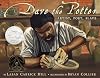
Dave was an extraordinary artist, poet, and potter who lived in South Carolina in the 1800s. He combined his superb artistry with deeply observant poetry, carved onto his pots, transcending the limitations he faced as a slave. In this inspiring and lyrical portrayal, National Book Award Finalist Laban Carrick Hill and show more award-winning artist Bryan Collier tell Dave's remarkable story, one rich in history, hope, and long-lasting beauty. show less
To us
it is just dirt,
the ground we walk on. . . .
But to Dave
it was clay,
the plain and basic stuff
upon which he formed a life
as a slave nearly 200 years ago.
Dave was an extraordinary artist, poet, and potter who lived in South Carolina in the 1800s. He combined his superb artistry with deeply observant poetry, carved onto his pots, transcending the limitations he faced as a slave. In this inspiring and lyrical portrayal, National Book Award Finalist Laban Carrick Hill and show more award-winning artist Bryan Collier tell Dave's remarkable story, one rich in history, hope, and long-lasting beauty. show less
This book is perfect. Perfect even in its details. I believe the author must have tried his hand at making pottery because the descriptions of how a potter's hands feel is spot on and brought sensations from my pottery days forty years ago vividly back to memory. If this was done in the spirit of research for the book, wow. More authors should be so thorough. The illustrations are also perfect for the book. At the end of the book, there is more about Dave's life and art, his poetry carved on show more many of his pots, and how the book came to be written. show less
When the Beat Was Born: DJ Kool Herc and the Creation of Hip Hop (Coretta Scott King - John Steptoe Award for New Talent) by Laban Carrick Hill
As I perused the shelves of the NOLA public library downtown, I stumbled upon what has to be the best picture storybook cover and title ever. A children's book dedicated to the story of Kool Herc and the roots of hip hop. Yes. Yes. Yes. The title is great, but the cover art is what really hooked me. An illustration of Kool Herc, needle in one hand and platter in the other, head crooked to the side, headphones on one ear, presumably matching or listening for a breakbeat. Beautiful. Seeing show more this added on to my experience with picture books over the course of this semester-they literally touch on every subject. The author, Laban Hill, has penned three other works that deal with African American cultural issues from slavery to the Harlem Renaissance. The book is graced by the artistry of Theodore Taylor III, who makes his picute book debut. The illustrations are really what sell the book to me. Each work covers two full pages, employing a warm color scheme that really works to draw you in. They follow the text closely but offer so much more than being supplemental visuals. Each are great works unto themselves, and I found myself getting lost in them before I read the text. They have great detail, and the characters bring the story to life with a bit more realist version of graffiti-style cartoons. The use of perspective is very pronounced, creating sharp angles that when viewed from a distance almost take the form of old-school block letters used in the early days of graffiti writing, and I can't help but think that this is the artist's intent. The text tells the story of Clive 'Kool Herc" Campbell and his contribution to the very roots of what ultimately came to be known as hip hop music. We're given a glimpse into Herc's life from his beginnings in Kingston to his teenage years and beyond in the Bronx. As a physically large kid who had basketball skills that he likened to Cool Clyde Frazier, the kids on the streets called him Cool Hercules, shortened down to Kool Herc. Outside of sports, Herc also loved music, and spent much of his time emulating the style of DJs that he was around as a child in Jamaica. Herc started doing house and block parties around the Bronx, and he found that the most dancing was done during the breaks of the songs, when the lyrics stopped and just the beats played through. What Herc began doing was to take two turntables and hook them together with a crossfader that would transfer the sound from one turntable to the other. He then took two copies of the same song, one on each table, and could play only the breaks on each record over and over without stopping the beat. Basic, elemental hip hop DJing. The roots of it all! His parties became the rage all over the Bronx and set the groundwork for what would become an entire music culture. Although the book tells a great story with great artwork, the significance lies in the fact that it tells the story of someone who all too often gets overlooked. As hip hop constantly evolves, the roots of the music get more and more blurred, and it's very easy to focus on rappers as the base of everything. They're the stars; it's their faces and voices that are remembered. However, no one would be rapping without the efforts and the sweat of the DJ, and Herc was the pioneer of pioneers. show less
Lists
Awards


You May Also Like


Associated Authors
Statistics
- Works
- 41
- Members
- 2,331
- Popularity
- #11,003
- Rating
- 4.1
- Reviews
- 172
- ISBNs
- 75
- Languages
- 3