
Les Line (1935–2010)
Author of Audubon Society Book of Wild Birds
About the Author
Series
Works by Les Line
The World Book of Life in the Reefs and in the Deep (The World Book library of wildlife) (1982) 3 copies
The Audubon Wildlife Treasury 2 copies
Lebensraum Ozean 1 copy
The Jack-Pine Warbler Story 1 copy
Silence of the Songbirds 1 copy
THE NATIONAL AUDOBON SOCIETY 1 copy
Zauber wilder Tiere 1 copy
Associated Works
Tagged
Common Knowledge
- Canonical name
- Line, Les
- Legal name
- Line, Leslie Dale
- Birthdate
- 1935-06-24
- Date of death
- 2010-05-23
- Gender
- male
- Education
- Aquinas College
- Occupations
- editor
- Organizations
- Audobon
- Awards and honors
- Rhode Island School of Design (Médaille d'or, 19 76)
Lifetime Achievement Award de la North American Nature Photography Association - Nationality
- USA
- Birthplace
- Sparta, Michigan, Etats-Unis
- Places of residence
- Sparta, Michigan, USA
Amenia, New York, USA - Place of death
- Sharon, Connecticut, Etats-Unis
- Map Location
- Etats-Unis
- Associated Place (for map)
- USA
Members
Reviews

Profound observations on the lives and social structures of wild cats, written in a poetic style. The pages are extremely thick, almost the thickness of an actual photograph, with excellently-chosen images. They are not of the same quality as, say, modern-day DK books, but the shots are generally memorable and even surprising or even humorous. An example of the latter: A series of pics of a standoff on a tree limb between a margay and an anteater, with a caption indicating the cat would be show more no match for the insectivore's claws. One that haunts me is a cheetah standing right above the neck region of a cowering caracal (a slightly slower, smaller cat with obviously no chance of escape), lacking any explanation in the caption. (Actually, I found another pic from the same incident near the front of the book, with them both running, captioned "A caracal retreats from an encounter with a cheetah.")
There's not a lot of gore in the predation photos, compared to other big cat books I've seen and owned. Generally, the moment before impact is pictured. The large text size means the book is a much quicker read than its lumbering size would indicate, and due to the thick paper stock, it's only 247 pages, about half of which are photos.
Overall, this purchase is a no-brainer, no matter how many similar books you have, or even if you've not yet fallen under the sway of these animals. show less
There's not a lot of gore in the predation photos, compared to other big cat books I've seen and owned. Generally, the moment before impact is pictured. The large text size means the book is a much quicker read than its lumbering size would indicate, and due to the thick paper stock, it's only 247 pages, about half of which are photos.
Overall, this purchase is a no-brainer, no matter how many similar books you have, or even if you've not yet fallen under the sway of these animals. show less
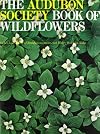
Double-page spreads display the specimens from remote marshes and swamps, as well as such plants as the bromeliads, and sensitive plants that trap and feed on insects.


You May Also Like


Associated Authors
Statistics
- Works
- 43
- Also by
- 2
- Members
- 484
- Popularity
- #51,010
- Rating
- 3.8
- Reviews
- 5
- ISBNs
- 50
- Languages
- 5
- Favorited
- 1
