

Christopher Robbins (1) (1946–2012)
Author of Apples Are from Kazakhstan: The Land that Disappeared
For other authors named Christopher Robbins, see the disambiguation page.
Works by Christopher Robbins
Associated Works
Tagged
Common Knowledge
- Birthdate
- 1946-11-19
- Date of death
- 2012
- Gender
- male
- Nationality
- UK
- Associated Place (for map)
- UK
Members
Reviews
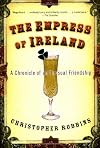
Robbins was a journalist in London in the 60s when he was introduced to Brian Desmond Hurst, an elderly Irish gay man described as the "greatest Irish filmmaker ever". If his name isn't familiar, he made thirty films, including the Alastair Sim version of A Christmas Carol (my favorite). He made Irish dramas in the 30s before coming to London. He went on to do propaganda films during the war, including The Lion Has Wings, about the RAF, and continued to work till the early 60s.
But when show more Robbins met him, he was idle, living on credit, enjoying drinking and hanging out with an ever changing group of film people, rent boys, artists, gay soldiers (Hurst's favorite men), disreputable European "royalty", and anyone he met down the pub who seemed interesting. He had an idea for another movie and after he learned Robbins was a writer, hired him to write the script - though pay for the job never really materialized. It was a drama about the events leading up to Jesus' birth and the politics of King Herod's court (and it sounds like it would have been interesting). Hurst, Robbins, and a Welsh guardsman who was his current favorite traveled to the Mideast to look for locations. They spent most of their time meeting with other movie people and eating huge meals.
Hurst sounded like a wonderfully fun guy to be around, with so many stories of films, actors, filmmaking, drag queens, and criminals. But in the latter half of the book, he asks Robbins to write his biography where we learn his life had been hard. He came from a working class family and left school early. Robbins had heard his funny stories about recovering from hepatitis when he was in the British Army at a hospital in Egypt, playing pranks on the nurses and other patients. But he hadn't talked about fighting at Gallipoli and what trench warfare was like. Robbins was shaken, and so was I.
I really enjoyed this book. So many funny stories, and Robbins' fondness for its fascinating subject is obvious. show less
But when show more Robbins met him, he was idle, living on credit, enjoying drinking and hanging out with an ever changing group of film people, rent boys, artists, gay soldiers (Hurst's favorite men), disreputable European "royalty", and anyone he met down the pub who seemed interesting. He had an idea for another movie and after he learned Robbins was a writer, hired him to write the script - though pay for the job never really materialized. It was a drama about the events leading up to Jesus' birth and the politics of King Herod's court (and it sounds like it would have been interesting). Hurst, Robbins, and a Welsh guardsman who was his current favorite traveled to the Mideast to look for locations. They spent most of their time meeting with other movie people and eating huge meals.
Hurst sounded like a wonderfully fun guy to be around, with so many stories of films, actors, filmmaking, drag queens, and criminals. But in the latter half of the book, he asks Robbins to write his biography where we learn his life had been hard. He came from a working class family and left school early. Robbins had heard his funny stories about recovering from hepatitis when he was in the British Army at a hospital in Egypt, playing pranks on the nurses and other patients. But he hadn't talked about fighting at Gallipoli and what trench warfare was like. Robbins was shaken, and so was I.
I really enjoyed this book. So many funny stories, and Robbins' fondness for its fascinating subject is obvious. show less

Every time I think I've reached the end of the fractal of fuckedupedness that is the Vietnam War, I find something new. The Ravens is an oral history of the Steve Canyon program, a secret program of Forward Air Controllers that flew missions in Laos in support of the CIA backed Hmong Army of General Vang Pao.
What comes through first and foremost is the immense courage of The Ravens. These men flew Cessnas (literally, the Cessna O-1 Bird Dog) against a sophisticated air defense network of show more 14.5mm machine guns and 23mm cannons. In a 6 month tour, 90% of Ravens would be hit by ground fire, 60% forced to crash land, and 30% would be killed in action. Flying long hours under intense pressure, the Ravens went a little bit crazy, and Robbins does an wonderful job describing the hectic ground life at the secret airbase of Long Tieng, with drinking parties, Madame Lulu's brothel, and pet bears. Though the work was dangerous and exhausting, Ravens universally loved the ability to fight as hard as they could, without the burden of REMF oversight.
The on-the-ground story is put in a broader context, with overviews of Neutralist agreements in Laos, and high-level diplomacy with Kissinger and B-52 strikes. A great book on a lesser known aspect of the war. show less
What comes through first and foremost is the immense courage of The Ravens. These men flew Cessnas (literally, the Cessna O-1 Bird Dog) against a sophisticated air defense network of show more 14.5mm machine guns and 23mm cannons. In a 6 month tour, 90% of Ravens would be hit by ground fire, 60% forced to crash land, and 30% would be killed in action. Flying long hours under intense pressure, the Ravens went a little bit crazy, and Robbins does an wonderful job describing the hectic ground life at the secret airbase of Long Tieng, with drinking parties, Madame Lulu's brothel, and pet bears. Though the work was dangerous and exhausting, Ravens universally loved the ability to fight as hard as they could, without the burden of REMF oversight.
The on-the-ground story is put in a broader context, with overviews of Neutralist agreements in Laos, and high-level diplomacy with Kissinger and B-52 strikes. A great book on a lesser known aspect of the war. show less

This was an absolutely scrumptious travelogue/history book, chock-full of interesting tidbits and trivia. The author not only traveled basically all over Kazakhstan, but he also wrote about its history, particularly under Soviet rule, and interviewed loads of Kazakhs, including the president, Nursultan Nazarbayev. (And, from Mr. Robbins's description, Nazarbayev sounds like a nice enough guy who genuinely cares about his country's welfare.)
Although there are a lot of ethnic, linguistic and show more religious minorities in Kazakhstan, they all pretty much get along and there isn't a lot of prejudice or ethnic tension. I think other countries could learn something from Kazakhstan's example in that area (lookin' at you, Israel).
Robbins really makes the country come alive in his writing, and it made me want to go visit for myself and check out those enormous apples the size of a baby's head. Anyone who's into Central Asian or Russian history, or travel writing, would probably enjoy this book. show less
Although there are a lot of ethnic, linguistic and show more religious minorities in Kazakhstan, they all pretty much get along and there isn't a lot of prejudice or ethnic tension. I think other countries could learn something from Kazakhstan's example in that area (lookin' at you, Israel).
Robbins really makes the country come alive in his writing, and it made me want to go visit for myself and check out those enormous apples the size of a baby's head. Anyone who's into Central Asian or Russian history, or travel writing, would probably enjoy this book. show less
A very amusing and humane memoir of Brian Desmond Hurst, who in his time was a well regarded Irish film director, although in early 1970’s London when the author first met Brian, he was in his late seventies.
Nearly half way through the book Christopher Robbins records his suggestion that Brian write his memoirs, but much later (2004) performed this in what reads like an act of fond remembrance, as he puts it:
I knew even then that together they pictured a vanished and more elegant world but show more at the time saw them at the time as little more than well-spun yarns.
Now I realize their true worth. Brian told stories as a way to process life, to parcel up the pain, order the chaos and confusion, and endow the pointless with meaning. Experience was held on to and made valuable by transmutation into anecdote, preferably amusing. Brian put at least as much effort into the story of his life as he did his life’s work of film.
In reading this book, I initially enjoyed the rakishly flamboyant anecdotes of decadent Tangiers and the criminal Big Freddy, before appreciating the overall story making arc of Brian’s life, including his recollections of Gallipoli in the First World War.
I read the, as ever, elegantly produced Slightly Foxed edition. show less
Nearly half way through the book Christopher Robbins records his suggestion that Brian write his memoirs, but much later (2004) performed this in what reads like an act of fond remembrance, as he puts it:
I knew even then that together they pictured a vanished and more elegant world but show more at the time saw them at the time as little more than well-spun yarns.
Now I realize their true worth. Brian told stories as a way to process life, to parcel up the pain, order the chaos and confusion, and endow the pointless with meaning. Experience was held on to and made valuable by transmutation into anecdote, preferably amusing. Brian put at least as much effort into the story of his life as he did his life’s work of film.
In reading this book, I initially enjoyed the rakishly flamboyant anecdotes of decadent Tangiers and the criminal Big Freddy, before appreciating the overall story making arc of Brian’s life, including his recollections of Gallipoli in the First World War.
I read the, as ever, elegantly produced Slightly Foxed edition. show less
Lists
Central Asia (1)
Awards


You May Also Like


Associated Authors
Statistics
- Works
- 6
- Also by
- 5
- Members
- 778
- Popularity
- #32,713
- Rating
- 4.0
- Reviews
- 29
- ISBNs
- 78
- Languages
- 5