
Jillian Weise
Author of The Amputee's Guide to Sex
About the Author
Image credit: Courtesy of Jillian Weise
Works by Jillian Weise
Associated Works
Disability Visibility: First-Person Stories from the Twenty-First Century (2020) — Contributor — 925 copies, 17 reviews
About Us: Essays from the Disability Series of the New York Times (2019) — Contributor — 93 copies, 1 review
Fairy Tale Review: The Grey Issue — Contributor — 2 copies
Tagged
Common Knowledge
- Canonical name
- Weise, Jillian
- Other names
- The Cyborg Jillian Weise
Cy. Weise - Birthdate
- 1981-11-07
- Gender
- female
- Education
- University of Cincinnati (PhD - English)
University of North Carolina at Greensboro (MFA - Poetry)
Florida State University (BA - English and International Affairs) - Occupations
- poet
associate professor - Organizations
- Clemson University
- Nationality
- USA
- Birthplace
- Houston, Texas, USA
- Places of residence
- Greenville, South Carolina, USA
Members
Reviews
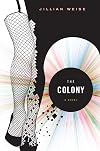
Poet turned novelist in the most graceful way possible! You can tell in the language, and nothing made me cringe. Best thing ever.
Patchwork format: chapters, documentation, also in the incredible/intimate detail on bodily sensation and messy emotional encounters (and how the two can be the same thing).
Patchwork format: chapters, documentation, also in the incredible/intimate detail on bodily sensation and messy emotional encounters (and how the two can be the same thing).
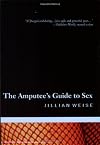
I admit that I'm generally skittish of poetry collections that have a clear over-arching idea to guide the full work, while still not being a narrative--too often, they're contrived and tiresome by halfway through. That, probably, is why it took me so long to read this wonderful collection. Fresh and intimate, this collection is both humorous and heartbreaking at the perfectly timed moments--the rhythms and language here are memorable and worth rereading, and the ideas are unique and show more accessable. As far as contemporary poetry collections go, this is a new favorite of mine, and one which I'll be rereading and recommending. If you're a reader of poetry, you should be reading Weise. show less
A century ago, people went to freak shows to gawk at human oddities, to marvel at lives lived only in average nightmares. Most would imagine horrors of invaded privacy and what it would be like to be scrutinized for what they appeared to be on the surface: incomplete, strange, inhuman. But Jillian Weise enlightens readers to what it is like to be the freak show with insightful free-form poetry that often times runs like a stream of consciousness, and invites the reader to experience the show more inner workings of someone who lives day-to-day with the misplaced label of "freak".
Jillian breaks free of traditional forms to express her words, much like her daily life (or the lives of those she presents in her prose) and further expresses her statement that beauty, and ignorance, comes in all forms and that we should accept people for who they are, not what they look like. She touches on personal subjects, she dives into the viewpoints of others, discusses the where and why of how she came to be, and who she is.
She declares 'I am only human' with pieces like Laundry and Waiting Room and encapsulates every woman's fears and wishes for a baby born free of malformations, retardation, and life-threatening disease with Body as Cloud. Her usage of metaphor mixed with reality and double entendre titles is excellent.
“What explanation could be given
more than why we see clouds differently?
Why some are rabbit ears
while others are the tails of lions?"
-Body as Cloud
“Toby is known as the-kid-with-leukemia.
He will be your roommate in Intensive Care.
He will wake you up, screaming
in the middle of the night and you will wish
he would go ahead and die."
-Waiting Room
In “Nikita's Indian Restaurant" Jillian expresses a desire that we all have as women, as people, to be respected and to have our dignity kept intact. This poem is about a woman who has to stand up for herself when her friend/lover sits quietly by, as an on-looker unabashedly asks about her physical handicaps. She does this with a bit of humor, laced with sarcasm and disappointment, proving the handicap is not hers, nor the curious on-looker, but the person who cannot defend what they claim to love.
“Why does she sit on a child's stool? Why is she so short?
Then the man says, Tell her to stand.
I want to see her body.
You do not take my hand. You do not
meet his glance, spout, slap, or spit.
This is how you fail us. By twitching,
tottering on what to say and how to
say it. When you can't think of anything,
I have to say to the man, What are you
talking about? I'm as tall as Greta
Garbo. I have to say this because you
will not. I wonder if you ever say
anything when your women sit opposite
you, waiting to be defended."
-Nikita's Indian Restaurant
A person learns who they are with family, be it good or bad, whether the family is chosen personally or not. But family sometimes can break a heart, even with good intentions. In her piece Training Wheels, Jillian shows us just that.
“Our house was built on You Can
with my father slugging back
Milwaukee Lights. You can walk.
You can skip. You can run.
You can bike. They told me
but never took the training wheels
off my bicycle."
-Training Wheels
Jillian Weise allowed me to take a glimpse into her personal thoughts and helped me to understand a little better the plight of someone usually deemed as less-fortunate (which she is obviously not). I would like to close with an excerpt of The Gift, a poem on how love can point at our insecurities, allow us to laugh at them and accept them, and how it can be truly unconditional.
“I sign waivers and give up the fake leg. I point to Holman's zipper, ask if they have a better one of these too, less veiny, more girth. We fly home with new parts... I always wanted to strip at the Kitty Cave on South Elm. Holman always wanted to drop pants in front of several women, lights on. We have affairs. We are in love."
-The Gift
It's not your usual flowery, lovey-dovey poetry. It's not even your dark-angst type literary spill. It is raw, emotional, sometimes humorous, and it is gathered like memories discussed by family who have long since left these days behind, yet it remains in-your-face.
This is a definite read if you enjoy poetry with a realistic base and an ethereal edge. But if you read it expecting a freak show, don't. It is definitely anything but. show less
Jillian breaks free of traditional forms to express her words, much like her daily life (or the lives of those she presents in her prose) and further expresses her statement that beauty, and ignorance, comes in all forms and that we should accept people for who they are, not what they look like. She touches on personal subjects, she dives into the viewpoints of others, discusses the where and why of how she came to be, and who she is.
She declares 'I am only human' with pieces like Laundry and Waiting Room and encapsulates every woman's fears and wishes for a baby born free of malformations, retardation, and life-threatening disease with Body as Cloud. Her usage of metaphor mixed with reality and double entendre titles is excellent.
“What explanation could be given
more than why we see clouds differently?
Why some are rabbit ears
while others are the tails of lions?"
-Body as Cloud
“Toby is known as the-kid-with-leukemia.
He will be your roommate in Intensive Care.
He will wake you up, screaming
in the middle of the night and you will wish
he would go ahead and die."
-Waiting Room
In “Nikita's Indian Restaurant" Jillian expresses a desire that we all have as women, as people, to be respected and to have our dignity kept intact. This poem is about a woman who has to stand up for herself when her friend/lover sits quietly by, as an on-looker unabashedly asks about her physical handicaps. She does this with a bit of humor, laced with sarcasm and disappointment, proving the handicap is not hers, nor the curious on-looker, but the person who cannot defend what they claim to love.
“Why does she sit on a child's stool? Why is she so short?
Then the man says, Tell her to stand.
I want to see her body.
You do not take my hand. You do not
meet his glance, spout, slap, or spit.
This is how you fail us. By twitching,
tottering on what to say and how to
say it. When you can't think of anything,
I have to say to the man, What are you
talking about? I'm as tall as Greta
Garbo. I have to say this because you
will not. I wonder if you ever say
anything when your women sit opposite
you, waiting to be defended."
-Nikita's Indian Restaurant
A person learns who they are with family, be it good or bad, whether the family is chosen personally or not. But family sometimes can break a heart, even with good intentions. In her piece Training Wheels, Jillian shows us just that.
“Our house was built on You Can
with my father slugging back
Milwaukee Lights. You can walk.
You can skip. You can run.
You can bike. They told me
but never took the training wheels
off my bicycle."
-Training Wheels
Jillian Weise allowed me to take a glimpse into her personal thoughts and helped me to understand a little better the plight of someone usually deemed as less-fortunate (which she is obviously not). I would like to close with an excerpt of The Gift, a poem on how love can point at our insecurities, allow us to laugh at them and accept them, and how it can be truly unconditional.
“I sign waivers and give up the fake leg. I point to Holman's zipper, ask if they have a better one of these too, less veiny, more girth. We fly home with new parts... I always wanted to strip at the Kitty Cave on South Elm. Holman always wanted to drop pants in front of several women, lights on. We have affairs. We are in love."
-The Gift
It's not your usual flowery, lovey-dovey poetry. It's not even your dark-angst type literary spill. It is raw, emotional, sometimes humorous, and it is gathered like memories discussed by family who have long since left these days behind, yet it remains in-your-face.
This is a definite read if you enjoy poetry with a realistic base and an ethereal edge. But if you read it expecting a freak show, don't. It is definitely anything but. show less
A century ago, people went to freak shows to gawk at human oddities, to marvel at lives lived only in average nightmares. Most would imagine horrors of invaded privacy and what it would be like to be scrutinized for what they appeared to be on the surface: incomplete, strange, inhuman.
But Jillian Weise enlightens readers to what it is like to be the freak show with insightful free-form poetry that often times runs like a stream of consciousness, and invites the reader to experience the show more inner workings of someone who lives day-to-day with the misplaced label of "freak".
Jillian breaks free of traditional forms to express her words, much like her daily life (or the lives of those she presents in her prose) and further expresses her statement that beauty, and ignorance, comes in all forms and that we should accept people for who they are, not what they look like. She touches on personal subjects, she dives into the viewpoints of others, discusses the where and why of how she came to be, and who she is.
She declares 'I am only human' with pieces like Laundry and Waiting Room and encapsulates every woman's fears and wishes for a baby born free of malformations, retardation, and life-threatening disease with Body as Cloud. Her usage of metaphor mixed with reality and double entendre titles is excellent.
“What explanation could be given
more than why we see clouds differently?
Why some are rabbit ears
while others are the tails of lions?"
-Body as Cloud
“Toby is known as the-kid-with-leukemia.
He will be your roommate in Intensive Care.
He will wake you up, screaming
in the middle of the night and you will wish
he would go ahead and die."
-Waiting Room
In “Nikita's Indian Restaurant" Jillian expresses a desire that we all have as women, as people, to be respected and to have our dignity kept intact. This poem is about a woman who has to stand up for herself when her friend/lover sits quietly by, as an on-looker unabashedly asks about her physical handicaps. She does this with a bit of humor, laced with sarcasm and disappointment, proving the handicap is not hers, nor the curious on-looker, but the person who cannot defend what they claim to love.
“Why does she sit on a child's stool? Why is she so short?
Then the man says, Tell her to stand.
I want to see her body.
You do not take my hand. You do not
meet his glance, spout, slap, or spit.
This is how you fail us. By twitching,
tottering on what to say and how to
say it. When you can't think of anything,
I have to say to the man, What are you
talking about? I'm as tall as Greta
Garbo. I have to say this because you
will not. I wonder if you ever say
anything when your women sit opposite
you, waiting to be defended.
-Nikita's Indian Restaurant
A person learns who they are with family, be it good or bad, whether the family is chosen personally or not. But family sometimes can break a heart, even with good intentions. In her piece Training Wheels, Jillian shows us just that.
“Our house was built on You Can
with my father slugging back
Milwaukee Lights. You can walk.
You can skip. You can run.
You can bike. They told me
but never took the training wheels
off my bicycle."
-Training Wheels
Jillian Weise allowed me to take a glimpse into her personal thoughts and helped me to understand a little better the plight of someone usually deemed as less-fortunate (which she is obviously not). I would like to close with an excerpt of The Gift, a poem on how love can point at our insecurities, allow us to laugh at them and accept them, and how it can be truly unconditional.
“I sign waivers and give up the fake leg. I point to Holman’s zipper, ask if they have a better one of these too, less veiny, more girth. We fly home with new parts... I always wanted to strip at the Kitty Cave on South Elm. Holman always wanted to drop pants in front of several women, lights on. We have affairs. We are in love."
-The Gift
It's not your usual flowery, lovey-dovey poetry. It's not even your dark-angst type literary spill. It is raw, emotional, sometimes humorous, and it is gathered like memories discussed by family who have long since left these days behind, yet it remains in-your-face.
This is a definite read if you enjoy poetry with a realistic base and an ethereal edge. But if you read it expecting a freak show, don't. It is definitely anything but. show less
But Jillian Weise enlightens readers to what it is like to be the freak show with insightful free-form poetry that often times runs like a stream of consciousness, and invites the reader to experience the show more inner workings of someone who lives day-to-day with the misplaced label of "freak".
Jillian breaks free of traditional forms to express her words, much like her daily life (or the lives of those she presents in her prose) and further expresses her statement that beauty, and ignorance, comes in all forms and that we should accept people for who they are, not what they look like. She touches on personal subjects, she dives into the viewpoints of others, discusses the where and why of how she came to be, and who she is.
She declares 'I am only human' with pieces like Laundry and Waiting Room and encapsulates every woman's fears and wishes for a baby born free of malformations, retardation, and life-threatening disease with Body as Cloud. Her usage of metaphor mixed with reality and double entendre titles is excellent.
“What explanation could be given
more than why we see clouds differently?
Why some are rabbit ears
while others are the tails of lions?"
-Body as Cloud
“Toby is known as the-kid-with-leukemia.
He will be your roommate in Intensive Care.
He will wake you up, screaming
in the middle of the night and you will wish
he would go ahead and die."
-Waiting Room
In “Nikita's Indian Restaurant" Jillian expresses a desire that we all have as women, as people, to be respected and to have our dignity kept intact. This poem is about a woman who has to stand up for herself when her friend/lover sits quietly by, as an on-looker unabashedly asks about her physical handicaps. She does this with a bit of humor, laced with sarcasm and disappointment, proving the handicap is not hers, nor the curious on-looker, but the person who cannot defend what they claim to love.
“Why does she sit on a child's stool? Why is she so short?
Then the man says, Tell her to stand.
I want to see her body.
You do not take my hand. You do not
meet his glance, spout, slap, or spit.
This is how you fail us. By twitching,
tottering on what to say and how to
say it. When you can't think of anything,
I have to say to the man, What are you
talking about? I'm as tall as Greta
Garbo. I have to say this because you
will not. I wonder if you ever say
anything when your women sit opposite
you, waiting to be defended.
-Nikita's Indian Restaurant
A person learns who they are with family, be it good or bad, whether the family is chosen personally or not. But family sometimes can break a heart, even with good intentions. In her piece Training Wheels, Jillian shows us just that.
“Our house was built on You Can
with my father slugging back
Milwaukee Lights. You can walk.
You can skip. You can run.
You can bike. They told me
but never took the training wheels
off my bicycle."
-Training Wheels
Jillian Weise allowed me to take a glimpse into her personal thoughts and helped me to understand a little better the plight of someone usually deemed as less-fortunate (which she is obviously not). I would like to close with an excerpt of The Gift, a poem on how love can point at our insecurities, allow us to laugh at them and accept them, and how it can be truly unconditional.
“I sign waivers and give up the fake leg. I point to Holman’s zipper, ask if they have a better one of these too, less veiny, more girth. We fly home with new parts... I always wanted to strip at the Kitty Cave on South Elm. Holman always wanted to drop pants in front of several women, lights on. We have affairs. We are in love."
-The Gift
It's not your usual flowery, lovey-dovey poetry. It's not even your dark-angst type literary spill. It is raw, emotional, sometimes humorous, and it is gathered like memories discussed by family who have long since left these days behind, yet it remains in-your-face.
This is a definite read if you enjoy poetry with a realistic base and an ethereal edge. But if you read it expecting a freak show, don't. It is definitely anything but. show less
Awards


You May Also Like


Associated Authors
Statistics
- Works
- 6
- Also by
- 7
- Members
- 210
- Popularity
- #105,677
- Rating
- 4.1
- Reviews
- 9
- ISBNs
- 15