

K. J. A. Wishnia
Author of The Fifth Servant
About the Author
Image credit: Kenneth Wishnia
Series
Works by K. J. A. Wishnia
Jewish Noir: Contemporary Tales of Crime and Other Dark Deeds (2015) — Editor & Contributor — 50 copies, 1 review
Associated Works
Send My Love and a Molotov Cocktail! Stories of Crime, Love, and Rebellion (2011) — Contributor — 37 copies
Tagged
Common Knowledge
- Legal name
- Wishnia, Kenneth John Alexander
- Other names
- Wishnia, Kenneth
- Birthdate
- 1960-08-20
- Gender
- male
- Education
- State University of New York, Stony Brook (PhD - Comparative Literature)
Brown University (BA) - Occupations
- professor (English)
author (mystery fiction) - Organizations
- Suffolk Community College
- Nationality
- USA
- Birthplace
- Hanover, New Hampshire, USA
- Associated Place (for map)
- New Hampshire, USA
Members
Discussions
Historical Mystery in 14th or 15th Century Poland in Name that Book (August 2011)
Reviews
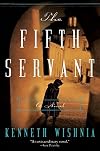
When I first read the description of Kenneth Wishnia's novel, The Fifth Servant, I knew I had to read it. Set in late 16th century Prague during the inquisition when Catholics and Protestants are battling for control, the Jewish people in the ghetto are going about their lives, hoping attention is not turned on them. When the body of a young Christian girl is found on the floor of a Jewish businessman's shop, however, all eyes focus on the Jewish community and what is perceived as their show more Jew-magic. Shammes Benyamin comes upon the scene hoping to sort it out only to find himself more deeply involved than he could have anticipated. Suddenly it is on his shoulders to find out what really happened, prove that it was not a blood crime, and save the ghetto from complete destruction by the angry mobs outside the gates.
Benyamin is an outsider even in his own community. He is a newcomer who hasn't yet proven his value. He traveled from his home in Poland, following his wife, a woman who feels betrayed by him. Benyamin still has hope that he could win her back. With the prejudices and biases of the authorities involved with the murder investigation, Benyamin knows he has a difficult road to travel to get to the truth. He knows he cannot do it alone.
Anya is a Christian woman, the daughter of a butcher. She earns extra money by working as a servant in a Jewish home despite the prohibition by the Catholic Church against Christians working for the Jews. Because of Anya's foot in both worlds, she is the perfect person to ask for help with the investigation into the girls' murder, a friend of both Christians and Jews. She is observant and intelligent but must be careful.
There was much in the way of Talmudic thought and discussion throughout the novel, which I found quite interesting. I have long been interested in the Jewish faith and history. The author clearly did a lot of research into the traditions and history of the time period. The hostility between the various religious factions was a big focus of the novel. The Catholic Church in that region was very powerful and punitive. It seemed to be a fearful time, one where a cry of witchcraft or blasphemy by a neighbor would be enough to warrant punishment, even torture without a full investigation. My heart went out to the midwife who was only trying to make her living, having to watch her every step for fear she'd be accused of witchcraft.
The novel was told from the perspective of both Benyamin and Anya, one in first person the other in third. The Fifth Servant takes place over three days, but is not a fast paced book for all the author tries to accomplish, both in conveying the historical aspects of the time period as well as the more philosophical discussions that take place between the characters. There are also the personal stories: Benyamin's attempts to reconcile with his wife and Anya with her own internal struggles, including whether or not to pursue forbidden love. There is building tension, especially as Benyamin's deadline to bring forward the real killer approaches and the angry mob outside the gates grows more and more violent. The mystery itself, the search for what happened to the murdered girl, seemed almost secondary to the other events taking place in the book. Still, it definitely is what moved the story forward.
The Fifth Servant was not quite I expected, but I did enjoy it. I would have preferred there to have been more of a balance between the mystery itself and the other aspects of the novel; however, there was so much going on that I can see how challenging that might be. The inquisition is an interesting and sad part of our world's history, and I was inspired to do a little research into the time period and setting of the novel after finishing it--always a good sign.
Source: Review Copy provided by publisher. show less
Benyamin is an outsider even in his own community. He is a newcomer who hasn't yet proven his value. He traveled from his home in Poland, following his wife, a woman who feels betrayed by him. Benyamin still has hope that he could win her back. With the prejudices and biases of the authorities involved with the murder investigation, Benyamin knows he has a difficult road to travel to get to the truth. He knows he cannot do it alone.
Anya is a Christian woman, the daughter of a butcher. She earns extra money by working as a servant in a Jewish home despite the prohibition by the Catholic Church against Christians working for the Jews. Because of Anya's foot in both worlds, she is the perfect person to ask for help with the investigation into the girls' murder, a friend of both Christians and Jews. She is observant and intelligent but must be careful.
There was much in the way of Talmudic thought and discussion throughout the novel, which I found quite interesting. I have long been interested in the Jewish faith and history. The author clearly did a lot of research into the traditions and history of the time period. The hostility between the various religious factions was a big focus of the novel. The Catholic Church in that region was very powerful and punitive. It seemed to be a fearful time, one where a cry of witchcraft or blasphemy by a neighbor would be enough to warrant punishment, even torture without a full investigation. My heart went out to the midwife who was only trying to make her living, having to watch her every step for fear she'd be accused of witchcraft.
The novel was told from the perspective of both Benyamin and Anya, one in first person the other in third. The Fifth Servant takes place over three days, but is not a fast paced book for all the author tries to accomplish, both in conveying the historical aspects of the time period as well as the more philosophical discussions that take place between the characters. There are also the personal stories: Benyamin's attempts to reconcile with his wife and Anya with her own internal struggles, including whether or not to pursue forbidden love. There is building tension, especially as Benyamin's deadline to bring forward the real killer approaches and the angry mob outside the gates grows more and more violent. The mystery itself, the search for what happened to the murdered girl, seemed almost secondary to the other events taking place in the book. Still, it definitely is what moved the story forward.
The Fifth Servant was not quite I expected, but I did enjoy it. I would have preferred there to have been more of a balance between the mystery itself and the other aspects of the novel; however, there was so much going on that I can see how challenging that might be. The inquisition is an interesting and sad part of our world's history, and I was inspired to do a little research into the time period and setting of the novel after finishing it--always a good sign.
Source: Review Copy provided by publisher. show less
The Fifth Servant – Kenneth Wishnia
4 stars
In 1592, Benyamin Ben-Akiva is a newcomer to Prague. He is employed as the fifth shames (servant) of the reformist Rabbi Judah Loew. The book opens at a time of religious celebration; Good Friday through Easter for the Christian majority and Passover in the Jewish ghetto. “And spring is open season on Jews. Holy Week and Eastertide were especially risky, and a gambling man would say that we were long overdue for old-fashioned Jew-hatred.” A show more Christian child is murdered. Her body, drained of blood, is found in a Jewish shop. The shopkeeper, his wife and daughter are arrested. Desperately pleading their innocence, Ben-Akiva is given three days to find the actual killers and prevent a pogrom of retribution.
This book is a whirlwind of activity, personalities, and conflicting ideologies. As Ben Akiva dashes from one encounter to another, Wishnia touches on religious schisms within Judaism and Christianity. He introduces deceitful Jews and righteous Christians. There is one divorce, a Judeo-Christian marriage, a witch hunt, a whore with a golden heart, and much time spent in prayer and discussion of the Talmud.
The historical context and atmosphere of this book is fascinating. I felt I could smell the cooking and the offal. I could hear the prayers, the debates and the screams. Sadly, I was not able to follow the action. In the end, I wasn’t completely sure who committed the murder and why. I found myself side-tracked by the ethical and philosophical dilemmas to the point that I lost track of clues and key players in the mystery. This is a book that requires not only careful reading, but a score card. It did interest me enough that I’m ready to grab my score card to go back over what I missed. show less
4 stars
In 1592, Benyamin Ben-Akiva is a newcomer to Prague. He is employed as the fifth shames (servant) of the reformist Rabbi Judah Loew. The book opens at a time of religious celebration; Good Friday through Easter for the Christian majority and Passover in the Jewish ghetto. “And spring is open season on Jews. Holy Week and Eastertide were especially risky, and a gambling man would say that we were long overdue for old-fashioned Jew-hatred.” A show more Christian child is murdered. Her body, drained of blood, is found in a Jewish shop. The shopkeeper, his wife and daughter are arrested. Desperately pleading their innocence, Ben-Akiva is given three days to find the actual killers and prevent a pogrom of retribution.
This book is a whirlwind of activity, personalities, and conflicting ideologies. As Ben Akiva dashes from one encounter to another, Wishnia touches on religious schisms within Judaism and Christianity. He introduces deceitful Jews and righteous Christians. There is one divorce, a Judeo-Christian marriage, a witch hunt, a whore with a golden heart, and much time spent in prayer and discussion of the Talmud.
The historical context and atmosphere of this book is fascinating. I felt I could smell the cooking and the offal. I could hear the prayers, the debates and the screams. Sadly, I was not able to follow the action. In the end, I wasn’t completely sure who committed the murder and why. I found myself side-tracked by the ethical and philosophical dilemmas to the point that I lost track of clues and key players in the mystery. This is a book that requires not only careful reading, but a score card. It did interest me enough that I’m ready to grab my score card to go back over what I missed. show less
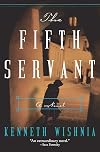
In this riveting historical mystery set in 16th century Prague during the Inquisition, Benyamin Ben-Akiva, the newly arrived shammes (religious leader), finds himself embroiled in the investigation of a murder that threatens to tear apart the Jewish community. It all begins when the body of a young Christian girl is found in the shop of Jacob Federn, a Jewish businessman. Despite his pleas of ignorance, the Christian sector of Prague, who already hate and lambast the Jews, believe Federn has show more killed the girl in order to use her bodily fluids for a blood ritual. This incenses the Christians, and soon Federn is in custody and the segregated Jewish ghetto is under lock-down. Benyamin Ben-Akiva, a newcomer to the town, immediately begins to investigate the strange case, but due to his status as a Jew, he must rely on a bevy of Jews and Christians alike to bring the girl's true killer to light. As he carefully uncovers clue after clue, he discovers the improbable status of Jews in his new homeland and gains insight into his own religion through the help of other like-minded rabbis who are also considered dangerous freethinkers. As the hours wind down and the Jews fate begins to look inescapable, Benyamin Ben-Akiva enlists the help of a group pf ragtag villagers, prostitutes, and a Christian girl with the heart and mind of a Jew, culminating in a shocking conclusion that will change the city of Prague, and Benyamin Ben-Akiva, forever.
When I initially started reading this book, I was worried that I had too little knowledge of Jewish history and culture to be able to fully appreciate what Wishnia was trying to do with this story. But from the moment that Benyamin Ben-Akiva hears the wailing cry of a mother looking for her daughter piercing the city's early morning tranquility, I knew this was going to be a story that not only moved me, but that kept me reading late into the night. Though this book dealt heavily with Judaism and particularly the academic side of it, it was at once enlightening and unfamiliar. Wishnia has a way of not only generously pouring out information, but of explaining it in a way that almost anyone could understand.
At the heart of this story is the conflict between the Jewish and Christian populations of Prague. During the 16th century, the Jews were segregated into their own community, and though they were allowed basic freedoms and protections under Emperor Rudolph, they were also harassed, reviled and often the scapegoats of the community when anything went amiss. The hatred eminating from the Christians was almost too hard to read about, and once again, I realized it was not only in Nazi Germany that the Jews had suffered at the hands of others who thought themselves superior to them. This book reminded me a little of The Mistress of the Art of Death in the way it related the plight of the Jews. In both books, the Jews were at the center of a controversy after a child was killed and the Christians believed the Jews had committed the murder in order to use the blood of the slain child as an ingredient in a ritual. In both books, the outrage and anger from the Christian sector was similar. It's interesting to note that this motive for the murder would be impossible, as the Jews as a whole look upon blood as unclean and would have been at great pains to avoid it, but the Christians use their influence and prejudice to ascribe monstrous qualities and intentions on these people.
Wishnia also reveals himself in this book as a superior scholar. A vast amount of the dialog and narrative revolves around quotes and ideas represented in the Talmud, the Torah, the Kabbalah and other Jewish writings. These sections of theological debate exist right alongside the story, and often, the two embrace and imbue the story with allegorical and symbolic meanings that further heighten the plight of the Jews, both in the immediate and historical sense. I felt these sections melded together beautifully, and though at first I was intimidated with all the knowledge that was being passed to me through the pages, I grew to trust what Wishnia was doing and what he would create. I can't adequately express how academically potent this book was to me, and not only was it extremely edifying, it also turned the story into a complex and astute work of art.
Another thing that impressed me was the range of unusual characters that passed through the story. There were wise women and prostitutes, a giant mentally challenged man, and inspectors who had hidden hearts of gold. There were brave men and cowardly ones, stubborn and recalcitrant wives, and Christan girls with forbidden passions. All of these characters felt very well rounded and three dimensional and they were intrinsic to the value of this strange and wonderful tale. Though I liked all of the characters and felt varying degrees of attachment to them, it was Benyamin Ben-Akiva who was the star of the show. He was just so human and his impulses to disobey and follow his own path were constantly at war with his spiritual beliefs and leanings. There were times when he bent the prescribed law and times he played it by the book, but it was his vibrancy and his duty to the Jews of his newly arrived home that I found most interesting. Benyamin Ben-Akiva's altruism played dangerously with his selfishness, which to me was very human.
Though this was a rather intense and dense book, I thought Wishnia did an incredible job of not only telling his story, but backing it up with an undeniable atmosphere and flavor that not many historical novels can deliver. The book had the ability to be a fast paced page turner and a slow introspective read, which is also unusual. I think the scope of the story was impressive, and the fact that Wishnia never falters in his narrative makes this a book that a lot of reader will enjoy. I certainly did, and I look forward to plowing through it again, with an eye to disseminating some of the more theological aspects in greater detail. Highly recommended. show less
When I initially started reading this book, I was worried that I had too little knowledge of Jewish history and culture to be able to fully appreciate what Wishnia was trying to do with this story. But from the moment that Benyamin Ben-Akiva hears the wailing cry of a mother looking for her daughter piercing the city's early morning tranquility, I knew this was going to be a story that not only moved me, but that kept me reading late into the night. Though this book dealt heavily with Judaism and particularly the academic side of it, it was at once enlightening and unfamiliar. Wishnia has a way of not only generously pouring out information, but of explaining it in a way that almost anyone could understand.
At the heart of this story is the conflict between the Jewish and Christian populations of Prague. During the 16th century, the Jews were segregated into their own community, and though they were allowed basic freedoms and protections under Emperor Rudolph, they were also harassed, reviled and often the scapegoats of the community when anything went amiss. The hatred eminating from the Christians was almost too hard to read about, and once again, I realized it was not only in Nazi Germany that the Jews had suffered at the hands of others who thought themselves superior to them. This book reminded me a little of The Mistress of the Art of Death in the way it related the plight of the Jews. In both books, the Jews were at the center of a controversy after a child was killed and the Christians believed the Jews had committed the murder in order to use the blood of the slain child as an ingredient in a ritual. In both books, the outrage and anger from the Christian sector was similar. It's interesting to note that this motive for the murder would be impossible, as the Jews as a whole look upon blood as unclean and would have been at great pains to avoid it, but the Christians use their influence and prejudice to ascribe monstrous qualities and intentions on these people.
Wishnia also reveals himself in this book as a superior scholar. A vast amount of the dialog and narrative revolves around quotes and ideas represented in the Talmud, the Torah, the Kabbalah and other Jewish writings. These sections of theological debate exist right alongside the story, and often, the two embrace and imbue the story with allegorical and symbolic meanings that further heighten the plight of the Jews, both in the immediate and historical sense. I felt these sections melded together beautifully, and though at first I was intimidated with all the knowledge that was being passed to me through the pages, I grew to trust what Wishnia was doing and what he would create. I can't adequately express how academically potent this book was to me, and not only was it extremely edifying, it also turned the story into a complex and astute work of art.
Another thing that impressed me was the range of unusual characters that passed through the story. There were wise women and prostitutes, a giant mentally challenged man, and inspectors who had hidden hearts of gold. There were brave men and cowardly ones, stubborn and recalcitrant wives, and Christan girls with forbidden passions. All of these characters felt very well rounded and three dimensional and they were intrinsic to the value of this strange and wonderful tale. Though I liked all of the characters and felt varying degrees of attachment to them, it was Benyamin Ben-Akiva who was the star of the show. He was just so human and his impulses to disobey and follow his own path were constantly at war with his spiritual beliefs and leanings. There were times when he bent the prescribed law and times he played it by the book, but it was his vibrancy and his duty to the Jews of his newly arrived home that I found most interesting. Benyamin Ben-Akiva's altruism played dangerously with his selfishness, which to me was very human.
Though this was a rather intense and dense book, I thought Wishnia did an incredible job of not only telling his story, but backing it up with an undeniable atmosphere and flavor that not many historical novels can deliver. The book had the ability to be a fast paced page turner and a slow introspective read, which is also unusual. I think the scope of the story was impressive, and the fact that Wishnia never falters in his narrative makes this a book that a lot of reader will enjoy. I certainly did, and I look forward to plowing through it again, with an eye to disseminating some of the more theological aspects in greater detail. Highly recommended. show less
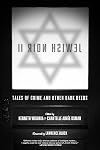
I was pleasantly surprised to receive this book. I didn’t request it but I read and enjoyed, other books by Kenneth Wishnia and I’d like to think he kept me in mind.
After finishing the Jewish Noir II: Tales of Crime and Other Dark Deeds, the first thing that stood up in my mind is the quality of the writing. In these short stories, sometimes a whole world was discovered. Many of the stories were thought-provoking, as well as spiced with the self-deprecating, dark humor I adore.
I enjoyed show more the presentation and the way the collection was organized. Even though there is no central theme to the stories, besides the obvious (Jewish noir), the stories flowed seamlessly into one another in a balanced way, which someone made sense.
The collection consists of stories ranging from post-World War II trauma to mysticism, including exploration of the psyche, this new (but not really) wave of anti-Semitism, civil rights, and others. I specifically enjoyed the story about Israeli mercenaries, something you don’t think about when the word “Jewish” comes to mind.
Much like Jewish Noir, this was a diverse collection of stories, which were as varied as the name implies. The dark deeds, noir, and crime promised in the title all make delicious appearances for a fun, and entertaining read. show less
After finishing the Jewish Noir II: Tales of Crime and Other Dark Deeds, the first thing that stood up in my mind is the quality of the writing. In these short stories, sometimes a whole world was discovered. Many of the stories were thought-provoking, as well as spiced with the self-deprecating, dark humor I adore.
I enjoyed show more the presentation and the way the collection was organized. Even though there is no central theme to the stories, besides the obvious (Jewish noir), the stories flowed seamlessly into one another in a balanced way, which someone made sense.
The collection consists of stories ranging from post-World War II trauma to mysticism, including exploration of the psyche, this new (but not really) wave of anti-Semitism, civil rights, and others. I specifically enjoyed the story about Israeli mercenaries, something you don’t think about when the word “Jewish” comes to mind.
Much like Jewish Noir, this was a diverse collection of stories, which were as varied as the name implies. The dark deeds, noir, and crime promised in the title all make delicious appearances for a fun, and entertaining read. show less
Awards


You May Also Like


Associated Authors
Statistics
- Works
- 13
- Also by
- 7
- Members
- 497
- Popularity
- #49,747
- Rating
- 3.6
- Reviews
- 25
- ISBNs
- 51
- Languages
- 3
- Favorited
- 1